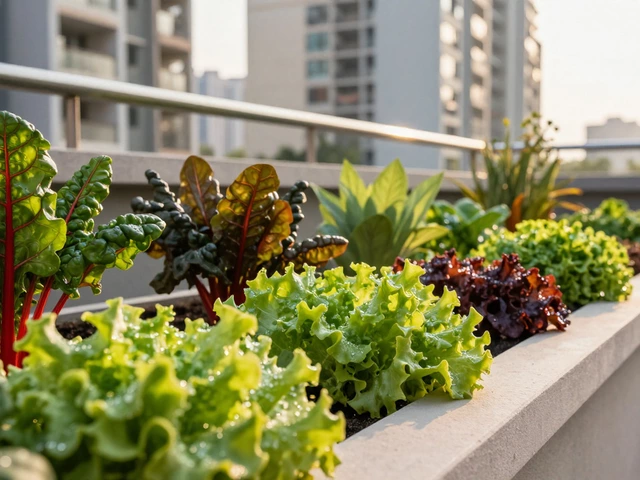
Sustainable Gardening Tips for a Greener Indian Garden
Want a garden that looks great and hurts the planet less? You’re in the right place. Below are easy, Indian‑friendly ideas you can start today. No jargon, just things you can do right now.
Water‑Wise Gardening
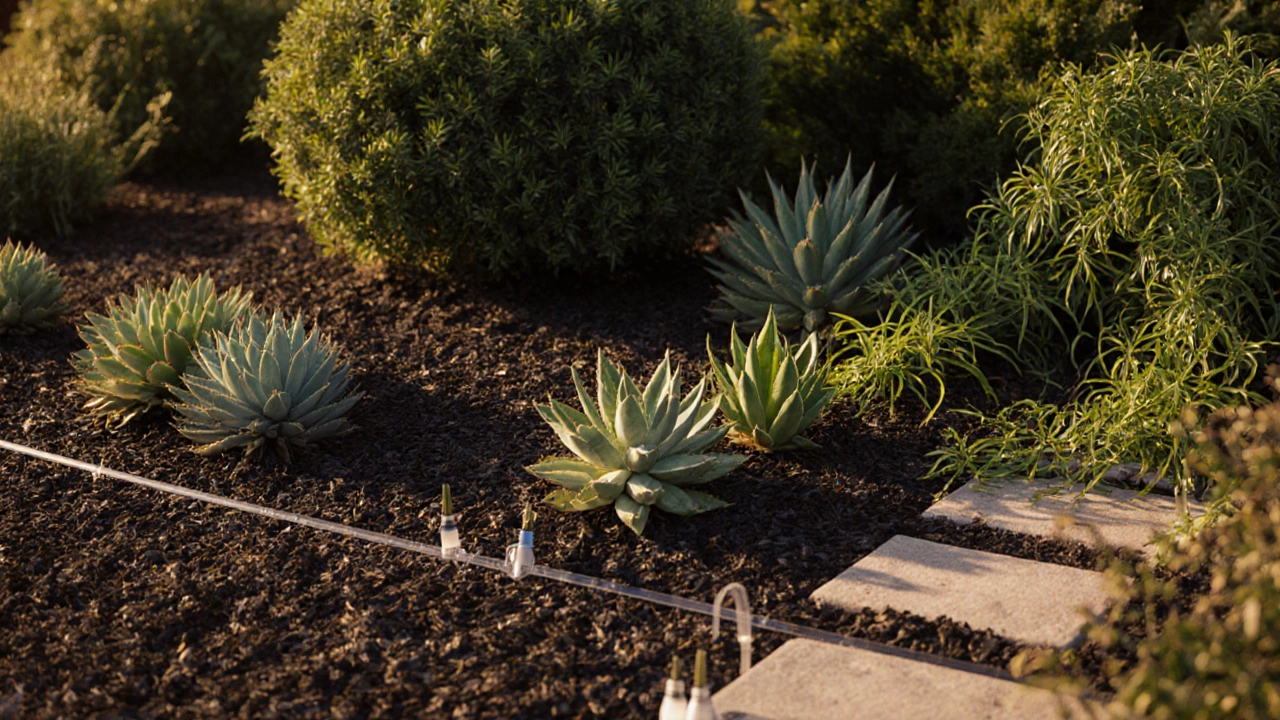
Water is the biggest expense for most Indian gardens, especially in summer. Start by mulching your beds with straw, dry leaves, or coconut husk. A thin layer keeps the soil cool and stops evaporation, so you water less often.
Next, collect rainwater in a simple barrel or tarpaulin. Even a few liters saved each week add up. When you do water, aim for early morning or late evening – the sun won’t evaporate it away. Drip lines or a soaker hose deliver water straight to the roots, cutting waste dramatically.
Soil and Compost Basics
Healthy soil means plants need fewer chemicals and less water. Turn kitchen scraps, garden waste, and dry leaves into a compost pile. Keep the pile moist, turn it every couple of weeks, and you’ll have dark, crumbly compost in 2–3 months.
If you hear about compost drawbacks, don’t let that stop you. Use a covered bin to keep pests away and add a thin layer of soil on top to control odor. The result is rich soil that feeds your garden naturally.
Another quick win: add a handful of garden soil to each pot of seedlings. It boosts microbial activity and helps the young plants establish faster.
Now, pick plants that love your local climate. Native grasses, marigolds, and neem thrive without extra water or fertilizer. They also attract beneficial insects that keep pests in check.
Companion planting works wonders for small spaces. Plant basil next to tomatoes to repel flies, or grow beans with corn to fix nitrogen in the soil. These pairings reduce the need for extra nutrients and improve harvests.
Finally, think about reusing. Old pots can become seed trays, and broken bricks make perfect raised beds. Zero‑waste ideas keep costs low and your garden circular.
Put these tips together, and you’ll see a healthier garden, a lighter water bill, and a happier planet. Start with one change this week – maybe just mulching – and watch the results grow. Happy gardening!
Sustainable Gardening
0
Comments
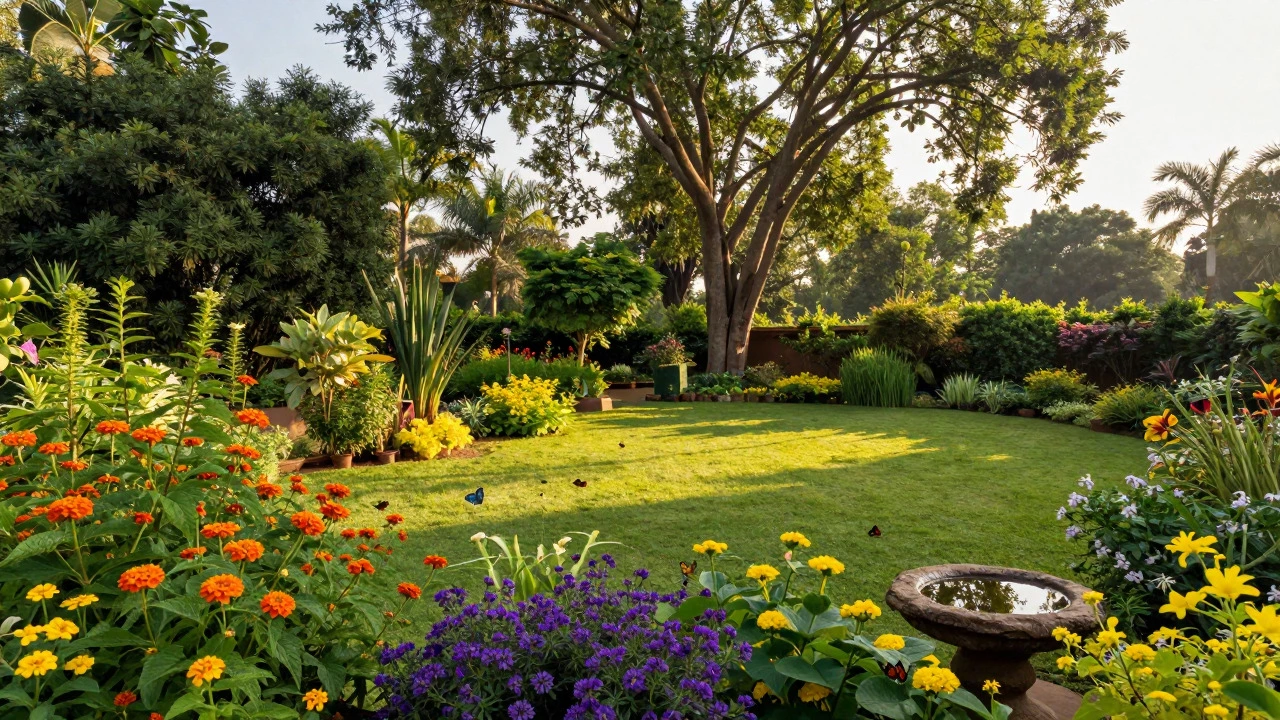
How to Turn Your Yard Into an Ecological Oasis: A Practical Guide
Learn how to transform your yard into a thriving ecological oasis using native plants, water conservation, and soil health techniques. A practical guide for sustainable gardening.
Sustainable Gardening
0
Comments
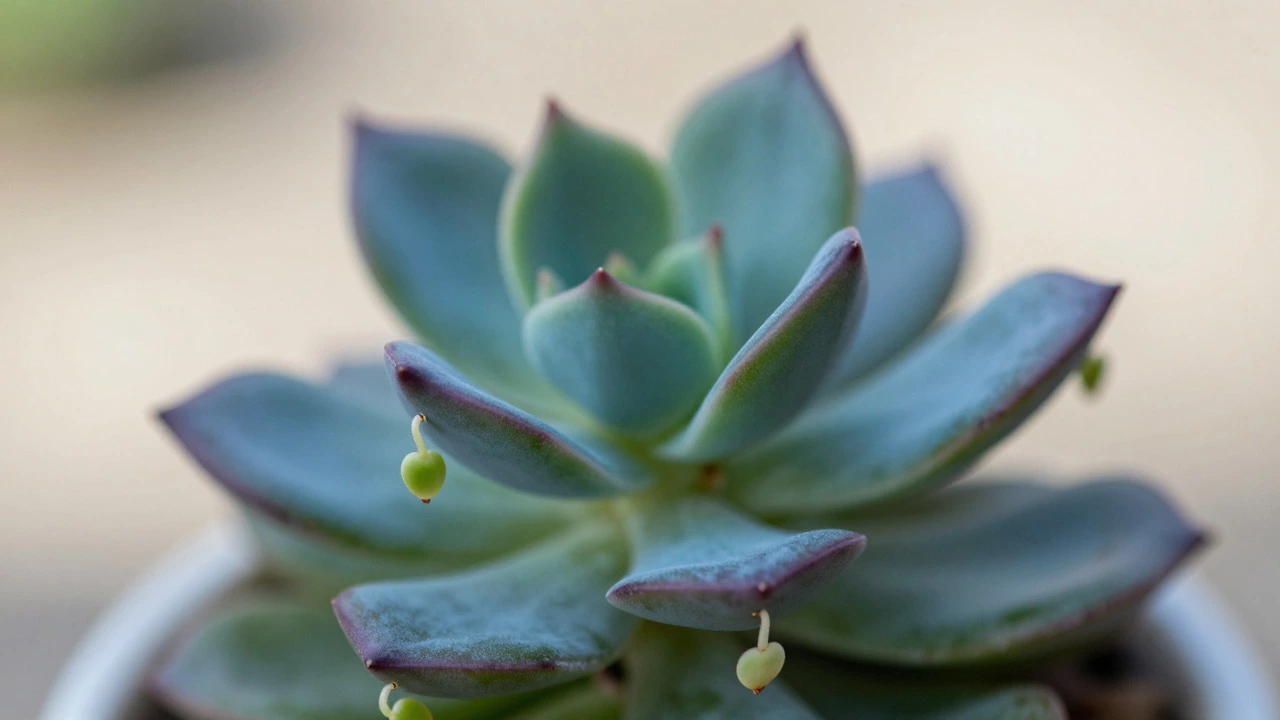
What is the Mother of Many Babies Plant? Care, Propagation & Benefits
Discover the truth behind the mother of many babies plant-its care, propagation, toxicity, and invasive potential. Learn how to enjoy this stunning succulent responsibly in your garden.
Sustainable Gardening
0
Comments
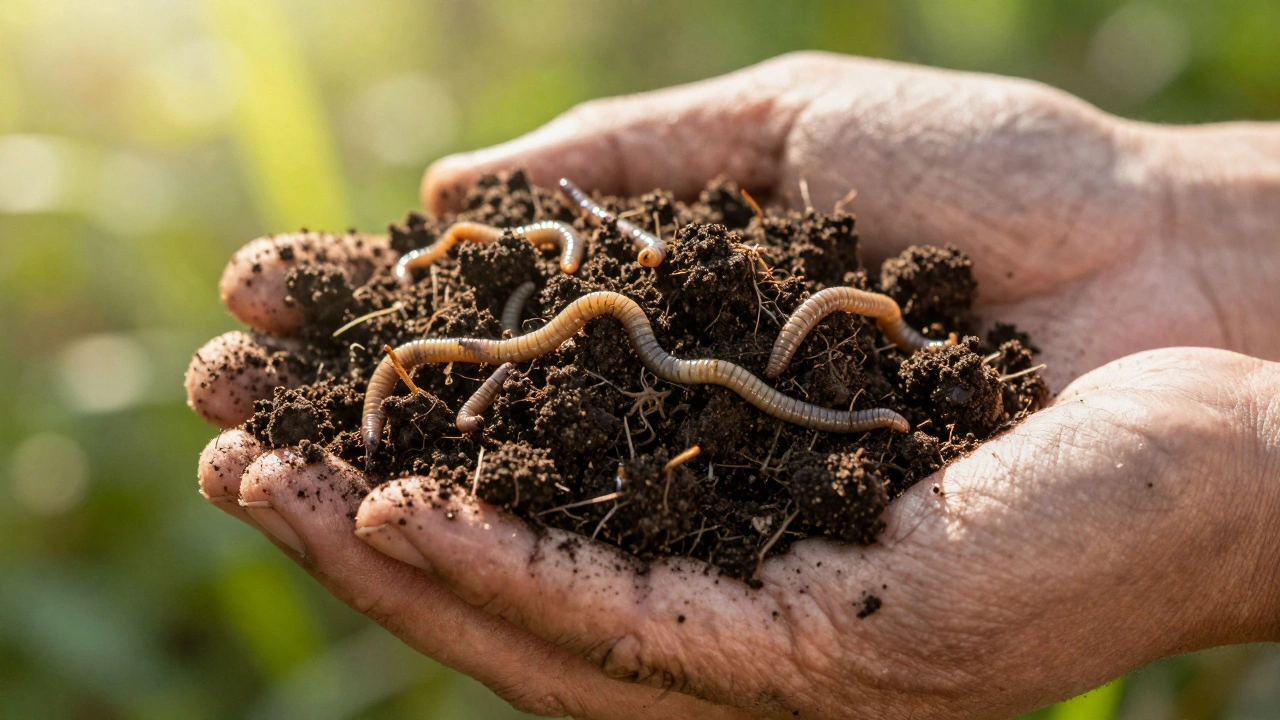
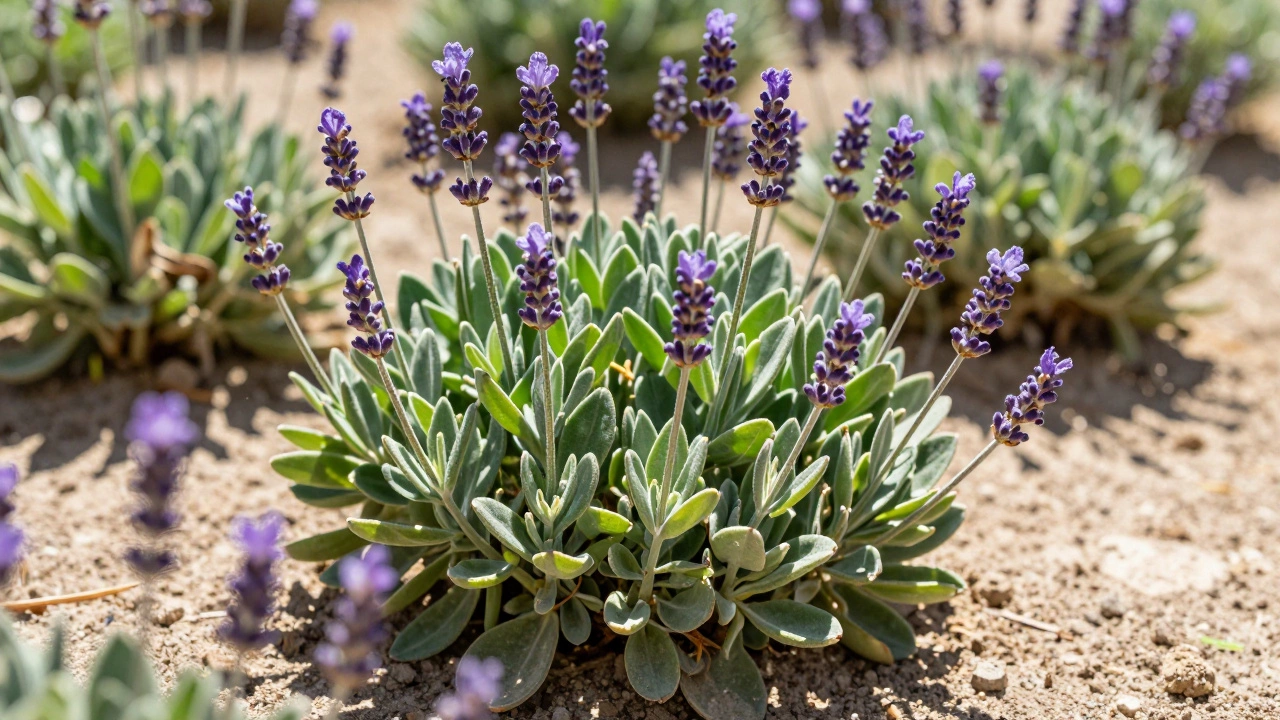
How to Start a Regenerative Garden at Home: A Practical Guide
Learn how to start a regenerative garden at home by focusing on soil health, composting, and biodiversity. This guide offers practical steps to create a self-sustaining ecosystem that requires less maintenance and produces healthier plants.
Sustainable Gardening
0
Comments
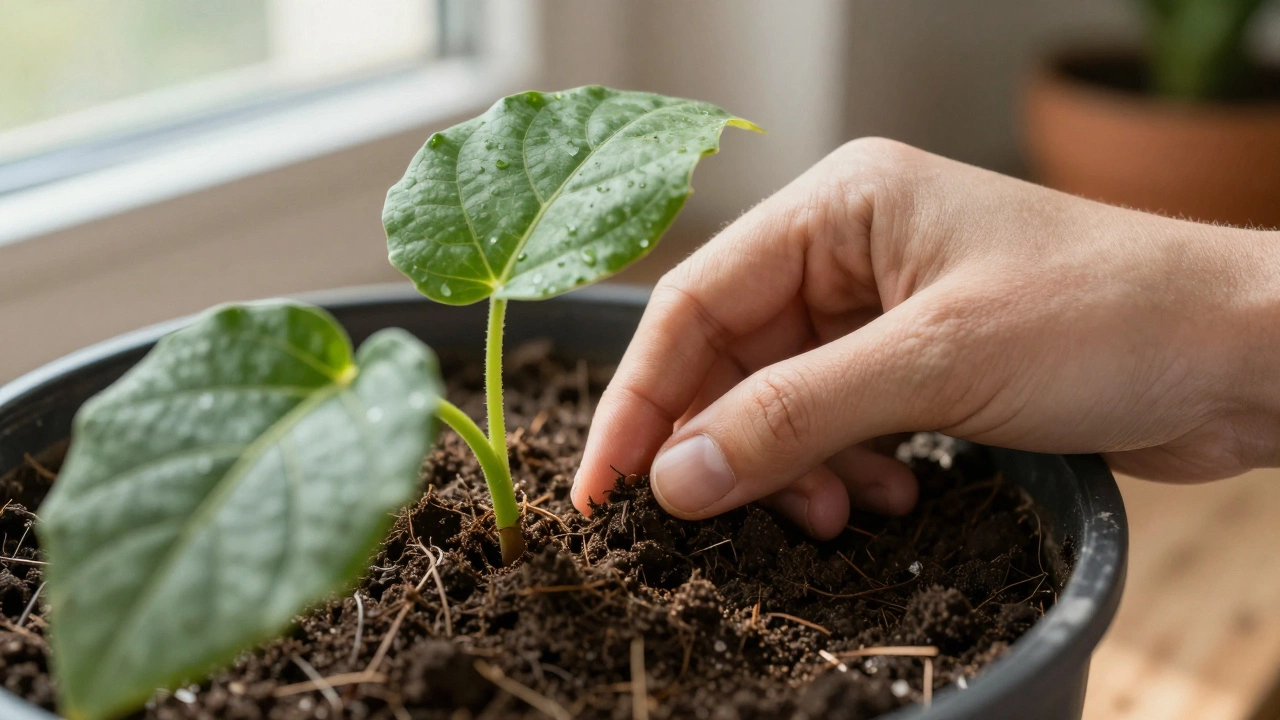
The Most Resilient Flowers for Your Garden: Top Tough Blooms
Discover the most resilient flowers for your garden, including Sedum, Lavender, and Coneflower. Learn how to build a tough, low-maintenance landscape that thrives in heat and drought.
Sustainable Gardening
0
Comments
What Does 'Good at Gardening' Actually Mean? Tips for Sustainable Success
Discover what it really means to be 'good at gardening.' Learn how to move past the 'green thumb' myth using sustainable techniques, soil health, and observation.

Sustainable Gardening
0
Comments
Is Almond Milk Worse for the Environment Than Cow Milk? A 2026 Comparison
Discover the truth about the environmental impact of almond milk vs cow milk. We compare water usage, carbon emissions, and land use to help you choose the sustainable option for 2026.
Sustainable Gardening
0
Comments
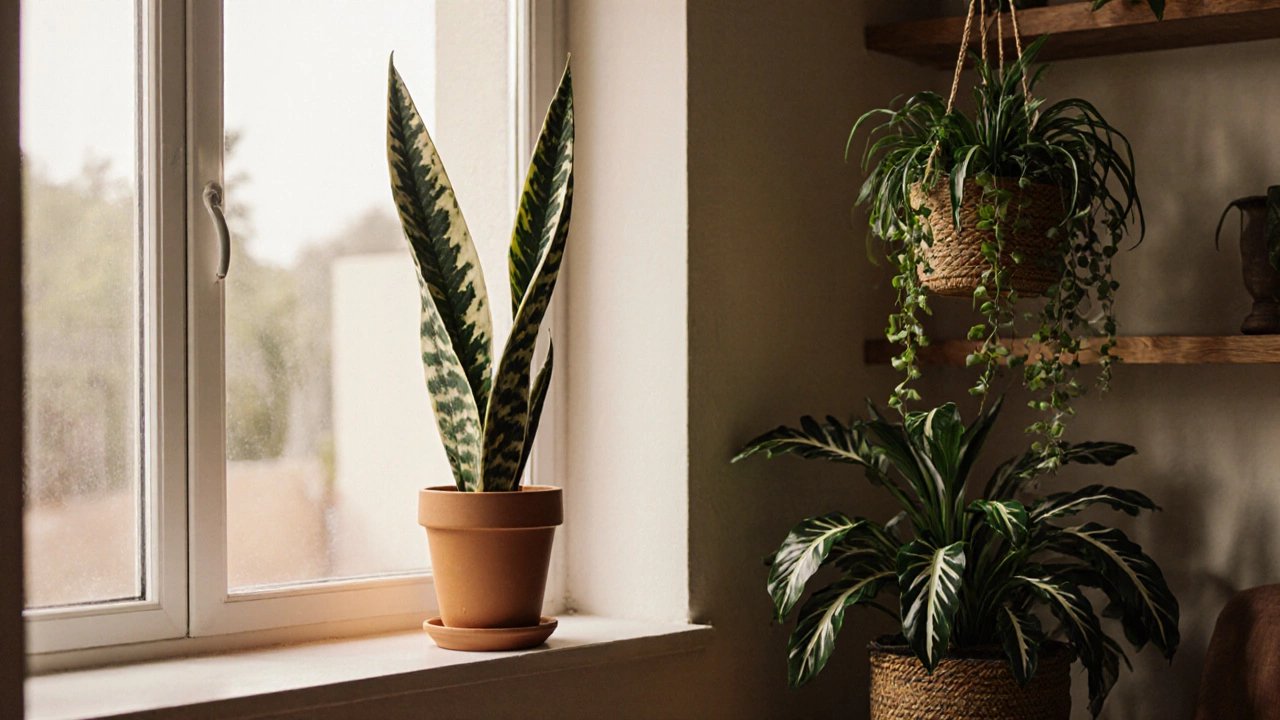
Best Low‑Maintenance Garden Ideas for Sustainable Living
Discover how to design a low maintenance garden that looks great, saves water, and needs minimal upkeep. Learn plant picks, soil tricks, drip irrigation, and a quick checklist for sustainable gardening success.
Sustainable Gardening
0
Comments
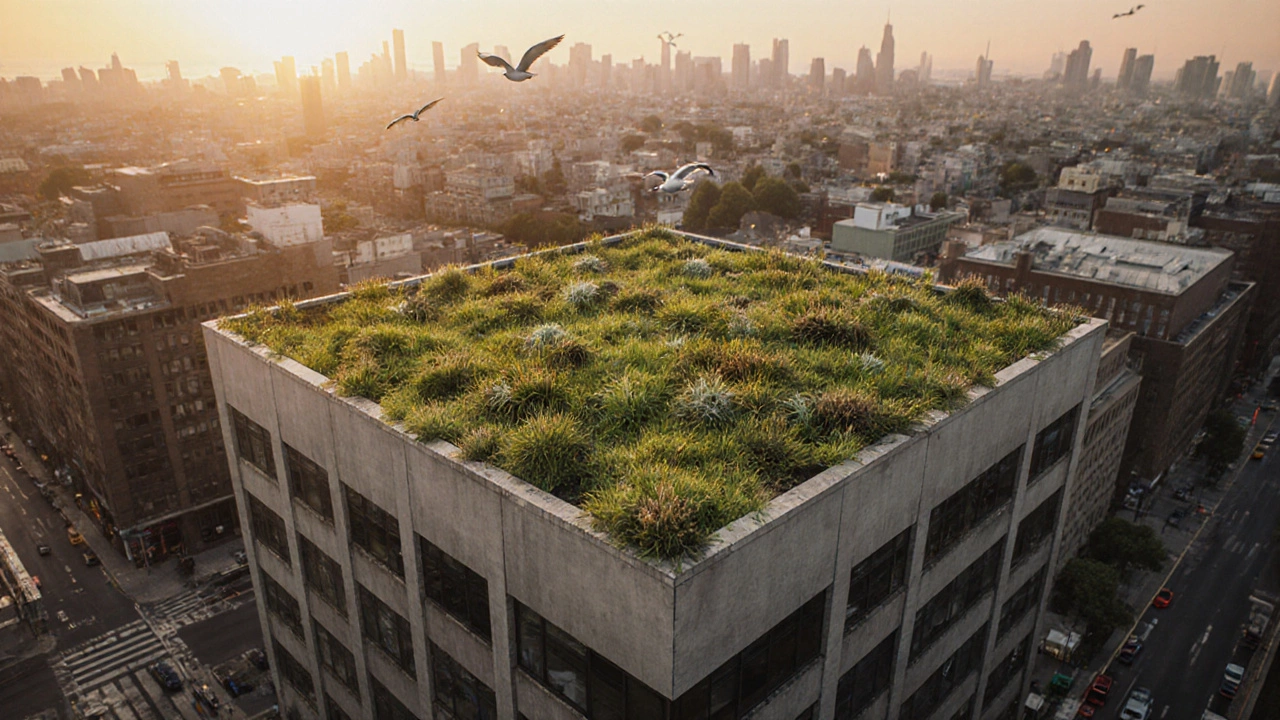
Grandma Plant Explained: Easy‑Care, Sustainable Houseplant Guide
Learn what a grandma plant is, why it's perfect for sustainable indoor gardening, and get a full care guide with tips, propagation, and common problems.
Sustainable Gardening
0
Comments
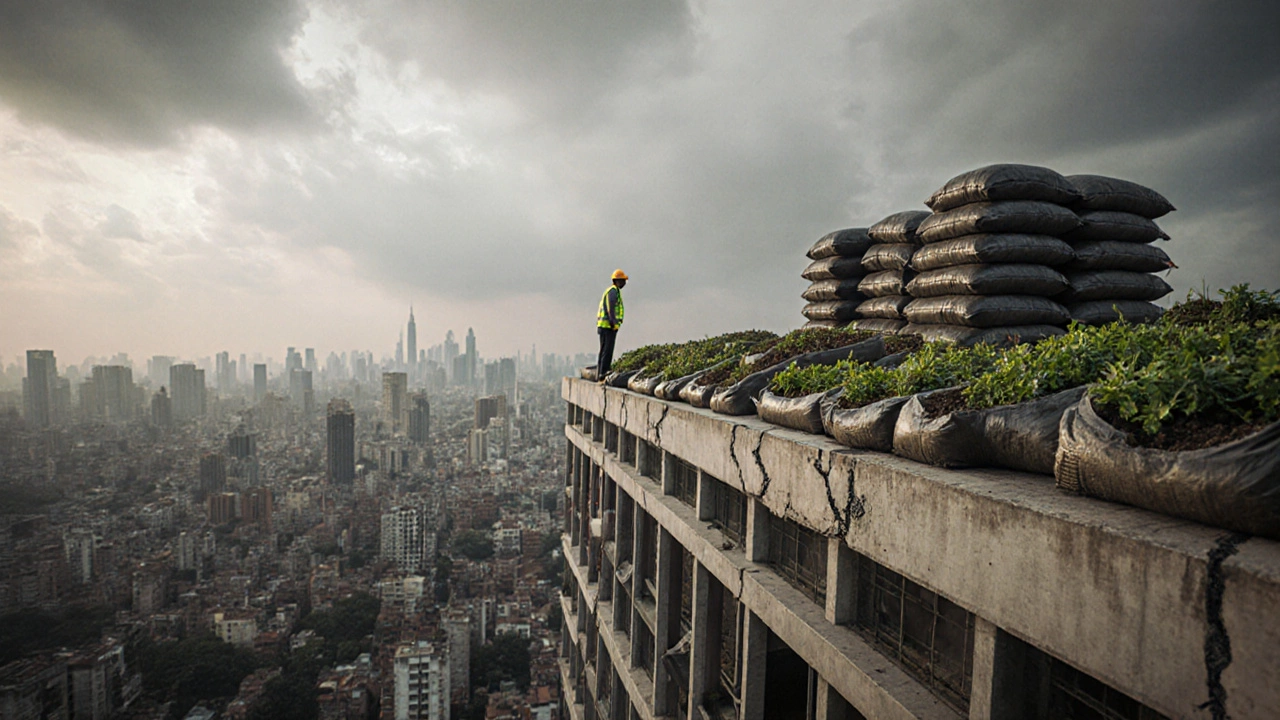
Two Drawbacks of Green Roofs You Should Know
Explore the two main drawbacks of green roofs-extra structural load and ongoing maintenance-plus practical tips to mitigate each issue.
Sustainable Gardening
0
Comments
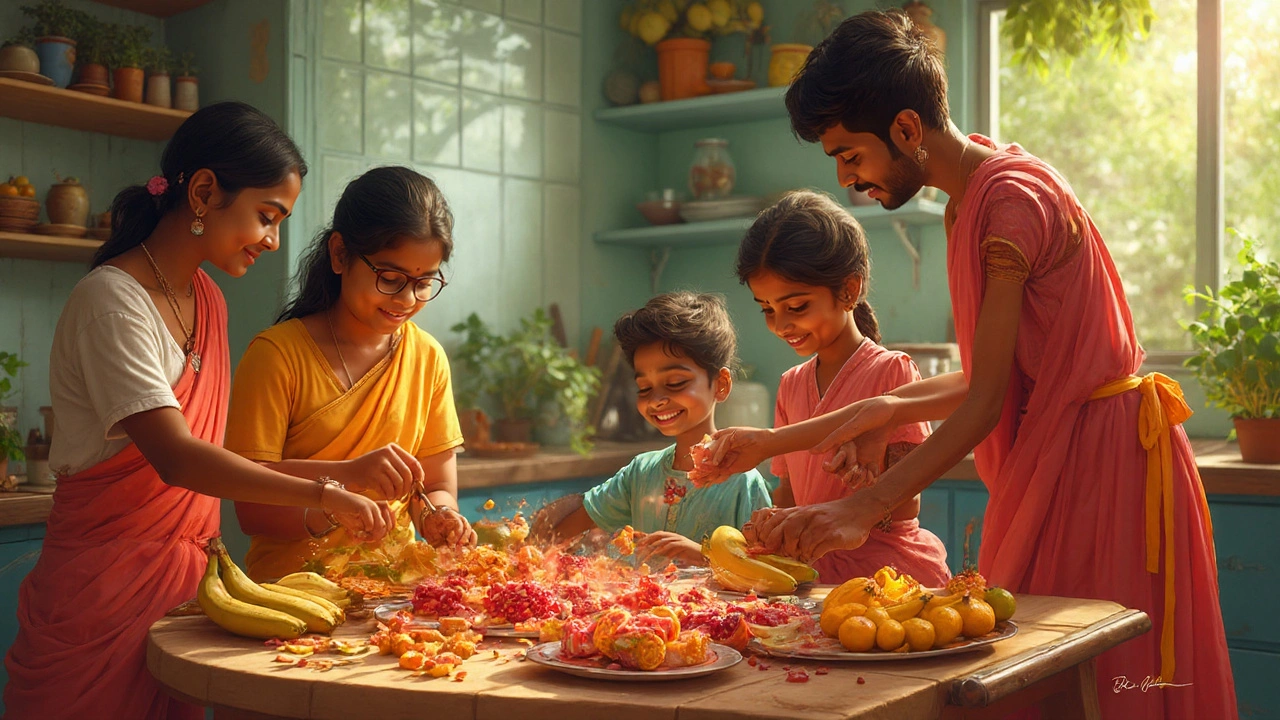
The Hidden Drawbacks of Rooftop Farming
Explore the major drawbacks of rooftop farming, from structural load limits and water leakage to high costs, regulatory hurdles, and microclimate challenges, plus tips to mitigate the risks.
Sustainable Gardening
0
Comments
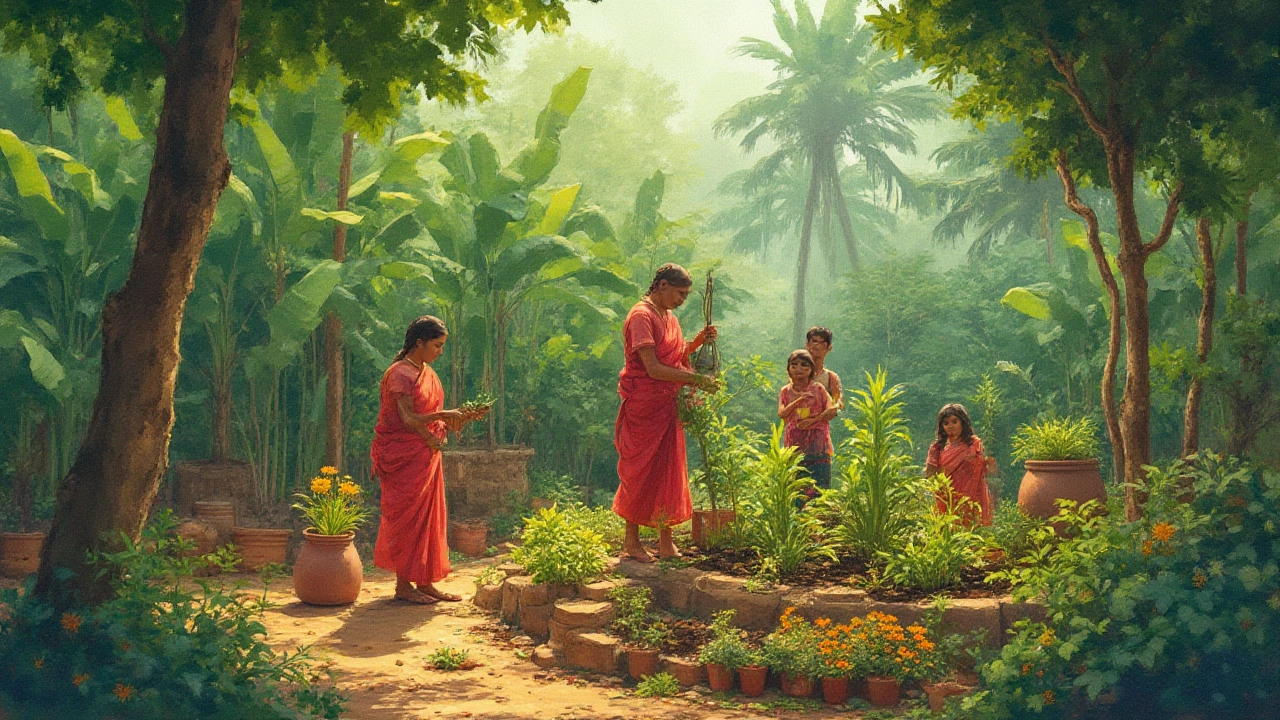
Zero-Waste Fruits: Edible Fruits with No Waste and How to Use Every Part
Discover which fruits produce no waste, how to use every part, expert tips for sustainable eating, and new ways to enjoy fruit peels and seeds you probably throw away.
Sustainable Gardening
0
Comments
Sustainable Gardening: Tips to Make Your Garden Eco-Friendly and Self-Sufficient
Discover practical strategies and facts for boosting your garden’s sustainability. Learn smart water use, composting, native plants, and more for a thriving, eco-friendly garden.
- 1
- 2
- 3
About
Sustainable Gardening
Latest Posts
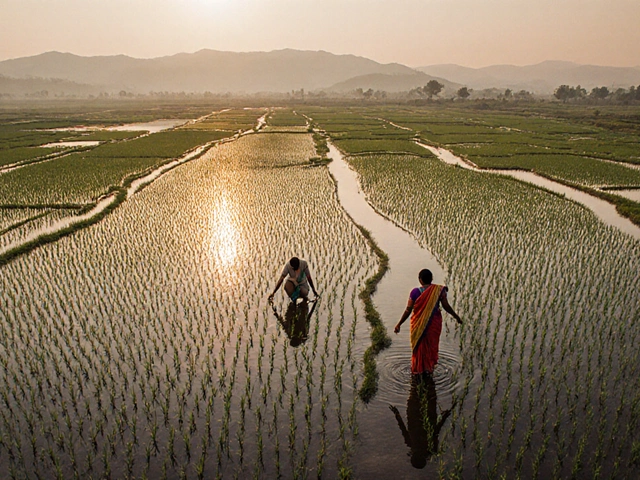
How Many Acres of Rice Are Needed to Feed One Person?
By Alden Thorne Oct 28, 2025
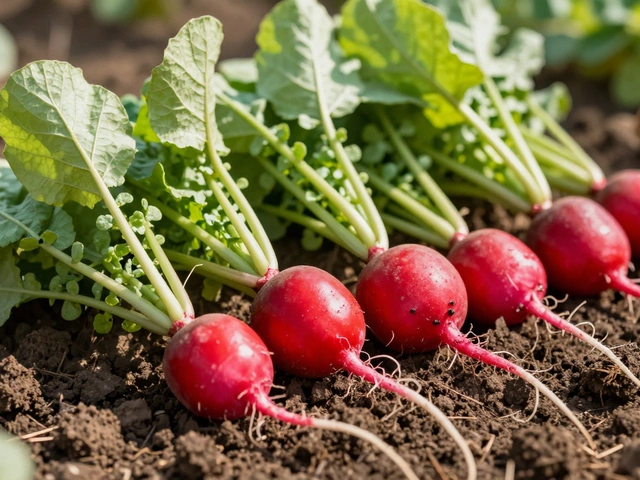
What Plant Grows in 30 Days? Fast-Harvest Vegetables for Indian Gardens
By Alden Thorne Jun 23, 2026
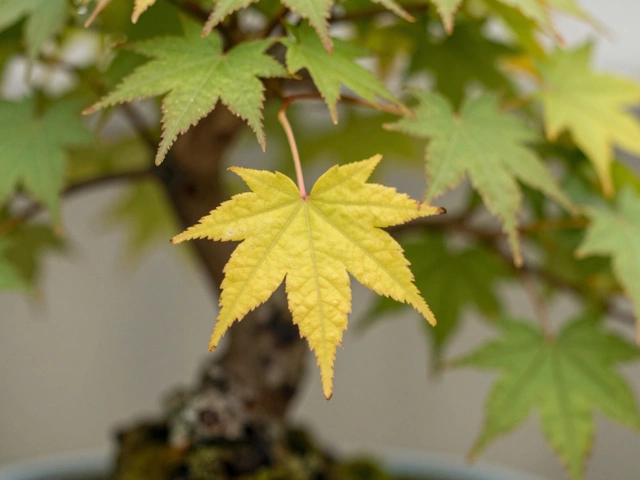
Should You Remove Dead Leaves From Bonsai? A Complete Guide
By Alden Thorne May 15, 2026