Ecological Oasis Planner
Select options below to build your ecosystem.
Walking into a garden that hums with life-birds chirping, bees buzzing, and the scent of native flowers-is a feeling few manicured lawns can replicate. Most people think creating an ecological oasis is a space designed to support local biodiversity while reducing human intervention and resource consumption. It requires years of work or a massive budget. In reality, it starts with small, intentional changes that turn your yard from a sterile patch of grass into a functioning ecosystem. This guide breaks down exactly how to make that shift, focusing on practical steps you can take this season.
Why Native Plants Are the Foundation
The single most impactful change you can make is swapping out non-native ornamentals for native plants adapted to your specific region. In Auckland, New Zealand, this means looking at species like Pōhutukawa, Rātā, or smaller shrubs like Māhoe and Kōwhai. These plants evolved alongside local insects, birds, and fungi over thousands of years. They provide the exact food sources and shelter that local wildlife needs to survive.
Non-native plants often look pretty but offer little ecological value. For example, a standard English Lavender might attract some bees, but it doesn't feed native birds or support the complex web of local pollinators as effectively as a native Grevillea or Coprosma. When you plant natives, you are essentially rebuilding the food chain in your backyard. Start by identifying your hardiness zone and soil type, then select plants that thrive without constant watering or chemical feeding.
Creating Habitat Layers for Wildlife
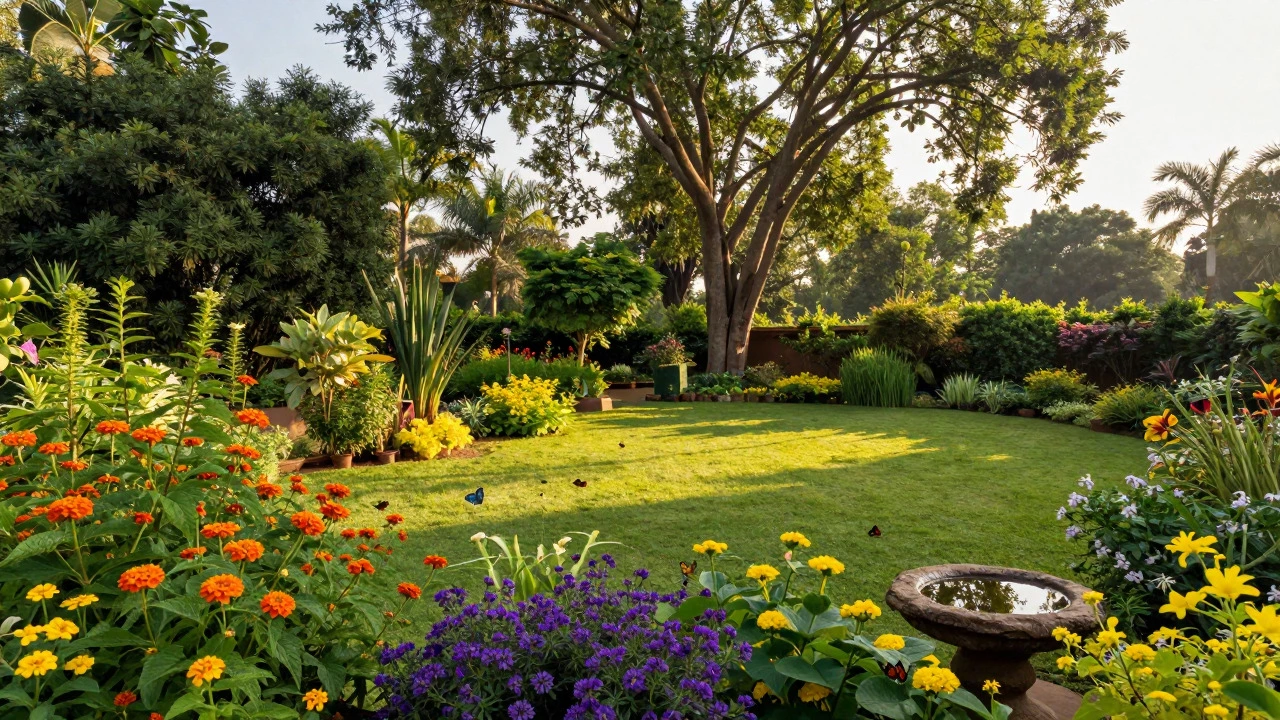
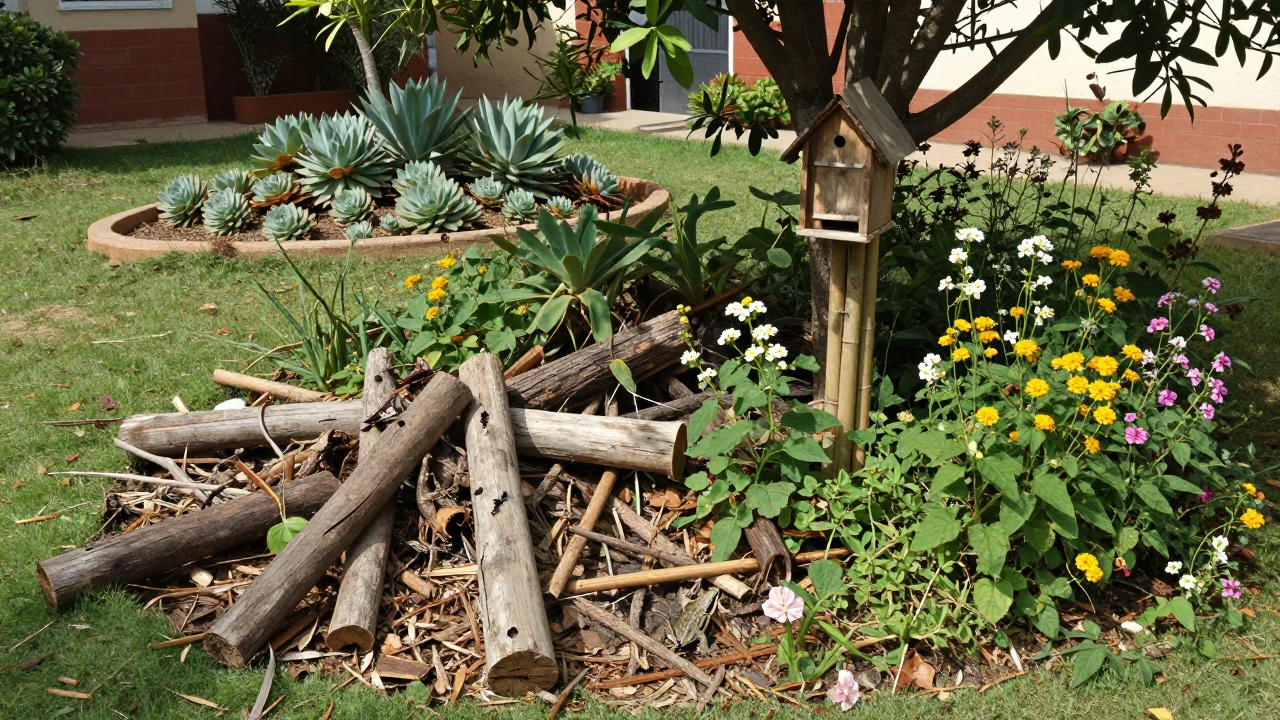
A true ecological oasis isn't just about flowers; it's about structure. You need to create vertical layers that mimic a natural forest. This involves planting trees, shrubs, ground covers, and leaving some areas wild. Birds need different heights for nesting, foraging, and protection from predators. If your yard is flat and open, add a large tree or two to provide canopy cover. Underneath, place dense shrubs where wrens and finches can hide. On the ground, leave patches of leaf litter or install a log pile. This "messy" corner becomes a critical habitat for beetles, spiders, and frogs, which in turn become food for lizards and birds.
- Canopy Layer: Tall trees for perching and nesting (e.g., Kauri, Tōtara).
- Shrub Layer: Mid-height bushes for shelter and berries (e.g., Kōwhai, Pōhutukawa).
- Ground Layer: Low-growing plants and leaf litter for invertebrates.
- Water Source: A simple birdbath or pond for drinking and bathing.
Managing Water Wisely
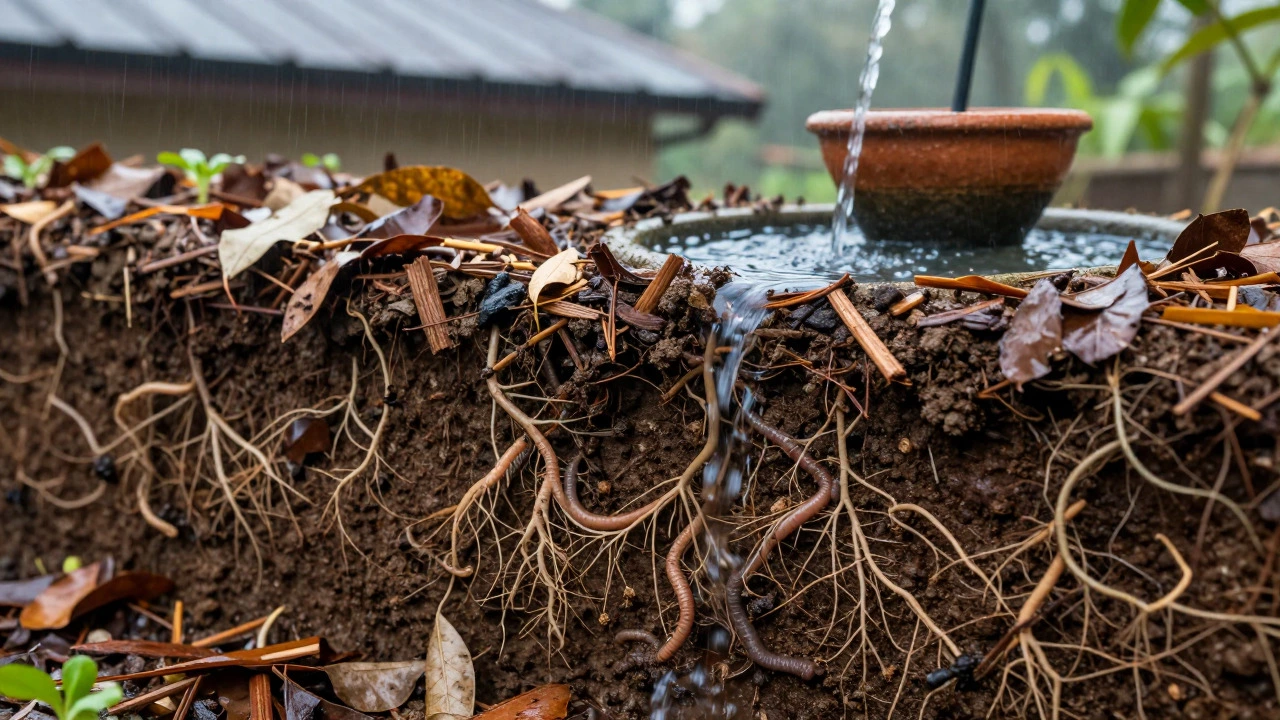
Ecological gardens rely heavily on efficient water use. Instead of running hoses every morning, implement water conservation techniques that work with nature. Mulching is your best friend here. A thick layer of organic mulch around your plants suppresses weeds, retains soil moisture, and feeds the soil as it decomposes. This reduces the need for frequent watering by up to 50% in many cases.
Consider installing a rainwater harvesting system. Even a single 1000L tank connected to your roof gutters can significantly reduce your reliance on municipal water. Use this stored water for your thirsty new native plants during dry spells. Additionally, group plants with similar water needs together. This practice, known as hydrozoning, ensures you aren't wasting water on drought-tolerant succulents while over-watering nearby ferns.
Building Healthy Soil Without Chemicals
Healthy plants grow in healthy soil, and healthy soil is alive. Forget synthetic fertilizers that burn roots and kill beneficial microbes. Focus on building organic matter through composting. Start a compost bin in the corner of your yard. Throw in kitchen scraps, garden waste, and fallen leaves. Over time, this turns into rich, dark compost that you can spread across your garden beds. It improves soil structure, increases water retention, and provides slow-release nutrients.
Also, avoid digging up your soil too much. Disturbing the earth breaks the fungal networks (mycorrhizae) that help plants absorb nutrients. Instead, top-dress with compost and mulch. Let worms and other soil organisms do the mixing for you. This no-dig approach builds long-term fertility and creates a resilient foundation for your ecological oasis.
Attracting Pollinators and Beneficial Insects
You don't need to be a passive observer; you can actively invite helpful creatures into your yard. Plant a variety of flowering species that bloom at different times throughout the year. This ensures there is always a food source available for bees, butterflies, and hoverflies. Avoid using pesticides, even organic ones if possible, as they often harm beneficial insects along with pests. Let aphids exist for a while; ladybugs and lacewings will naturally move in to control them.
Create specific spots for solitary bees, such as hollow stems or drilled blocks of wood placed in sunny locations. These insects are crucial pollinators and generally stinging only when threatened. By supporting them, you increase the fruit set of any vegetable plants you might have and ensure the health of your native flora.
| Aspect | Conventional Garden | Ecological Oasis |
|---|---|---|
| Plant Selection | Ornamental, often non-native | Native, diverse, layered |
| Water Usage | High, frequent irrigation | Low, rainwater/mulch dependent |
| Soil Management | Synthetic fertilizers | Compost, mulch, no-dig |
| Pest Control | Chemical sprays | Biological control, diversity |
| Wildlife Value | Low | High (food, shelter, breeding) |
Common Mistakes to Avoid
One major mistake is trying to transform the entire yard overnight. This leads to burnout and financial strain. Start with one bed or one corner. Get it right, watch it develop, and then expand. Another error is removing all dead wood or leaf litter. While it looks tidy, it removes essential habitat. Keep a designated "wild