Plant Success Predictor & Guide
Enter your environment details to see if your chosen plant will thrive or if you should consider a native alternative.
Select a plant and configure your environment to see the analysis.
Key Takeaways
- The idiom "good at gardening" usually refers to having a "green thumb," meaning a natural talent for making plants grow.
- Real gardening success comes from observing nature and applying sustainable gardening principles.
- Focusing on soil health and biodiversity is more effective than using chemical quick-fixes.
- Patience and trial-and-error are the most valuable tools in any gardener's kit.
The Truth Behind the "Green Thumb"
When we say someone is good at gardening, we are usually using a shorthand for a set of learned behaviors. For instance, a person with a "green thumb" isn't actually born with a different set of DNA. Instead, they've usually spent years noticing the small signs that a plant is stressed-like a slight curl in a leaf or a change in color-and adjusting their care before the plant dies. This is essentially a form of pattern recognition.
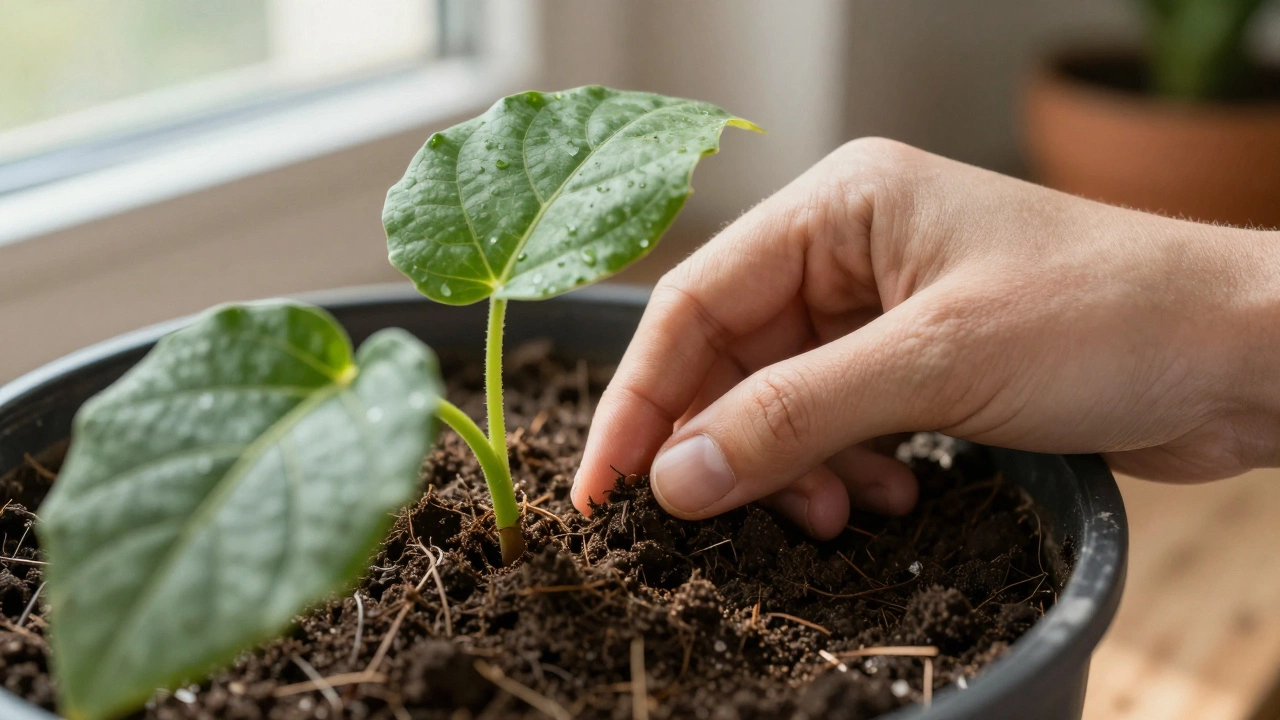
Most of the time, these "naturals" are simply better at observation. They don't just water a plant because it's Tuesday; they stick their finger in the dirt to see if it's actually dry. They don't just plant a flower because it looks pretty; they check if it needs six hours of direct sunlight or a shaded corner. The "idiom" is a way of describing an intuitive understanding of botany that anyone can develop with a bit of curiosity.
Building a Sustainable Foundation
To move from a beginner to someone who is truly "good" at this, you have to stop fighting nature and start working with it. This is where sustainable gardening comes into play. Instead of relying on synthetic fertilizers that provide a temporary burst of growth but strip the soil of long-term nutrients, a skilled gardener focuses on the ecosystem.
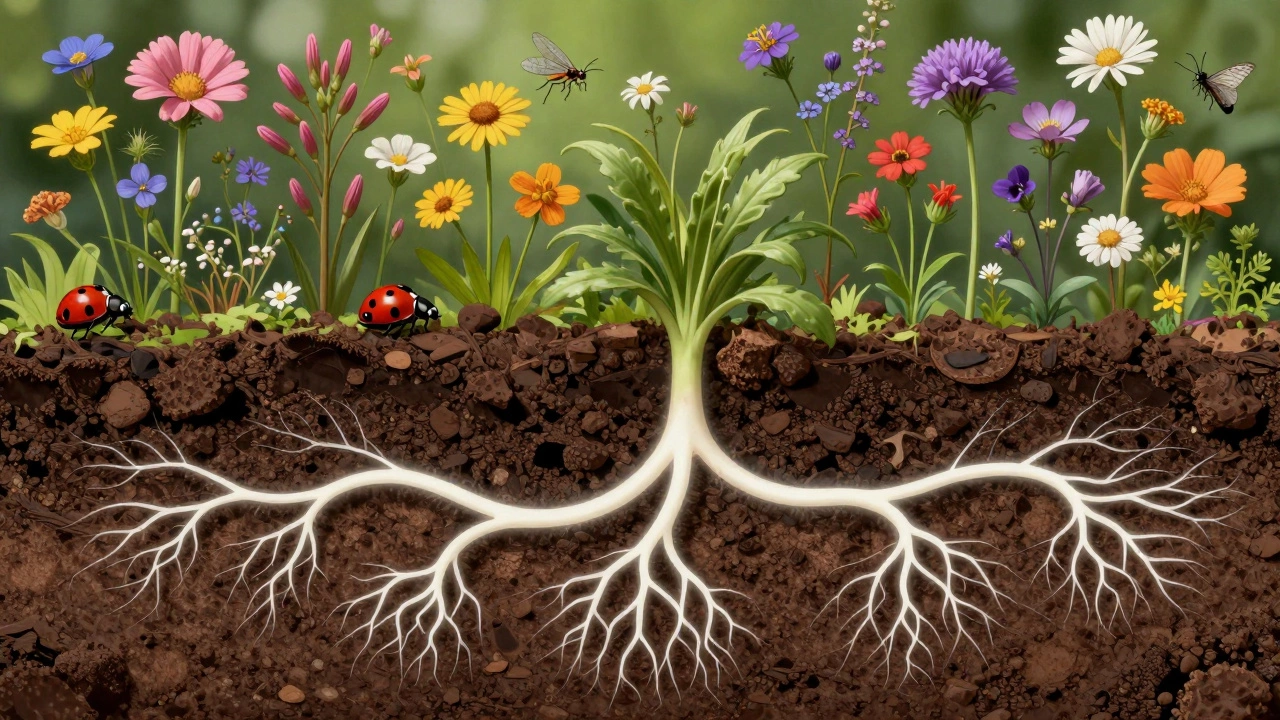
One of the biggest shifts is moving away from the idea of "killing pests" and toward "managing balance." In a sterile garden, one aphid can lead to an infestation because there are no predators. In a sustainable garden, you plant flowers that attract beneficial insects, such as ladybugs and lacewings, which do the pest control for you. This reduces your workload and keeps the environment healthy.
| Feature | Traditional Approach | Sustainable Approach |
|---|---|---|
| Soil Nutrition | Synthetic NPK Fertilizers | Composting and Mulching |
| Pest Control | Chemical Pesticides | Integrated Pest Management (IPM) |
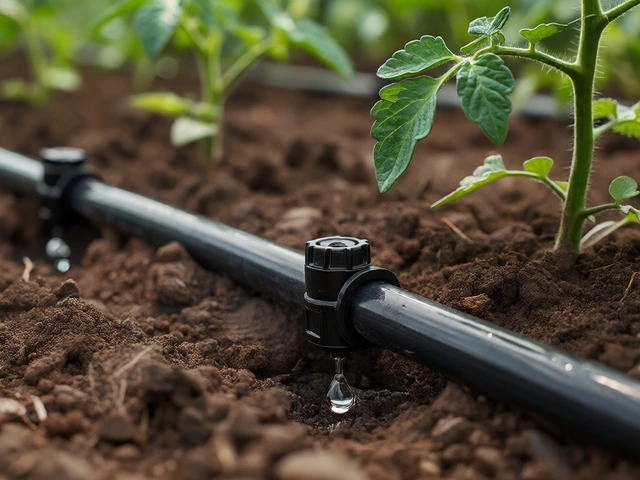
| Watering | Scheduled Overhead Spraying | Drip Irrigation & Rain Barrels |
| Plant Selection | Exotic/Ornamental Species | Native Plants |
Mastering the Art of Soil Health
If you want to be known as someone who is good at gardening, start with the dirt. Many people make the mistake of focusing entirely on the plant, but the plant is just the visible part of the system. The real magic happens in the rhizosphere-the area of soil immediately surrounding plant roots.
Healthy soil is a living community of bacteria, fungi, and minerals. When you use heavy chemicals, you kill the mycorrhizal fungi that help roots absorb phosphorus and water. To build a high-performing garden, try a "no-dig" approach. Instead of tilling the earth and disrupting the soil structure, layer organic matter on top. This mimics how a forest floor works, allowing worms to do the tilling for you while preserving the carbon stored in the ground.
A great rule of thumb: if your soil looks like a dark, crumbly chocolate cake, you're doing it right. If it's hard, pale, or sandy, it needs more organic material. Adding composted kitchen scraps or leaf mold transforms the soil's ability to hold water, which means you spend less time watering and more time enjoying the harvest.
Choosing the Right Plants for Your Space
A common reason people feel they aren't "good" at gardening is that they try to grow the wrong thing in the wrong place. You can't force a sun-loving lavender plant to thrive in a damp, shady corner of a north-facing yard. Success starts with a realistic assessment of your hardiness zone-the geographic area that defines which plants can survive the local winter temperatures.
Native plants are the "cheat code" for gardening. Because they evolved in your specific region, they are already adapted to the local rainfall and soil pH. They require significantly less water and are more resistant to local diseases. For example, if you live in a dry climate, planting a native drought-tolerant shrub is far easier than trying to keep a thirsty tropical fern alive through a heatwave. When you align your plant choices with your environment, you suddenly seem like an expert without having to work twice as hard.
Watering Wisdom and Common Pitfalls
Overwatering is the number one cause of plant death for beginners. It's a paradox: people kill plants with kindness. When you water too often, you drown the roots, depriving them of oxygen and inviting root rot. To avoid this, stop watering on a schedule. Instead, use the "knuckle test"-push your finger into the soil up to the second knuckle. If it feels moist, leave it alone. If it's dry, give it a deep soak.
Deep watering is far better than frequent shallow watering. Shallow watering encourages roots to stay near the surface, making the plant vulnerable to drought. A deep soak encourages roots to dive further into the earth, creating a more resilient plant. Using mulch-like straw, wood chips, or shredded leaves-on top of the soil helps lock that moisture in and prevents weeds from taking over, further simplifying your maintenance.
The Psychology of the Patient Gardener
The final piece of the puzzle is accepting failure. Every master gardener has a "graveyard" of plants they've killed. The difference is that they don't see a dead plant as a sign that they aren't "good at gardening"; they see it as a data point. Was it too much sun? Too little nitrogen? Did a specific pest move in?
Gardening is a slow conversation with nature. You plant something, you observe, you tweak, and you wait. This slow pace is actually part of the appeal. In a world of instant gratification, watching a seed turn into a tomato plant over several months provides a unique kind of satisfaction. The "green thumb" is really just a synonym for persistence and a willingness to learn from mistakes.
Is it possible to learn how to be good at gardening if I have a "black thumb"?
Absolutely. A "black thumb" usually just means you haven't learned how to read a plant's needs yet. Start with "unkillable" plants like Pothos or Snake Plants indoors, or native succulents outdoors. Focus on learning one thing at a time-like how to tell when soil is dry-and your confidence will grow along with your plants.
What is the fastest way to improve my soil quality?
The most effective way is adding organic compost. Whether you make your own via a compost bin or buy high-quality organic compost, mixing this into your topsoil adds essential nutrients and improves the soil structure. Mulching the surface also prevents erosion and feeds the soil as it breaks down.
Do I need expensive tools to be successful?
Not at all. You only need a few basics: a sturdy trowel, a pair of pruning shears, and a watering can or hose. The most important "tool" is actually your power of observation. Most high-end gadgets are luxuries; the results come from how you manage the soil and water, not from the brand of your shovel.
How often should I actually water my plants?
There is no set schedule because every environment is different. A plant in a windy spot will dry out faster than one in a humid corner. Always check the soil moisture manually. Water deeply but less frequently to encourage strong root growth, and always water at the base of the plant to avoid fungal issues on the leaves.
What are native plants and why are they better?
Native plants are species that occur naturally in your specific region without human intervention. They are better because they have evolved to survive your local climate and soil without needing excessive chemical fertilizers or constant watering. They also provide the best habitat and food for local pollinators like bees and butterflies.
Next Steps for Your Garden
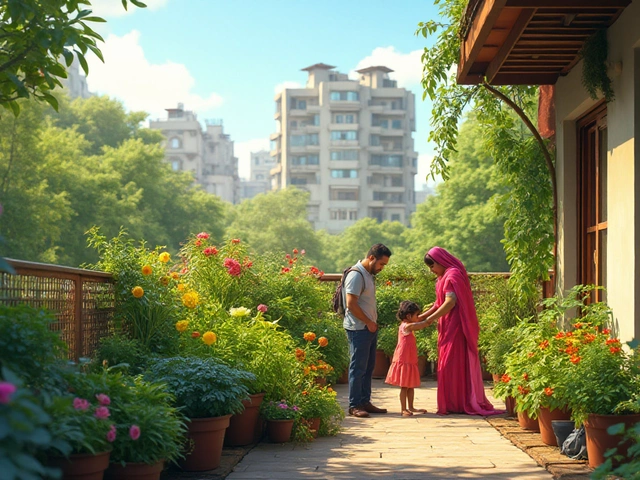
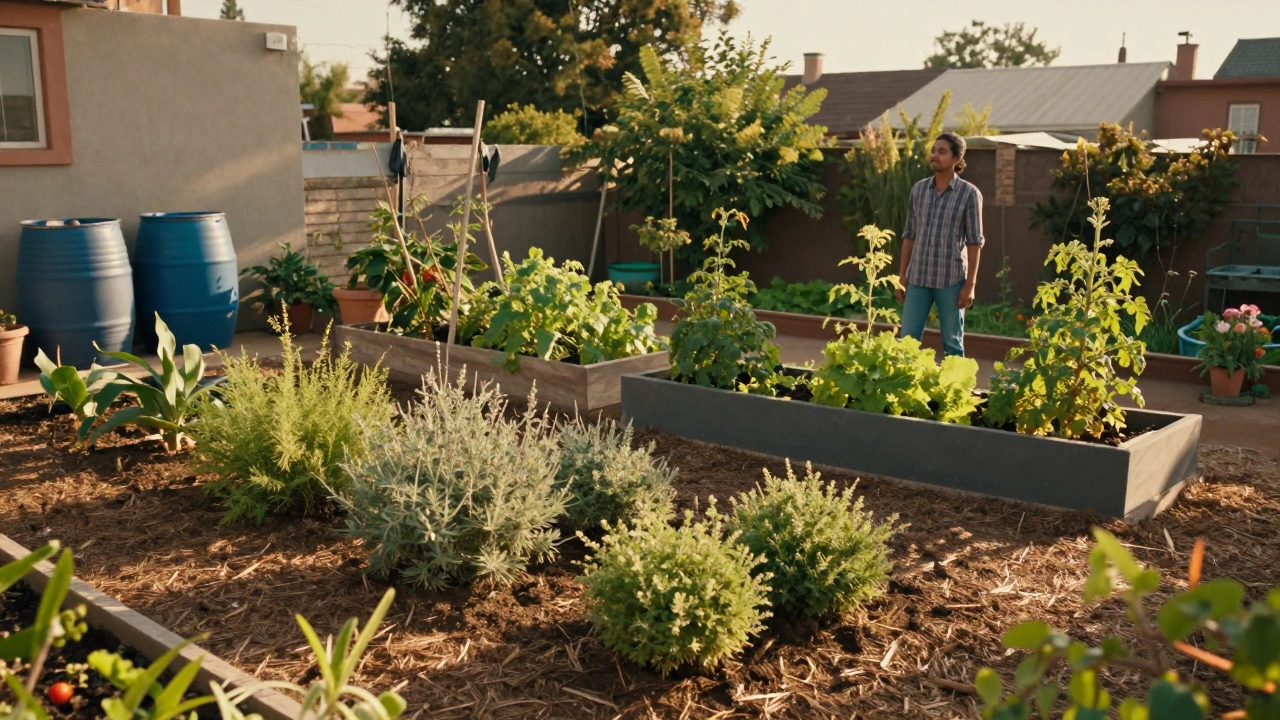
If you're feeling overwhelmed, don't try to transform your entire yard overnight. Start with one small area-maybe a single raised bed or a few pots on a balcony. Focus on getting the soil right first, pick three plants that are known to thrive in your hardiness zone, and spend ten minutes a day just looking at them. Notice where the shadows fall at 2 PM and where the water pools after a rain. Once you master a small space, you can expand. The goal isn't perfection; it's a sustainable relationship with the earth that brings you joy and a bit of fresh produce.