Indian Garden 30-Day Harvest Planner
Imagine planting a seed today and eating it as part of your dinner next month. It sounds like magic, but for gardeners in India, a country with diverse climates ranging from the humid coasts to the dry north, this is actually quite possible. If you are looking for what plant grows in 30 days, you are likely seeking immediate gratification or a quick boost for your kitchen garden. You don't need acres of land or years of experience. You just need to know which seeds hit the ground running.
The secret lies in choosing crops that prioritize leafy growth over heavy root or fruit development. While a tomato plant might take three months to give you its first red fruit, certain greens and roots are ready to pull up from the soil in just four weeks. This guide breaks down exactly which plants fit this tight timeline, how to grow them specifically in Indian conditions, and how to keep pests away during those crucial early weeks.
The Top Contenders: What Actually Harvests in 4 Weeks?
Not every vegetable labeled "fast-growing" will truly be ready in 30 days. Some require specific temperature drops to bolt, while others need longer periods to reach edible size. Here are the most reliable options that consistently meet the 30-day mark when grown correctly.
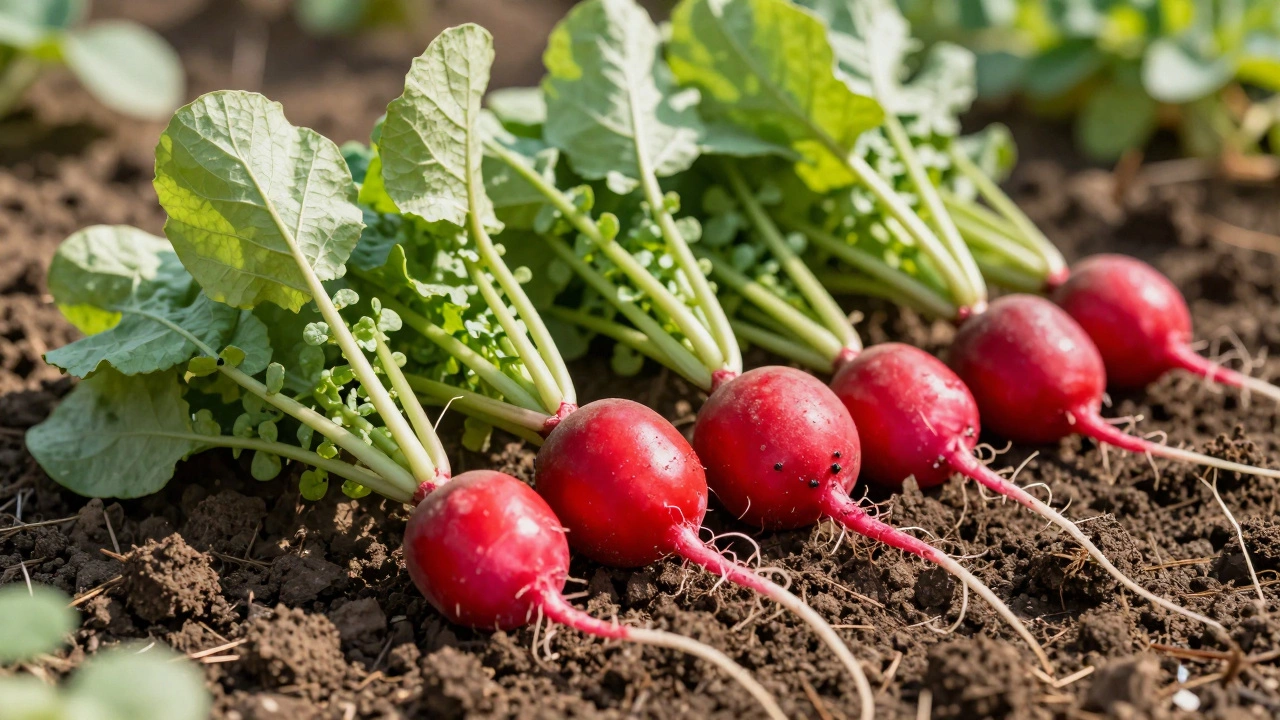
- Radish (Mooli): Specifically the small, round varieties like Cherry Belle or Daikon types suited for local markets. They develop their crunchy roots rapidly.
- Spinach (Palak): Young leaves can be harvested individually starting from day 25-30.
- Amaranth (Chaulai): A nutritional powerhouse that shoots up incredibly fast in warm weather.
- Mustard Greens (Sarson): Peppery and tender, these are perfect for quick stir-fries.
- Coriander (Dhaniya): While full bunches take longer, baby coriander leaves are usable within a month if thinned properly.
Among these, radish is often the champion of speed. Its primary job is to swell its taproot, a process that happens explosively once the seed germinates. Spinach and amaranth focus on foliage, allowing you to practice "cut-and-come-again" harvesting where you pick outer leaves and let the center continue growing.
Understanding the Indian Climate Factor
Growing fast isn't just about the seed; it's about the environment. India’s climate varies wildly, and this affects germination rates significantly. In the northern states like Punjab and Delhi, winters allow for cool-season crops like spinach and radish to thrive without bolting (going to seed prematurely) due to heat stress. Conversely, in southern states like Tamil Nadu or Kerala, the humidity and heat can accelerate growth but also invite fungal issues.
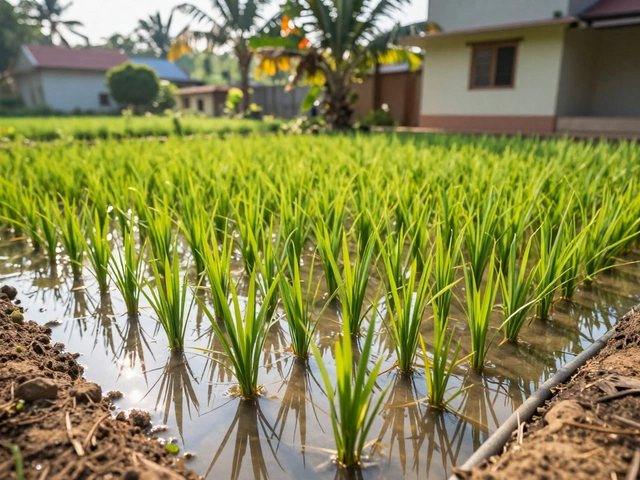
If you live in a tropical zone, avoid sowing heavy leafy greens during the peak monsoon unless you have excellent drainage. Waterlogged soil kills young roots instantly. Instead, opt for amaranth or sweet potato vines, which love moisture and heat. For those in arid regions like Rajasthan, mulching is non-negotiable to retain the moisture needed for rapid cell expansion in young plants.
| Plant Name | Days to Harvest | Best Season | Space Required | Key Nutrient |
|---|---|---|---|---|
| Radish (Small) | 25-30 days | Winter/Cool Summer | Very Low (1-2 inches apart) | Vitamin C |
| Spinach (Baby Leaves) | 30-35 days | Winter | Low (6 inches between rows) | Iron |
| Amaranth (Chaulai) | 25-30 days | Summer/Monsoon | Medium (8 inches apart) | Calcium |
| Mustard Greens | 30-40 days | Winter | Medium (6-8 inches apart) | Antioxidants |
| Coriander (Baby) | 30 days | Winter | Low (Broadcast sow) | Vitamin K |
Step-by-Step Guide to 30-Day Success
To achieve a harvest in exactly 30 days, you cannot afford delays at any stage. Germination must happen quickly, and growth must be uninterrupted. Follow this streamlined process.
- Soil Preparation: Use loose, well-draining soil. Compacted earth slows root penetration, especially for radishes. Mix compost into the top 6 inches of soil to provide immediate nutrients.
- Seed Selection: Buy fresh seeds. Old seeds have lower germination rates. Look for varieties labeled "early" or "baby."
- Sowing Depth: Do not bury seeds too deep. Radish seeds should be covered by only 1/2 inch of soil. Leafy greens like spinach can be surface-sown and lightly pressed in.
- Watering Consistency: Keep the soil moist, not soggy. Dry spells stop growth completely. In hot Indian summers, water twice a day-early morning and late evening-to prevent evaporation.
- Thinning: This is the most critical step. Once seedlings have two true leaves, thin them out. Crowded plants compete for light and nutrients, stunting growth. Give each plant enough space to breathe.
- Fertilization: Apply a balanced liquid fertilizer one week after germination. Nitrogen promotes leafy growth, which is exactly what you want for greens.
Common Pitfalls That Delay Harvest
Even with the right seeds, things can go wrong. Identifying these issues early saves your crop.
Bolting: If your spinach or radish starts flowering before it reaches harvest size, it has bolted. This is usually caused by high temperatures or long daylight hours. The taste becomes bitter, and the texture tough. To prevent this, choose heat-tolerant varieties or grow under partial shade nets during intense summer months.
Pest Attacks: Aphids and flea beetles love tender young leaves. A sudden infestation can decimate a crop in days. Inspect the undersides of leaves daily. If you see pests, spray a mild neem oil solution immediately. Neem is widely available in India and acts as both a repellent and a fungicide.
Poor Drainage: Roots rot if they sit in water. Ensure your garden bed or container has drainage holes. Raised beds are excellent for preventing waterlogging during unexpected rain showers.
Container vs. Ground Growing
You do not need a backyard to grow these fast crops. Balconies and terraces are perfect for 30-day gardens. Containers offer better control over soil quality and watering. Use pots that are at least 6-8 inches deep for radishes and 12 inches deep for leafy greens.
When growing in containers, the soil dries out faster than in the ground. Check moisture levels daily by sticking your finger an inch into the soil. If it feels dry, water immediately. Container-grown plants may mature slightly faster because the soil warms up quicker in the sun, stimulating root activity.
Maximizing Yield with Succession Planting
Why wait for one batch to finish? Succession planting allows you to harvest continuously. Sow a new row of seeds every week. By the time your first batch of radishes is ready at day 30, your second batch will be halfway there. This method ensures you always have fresh greens on hand and prevents overwhelming yourself with a single large harvest.
This technique works best for leafy greens like spinach and amaranth. For root vegetables like radish, ensure you have enough horizontal space to accommodate multiple staggered plantings.
Nutritional Benefits of Quick Greens
Fast-growing plants are not just convenient; they are nutrient-dense. Baby leaves often contain higher concentrations of vitamins than mature plants. For example, baby spinach has more vitamin K per gram than mature spinach. Amaranth leaves are rich in calcium and iron, making them a valuable addition to vegetarian diets common in many parts of India.
Incorporating these greens into your daily meals supports overall health. They are low in calories but high in fiber, aiding digestion. Since they grow quickly, you can consume them at their peak freshness, preserving maximum nutritional value compared to store-bought produce that travels long distances.
Can I grow tomatoes in 30 days?
No, tomatoes typically take 60-80 days from seed to harvest. Even cherry tomatoes, the fastest variety, usually require at least 50-60 days. For a 30-day harvest, stick to leafy greens and small root vegetables like radishes.
Which season is best for fast-growing plants in India?
Winter (October to February) is ideal for cool-season crops like spinach, radish, and mustard greens. Summer is better for heat-tolerant varieties like amaranth and sweet potato vines. Monsoon requires careful drainage management.
Do I need special soil for 30-day crops?
You need loose, well-draining soil rich in organic matter. Heavy clay soils slow down root growth. Mixing compost or cow manure into your existing soil improves texture and provides essential nutrients for rapid growth.
How much sunlight do these plants need?
Most fast-growing greens need 4-6 hours of direct sunlight daily. However, in very hot climates, partial afternoon shade can prevent bolting and keep leaves tender. Morning sun is preferable to harsh afternoon heat.
Can I grow these plants indoors?
Yes, provided they receive adequate light. Place containers near a south-facing window or use grow lights. Indoor environments protect plants from pests but require more attentive watering since indoor air can be dry.