Flower Gardening in India: What Grows, When, and How to Keep It Thriving
India’s climate is a playground for flower lovers, but figuring out the right plant for the right time can feel like a guessing game. The good news? Most of the answers are right on your doorstep. Below are the simple steps you can follow today to turn your garden into a color‑packed oasis.
Know Your Bloom Seasons
First thing’s first – learn when the major flower groups hit their peak. In the north, winter (October to February) brings a surge of marigolds, chrysanthemums, and roses. The monsoon (June to September) is perfect for hibiscus, jasmine, and water‑loving lotuses. In the south, the cooler months (November to February) favor bougainvillea and petunias, while the hot summer (March to May) is ideal for sun‑tolerant gerberas and lantanas. By matching plants to their natural season, you’ll see fewer wilted stems and more lasting blooms.
Pick the Right Flowers for Your Space
Got a tiny balcony? Go for compact varieties like petunias, marigolds, or dwarf roses. A larger yard can handle fast‑growing trees such as the gulmohar or the speedy flowering Indian cinchona. If you love low‑maintenance, Bougainvillea is a champion – it loves the heat, drinks very little water, and keeps blooming all year. For a splash of traditional charm, plant sacred lotus in a pond or large container; it not only looks stunning but also carries cultural significance.
When you’re unsure, start with a “starter pack” of three easy‑care flowers: marigold (the most popular Indian flower), geranium, and zinnia. They tolerate a range of soils, need modest watering, and give you a quick burst of color.
Now, let’s talk soil and water. Indian soils vary from sandy in the desert regions to clayey in the plains. A quick test: take a handful of soil, add water, and watch how fast it drains. If it pools, add coarse sand or compost to improve aeration. For most flower beds, a mix of garden soil, compost, and a bit of sand works wonders.
Watering is where many gardeners slip up. The rule of thumb is “deep and infrequent.” Instead of a light sprinkle every day, give each plant a good soak once the top 2‑3 cm of soil feels dry. Morning is the best time – it lets leaves dry before night, reducing fungal problems.
Feeding your flowers doesn’t need a chemistry degree. A balanced N‑P‑K (10‑10‑10) fertilizer applied once a month during the growing season keeps plants strong. For a natural boost, sprinkle shredded neem leaves or cow manure around the base – both are readily available in Indian markets.
Pest control is another common headache. The easiest defense is regular inspection. Spot a few aphids? A strong spray of water often washes them away. For stubborn pests, a homemade neem oil spray (mix 2 ml neem oil with 1 L water) works fast and is safe for kids and pets.
Finally, plan for continuous color. Stagger planting so that as one variety finishes its bloom, another starts. For example, plant early‑blooming marigolds in October, follow with roses in November, and add hibiscus in June. This rotation ensures your garden looks lively all year round.
Flower gardening in India is less about exotic tricks and more about respecting the local climate, picking the right plants, and giving them consistent care. Start small, watch the seasons, and soon you’ll have a garden that not only looks beautiful but also feels like a personal piece of India’s vibrant floral heritage.
Flower Gardening
0
Comments
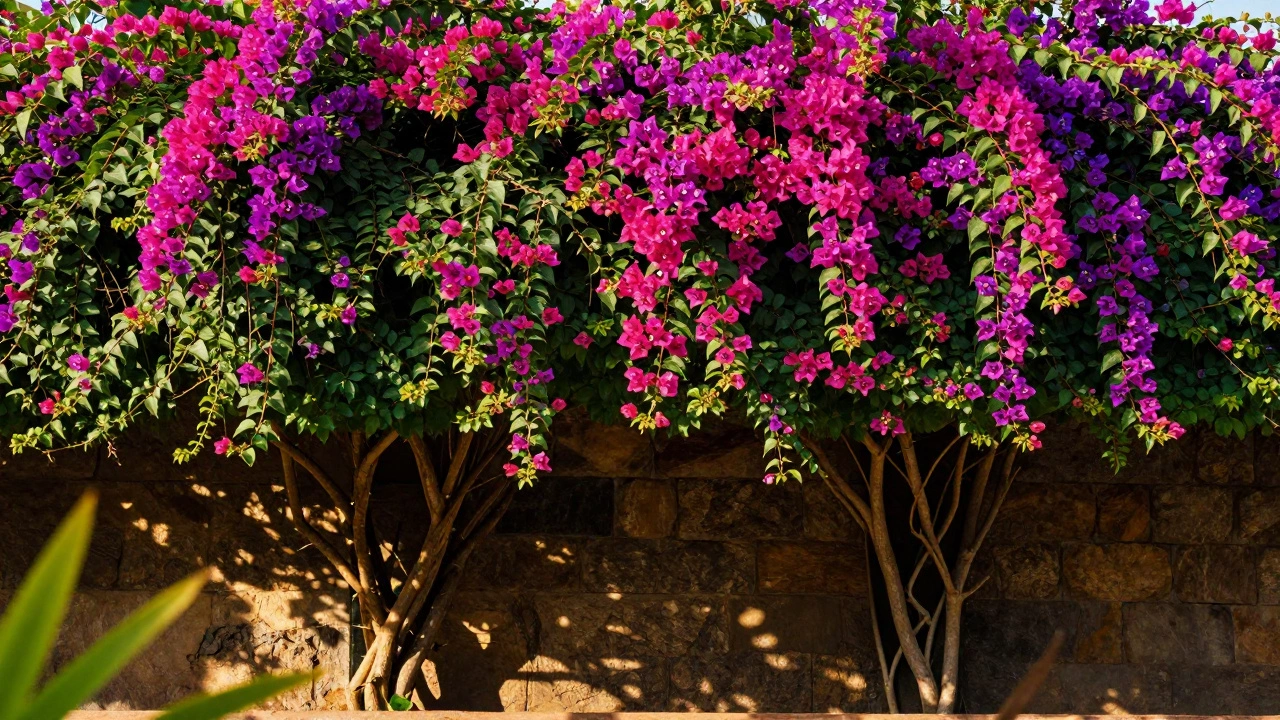
What Is the Longest Lasting Blooming Plant? Top Picks for India
Discover the longest lasting blooming plants for Indian gardens. From Bougainvillea to Hibiscus, learn which flowers bloom year-round and how to keep them flowering.
Flower Gardening
0
Comments
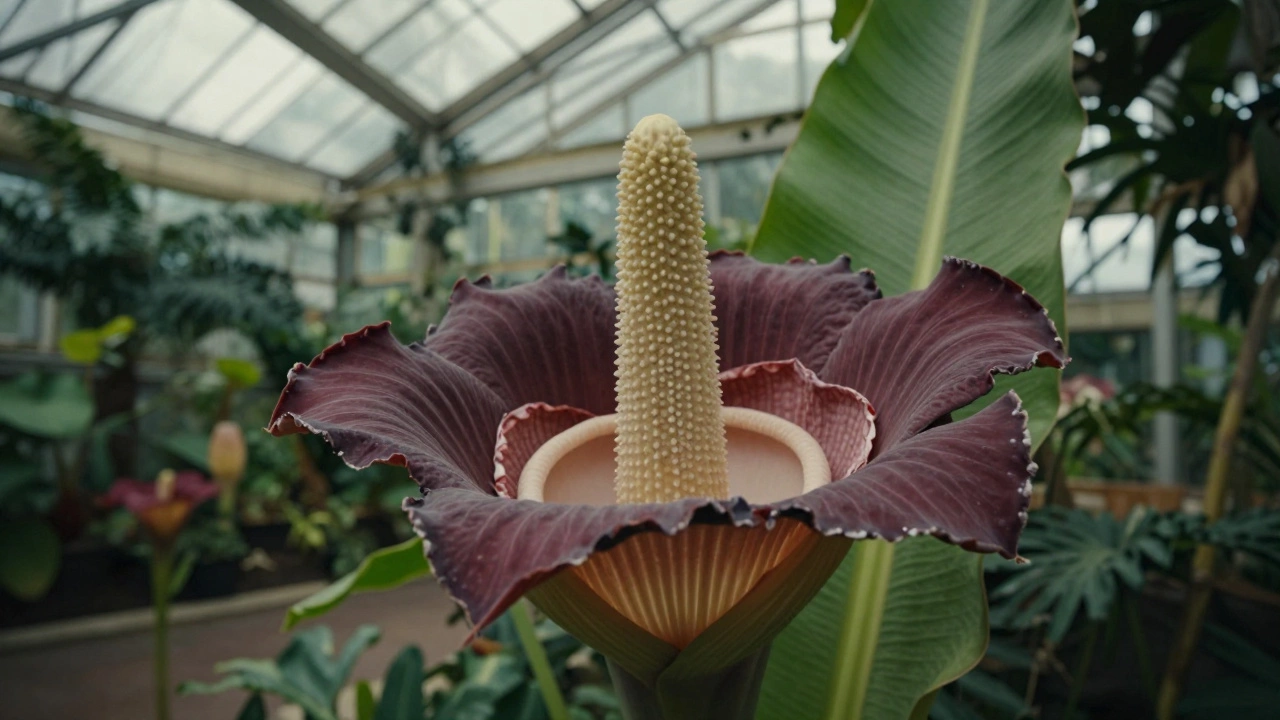
Which Plant Is Very Costly in India? The Most Expensive Species Ranked
Discover which plants are very costly in India, from rare Amorphophallus titanum to exotic orchids and bonsai. Learn why they are expensive and how to buy them safely.
Flower Gardening
0
Comments
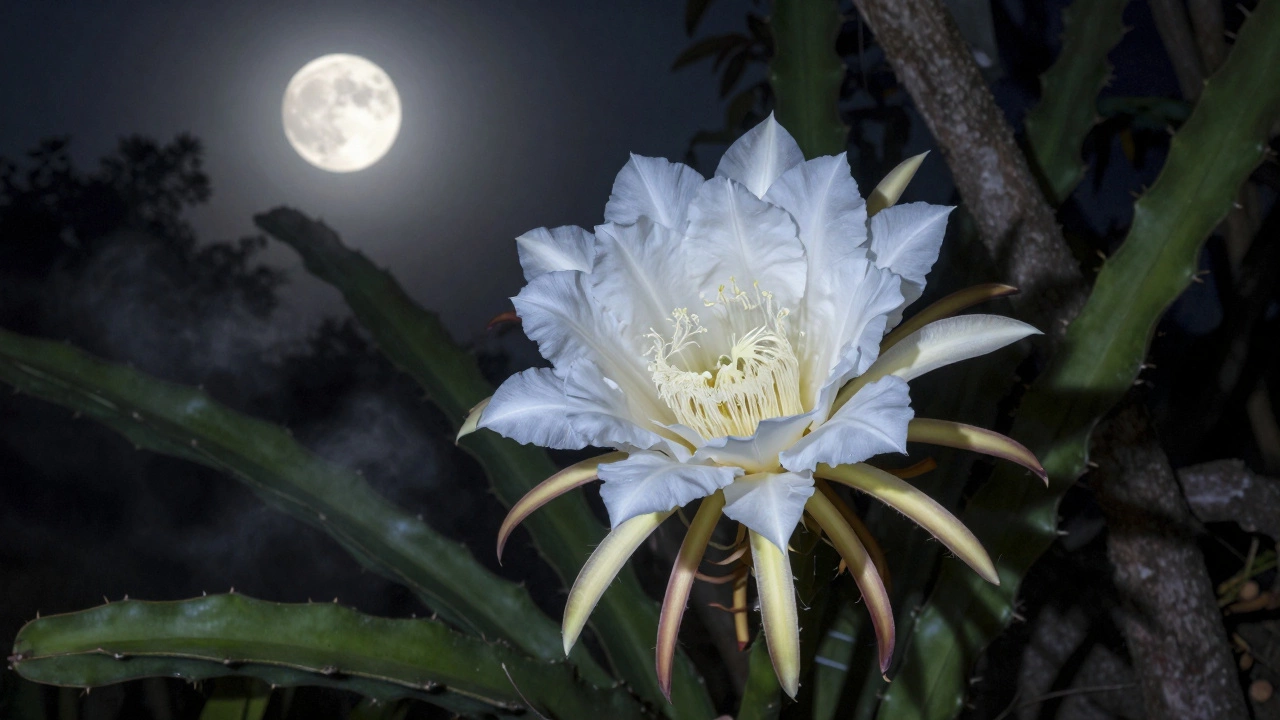
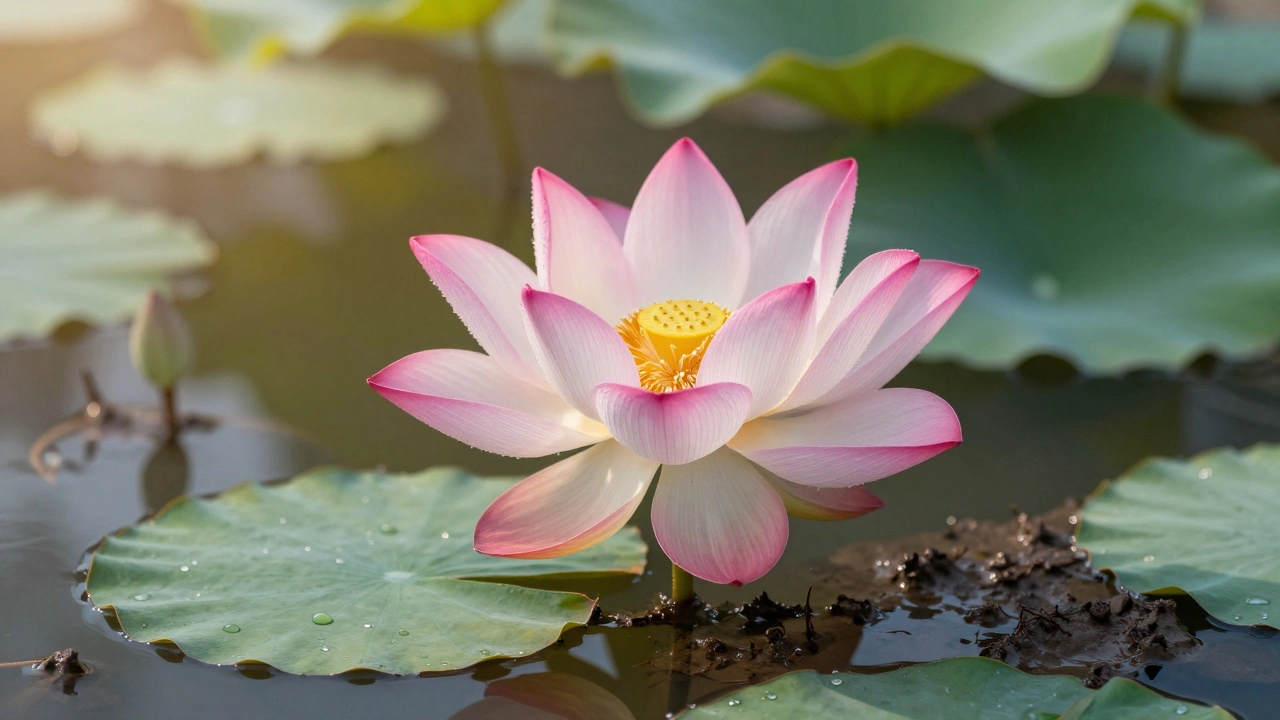
Queen of the Night Flower in India: Identification, Care, and Blooming Secrets
Discover the true identity of the Queen of the Night flower in India, its unique nocturnal blooming habits, and expert tips for growing Epiphyllum oxypetalum in your garden.
Flower Gardening
0
Comments
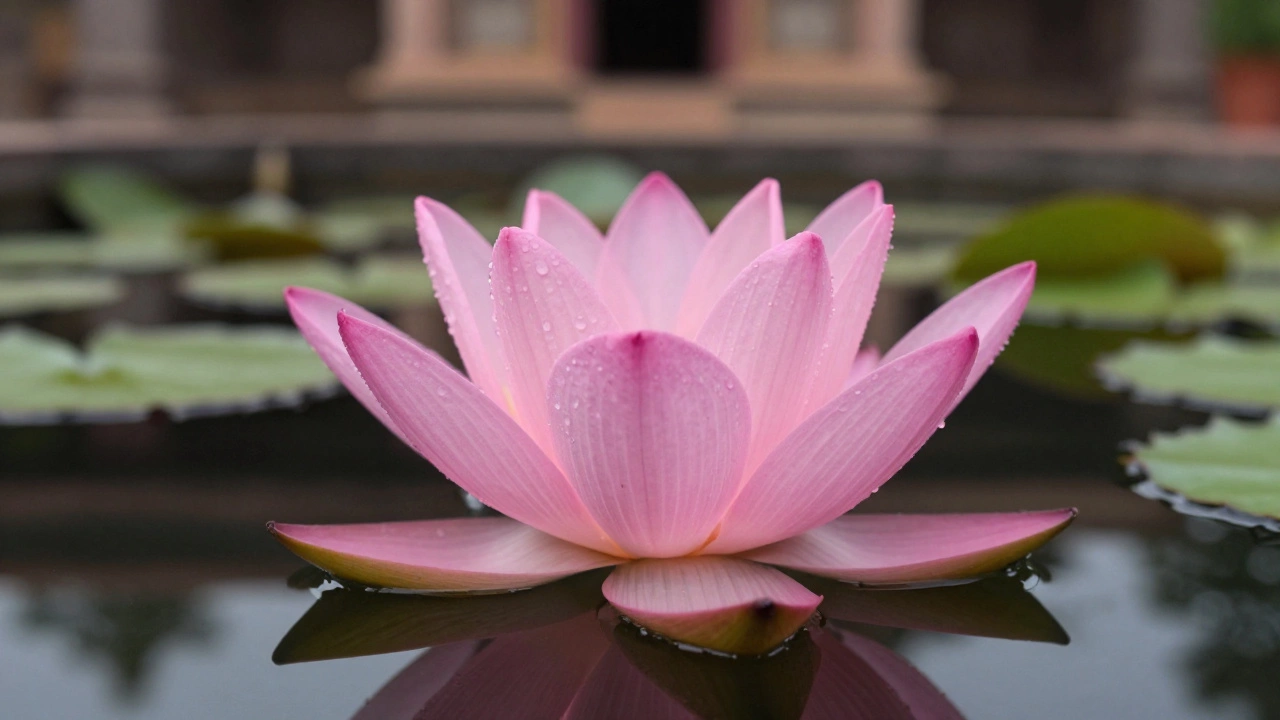
The Lotus: India's True King of Flowers and Its Cultural Significance
Discover why the lotus is revered as the king of flowers in India. Learn about its cultural significance, spiritual symbolism, and practical tips for growing this majestic aquatic plant in your own garden.
Flower Gardening
0
Comments
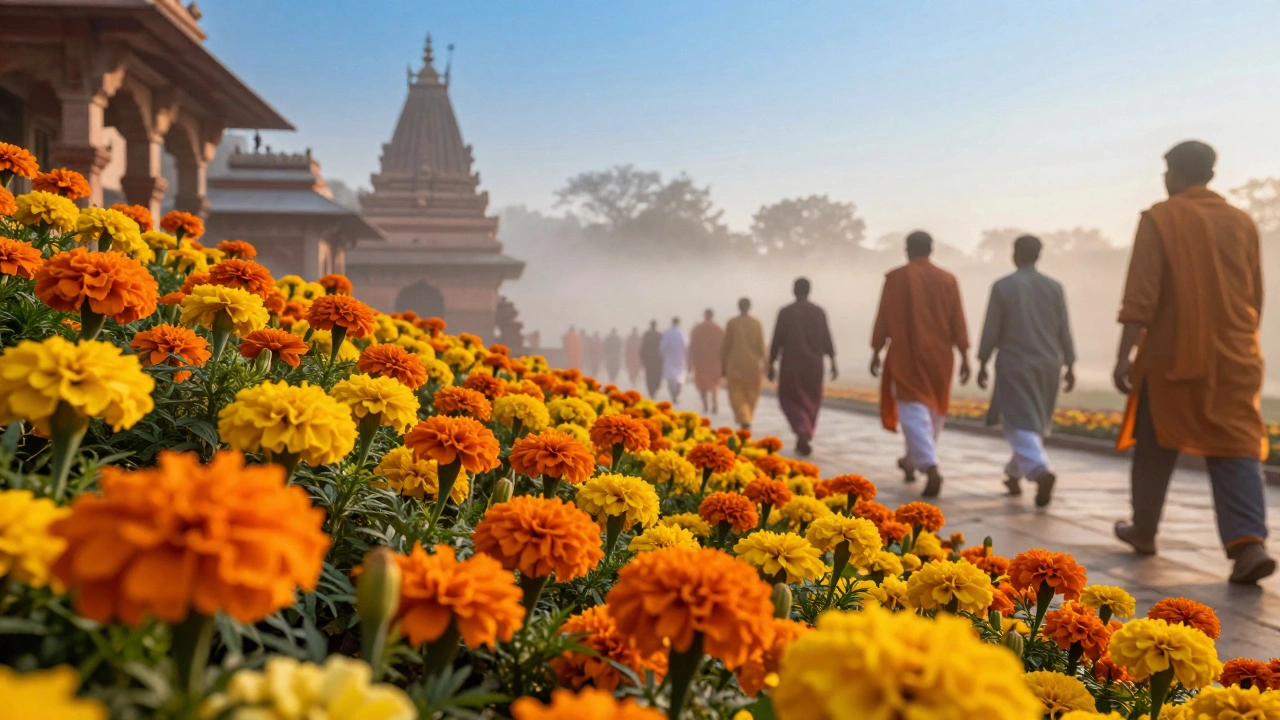
Most Beautiful Flowers in India: A Guide to Exotic and Native Blooms
Discover the most beautiful flowers in India, from the sacred Lotus to fragrant Jasmine. A complete guide to the best blooms for Indian gardens and how to grow them.
Flower Gardening
0
Comments
Which Flowers Bloom Only in Certain Months in India?
Discover which flowers bloom only in specific months across India, from winter marigolds to monsoon lotuses. Learn the right seasons to plant and grow seasonal blooms for a vibrant garden.

Flower Gardening
0
Comments
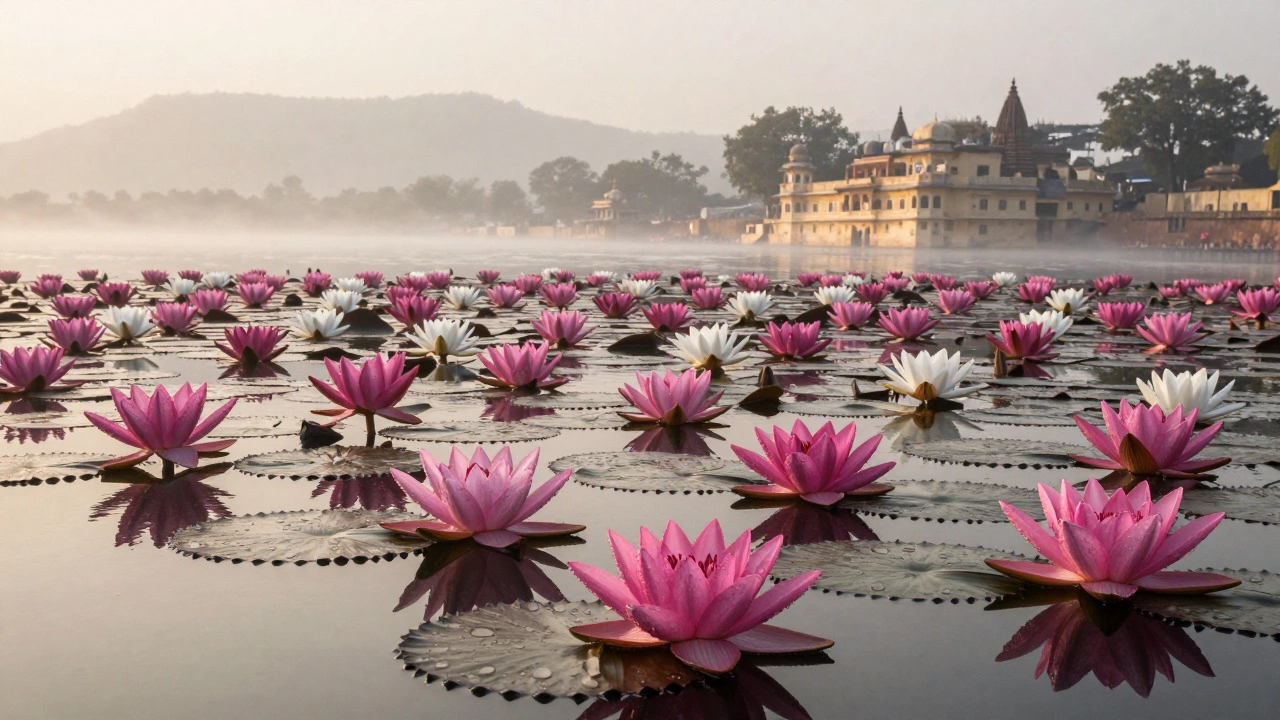
Which Flowers Grow All Year Round in India? Top Perennials for Constant Color
Discover which flowers bloom all year in India, from marigolds to bougainvillea. Learn low-maintenance perennials that thrive in heat, drought, and monsoons without seasonal breaks.
Flower Gardening
0
Comments
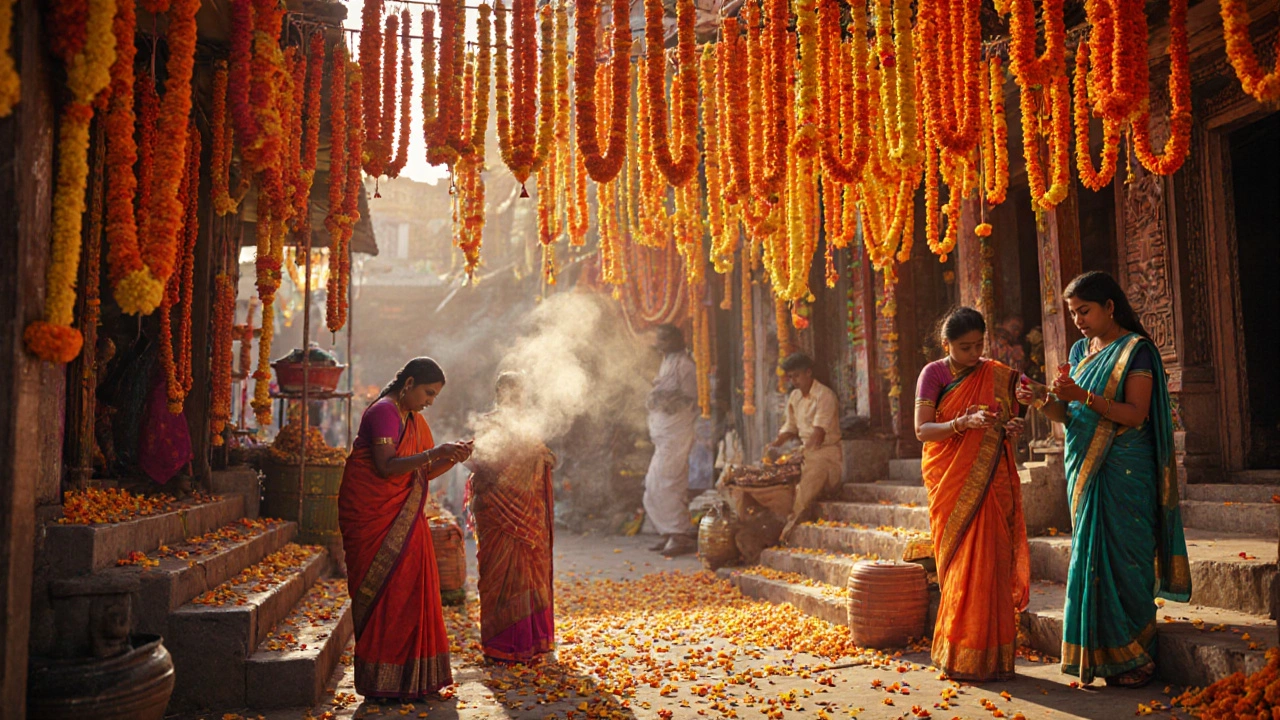
What Is the King of Flowers in India? The Sacred Lotus and Its Cultural Significance
The lotus is India's national flower and true king of flowers, symbolizing purity, spirituality, and resilience. Learn why it's revered across cultures, how to grow it, and where to see it in full bloom.
Flower Gardening
0
Comments
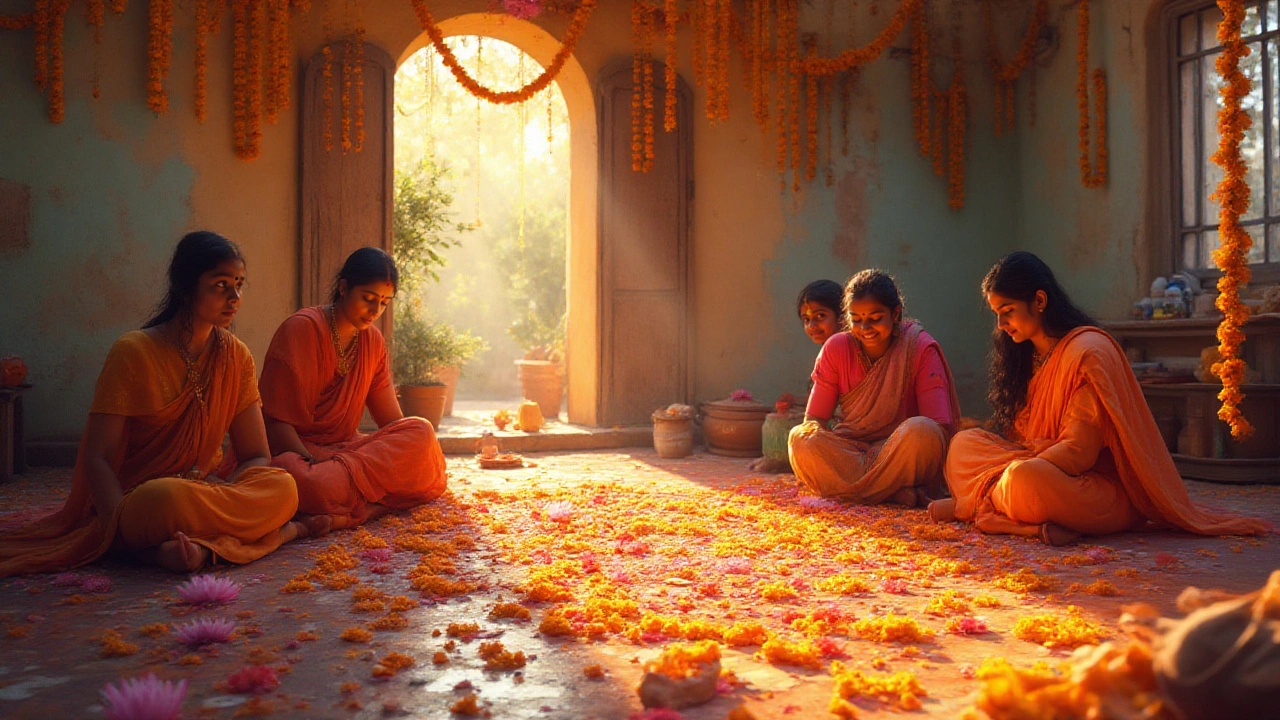
Which Flower Is Most Grown in India? The Top Cultivated Bloom and Why It Dominates
Marigolds are the most grown flower in India, cultivated across millions of acres for religious, cultural, and commercial use. Their resilience, low cost, and deep cultural roots make them unmatched in volume and significance.
Flower Gardening
0
Comments
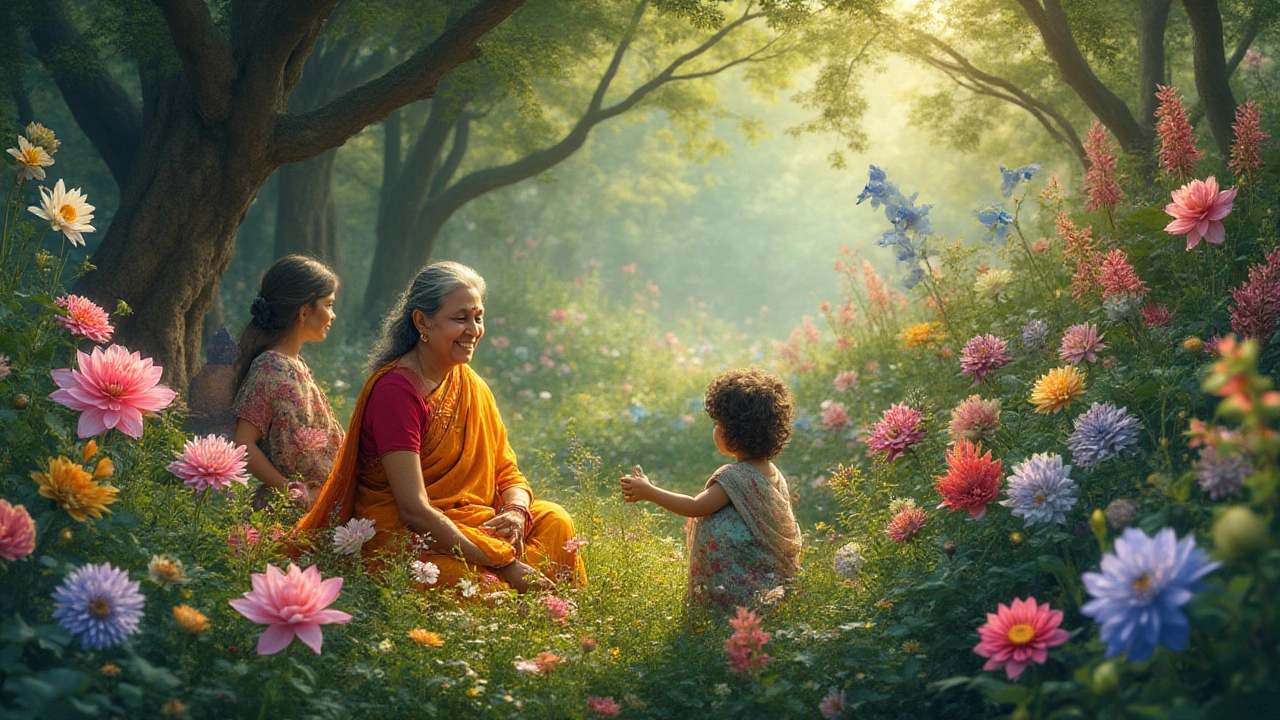
Which Is the Luckiest Flower in India? Discover Spiritual and Cultural Wonders
Explore India’s most cherished lucky flower, uncover ancient traditions, surprising science, and practical ways to invite luck and positivity with flowers.
Flower Gardening
0
Comments
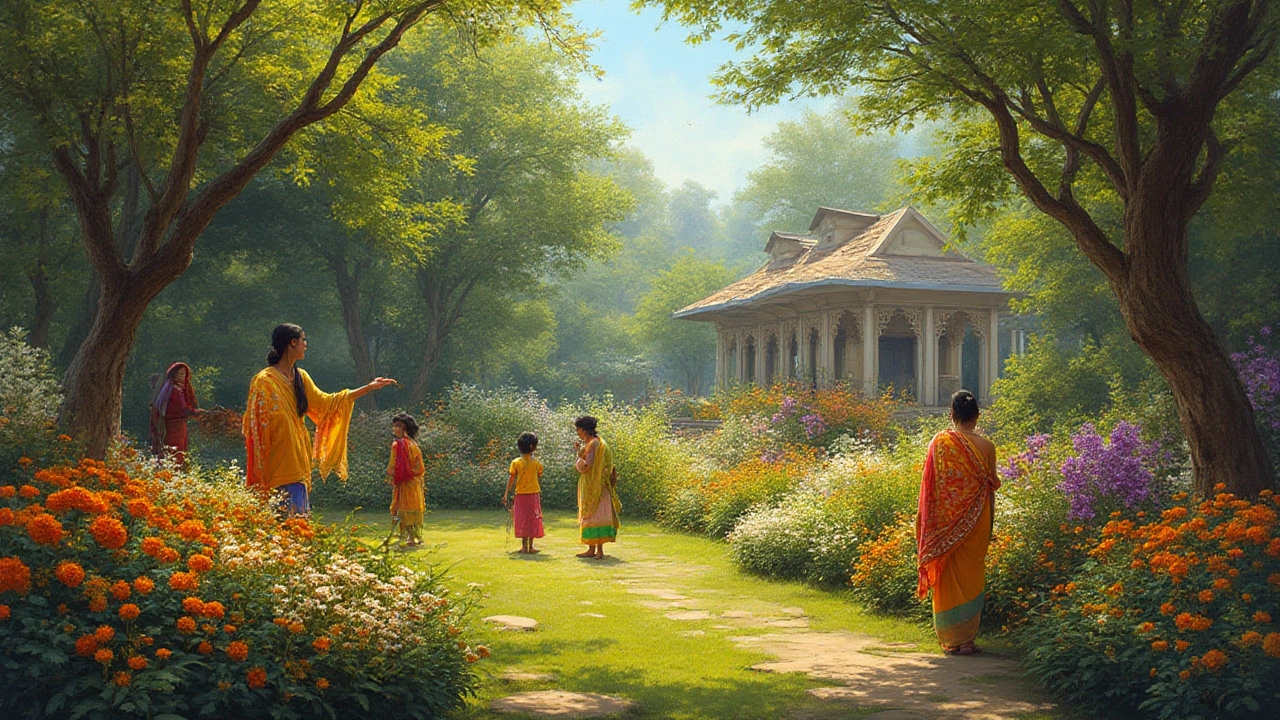
Most Beautiful Flower in the World: Types, Facts, and Gardening Tips
Discover what makes a flower truly beautiful, from legendary blossoms to rare species. Get practical gardening tips and fascinating facts to grow stunning flowers.
Flower Gardening
0
Comments
Best Months for Flower Blooming in India: Flower Seasons & Tips
Curious when flowers burst to life in India? Explore blooming months, flower facts, tips, and seasonal tricks for colorful gardens across regions.
- 1
- 2
- 3
About
Flower Gardening
Latest Posts
Who Makes Craftsman Garden Tools? The 2026 Ownership & Quality Guide
By Alden Thorne Aug 25, 2026
Most Sustainable Plant in the World: A Real Game-Changer for Your Garden
By Alden Thorne Apr 23, 2025
Exploring the Steep Cost of Blueberries in India
By Alden Thorne Jan 4, 2025