Garden Watering Calculator
Calculate Your Water Savings
Estimated Weekly Water Use
0.00 m³Compared to conventional gardens, this setup saves 0.00 m³ of water weekly
Recommended: Use a soil moisture probe - only water when top 2 inches are dry.
For Auckland gardens, reduce frequency by 20% during winter months.
Key Takeaways
- Choose drought‑tolerant native plants and succulents to cut watering by up to 70%.
- Mulch and drip irrigation keep soil healthy while slashing weeding time.
- Design with zones - sunny, shady, and moisture‑loving - to match plant needs.
- A simple seasonal checklist limits chores to a few minutes each week.
- Start small, expand later, and let the garden mostly take care of itself.
What is a low maintenance garden?
Think of a garden that looks good most of the year but asks for very little time, money, or water. It relies on plants that thrive in local conditions, smart soil tricks, and efficient watering. The goal isn’t to quit gardening - it’s to let nature do the heavy lifting so you can enjoy the results without the daily grind.
Core Principles Behind a Sustainable, Low‑Effort Garden
- Right plant, right place: Match species to soil type, sun exposure, and moisture level.
- Soil health first: Add compost and organic mulch to retain water and suppress weeds.
- Water wisely: Install drip irrigation or self‑watering planters to deliver water exactly where roots need it.
- Minimize upkeep: Use ground‑covers, mulches, and perennial plants that return year after year.
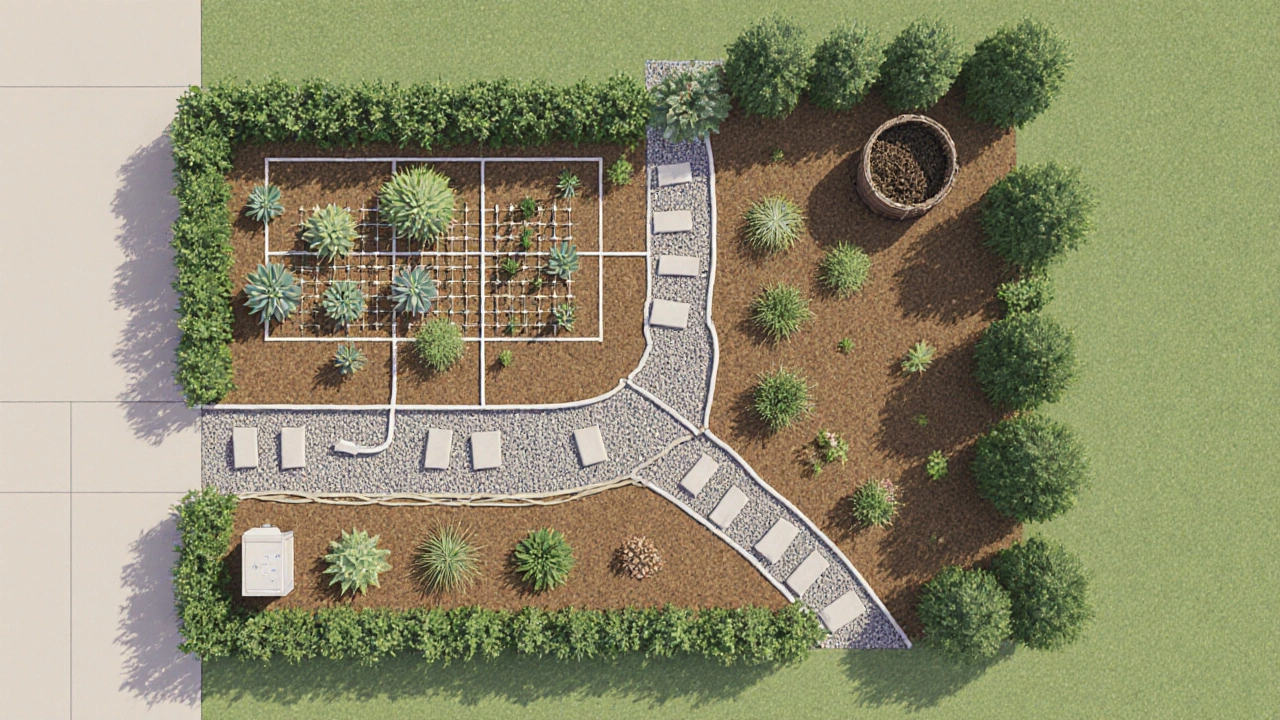
Top Plant Groups for a Low Maintenance Garden
Here are the plant categories that consistently perform with minimal input. Each entry includes the average water need, maintenance rating, and ideal sun exposure.
| Plant type | Water need | Maintenance level | Sun exposure |
|---|---|---|---|
| Drought‑tolerant natives | Low | Very low | Full sun to partial shade |
| Succulents & aloes | Very low | Very low | Full sun |
| Perennial herbs (e.g., rosemary, thyme) | Moderate | Low | Full sun |
| Native grasses | Low | Low | Full sun |
| Ground‑cover vines (e.g., Irish potato plantain) | Low | Very low | Partial shade to full sun |
Design Tips that Keep Work to a Minimum
- Group plants by water needs. Place all low‑water species together so the drip line can be set to a single flow rate.
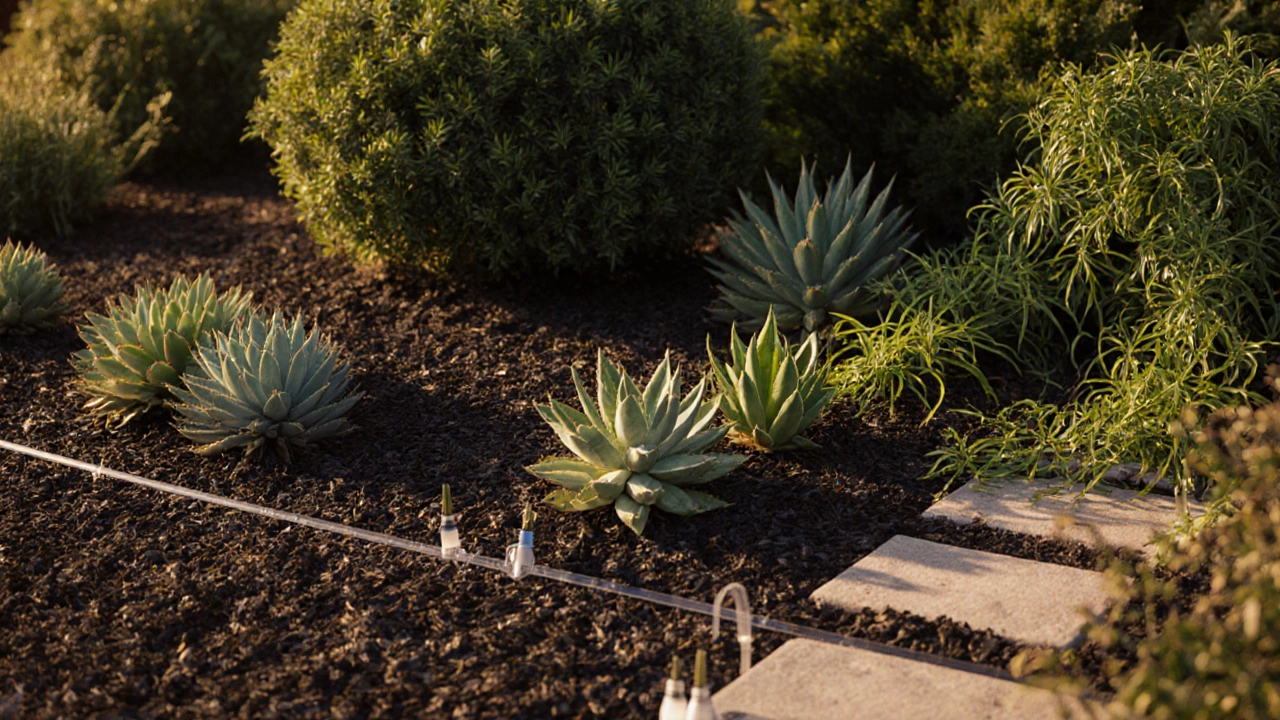
- Use a thick mulch layer (3‑4 inches). It conserves moisture, blocks weeds, and slowly adds organic matter as it breaks down.
- Install a simple drip‑irrigation grid. A low‑pressure system with a timer can be set for 15‑minutes twice a week in summer, far less in winter.
- Design with pathways of gravel or stepping stones. This reduces foot‑traffic damage to plant beds and makes cleanup easy.
- Include evergreen shrubs for year‑round structure. They hide bare soil in winter and need only occasional pruning.
Seasonal Maintenance Checklist - Less Than 30 Minutes a Week
- Spring: Refresh mulch, check drip emitters for clogging, prune dead stems.
- Summer: Inspect for pests, water only if soil feels dry 2 inches deep, dead‑head spent blooms.
- Autumn: Add a layer of compost, cut back tall grasses, lower irrigation timer.
- Winter: Keep pathways clear of snow, protect tender perennials with burlap if needed.
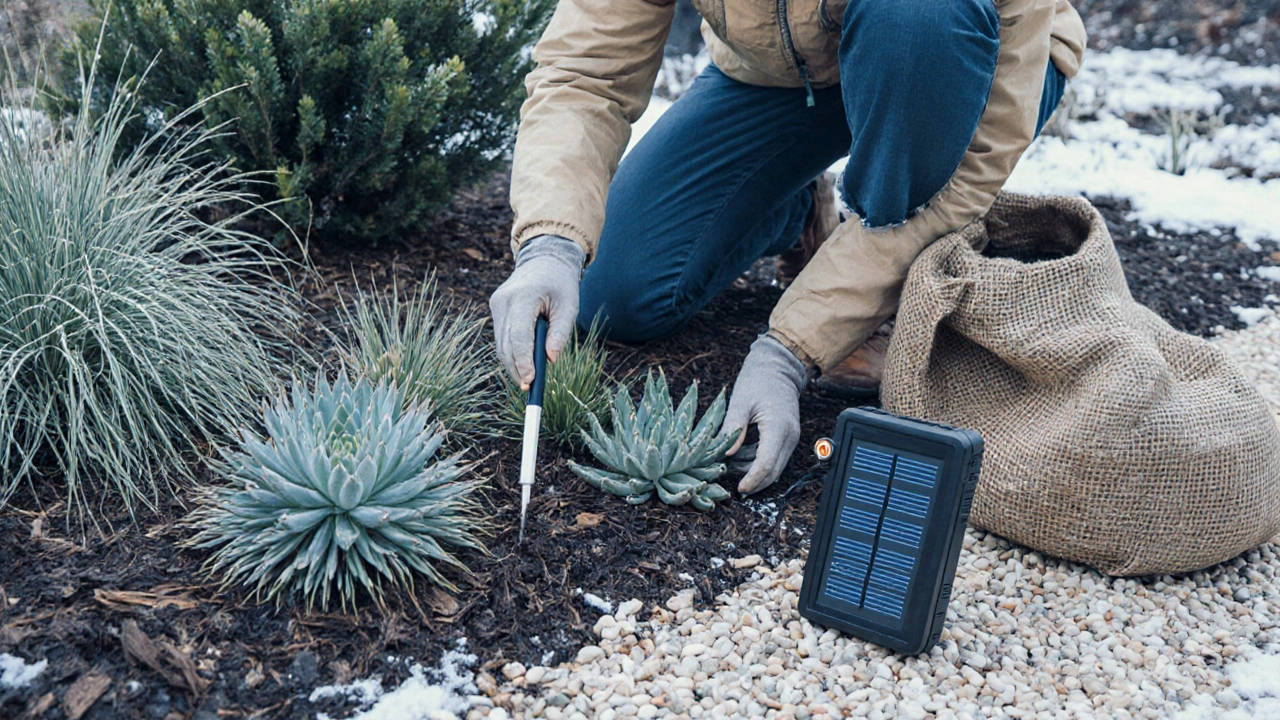
Common Pitfalls and How to Dodge Them
Over‑watering. It’s easy to think more water equals healthier plants, but most low‑maintenance species suffer root rot when drenched. Use a soil moisture probe or the “finger test” before turning on the timer.
Choosing the wrong sun exposure. A plant listed as “full sun” will wilt quickly in the Auckland heat if placed under a dense tree canopy. Map out sun patterns for a typical summer day before planting.
Ignoring soil compaction. Heavy clay can trap water and choke roots. Loosen the top 6 inches with a garden fork and blend in coarse sand or compost.
Quick Starter Checklist for Your First Low‑Maintenance Garden
- Mark sun, shade, and moisture zones on your garden plan.
- Select 5‑7 drought‑tolerant native plants or succulents.
- Order or purchase a basic drip‑irrigation kit (tapes, emitters, timer).
- Buy 2‑3 gallons of organic mulch.
- Gather a hand fork, soil tester, and pruning shears.
- Set a weekly reminder to check soil moisture and mulch depth.
Frequently Asked Questions
What are the best native plants for a low‑maintenance garden in Auckland?
Plants like Manuka (Leptospermum scoparium), coastal Cabbage tree (Cordyline australis), and the ground‑cover Pittosporum (Pittosporum tenuifolium) thrive in local soils, need little watering once established, and stay tidy with minimal pruning.
Can I set up drip irrigation myself without a plumber?
Absolutely. A basic pressure‑compensating drip kit hooks onto a standard garden tap, includes push‑fit connectors, and works with a battery‑powered timer. Just follow the kit’s guide, lay the tape along your plant rows, and clamp emitter stakes at each plant base.
How often should I replace mulch?
Every 2‑3 years is typical. Over time mulch breaks down, enriching the soil, but the layer thins out. In spring, rake back the old mulch, add a fresh 2‑inch coat, and you’ll keep weeds down and moisture locked in.
Do succulents survive Auckland’s winter frosts?
Most hardy succulents like Aloe vera and Sedum ‘Dragon Blood’ tolerate occasional frosts down to -2 °C. Plant them in a sheltered spot or add a light mulch cover during the coldest weeks.
Is composting necessary for a low‑maintenance garden?
While not mandatory, compost improves soil structure, holds moisture, and reduces the need for chemical fertilizers. A simple bin in the shed can turn kitchen scraps into nutrient‑rich amendment that lasts for years.