Bonsai Dead Leaf Decision Assistant
Step 1: Identify Your Bonsai Type
Select the type of your bonsai tree to begin the assessment.
Deciduous
Japanese Maple, Elm, BirchLoses leaves seasonally
Evergreen
Juniper, Pine, FicusKeeps leaves year-round
Step 2: Assess Leaf Condition
What does the dead leaf look like?
Dry & Brown
Crispy, brittle textureYellowing
Pale or chloroticSpots/Mold
Black spots, fuzzy growthStep 3: The Gentle Tug Test
Gently pull the leaf. How does it respond?
Comes Off Easily
No resistance feltResists Pulling
Stays firmly attachedRecommendation
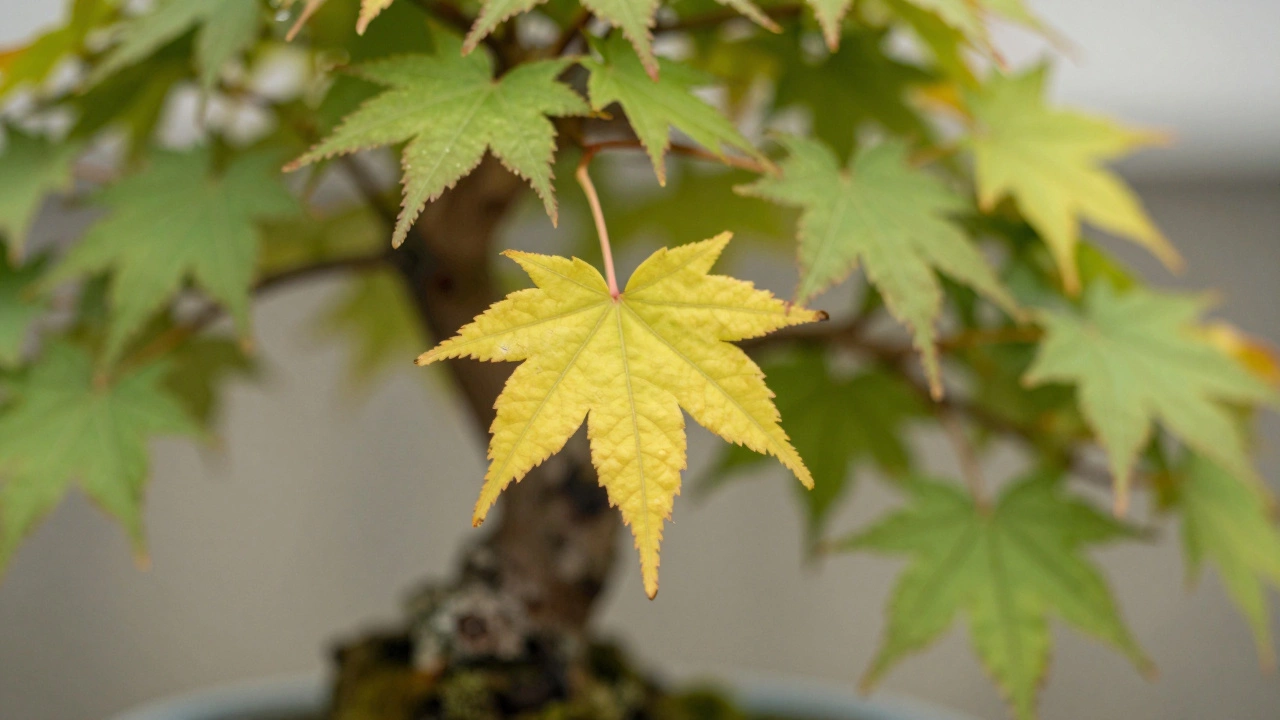
There is a yellowing leaf on your Bonsai. It hangs by a thread. Do you pluck it off immediately, or do you wait? This simple question trips up many growers because the answer isn't always "yes." Removing dead leaves from bonsai depends entirely on why the leaf died and what species you are growing. Pulling a leaf too early can shock the tree; leaving it too long can invite disease.
In this guide, we break down exactly when to remove dead leaves, how to do it safely, and what those dying leaves are trying to tell you about your tree's health. We will look at deciduous versus evergreen differences, seasonal changes, and the hidden signs of stress that often hide behind a single brown leaf.
Why Leaves Die in the First Place
Before you touch a pair of scissors, you need to understand the cause. A dead leaf is a symptom, not the problem itself. If you just keep removing symptoms without treating the root cause, your tree will continue to decline.
The most common reasons for leaf drop include:
- Seasonal Dormancy: Deciduous trees like Japanese Maple (Acer palmatum) naturally lose their leaves in autumn. This is healthy and necessary for winter rest.
- Watering Issues: Both overwatering and underwatering cause leaves to crisp and fall. Overwatered roots rot, starving the leaves. Underwatered leaves dry out from lack of hydration.
- Pest Infestation: Look closely at the underside of the leaf. Spider mites, aphids, and scale insects suck sap, causing leaves to yellow and drop prematurely.
- Nutrient Deficiency: Lack of nitrogen or iron can cause chlorosis (yellowing) followed by leaf death.
- Environmental Stress: Sudden temperature drops, direct hot sun after shade, or low humidity can shock the tree into shedding leaves.
If you see one or two dead leaves, check the soil moisture and recent weather. If you see half the tree bare, dig deeper into watering habits and pest control.
When to Remove Dead Leaves Immediately
Some situations require quick action. Leaving dead tissue on the tree can block airflow, trap moisture, and create a breeding ground for fungi and bacteria. You should remove dead leaves right away in these cases:
- Disease Signs: If the leaf has black spots, fuzzy mold, or oozing sap, remove it instantly. Isolate the tree if possible to prevent spread to other plants.
- Pest Hotspots: If a cluster of leaves is covered in sticky residue (honeydew) or webbing, prune them out. This reduces the pest population significantly.
- Evergreen Species: For trees like Ficus, Juniper, or Pine, dead needles or leaves do not fall off naturally. They stay attached and look unsightly. Remove them to maintain aesthetic shape and encourage new growth.
- Blocked New Growth: Sometimes a dead leaf clings tightly around a new bud, preventing it from opening. Gently remove the obstruction to help the new foliage emerge.
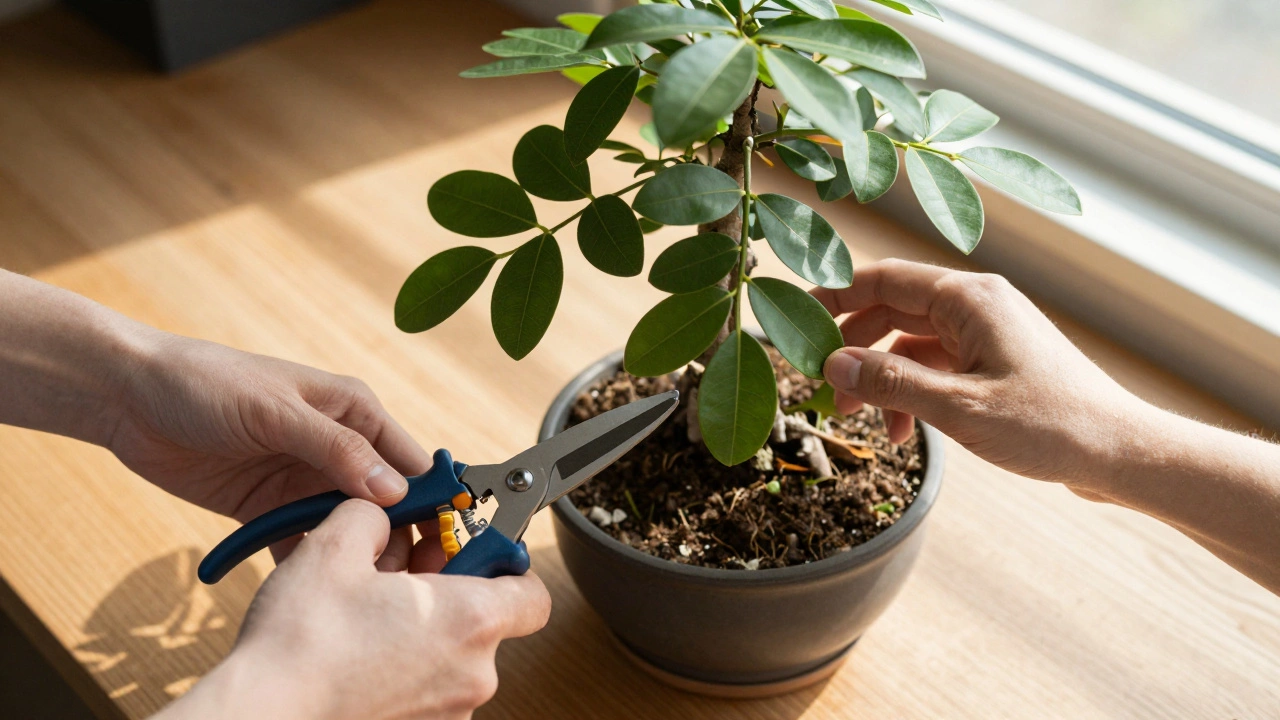
Use clean tweezers or your fingers for small leaves. For larger branches, use sharp Bonsai Shears. Always make cuts close to the branch node to avoid stubs that can rot.
When to Wait: The Case for Natural Drop
Not every dead leaf needs immediate removal. In fact, rushing to clean up can sometimes do more harm than good.
For deciduous trees like Elm (Ulmus) or Birch (Betula), leaves often turn vibrant colors before falling. Letting them drop naturally allows the tree to reabsorb some nutrients back into the branches before the final separation. This process, called resorption, helps the tree store energy for spring.
If a leaf is only partially brown but still attached firmly, give it time. It might be drying out slowly. Plucking it while it is still connected can tear the bark or damage the underlying bud. Wait until the petiole (leaf stem) separates easily from the branch with a gentle tug.
Also, consider the season. During late autumn, let the leaves fall onto the soil surface rather than picking them off one by one. Raking them off the pot later is faster and less stressful for the tree than individual plucking.
How to Safely Remove Dead Leaves
Technique matters. Rough handling can damage delicate branches and buds. Follow these steps for safe removal:
- Inspect First: Examine the entire tree. Identify all dead leaves and check for pests or disease. Plan your approach so you don't miss hidden areas.
- Clean Your Tools: Wipe your shears or tweezers with rubbing alcohol. This prevents transferring diseases from one part of the tree to another or from previous projects.
- Gentle Tug Test: For deciduous trees, try gently pulling the leaf. If it comes off easily, it is ready. If it resists, leave it for now. Forcing it can strip bark.
- Cut Close to the Node: When using shears, cut as close to the branch as possible without damaging the branch itself. Avoid leaving long stems that can rot.
- Dispose Properly: Do not compost diseased leaves. Throw them in the trash. Healthy fallen leaves can go into your compost bin.
After cleaning, step back and admire the structure. Removing leaves reveals the branch architecture, allowing you to spot any further pruning needs.
Species-Specific Guidelines
Different bonsai species have different needs. Here is a quick reference for popular types:
| Species | Type | Action | Notes |
|---|---|---|---|
| Japanese Maple | Deciduous | Remove if diseased; let natural drop occur in autumn | Yellowing in summer indicates water stress |
| Ficus Retusa | Semi-Evergreen | Remove immediately | Ficus drops leaves easily due to environmental change |
| Juniper | Evergreen | Remove dead needles regularly | Dead wood stays attached; prune to maintain shape |
| Olive Tree | Evergreen | Remove old leaves to improve airflow | Old leaves darken and reduce photosynthesis efficiency |
| Azalea | Deciduous/Evergreen | Remove dead blooms and leaves promptly | Promotes new flowering buds |
What Dead Leaves Tell You About Health
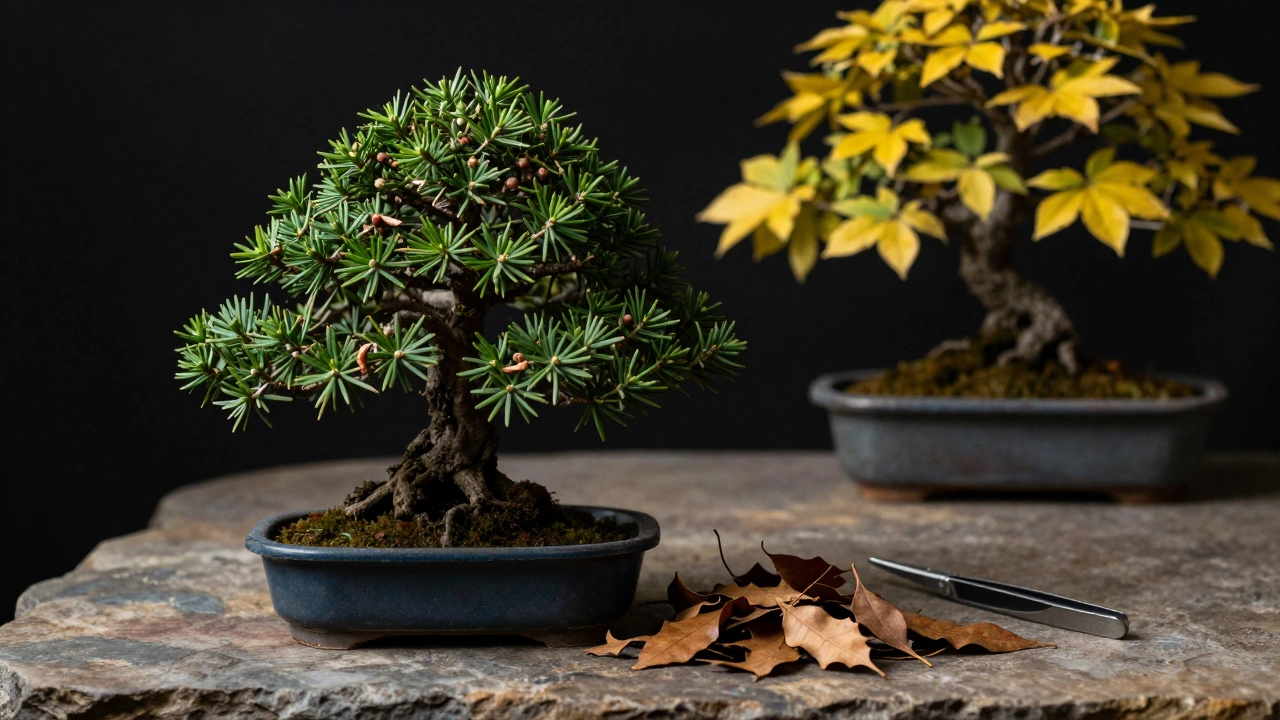
Your bonsai communicates through its leaves. Pay attention to the pattern of loss.
Uniform Yellowing: If all leaves turn yellow at once, check your watering routine. Is the soil bone dry? Or is it soggy? Test with your finger. If wet, you may have root rot. If dry, increase watering frequency.
Bottom-Up Drop: Older leaves at the bottom dropping first is often normal aging. However, if accompanied by stunted new growth, it could indicate nutrient deficiency. Consider applying a balanced Bonsai Fertilizer during the growing season.
Tip Burn: Brown tips on otherwise green leaves usually signal salt buildup from fertilizer or poor water quality. Flush the soil with distilled water to leach out excess salts.
Sudden Total Drop: If an evergreen loses most of its foliage overnight, it was likely shocked. Common causes include moving the tree from outdoors to indoors abruptly, exposure to cold drafts, or extreme heat. Move the tree to a stable environment and monitor for new buds.
Maintaining Aesthetics After Removal
Removing dead leaves improves health, but it also impacts the visual appeal. A bare branch looks unfinished. Use this opportunity to refine the tree's shape.
After clearing dead foliage, assess the balance. Are there empty spaces where new growth is needed? You can encourage branching by lightly wounding dormant nodes with a needle (a technique called apical dominance manipulation). This stimulates buds to open.
Also, check for dead branches. Once leaves are gone, dead wood becomes obvious. Decide whether to prune it completely or preserve it as Jin (deadwood styling) for artistic effect. Properly treated deadwood adds character and age to the bonsai.
Finally, remember that a clean tree is a happy tree. Regular maintenance prevents minor issues from becoming major crises. Make leaf inspection part of your weekly routine.
Troubleshooting Common Scenarios
Scenario 1: My Ficus dropped all its leaves. Don't panic. Ficus trees are sensitive to movement and light changes. Check that it gets bright indirect light. Ensure the soil dries slightly between waterings. New buds will appear along the branches within weeks.
Scenario 2: My Pine has brown needles in the middle. This is often natural needle retention. Pines hold old needles for several years. If the needles pull off easily, they are dead. If they resist, leave them. Pruning live needles harms the tree.
Scenario 3: Leaves are curling and dropping. High temperatures and low humidity cause curling. Mist the tree regularly or place the pot on a humidity tray. Avoid direct afternoon sun during peak heat.
Is it bad to pull dead leaves off my bonsai?
It depends on the species and condition. For evergreens like Juniper, removing dead needles is essential for aesthetics and health. For deciduous trees, pulling leaves that haven't detached naturally can damage bark and buds. Always test with a gentle tug first. If resistance is felt, wait or use shears.
Why does my bonsai drop leaves when I move it?
Many bonsai species, especially tropical ones like Ficus, are highly sensitive to environmental changes. Moving the tree alters light intensity, humidity, and temperature. To minimize shock, acclimate the tree gradually over several days. Keep it in a stable location once placed.
How do I know if leaf drop is caused by overwatering?
Overwatering leads to root rot, which manifests as yellowing leaves that drop easily. The soil will feel soggy and may smell musty. Check the roots if possible; healthy roots are firm and white/light-colored, while rotten roots are dark, mushy, and slimy. Reduce watering frequency and ensure proper drainage.
Can I compost dead bonsai leaves?
Yes, if the leaves are healthy and free from disease or pests. Composting returns nutrients to the soil cycle. However, never compost leaves showing signs of fungal infection, insect infestation, or chemical treatment. Dispose of these in the regular trash to protect other plants.
Should I remove yellow leaves from my Japanese Maple in summer?
Summer yellowing in Japanese Maples is abnormal and usually indicates stress. Remove the affected leaves to inspect the branch for pests or damage. Investigate the cause-likely inconsistent watering or sun scald-and address it immediately to prevent further loss.