Mother of Many Babies: Risk & Care Calculator
Environment Setup
Risk Assessment Results
Adjust settings and click "Assess Risks" to see your plant's danger profile.
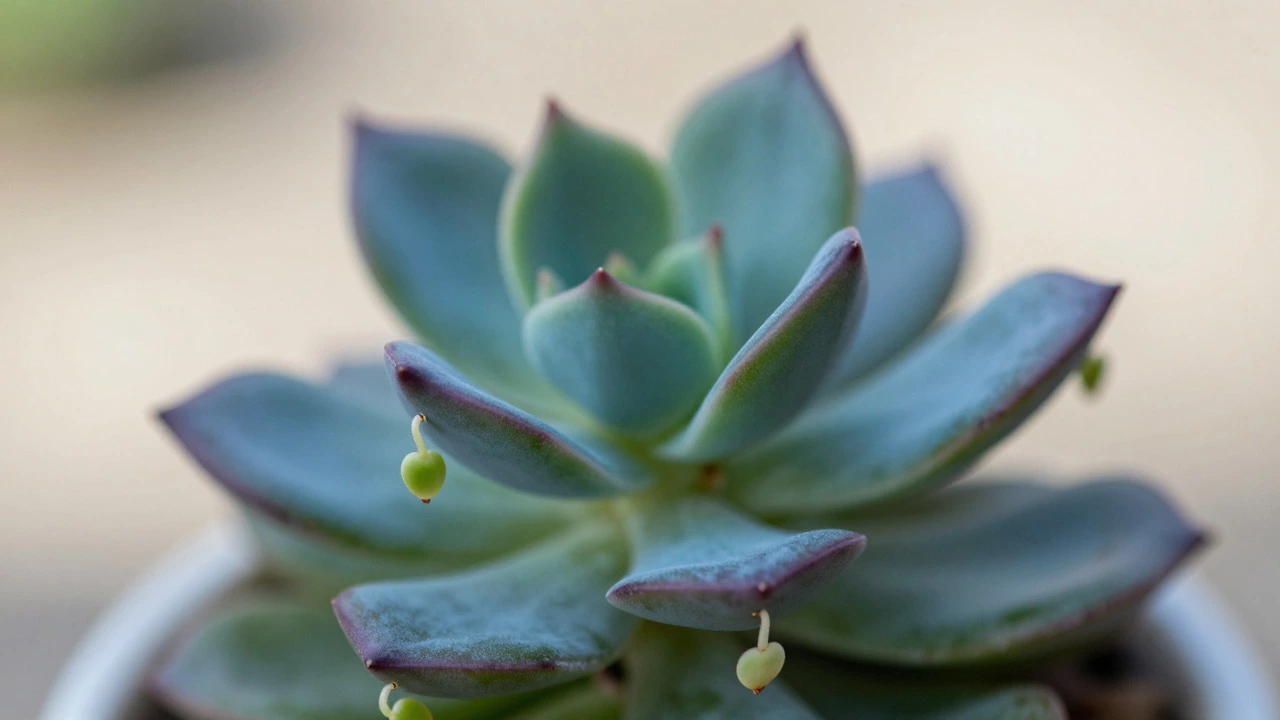
You’ve probably seen it before. That striking rosette of thick, blue-green leaves edged in purple, with tiny plantlets dangling from the margins like miniature earrings. It’s eye-catching, almost magical. But if you’re looking for a low-maintenance houseplant that stays put, you might want to think twice. This is the mother of many babies plant, and as its name suggests, it reproduces aggressively.
Botanically known as Kalanchoe daigremontiana, this succulent belongs to the Crassulaceae family. It’s native to Madagascar, where it thrives in dry, rocky environments. In the garden world, it’s famous for one thing: its ability to clone itself effortlessly. Those tiny “babies” on the leaf edges aren’t just decorative-they’re fully formed plantlets waiting to drop off and root into soil. One leaf can produce dozens of new plants, which is why it earned its nickname.
Identifying the Mother of Many Babies Plant
Before you bring one home or dig one up from your neighbor’s yard, it helps to know exactly what you’re dealing with. The mother of many babies has distinct features that set it apart from other succulents.
- Leaves: Thick, triangular, and fleshy, usually 4-8 inches long. They have a bluish-green hue with dark purple or black margins.
- Plantlets: Tiny clones grow along the leaf edges, each with its own roots and stem. They detach easily when mature.
- Growth Habit: Upright and branching, often reaching 1-3 feet tall. Older stems may become woody at the base.
- Flowers: Rare indoors, but outdoors it produces tubular yellow-orange flowers in clusters during late winter or early spring.
If you’re unsure whether your plant is truly Kalanchoe daigremontiana, check the leaf shape and the presence of plantlets. Some lookalikes, like Kalanchoe pumila (mother of thousands), have smaller leaves and fewer plantlets. Others, such as jade plants or echeverias, don’t produce aerial plantlets at all.
Why Is It Called “Mother of Many Babies”?
The name isn’t just poetic-it’s literal. Each leaf acts as a factory for new plants. When a plantlet matures, it falls off and lands on soil. If conditions are right (moisture, warmth, light), it starts growing immediately. No seeds needed. No human intervention required.
This reproductive strategy evolved in Madagascar, where droughts and poor soils make seed germination unreliable. Instead, the plant relies on vegetative propagation-creating exact copies of itself. In ideal conditions, a single plant can generate hundreds of offspring in a season.
For gardeners, this means two things: incredible ease of propagation and serious potential for overgrowth. If you love sharing plants with friends, this one delivers. If you prefer tidy borders, it might take over.
Care Guide: How to Keep Your Plant Healthy
Despite its wild reputation, caring for a mother of many babies plant is straightforward. It’s a succulent, so it shares basic needs with cacti and other desert-adapted species. Here’s what you need to know.
Light Requirements
This plant thrives in bright, indirect sunlight. Place it near a south-facing window indoors or in a partially shaded outdoor spot. Too much direct sun can scorch the leaves, turning them brown or crispy. Too little light causes leggy growth and faded colors.
Watering Schedule
Water only when the soil is completely dry. Stick your finger about an inch into the potting mix-if it feels damp, wait. Overwatering is the fastest way to kill this plant. Root rot sets in quickly because the roots can’t handle standing water. In winter, reduce watering further since growth slows down.
Soil and Potting
Use a well-draining succulent mix. You can buy pre-made blends or create your own by combining regular potting soil with perlite or coarse sand (a 2:1 ratio works well). Avoid heavy clay soils or mixes designed for moisture-loving plants like ferns.
Temperature and Humidity
Keep temperatures between 60°F and 85°F (15°C-30°C). It tolerates mild cold but suffers below 50°F (10°C). Humidity doesn’t matter much-it prefers dry air, typical of indoor environments.
Fertilizing
Fertilize sparingly. Once a month during the growing season (spring and summer), apply a balanced liquid fertilizer diluted to half strength. Skip feeding in fall and winter when the plant rests.
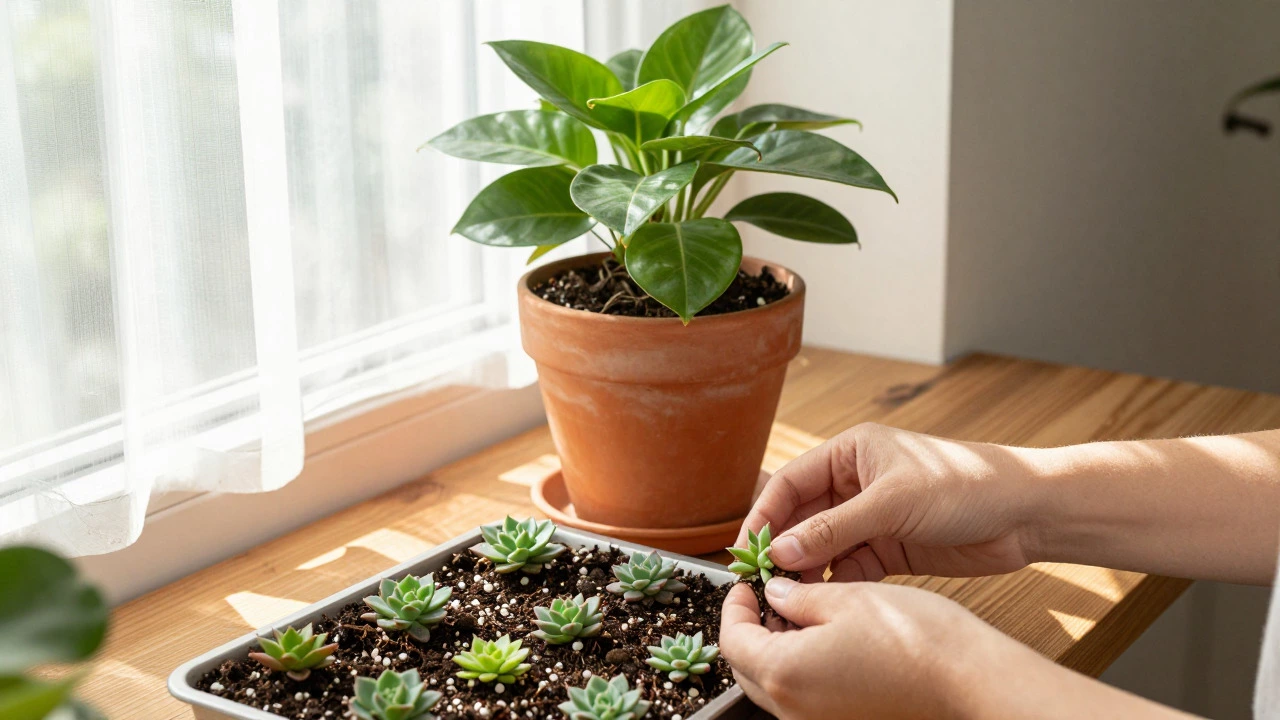
Propagation: Turning One Plant Into Many
Propagating the mother of many babies is practically automatic-but you can speed things up. Here’s how to do it intentionally.
- Collect plantlets: Gently twist off mature plantlets from the leaf edges. Make sure they have visible roots.
- Prepare containers: Use small pots or trays filled with moist succulent mix. Ensure good drainage.
- Place plantlets: Lay them flat on the surface. Don’t bury them deeply-their roots will anchor themselves naturally.
- Maintain humidity: Cover lightly with plastic wrap or place in a humid environment until roots establish (about 1-2 weeks).
- Transition to normal care: Remove cover once new growth appears. Water sparingly and provide bright light.
You can also propagate from leaf cuttings. Snap off a healthy leaf, let it callus for 2-3 days, then lay it on soil. Roots and shoots will emerge within weeks. Just remember: every successful cutting becomes another source of plantlets.
Invasive Potential: Should You Worry?
Here’s the catch: while easy to grow, the mother of many babies plant is considered invasive in several regions. In parts of Australia, California, Hawaii, and South Africa, it escapes cultivation and crowds out native vegetation. Its rapid reproduction allows it to dominate gardens, roadsides, and even forest edges.
If you live in one of these areas, check local regulations before planting outdoors. Some municipalities ban its sale or require containment measures. Even if not banned, consider keeping it indoors or in raised beds to prevent spread.
To manage existing infestations:
- Pull plants by hand before they flower.
- Dispose of them properly-don’t compost, as plantlets survive.
- Monitor sites regularly for regrowth.
For sustainable gardening, balance beauty with responsibility. Choose non-invasive alternatives if ecological impact concerns you.
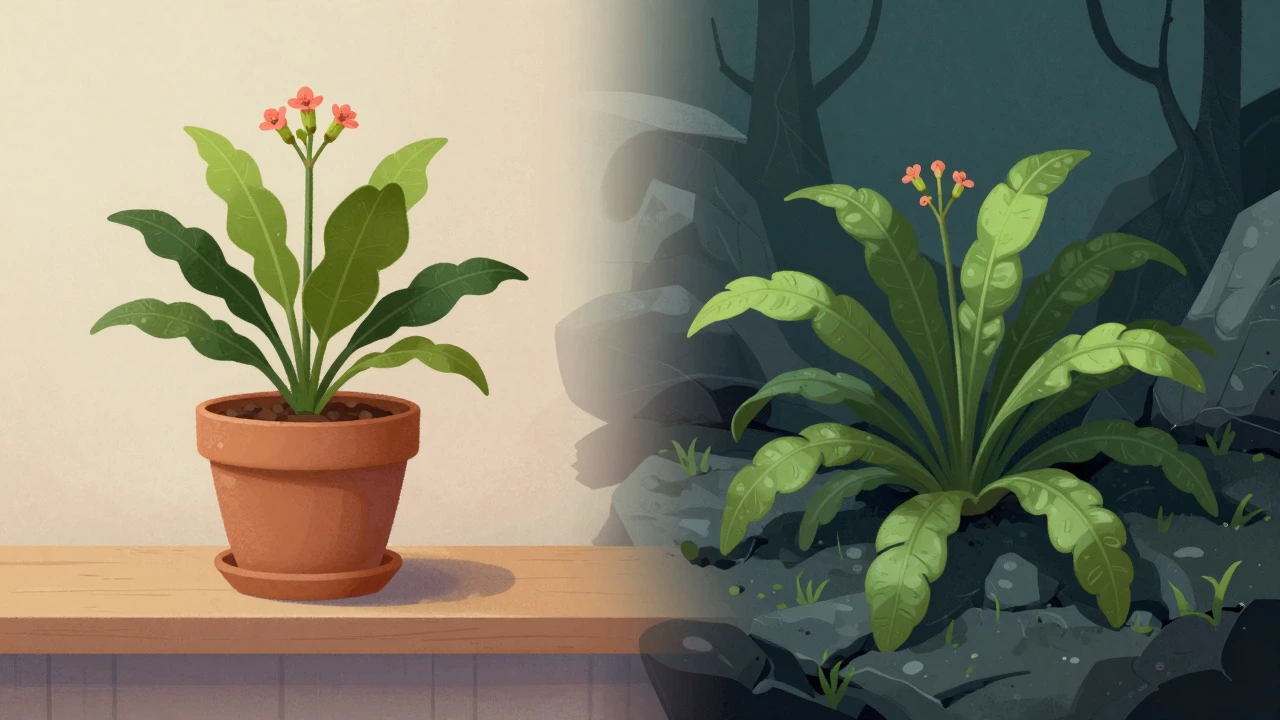
Is It Toxic? Safety Tips for Pets and Kids
Yes, the mother of many babies plant is toxic. All parts contain bufadienolides-cardiac glycosides that affect heart function. Ingestion can cause vomiting, diarrhea, drooling, and in severe cases, cardiac arrhythmias.
Cats and dogs are particularly curious chewers. Keep the plant out of reach or opt for pet-safe succulents like haworthia or sedum. Children should be taught not to touch or taste any part of the plant.
If ingestion occurs, contact a veterinarian or poison control center immediately. Symptoms usually appear within hours but can worsen without treatment.
Alternatives for Sustainable Gardens
If you love the look of the mother of many babies but worry about invasiveness or toxicity, here are some safer options:
| Plant Name | Native Region | Invasive Risk | Toxicity | Ease of Propagation |
|---|---|---|---|---|
| Haworthia fasciata | South Africa | Low | Non-toxic | Moderate |
| Sedum morganianum | Mexico | Low | Non-toxic | Easy |
| Echeveria elegans | Mexico | Low | Non-toxic | Easy |
| Aloe vera | Arabian Peninsula | Low | Mildly toxic | Very Easy |
These alternatives offer similar aesthetics without the ecological risks. Plus, most are safe around pets and kids-a big plus for family gardens.
Final Thoughts: Beauty With Boundaries
The mother of many babies plant is undeniably fascinating. Its unique reproduction method makes it a favorite among hobbyists and educators alike. But with great power comes great responsibility. Whether you keep it indoors, share it generously, or remove it from natural habitats, treat it with respect-for both your garden and the environment.
Remember: sustainability isn’t just about saving water or reducing waste. It’s also about choosing plants that coexist peacefully with local ecosystems. So next time you see those dangling plantlets, smile-but maybe keep them contained.
How fast does the mother of many babies plant spread?
In optimal conditions, a single plant can produce dozens of plantlets per leaf, leading to exponential growth. Within a few months, one plant can multiply into hundreds if left unchecked.
Can I grow it indoors successfully?
Yes! Indoors, it’s easier to control its spread. Provide bright indirect light, well-draining soil, and minimal watering. Just monitor plantlets and remove them before they drop onto floors or nearby pots.
Is it illegal to own in certain places?
Not typically illegal to own, but some regions restrict outdoor planting due to invasiveness. Check local agricultural guidelines or extension services for specific rules in your area.
What should I do if my cat eats it?
Contact a vet immediately. Symptoms include vomiting, lethargy, and irregular heartbeat. Bring a sample of the plant for identification. Early treatment improves outcomes significantly.
How do I stop it from spreading outside?
Remove fallen plantlets promptly. Use barriers like mulch or fabric under outdoor pots. Consider growing it exclusively indoors or in enclosed greenhouses to prevent accidental dispersal.