Kitchen Gardening Made Simple: Start Growing Fresh Food at Home
Want herbs, veggies, or even fruit right at your kitchen door? You don’t need a huge plot—just a little space, a few smart choices, and some everyday effort. Below you’ll find the basics to turn a balcony, a windowsill, or a modest backyard into a thriving kitchen garden.
Pick the Right Spot and Orient Your Garden
Sunlight is the number‑one factor. Most kitchen crops need at least 5–6 hours of direct sun. Face your containers south‑west if you’re in the Northern Hemisphere, or north‑west in the Southern Hemisphere. If you only get partial shade, choose shade‑tolerant plants like lettuce, spinach, and herbs such as mint or cilantro.
Wind can dry out soil quickly. Position your garden near a wall or fence to shield delicate seedlings. And think about water access—having a tap close by saves you trips back and forth.
Choose Containers or Raised Beds That Fit Your Space
Raised beds look neat and keep soil loose, but they can cost more and need extra maintenance. For tight spots, sturdy pots, recycled buckets, or even old wooden crates work just as well. Make sure each container has drainage holes; waterlogged roots die fast.
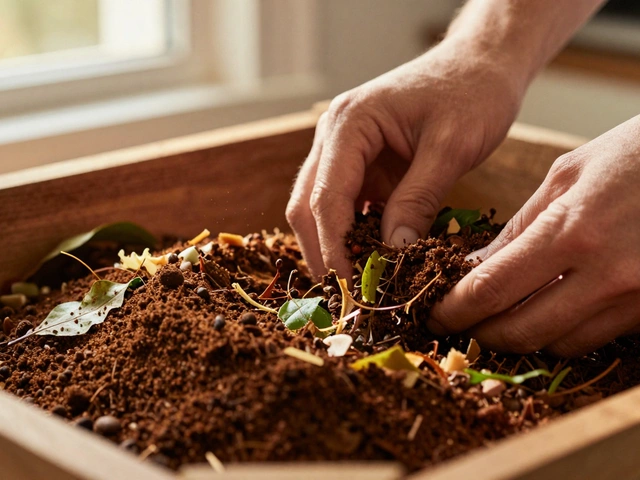
If you decide on raised beds, use a quality soil mix instead of garden soil. A blend of compost, coconut coir, and a bit of perlite gives good drainage and holds nutrients. Avoid laying landscape fabric underneath the bed—it can trap moisture and hurt soil health.
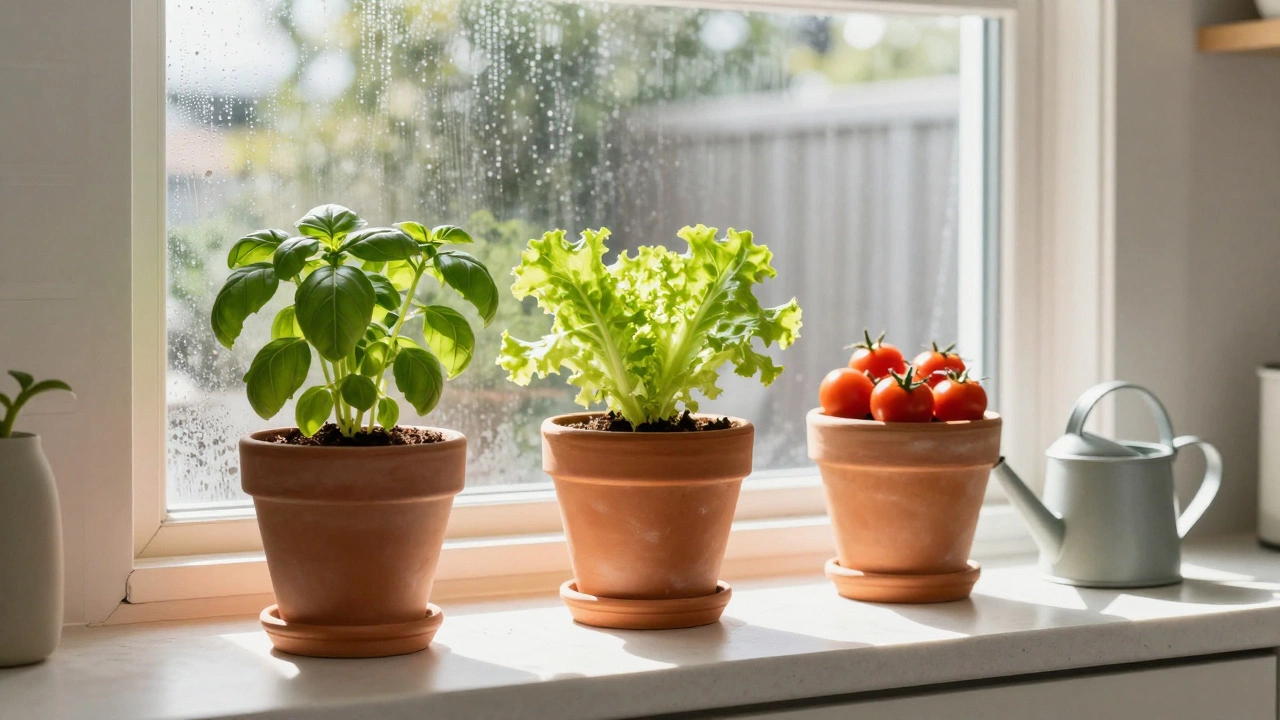
Not sure what to grow? Start with easy, fast‑growing veggies like radishes, lettuce, and cherry tomatoes. Tomatoes need 60–100 days from seed to fruit, so plan planting dates according to your climate.
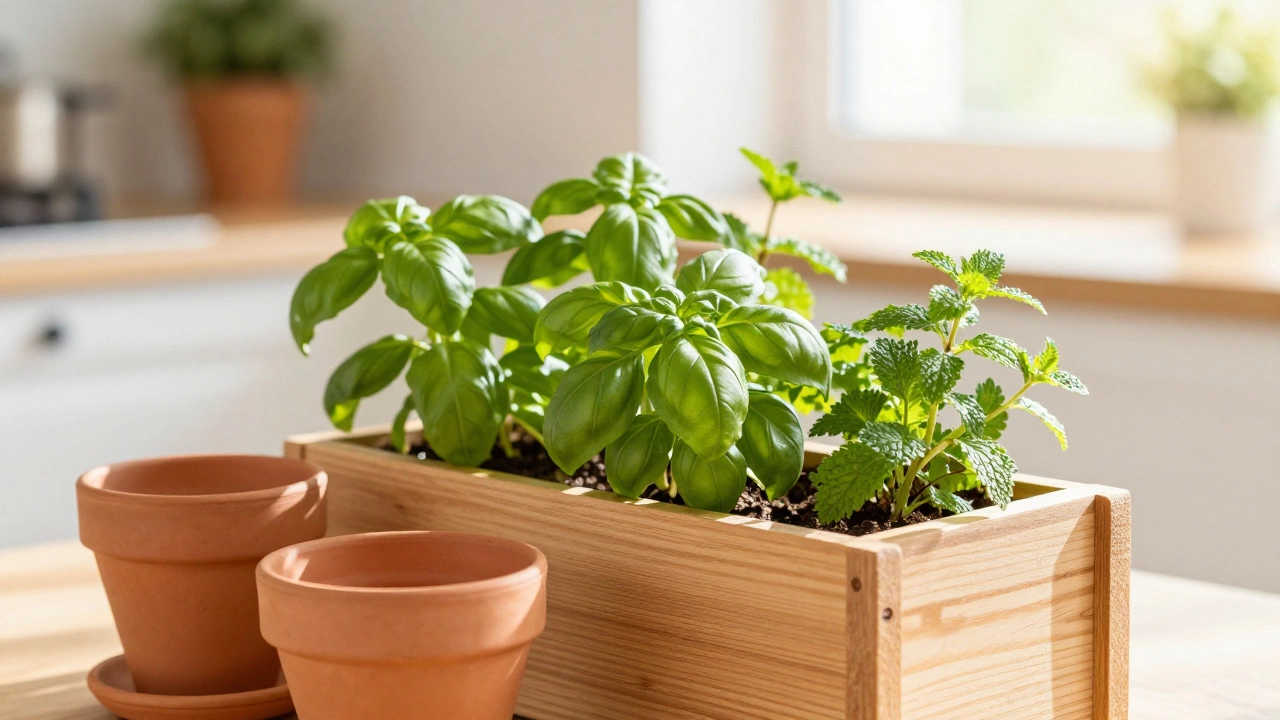
Companion planting can boost yields and keep pests away. Plant peppers next to cucumbers; the two species help each other with shade and pest deterrence. Herbs like basil or dill planted alongside tomatoes can improve flavor and discourage bugs.
For indoor fruit lovers, dwarf varieties of citrus, strawberries, or even bananas can thrive on a sunny windowsill. They need consistent light—consider a grow light if natural sunshine is limited.
Keep an eye on garden critters. Rabbits love tender shoots, but they usually skip zinnias. If you notice rabbit damage, use a simple fence or mesh around the beds, and sprinkle a little garlic powder as a natural repellent.
Watering is easy when you follow the “finger test.” Stick your finger a couple of inches into the soil; if it feels dry, it’s time to water. Over‑watering is a common mistake that leads to root rot.
Finally, fertilize lightly. A monthly feed of organic compost or a balanced liquid fertilizer keeps plants happy without burning them.
Ready to start? Pick a sunny corner, grab a few containers, add quality soil, and plant your favorite herbs. Within weeks you’ll have fresh flavor at hand and a satisfying hobby that fits any Indian home. Happy gardening!
Kitchen Gardening
0
Comments
How to Start a Simple Garden: A Beginner's Guide to Kitchen Gardening
Learn how to start a simple kitchen garden with this easy beginner's guide. Cover soil, sunlight, and the best easy-to-grow vegetables for a successful harvest.
Kitchen Gardening
0
Comments
How to Start a Food Garden at Home: Simple Steps for Fresh Produce Year-Round
Start a food garden at home with just a few pots or a small patch of soil. Learn which plants are easiest to grow, how to water smartly, and how to harvest fresh food year-round-even in Auckland’s mild climate.
Kitchen Gardening
0
Comments
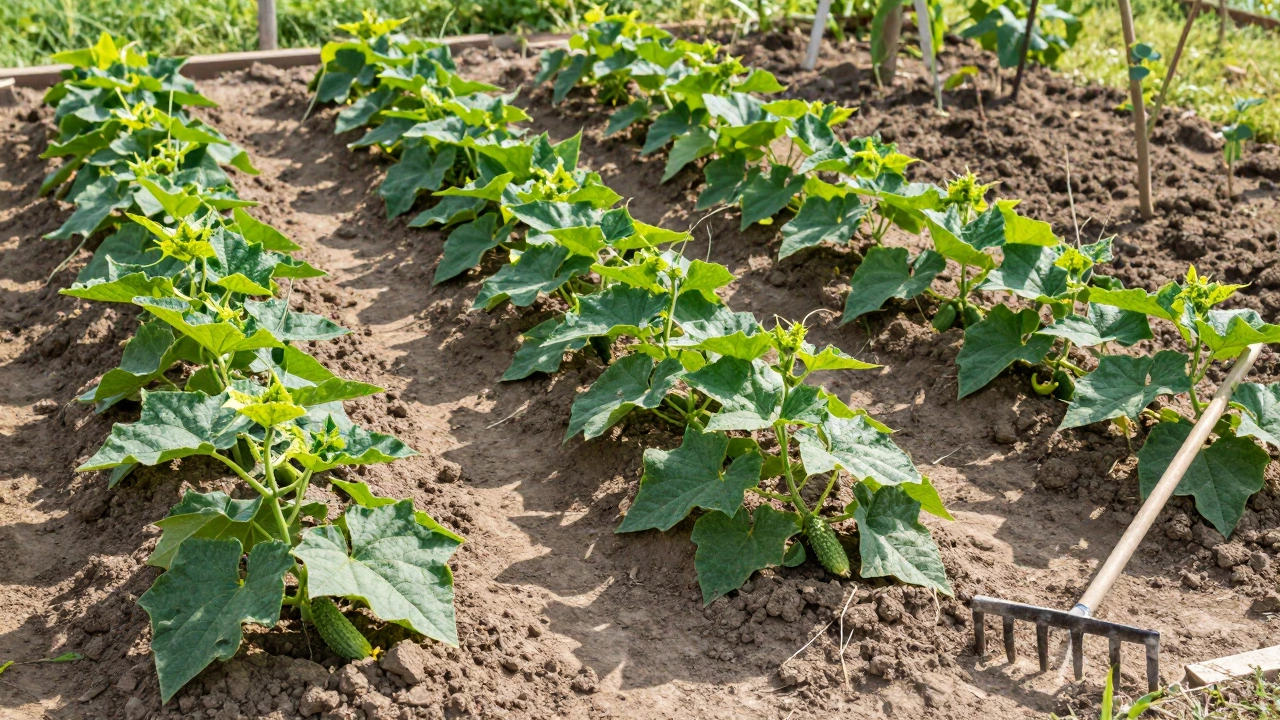
How Far Apart Should I Plant Cucumbers? Space Guide for Healthy Yields
Plant cucumbers 12 to 18 inches apart for healthy growth and better yields. Bush types need less space, vining types need room to sprawl or climb. Proper spacing prevents disease, improves pollination, and boosts fruit production.
Kitchen Gardening
0
Comments
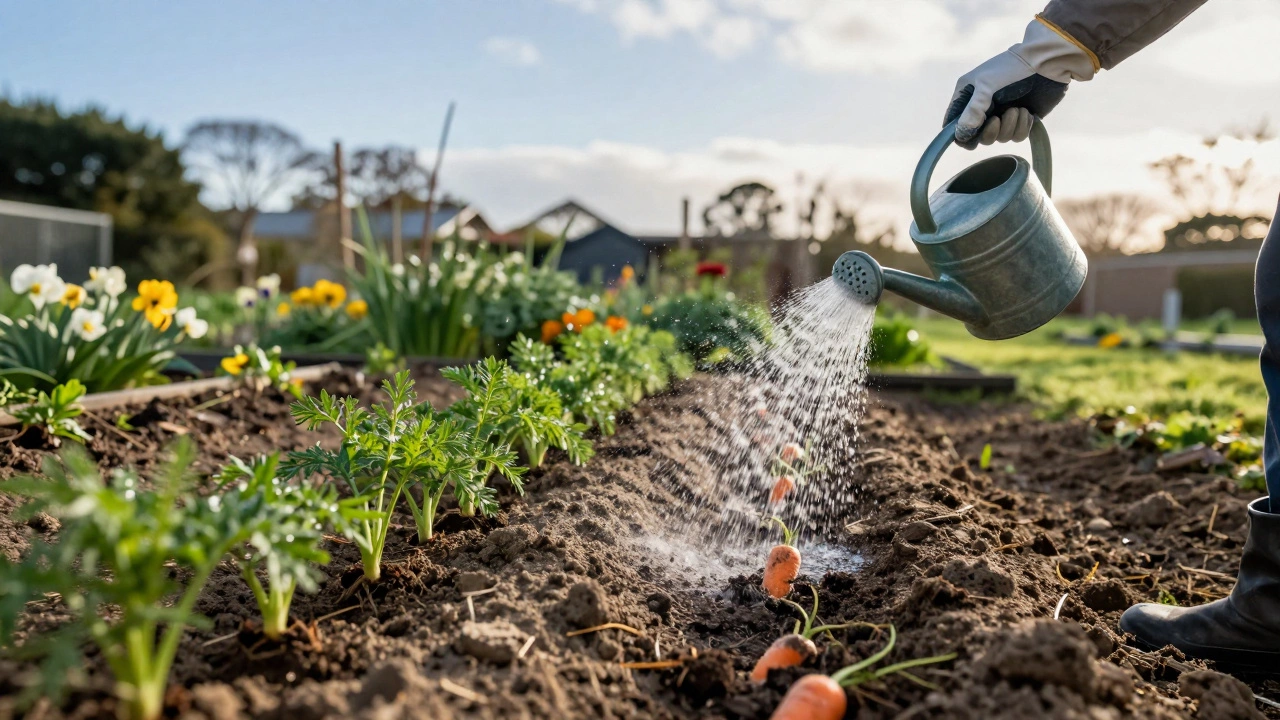
Best Month to Sow Carrots for a Healthy Harvest
Learn the best month to sow carrots in Auckland for sweet, crisp harvests. Discover ideal planting times, soil tips, and varieties that thrive in New Zealand's climate.
Kitchen Gardening
0
Comments
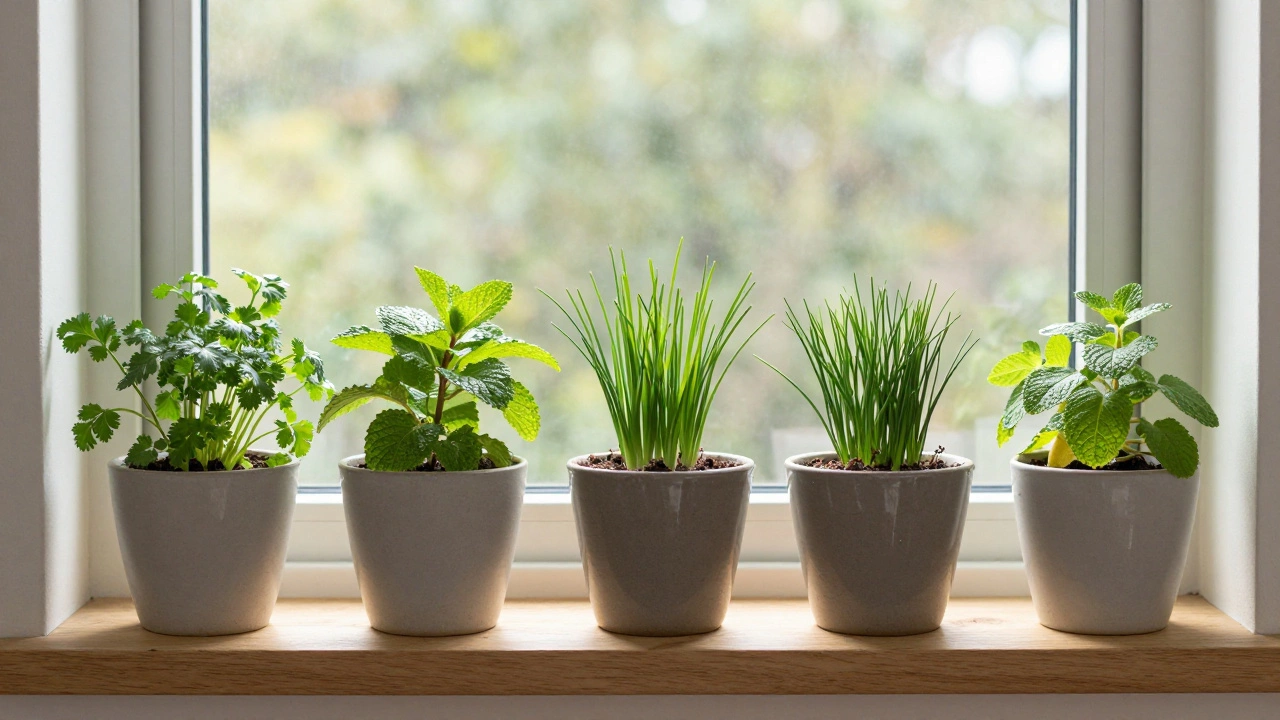
Is It Cheaper to Build Your Own Kitchen Garden?
Building a kitchen garden can save you hundreds a year-if you grow the right herbs. Learn which plants pay for themselves fast and which ones cost more than buying them.
Kitchen Gardening
0
Comments
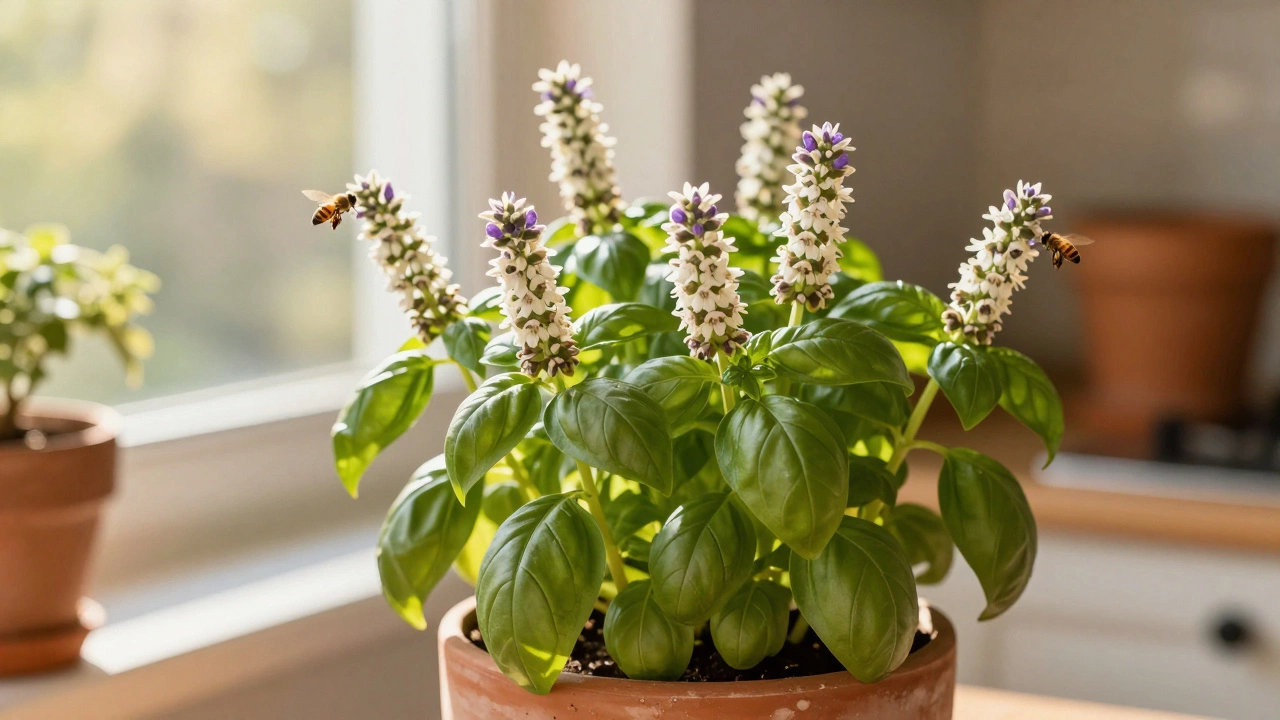
What Is the Most Underrated Flower for Kitchen Gardening?
Basil flower is the most underrated flower in kitchen gardening-edible, bee-friendly, and easy to grow. Learn how to use it in cooking, save seeds, and let your plants thrive naturally.
Kitchen Gardening
0
Comments
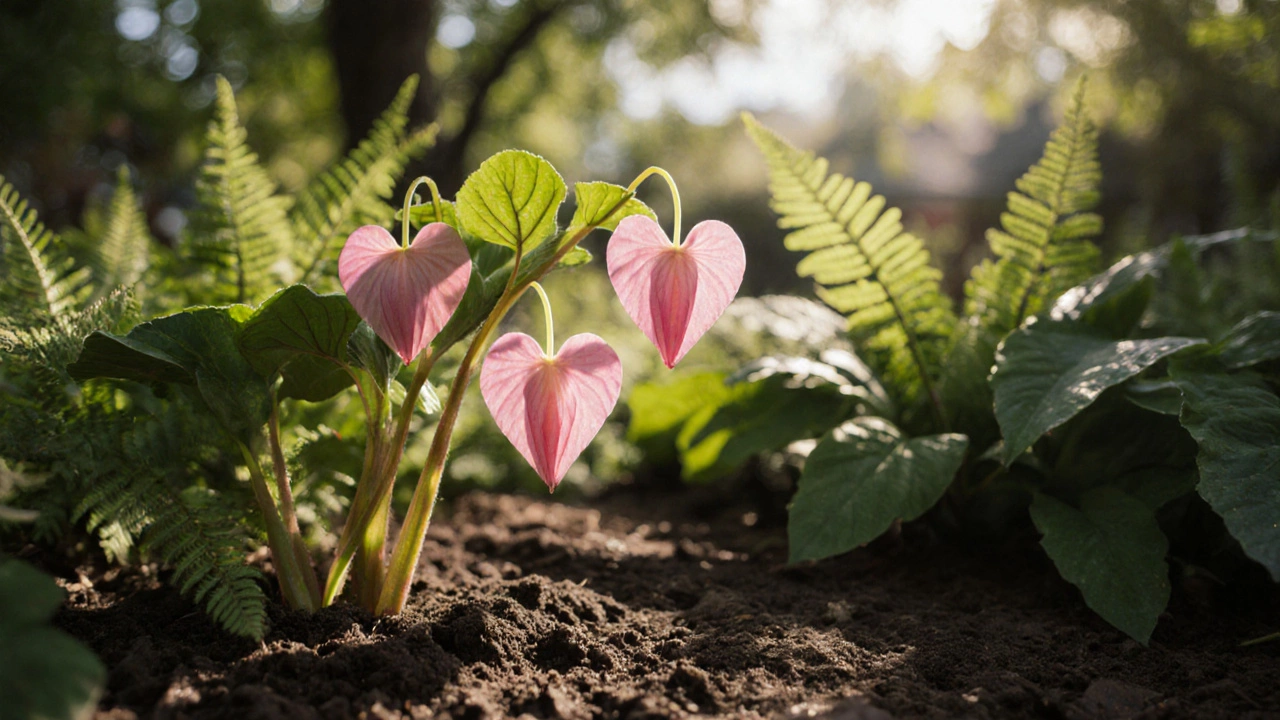
Do Bleeding Hearts Like Sun or Shade? The Right Light for Kitchen Garden Success
Bleeding hearts thrive in partial shade, not full sun. Learn how to grow these delicate, heart-shaped flowers in your kitchen garden with the right light, soil, and care-especially in Auckland's climate.
Kitchen Gardening
0
Comments
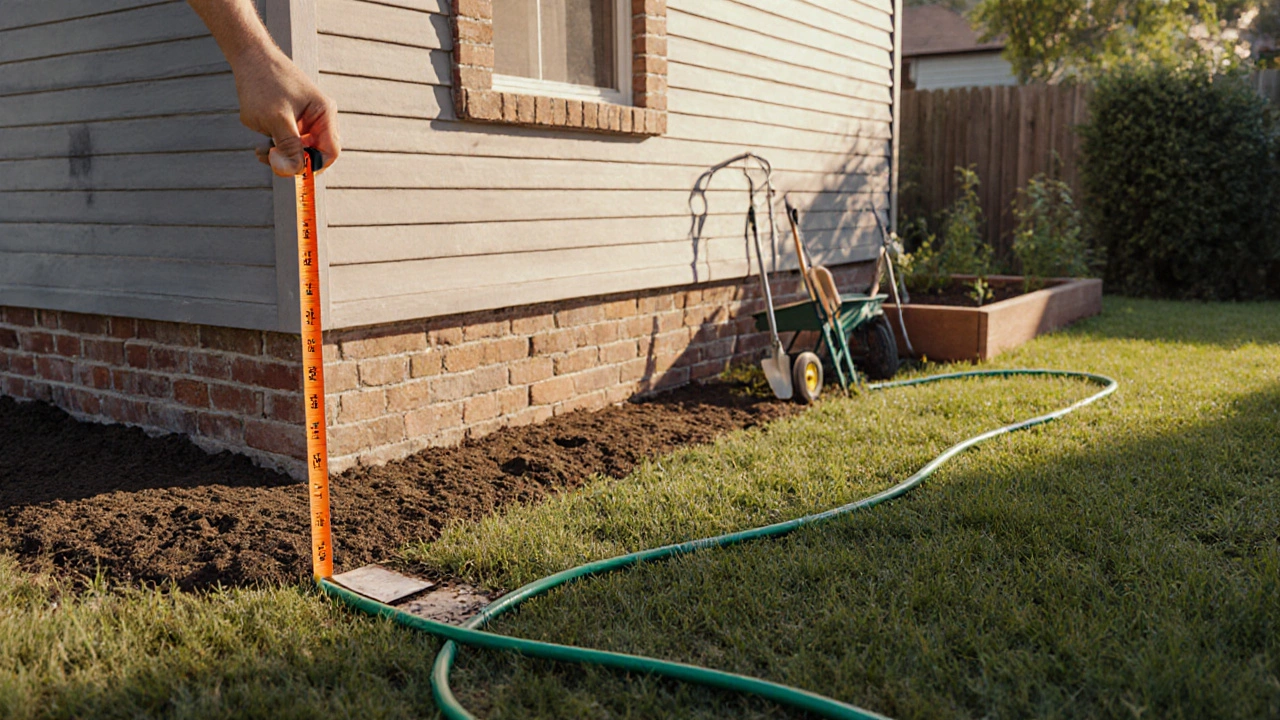
How Far Should a Garden Be From Your House? Practical Setback Guidelines
Discover the optimal garden setback distance from your house, covering safety, moisture, fire risk, and legal guidelines for a thriving kitchen garden.
Kitchen Gardening
0
Comments
Raised Bed Gardening: The Two Drawbacks You Should Know
While raised beds offer many benefits for gardening enthusiasts, they come with a couple of significant drawbacks. From costing more upfront to requiring more maintenance, these downsides can affect whether raised beds are the right choice for you. This article breaks down both issues to help you make an informed decision. If you're considering raised beds, understanding these two cons is essential. Dive into the nitty-gritty of raised bed gardening drawbacks.
Kitchen Gardening
0
Comments
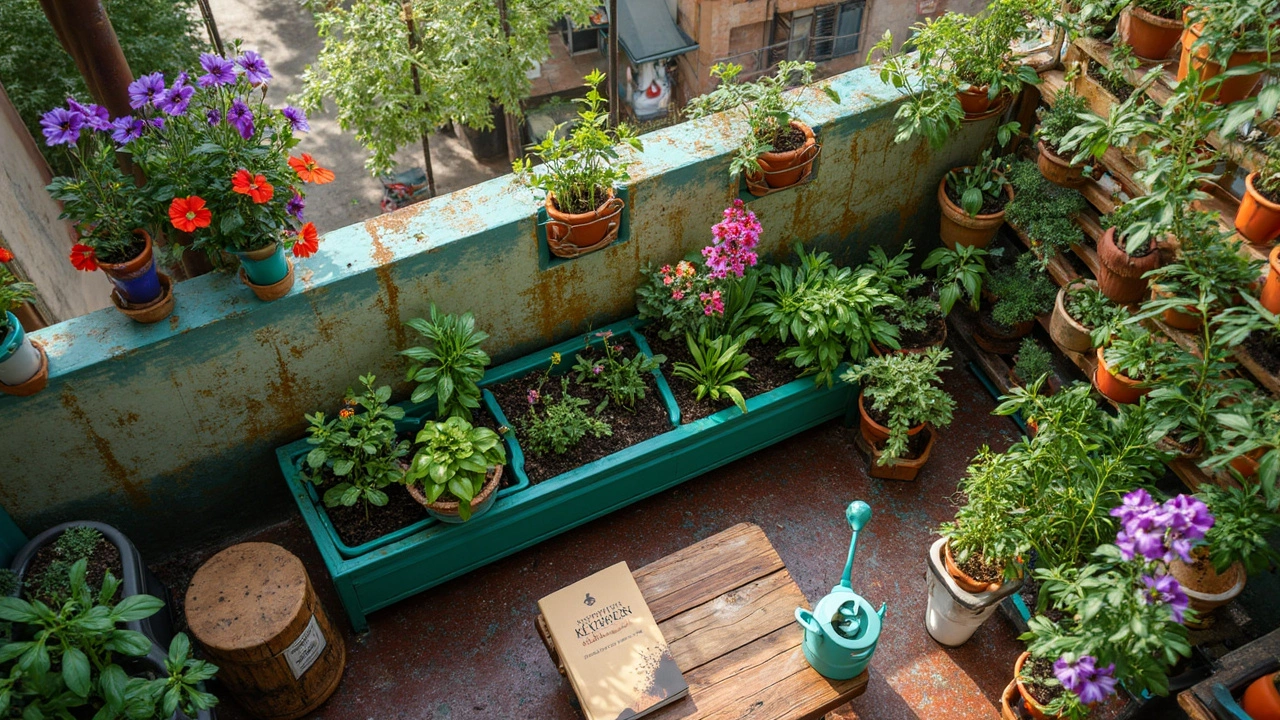
How Much Space Do You Need for a Kitchen Garden?
Wondering if you have enough space for a kitchen garden? This article helps you understand the space you'll need by exploring various kitchen garden setups from small herb boxes to larger systems. We'll consider factors like plant types, garden styles, and placement, ensuring you're well-equipped to cultivate fresh produce right at home. With practical tips and space-saving techniques, this article is a must-read for any aspiring gardener with limited room.
Kitchen Gardening
0
Comments
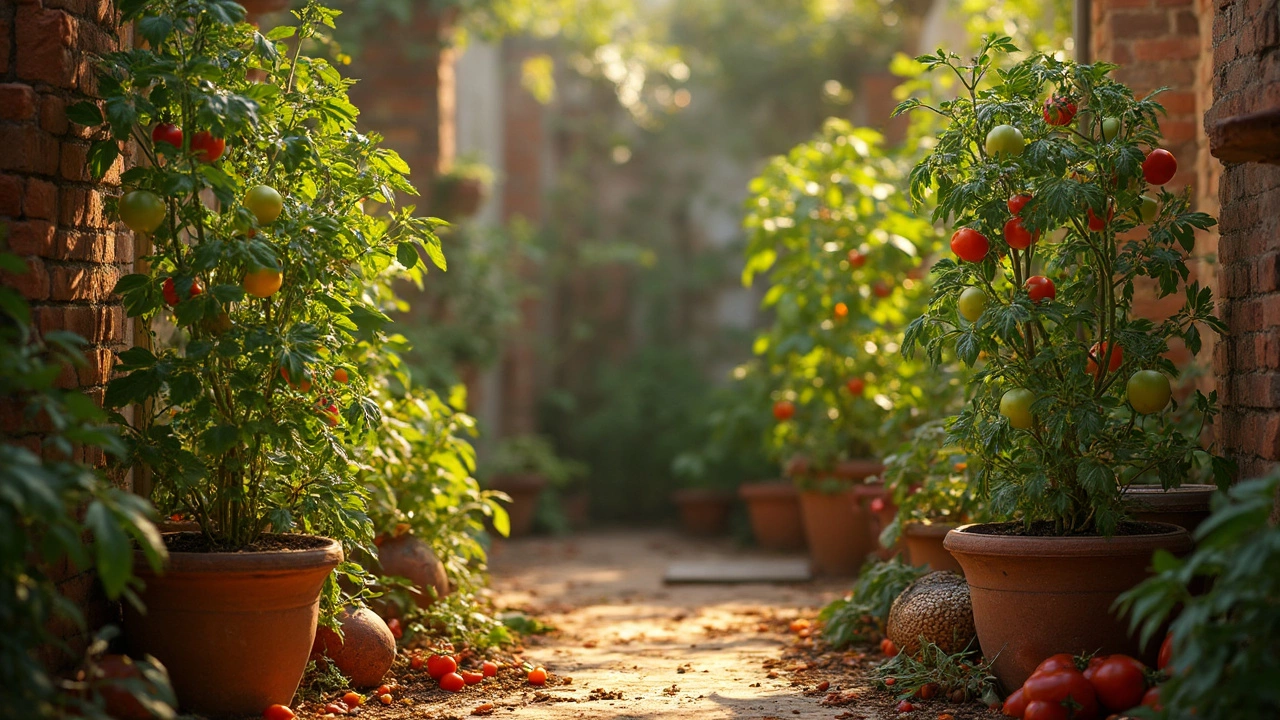
How Long Do Tomatoes Take to Grow? Quick Guide for Garden Lovers
Tomatoes are a popular choice for home gardeners due to their versatility and rewarding yield. From seed to harvest, tomatoes typically take 60 to 100 days to grow, depending on the variety. Proper care, including the right amount of sunlight and water, significantly impacts their growth. Understanding how different types of tomatoes mature can help gardeners plan their planting schedule. Here’s how you can optimize conditions for a successful tomato crop.

Kitchen Gardening
0
Comments
Should You Use Landscape Fabric Under Raised Beds?
Deciding whether to use landscape fabric under your raised beds can be a game-changer for your kitchen garden. While it can suppress weeds, its drawbacks include potential impact on soil health. We'll cover the pros and cons, alternative options, and tips for enhancing your gardening experience. Understanding these factors will help you create the most productive and sustainable garden possible.
- 1
- 2
About
Kitchen Gardening
Latest Posts
Should I Mist My Happy Plant? Unpacking the Benefits and Myths
By Alden Thorne Apr 4, 2025

Best Soil for Rice Cultivation: Secrets to Thriving Paddies
By Alden Thorne Jul 17, 2025
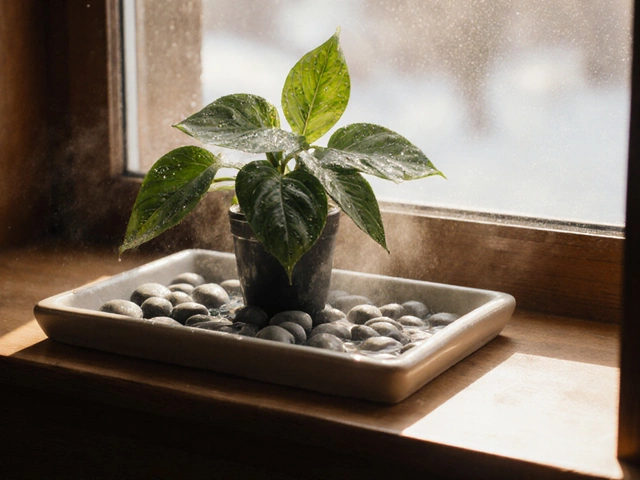
What Plants Benefit from a Pebble Tray? A Practical Guide for Indoor Plant Care
By Alden Thorne Nov 8, 2025