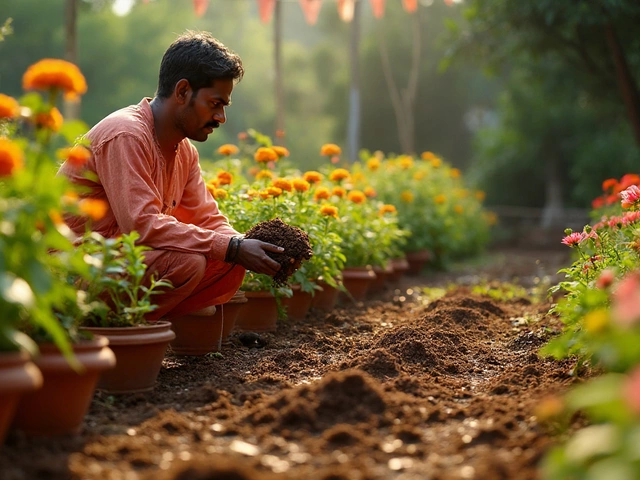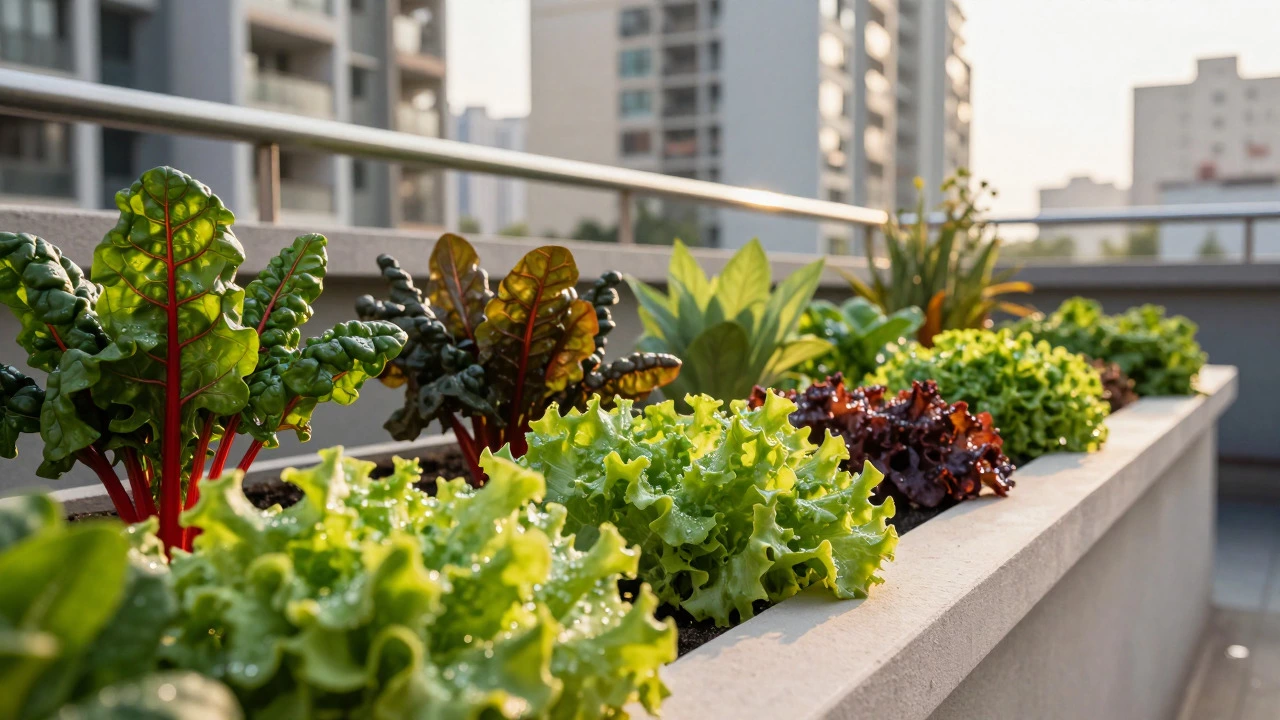
Standing on your rooftop or looking out at a sunny balcony, you might see wasted space. Most people see concrete and wind. You should see potential dinner plates. Terrace farming turns that empty square footage into a productive food source. It is not just about aesthetics; it is about growing real food in an urban environment where land is scarce.
The challenge isn't finding what grows, but finding what survives the unique conditions of a raised platform. The sun hits harder from all angles. The wind strips moisture faster. The soil depth is limited by weight constraints. If you pick the wrong plants, they wither in a week. Pick the right ones, and you harvest greens every few days. This guide breaks down exactly which crops thrive in these specific conditions, how to structure your planting strategy, and the pitfalls that kill most new terrace gardens.
What are the absolute best crops for beginners on a terrace?
Leafy greens like lettuce, spinach, and Swiss chard are the safest starting point. They grow fast, require shallow roots, and tolerate the fluctuating temperatures of a rooftop better than fruiting crops. Herbs like basil and mint are also excellent because they are resilient and useful even if you don't get a massive harvest.
Understanding the Terrace Microclimate
Before buying seeds, you need to understand why a terrace is different from a backyard. The air circulation is constant. There is no tree cover to block the midday sun. In Auckland, where I live, this means intense UV exposure during summer afternoons. Your plants lose water through transpiration much faster here than in ground-level soil.
This creates a high-stress environment. Plants that struggle in backyards often excel here because they are bred for resilience. Conversely, delicate flowers or deep-rooted trees usually fail unless you have heavy-duty structural support and massive containers. The key is matching the plant's natural hardiness to the exposed nature of the roof.
- Wind Load: Tall, top-heavy plants like unsecured tomatoes will snap. You need sturdy stems or strong trellising.
- Heat Reflection: Concrete radiates heat upward. Roots can cook if pots sit directly on hot surfaces without insulation.
- Water Drainage: Overwatering leads to root rot quickly because there is no ground to absorb excess moisture. Containers must have perfect drainage holes.
Top Leafy Greens for Shallow Soil
If your terrace has weight restrictions or you are using small pots, leafy greens are your best friend. They do not need deep soil profiles. You can grow them in containers as shallow as 6 inches (15 cm). This makes them ideal for window boxes or narrow railing planters.
Lettuce is a cool-season crop that thrives in partial shade and requires minimal root space. It grows rapidly, allowing you to cut leaves continuously rather than harvesting the whole head at once. Varieties like Oakleaf or Romaine handle the early morning sun well but may bolt (go to seed) if exposed to full afternoon heat in summer. Plant them in the cooler months or provide afternoon shade cloth.
Spinach and Swiss Chard are tougher. They tolerate more wind and temperature swings. Swiss Chard, in particular, adds visual appeal with its colorful stems while providing a steady supply of iron-rich leaves. These greens prefer consistent moisture. On a windy terrace, mulching the soil surface with straw or wood chips helps retain humidity around the roots.
Fruiting Vegetables That Withstand Wind
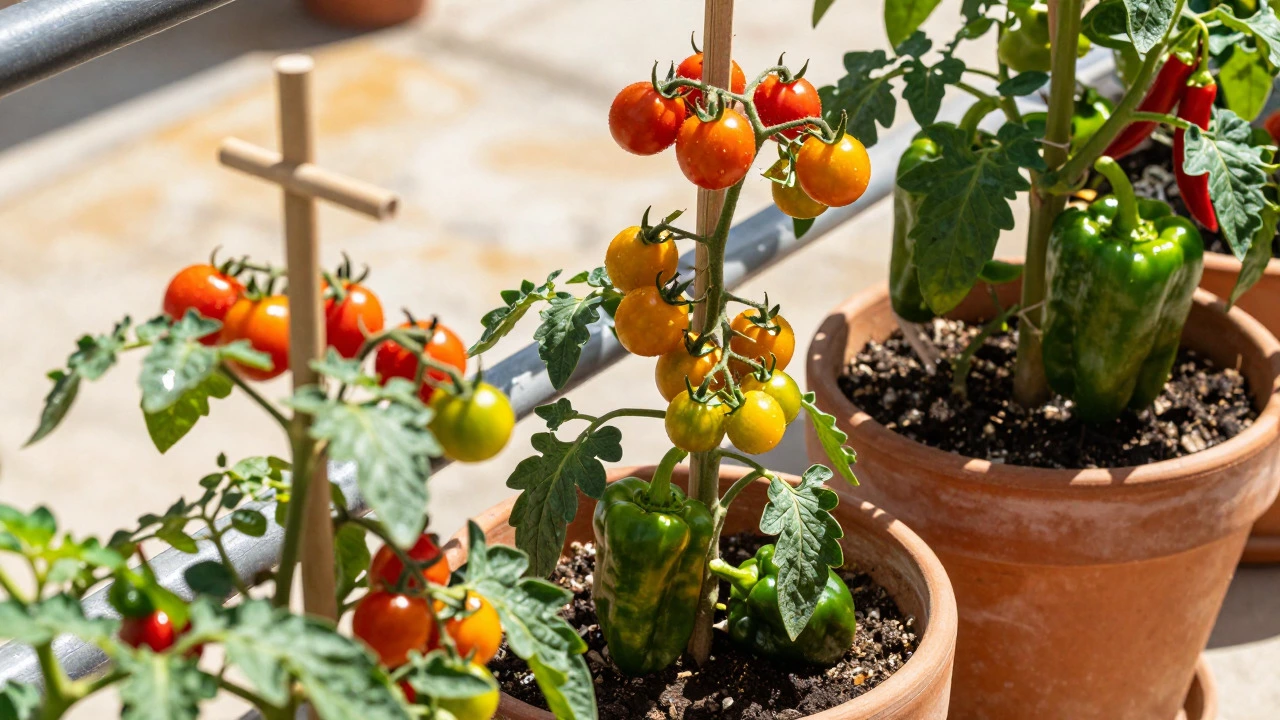
You might want tomatoes or peppers, but standard varieties often flop over in the breeze. You need compact, bush-type varieties that stay under 2 feet tall. These 'determinate' types set their fruit quickly and don't require extensive staking.
| Crop Type | Container Size Needed | Sun Requirement | Wind Tolerance |
|---|---|---|---|
| Cherry Tomatoes (Bush) | 5-7 Gallons | Full Sun (6+ hours) | Medium (Needs light stake) |
| Bell Peppers | 3-5 Gallons | Full Sun | High (Sturdy stems) |
| Eggplant (Dwarf) | 5 Gallons | Full Sun | Low (Sheltered spot needed) |
| Hot Peppers (Chili) | 2-3 Gallons | Full Sun | Very High |
Hot peppers are arguably the easiest fruiting crop for terraces. They love the heat reflected from the concrete. Varieties like Jalapeño or Cayenne produce heavily in small spaces. Bell peppers are slightly more sensitive to cold snaps, so start them indoors or wait until late spring when night temperatures stabilize above 10°C (50°F).
Herbs: The Low-Maintenance Powerhouses
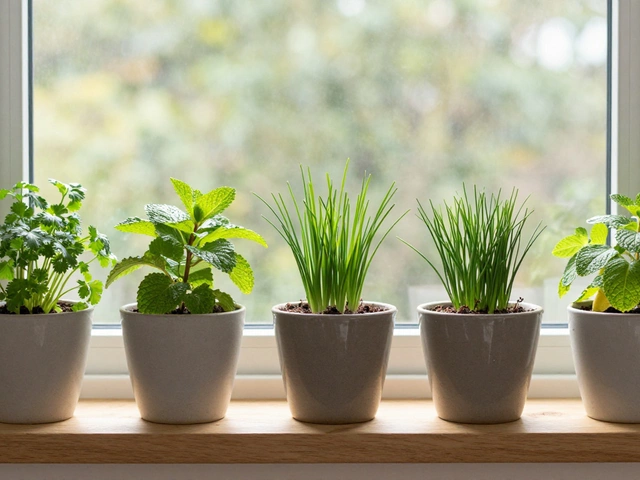
Herbs are the backbone of any successful terrace garden. They are aromatic, pest-resistant, and incredibly versatile in cooking. Most herbs originate from Mediterranean climates, meaning they crave the exact conditions a terrace provides: full sun and good airflow.
Basil is a favorite, but it wilts dramatically if it misses a watering. Keep it near other plants to create a humid micro-zone. Rosemary and Thyme are woody perennials that handle drought and wind exceptionally well. Once established, they require almost no care. Mint is invasive in ground gardens, making it perfect for pots where its roots are contained. Just ensure the pot is large enough, as mint spreads aggressively horizontally.
Cilantro and Parsley are biennials that act like annuals in warm weather. They bolt quickly in direct sun. Plant them in areas that receive morning sun but are shaded during the hottest part of the day. This extends their harvest life significantly.
Root Vegetables and Tubers
Growing roots in containers seems counterintuitive, but many varieties adapt well. The key is choosing 'baby' or dwarf cultivars designed for limited space.
Radishes are the fastest crop you can grow. From seed to harvest takes just 25-30 days. They need loose, stone-free soil. Compact carrots like 'Paris Market' or 'Little Finger' work well in deeper pots (at least 8 inches deep). Avoid long Daikon radishes unless you have very deep troughs.
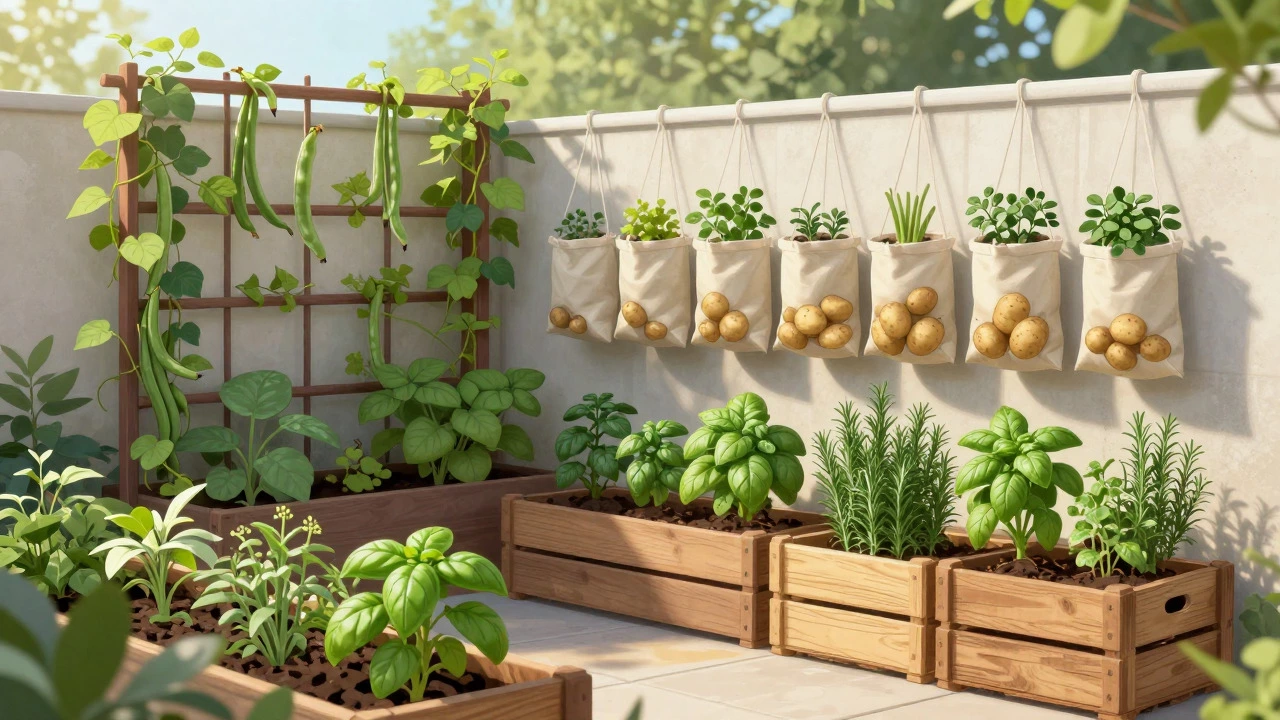
Potatoes are tricky on terraces due to weight. Wet soil is heavy. Instead of traditional hills, use potato sacks or vertical tower growers. These systems allow you to harvest easily without digging up the entire container. Red-skinned potatoes tend to have firmer skins that hold up better during transport from the roof to the kitchen.
Structuring Your Planting Strategy
Success depends on layout. Do not scatter pots randomly. Group plants with similar water and light needs together. This is called companion grouping. It reduces maintenance time and prevents one plant from drowning while another dries out.
- Assess Sun Exposure: Track the shadow lines on your terrace for a full day. Mark zones: Full Sun (6+ hours), Partial Shade (3-6 hours), and Full Shade (<3 hours).
- Zone Planning: Place heat-loving crops (peppers, tomatoes) in Full Sun zones. Put leafy greens in Partial Shade zones to prevent bolting.
- Vertical Utilization: Use trellises for climbing beans or cucumbers. This saves floor space and keeps foliage off the ground, reducing fungal issues.
- Weight Distribution: Heavier pots go closer to load-bearing walls. Lighter fabric pots can go on open decks. Always check your building's weight limit per square foot.
Common Pitfalls to Avoid
New terrace farmers often make three critical errors. First, they use regular garden soil. Garden soil compacts in pots, suffocating roots. Use a high-quality potting mix amended with perlite for drainage and compost for nutrients.
Second, they ignore irrigation automation. Watering manually on a hot, windy day is exhausting. Drip irrigation kits with timers ensure consistent moisture delivery. This is crucial for fruiting crops, which drop flowers if water stress occurs during pollination.
Third, they overcrowd. Plants compete for resources. Give each plant the space recommended on the seed packet. Crowding increases humidity between leaves, inviting mildew and pests. Airflow is your primary defense against disease on a terrace.
Seasonal Rotation for Year-Round Harvests
Terrace farming doesn't stop in winter. You just change the menu. In summer, focus on heat-tolerant crops like okra, eggplant, and hot peppers. As temperatures drop, transition to brassicas like kale, broccoli, and cabbage. These crops actually sweeten after a light frost.
In colder climates, consider cold frames or hoop houses made from PVC pipes and plastic sheeting. These simple structures extend the growing season by several weeks. In milder regions like Auckland, you can grow strawberries year-round if protected from heavy rain, which causes rot.
How much soil do I need for a vegetable container?
It depends on the crop. Leafy greens need 6-8 inches of depth. Tomatoes and peppers need 12-18 inches. Root vegetables need at least 8-10 inches. Volume-wise, aim for at least 3 gallons for herbs and 5-7 gallons for fruiting vegetables to maintain stable moisture levels.
Can I grow fruit trees on my terrace?
Only dwarf or patio varieties. Standard apple or citrus trees become too heavy and top-heavy for wind. Look for 'dwarf lemon' or 'patio peach' grafted onto dwarfing rootstocks. Even then, ensure your terrace can support the wet weight of a large pot, which can exceed 100 lbs.
What is the best way to protect plants from strong winds?
Create windbreaks using lattice screens, bamboo fences, or dense shrubs along the windward side of the terrace. Anchor tall plants firmly with stakes. Group pots together to create a buffer zone. Avoid placing fragile plants on exposed corners.
Do I need special fertilizer for container gardening?
Yes. Potting soil lacks long-term nutrients. Use a slow-release organic fertilizer mixed into the soil at planting time. Supplement with liquid seaweed or fish emulsion every two weeks during the active growing season to replace nutrients washed away by frequent watering.
How do I manage pests on a rooftop?
Rooftops have fewer ground-based pests but attract flying insects like aphids and whiteflies. Use yellow sticky traps to monitor populations. Introduce beneficial insects like ladybugs. Spray with neem oil or insecticidal soap at dusk to avoid harming bees. Good airflow naturally reduces pest pressure.