Resilient Flower Selector
Select your top priority factor below, then choose a flower to see its resilience profile and care tips.
Sedum
Stonecrop
Lavender
Mediterranean Herb
Black-Eyed Susan
Rudbeckia
Coneflower
Echinacea
Cosmos
Annual Daisy
Flower Profile
Resilience Scores
Key Traits
- ✔ Deep root system
- ✔ Self-seeding capability
Care Tips
Water deeply but infrequently. Prune after flowering.
You want a garden that looks good without demanding your life. You plant something beautiful, and then the weather turns against you. Maybe it’s a heatwave that scorches the leaves, or a dry spell that cracks the soil. In those moments, you need plants that don’t just survive-they thrive. The search for the most resilient flower isn't about finding one magic bullet. It’s about understanding which plants have built-in armor against stress.
Resilience in gardening means more than just surviving. It means bouncing back from neglect, resisting pests, and handling extreme temperatures with grace. If you are looking to build a sustainable garden that requires less water, less fertilizer, and less worry, choosing the right blooms is your first step. Let’s look at the champions of toughness that can handle almost anything you throw at them.
The Definition of a Resilient Flower
Before we pick our favorites, let’s define what makes a flower truly resilient. A resilient plant has specific traits that help it endure harsh conditions. These traits often include deep root systems, waxy leaf coatings, and the ability to go dormant during extreme stress.
When we talk about resilience, we are usually talking about three main threats:
- Drought: The inability to get enough water.
- Heat: Temperatures that cause wilting or sunburn.
- Pests and Disease: Insects and fungi that attack weak plants.
The most resilient flowers excel in at least two of these areas. They are the marathon runners of the plant world, not the sprinters. They might not bloom as explosively as some delicate annuals, but they will be there year after year, providing color when other gardens have turned brown.
Top Contenders for the Title of Most Resilient Flower
There is no single "most" resilient flower because resilience depends on your local climate. However, several species consistently rank at the top for their ability to withstand abuse. Here are the heavy hitters.
1. Sedum (Stonecrop)
If you live in a hot, dry area, Sedum is likely your best friend. This succulent family is famous for its fleshy leaves that store water. Sedum comes in many varieties, from ground covers to tall flowering spikes. The 'Autumn Joy' variety is particularly popular because it produces large, flat heads of pink flowers that turn rusty red as they age.
Sedum is nearly indestructible. It tolerates poor soil, full sun, and long periods without water. Deer and rabbits generally ignore it because the leaves are thick and unpalatable. It spreads easily, creating a carpet of green that bursts into color in late summer. For a low-maintenance garden, this is a top choice.
2. Lavender
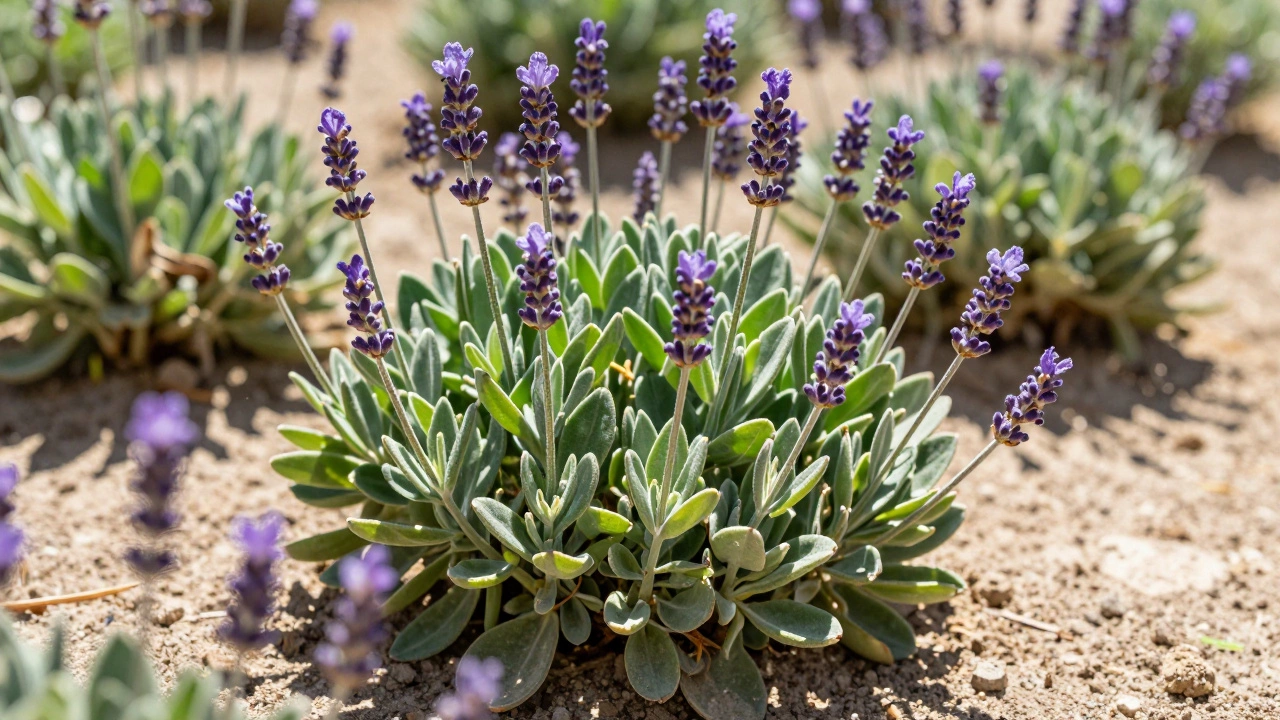
Lavender is a fragrant herbaceous perennial known for its purple flower spikes and aromatic oils. Native to the Mediterranean, lavender is used to thriving in hot, dry conditions. It prefers well-drained soil and full sun. In fact, too much water or shade will kill it faster than drought will.
Lavender is highly resistant to pests. Its strong scent repels mosquitoes, flies, and moths. It also attracts beneficial insects like bees and butterflies. While it may need occasional pruning to keep its shape, it rarely needs fertilizing or watering once established. It adds structure, scent, and color to any garden.
3. Black-Eyed Susan (Rudbeckia)
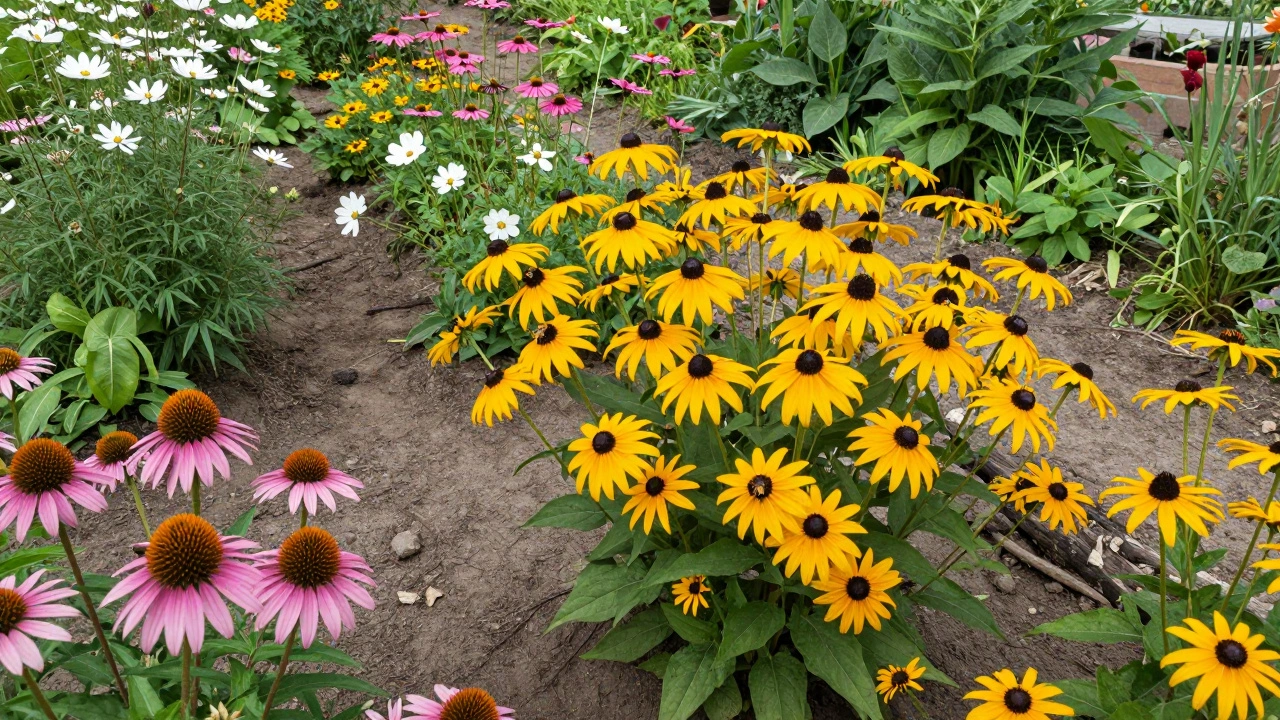
Black-Eyed Susan, or Rudbeckia hirta, is a native North American wildflower known for its bright yellow petals and dark centers. This perennial is incredibly tough. It grows in almost any soil type, from clay to sand. It handles heat, humidity, and even some shade. Black-Eyed Susans self-seed readily, meaning they come back every year without you having to replant them.
They are also resistant to most diseases and pests. Birds love the seeds in the fall, making them a great addition to wildlife-friendly gardens. Their cheerful yellow blooms last from mid-summer to early autumn, providing a long season of color.
4. Coneflower (Echinacea)
Coneflower, or Echinacea purpurea, is a robust perennial with daisy-like flowers and prominent central cones. Like Black-Eyed Susan, Echinacea is a native prairie plant that has evolved to survive harsh conditions. It has deep taproots that allow it to access water deep in the soil, making it drought-tolerant once established.
Echinacea is known for its medicinal properties, but in the garden, it is valued for its beauty and toughness. It resists deer and rabbits, and it blooms prolifically from June to August. The seed heads left on the plant in winter provide food for birds and add architectural interest to the landscape.
5. Cosmos
Cosmos is an annual flower with delicate, daisy-like blooms on slender stems. Don’t let its delicate appearance fool you. Cosmos is surprisingly tough. It thrives in poor soil; in fact, rich soil can make the stems leggy and prone to breaking. It loves heat and drought. Once planted, Cosmos requires very little care.
Cosmos self-seeds generously, so you’ll likely have volunteers next year. They attract pollinators and provide a light, airy texture to the garden. Available in shades of pink, white, and purple, they are perfect for filling gaps between taller perennials.
| Flower | Drought Tolerance | Pest Resistance | Soil Preference | Bloom Time |
|---|---|---|---|---|
| Sedum | High | High | Well-drained, poor | Summer to Fall |
| Lavender | Very High | Very High | Well-drained, alkaline | Mid-Summer |
| Black-Eyed Susan | Medium-High | High | Any, adaptable | Mid-Summer to Fall |
| Coneflower | High | High | Well-drained, average | June to August |
| Cosmos | High | Medium | Poor to average | Summer to Frost |
Factors That Influence Plant Resilience
Choosing the right flower is only half the battle. How you grow them matters just as much. Even the toughest plants can struggle if placed in the wrong environment. Here are key factors to consider.
Soil Quality
Most resilient flowers prefer well-drained soil. Heavy clay soils hold too much water, leading to root rot. Sandy soils drain too quickly, losing nutrients. Aim for a balance. Adding organic matter like compost can improve soil structure without over-fertilizing. Remember, many tough plants actually prefer lean soil. Overfeeding them can make them soft and susceptible to disease.
Sun Exposure
Most resilient flowers are sun-lovers. They need at least six hours of direct sunlight a day to produce strong stems and abundant blooms. Shade can weaken them, making them more vulnerable to pests and fungal issues. If you have a shady garden, look for shade-tolerant resilient options like Ferns or Hostas, though these are less "flower-focused."
Watering Practices
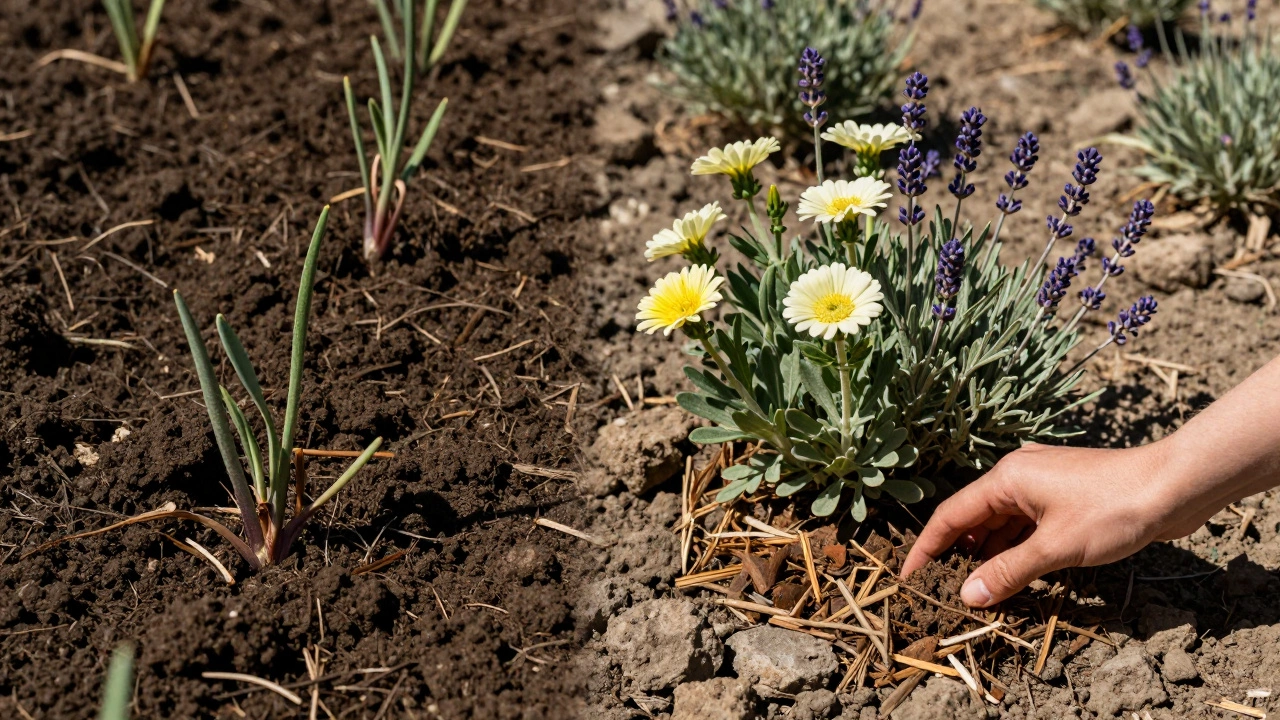
The biggest mistake people make with resilient plants is overwatering. These plants are adapted to dry conditions. Water deeply but infrequently. This encourages deep root growth. Shallow, frequent watering keeps roots near the surface, where they are more susceptible to heat and drying out. Use mulch to retain moisture and suppress weeds.
Building a Resilient Garden Design
Don’t just plant one type of resilient flower. Create a diverse ecosystem. Mixing different heights, textures, and bloom times creates a garden that is visually interesting and ecologically balanced.
Start with a backbone of sturdy perennials like Coneflowers and Black-Eyed Susans. Fill in the gaps with shorter Sedums or creeping Thyme. Add annuals like Cosmos for quick color and self-seeding benefits. This layering approach ensures that if one plant struggles, others will fill in the space.
Consider companion planting. Some plants help each other. For example, planting Marigolds near vegetables can deter pests. Lavender near roses can repel aphids. By thinking about how plants interact, you reduce the need for chemical interventions.
Maintenance Tips for Tough Blooms
Even resilient flowers need some care. Here are simple steps to keep them healthy:
- Deadhead regularly: Removing spent flowers encourages new blooms. This is especially important for Cosmos and Coneflowers.
- Prune appropriately: Lavender needs annual pruning to prevent woodiness. Cut back by one-third after flowering.
- Divide when crowded: Perennials like Sedum and Black-Eyed Susan can become overcrowded. Divide them every few years in early spring to rejuvenate growth.
- Monitor for pests: While resistant, no plant is immune. Check undersides of leaves for aphids or spider mites. A strong jet of water can often dislodge them.
Avoid heavy fertilizers. These plants are adapted to nutrient-poor soils. Too much nitrogen leads to lush foliage but fewer flowers and weaker stems. Stick to a light application of compost in the spring.
Why Resilience Matters in Sustainable Gardening
Choosing resilient flowers is a key part of sustainable gardening. These plants require less water, reducing strain on local resources. They need fewer pesticides and fertilizers, protecting soil health and biodiversity. By working with nature rather than against it, you create a garden that supports itself.
In a changing climate, with more extreme weather events becoming common, resilient plants offer security. They provide beauty and stability when other gardens fail. Investing in tough blooms today means enjoying a vibrant garden tomorrow, regardless of what the weather throws at you.
What is the easiest flower to grow for beginners?
Cosmos and Zinnias are among the easiest flowers for beginners. They germinate quickly from seed, tolerate heat and drought, and require minimal care. They bloom profusely and self-seed, ensuring returns in subsequent years.
Do resilient flowers need fertilizer?
Most resilient flowers do not need regular fertilizer. In fact, excessive feeding can harm them by promoting weak growth. A light application of compost in early spring is usually sufficient. Focus on soil health rather than synthetic nutrients.
Can I grow resilient flowers in containers?
Yes, many resilient flowers like Sedum, Lavender, and Dwarf Coneflowers grow well in containers. Ensure pots have drainage holes and use well-draining potting mix. Container plants may need more frequent watering than those in the ground.
How do I protect my flowers from extreme heat?
Mulching is the best defense against heat. A layer of organic mulch insulates roots and retains moisture. Water deeply in the early morning to minimize evaporation. Choose heat-tolerant varieties like Sedum and Lavender for hot climates.
Are resilient flowers deer-proof?
Many resilient flowers are deer-resistant due to their texture, scent, or toxicity. Sedum, Lavender, and Echinacea are generally ignored by deer. However, no plant is 100% deer-proof, especially during times of severe food scarcity.