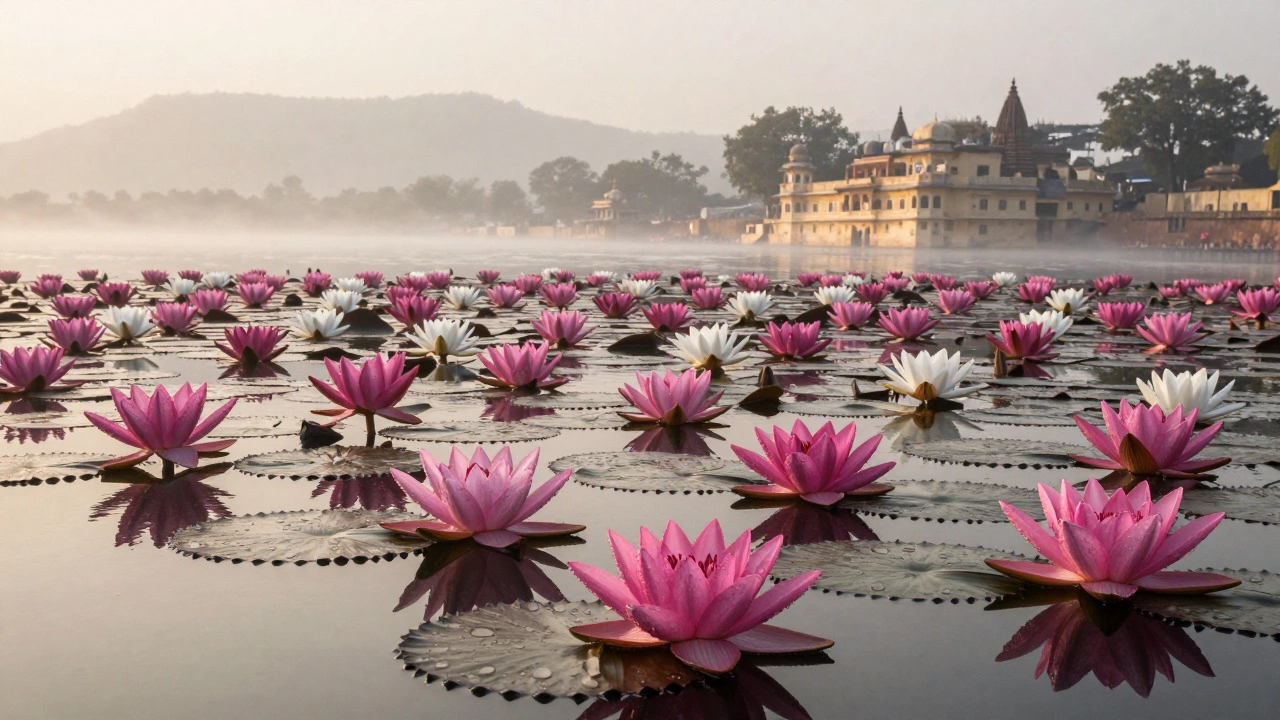
When you think of flowers in India, you don’t just think of color or scent-you think of meaning. The lotus isn’t just a pretty bloom; it’s woven into the country’s soul. It appears on ancient coins, temple carvings, and even the national emblem. Ask anyone in India what the king of flowers is, and they’ll tell you without hesitation: the lotus.
The Lotus: More Than a Flower
The lotus, or Nelumbo nucifera, grows in muddy ponds and still waters across India-from the backwaters of Kerala to the lakes of Kashmir. What makes it special isn’t just how it looks, but how it behaves. It rises from dirty water, untouched by grime, blooming clean and bright. That’s why it’s become a symbol of purity, enlightenment, and spiritual rebirth in Hinduism, Buddhism, and Jainism.
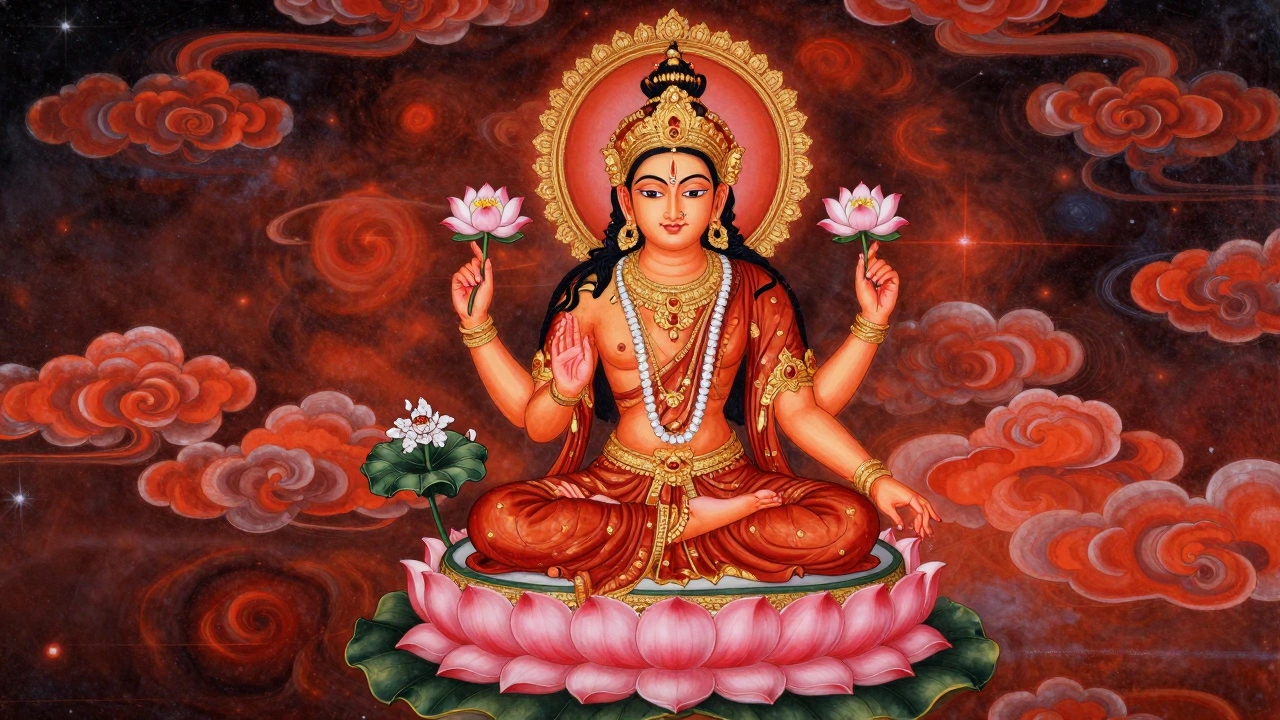
Unlike other flowers that wilt quickly, the lotus lasts for days. Its petals are thick, waxy, and repel water. Even when submerged, the seed pods remain dry. This isn’t just biology-it’s poetry made real. In Indian art, gods and goddesses sit on lotus thrones. Lakshmi, the goddess of wealth, holds a lotus in each hand. Brahma, the creator, emerges from a lotus growing from Vishnu’s navel. The flower isn’t decoration-it’s divine.
Why the Lotus Was Chosen as India’s National Flower
India officially declared the lotus its national flower in 1950, the same year the Constitution came into force. It wasn’t chosen because it’s rare or expensive. It was chosen because it’s everywhere-and everywhere, it means something.
Compare it to other contenders. The rose is popular in gardens, but it’s not native. Marigolds are bright and used in festivals, but they’re temporary. The lotus endures. It grows in both the dry north and the humid south. It survives floods and droughts. It feeds people-the seeds are eaten as snacks, the stems are cooked like vegetables, and the rhizomes are used in traditional medicine.
The government didn’t pick a flower for its beauty alone. They picked one that reflects resilience, unity, and deep-rooted culture. No other flower in India carries that weight.
How to Grow the Lotus in Indian Gardens
If you’re thinking of growing lotus in your garden, you need to understand its needs. It’s not like a rose or a sunflower. You can’t just plant it in a pot of regular soil and expect it to thrive.
- Water depth: Lotus needs at least 12 to 18 inches of still water above the soil. Shallow water won’t work.
- Soil: Use heavy clay soil, not potting mix. It holds nutrients and keeps the roots anchored.
- Container: Use wide, shallow containers-like old bathtubs or plastic tubs. Deep pots restrict root spread.
- Light: Full sun. At least 6 hours of direct sunlight daily.
- Temperature: Lotus thrives between 20°C and 30°C. It goes dormant in winter if temperatures drop below 15°C.
Start with rhizomes, not seeds. Seeds take years to bloom. Rhizomes, bought from nurseries or local markets, will give you flowers in the first season. Place them gently in the soil, with the growing tip facing up. Cover lightly with soil, then slowly add water until it’s 6 inches deep. Gradually increase the depth as the plant grows.
Don’t fertilize too much. Too much nutrients cause algae blooms. A slow-release aquatic plant fertilizer once in early spring is enough.
Lotus in Indian Festivals and Daily Life
During Diwali, lotus-shaped oil lamps light up homes. On Saraswati Puja, students place lotus flowers at the feet of the goddess of learning. At weddings, brides wear lotus motifs in their jewelry. Even in death, the lotus is present-many Hindu funeral rites include placing a lotus petal on the forehead of the departed.
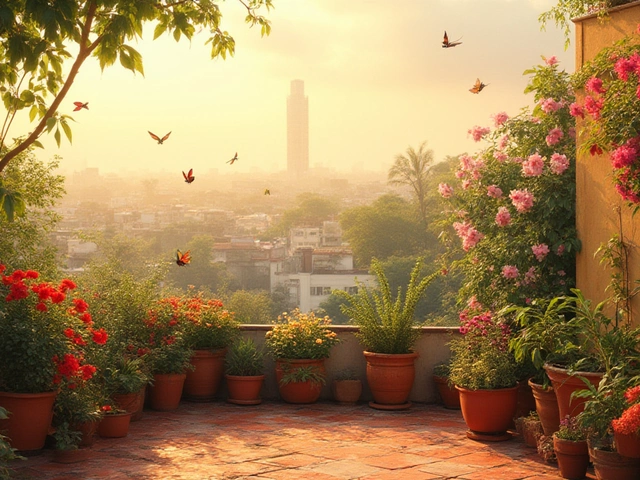
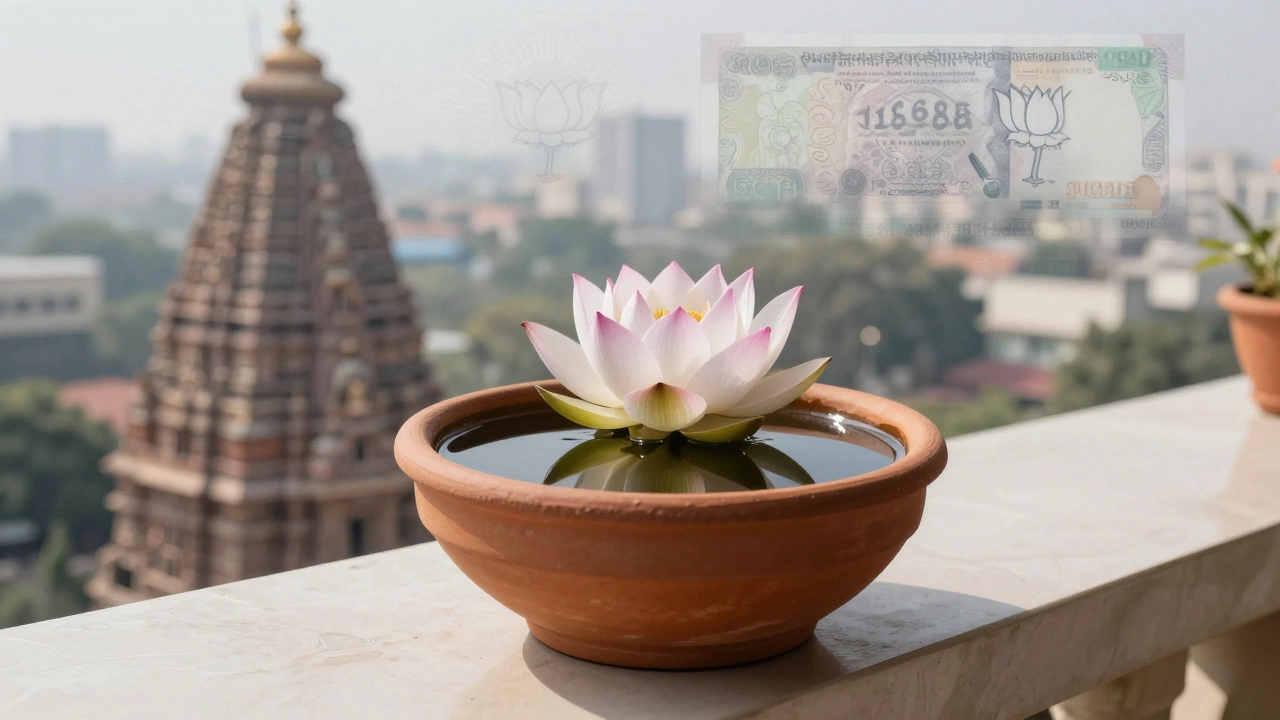
In rural India, farmers know the lotus as a sign of good water. If lotus grows in a pond, it means the water is clean and safe for drinking and bathing. In cities, people keep small lotus plants in decorative tubs on balconies-not just for beauty, but as a quiet reminder of something deeper.
Other Flowers Often Mistaken for the King
Some people say the rose is the king of flowers because of its fragrance and global popularity. Others point to the marigold because of its sheer volume in temples and festivals. But these are cultural favorites, not symbols of spiritual authority.
The rose is imported, grown in greenhouses, and prized for its scent. The marigold blooms fast, fades fast, and is used in large quantities because it’s cheap and bright. Neither carries the same philosophical weight as the lotus.
Even the jasmine, India’s national flower in some states like Tamil Nadu, is loved for its night fragrance-but it’s not tied to creation myths or divine figures. The lotus is the only flower that appears in all major Indian religions, in art, in scripture, and in daily rituals.
Where to See Lotus in Full Bloom Across India
If you want to witness the lotus in its glory, visit these places:
- Pichola Lake, Udaipur: Thousands of pink and white lotuses bloom here between July and September.
- Chilika Lake, Odisha: Asia’s largest brackish water lake, home to wild lotus and migratory birds.
- Keoladeo National Park, Rajasthan: A wetland sanctuary where lotus grows alongside herons and cranes.
- Manasbal Lake, Kashmir: Known as the "supreme gem of all lakes," its lotus beds are legendary.
- Temple ponds in Varanasi and Khajuraho: Ancient temple tanks still grow lotus as they have for over a thousand years.
These aren’t tourist spots-they’re living traditions. People still bathe in these waters, offer prayers to the flowers, and harvest seeds for food.
Why the Lotus Still Matters Today
In a country where 80% of the population lives within 50 kilometers of a river or lake, the lotus isn’t just a symbol-it’s a lifeline. It filters water, supports fish and insects, and prevents erosion. In urban areas, people plant it in rooftop ponds to cool their homes and clean rainwater.
Modern India still honors the lotus. The Indian Air Force uses a lotus emblem on its aircraft. The Reserve Bank of India prints lotus motifs on currency notes. Even the new Parliament building features lotus-shaped architecture.
It’s not nostalgia. It’s identity. The lotus survives because it’s useful, beautiful, and deeply meaningful. It doesn’t need to be declared king. It already is.
Is the lotus the only national flower of India?
Yes, the lotus (Nelumbo nucifera) is India’s only official national flower, declared in 1950. While states like Tamil Nadu and Jammu & Kashmir have their own state flowers (such as jasmine and the rhododendron), the lotus holds the national title.
Can I grow lotus in a small backyard or balcony?
Yes, you can grow lotus in a small space using a wide, shallow container filled with heavy clay soil and at least 12 inches of water. Choose dwarf varieties like 'Pygmaea Helvola' for balconies. Full sun and warm temperatures are essential.
Does the lotus flower bloom all year in India?
No. Lotus blooms from late spring to early autumn, typically between May and October. In colder regions like Kashmir or northern India, it may only bloom from June to September. It goes dormant in winter when temperatures drop below 15°C.
Are lotus seeds edible?
Yes. Lotus seeds, called "makhana," are a popular snack in India, especially during fasting days. They’re roasted, popped like popcorn, or boiled in sugar syrup. The rhizomes (underground stems) are also eaten as a vegetable in curries and stir-fries.
Why is the lotus associated with purity?
The lotus grows in muddy water but produces a clean, untouched bloom. Its petals repel water and dirt due to a natural waxy coating called the "lotus effect." This biological trait made it a powerful symbol of spiritual cleanliness in Indian religions, representing rising above worldly impurities.
If you want to bring a piece of India’s soul into your garden, start with a lotus. Not because it’s exotic, but because it’s real. It’s survived centuries of change, drought, and neglect. It doesn’t ask for much-just sun, water, and space. In return, it gives you beauty, peace, and a connection to something ancient and true.