Lotus vs. Water Lily Comparison Tool
Select the characteristics of the plant you are observing to identify whether it is a Lotus or a Water Lily.
- Leaves: Rise above water; waxy and repel water instantly.
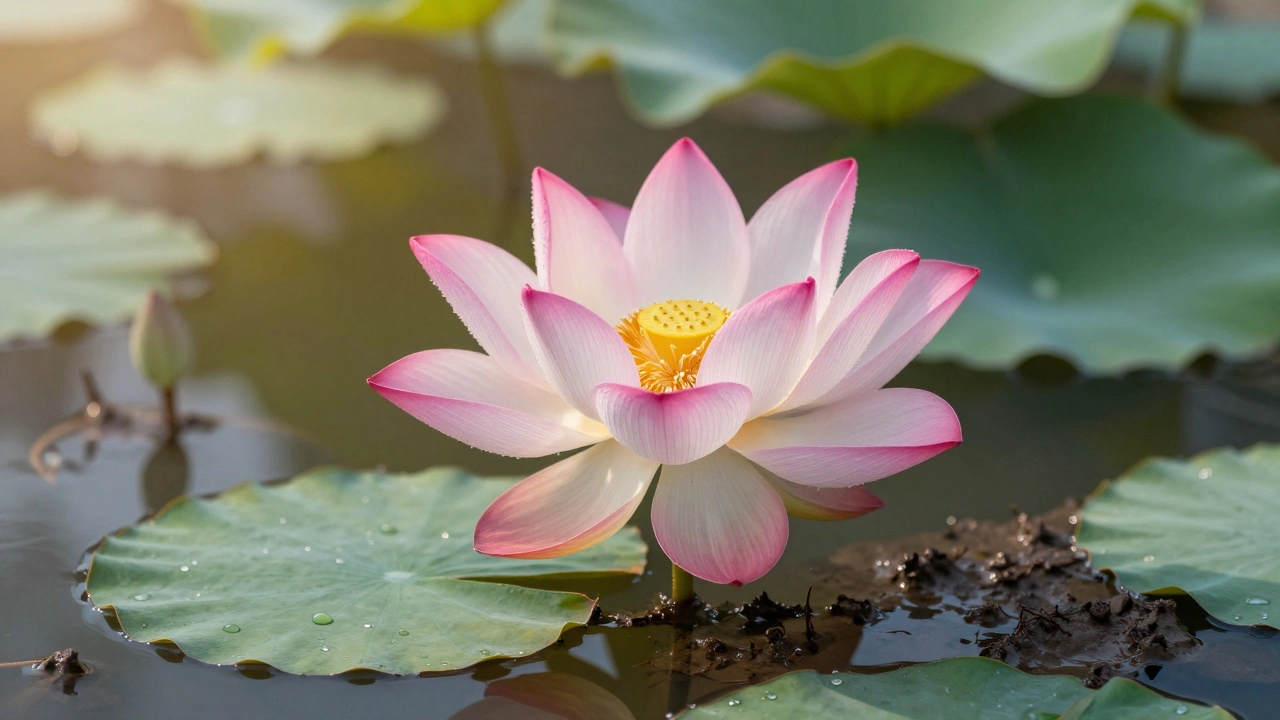
- Flowers: Stand tall; distinct cup-shaped honeycomb center.
- Status: National flower of India; "King of Flowers".
- Edibility: Roots and seeds are nutritious food sources.
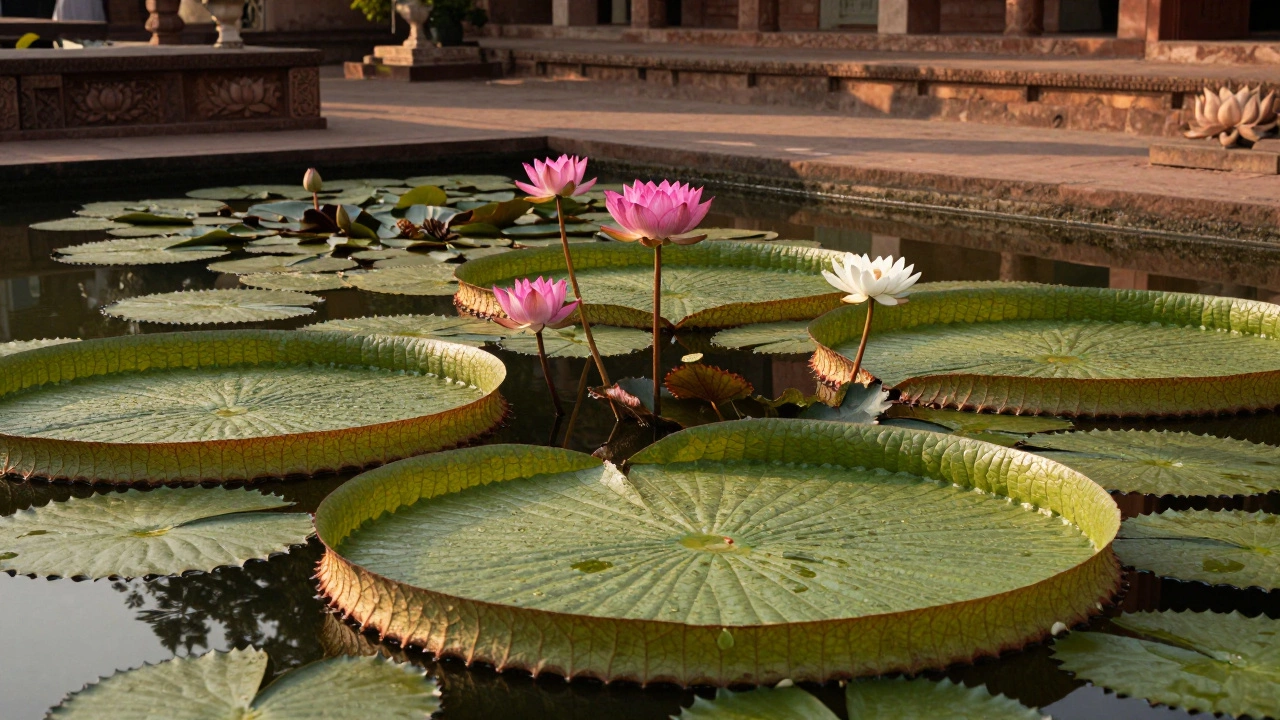
- Leaves: Float flat on surface; often have a V-shaped notch.
- Flowers: Sit on or near water line; no prominent cone.
- Status: Popular ornamental; less symbolic weight in India.
- Edibility: Generally not consumed by humans.
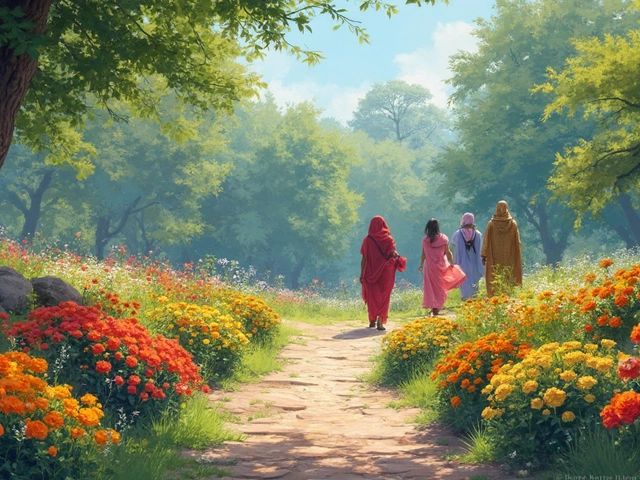
Walk through any garden in India during the summer months, and you will likely spot a splash of pink or white rising from muddy water. That bloom is not just pretty; it holds a title that has survived thousands of years. The lotus is widely recognized as the king of flowers in India. While roses might steal the spotlight in Western romance novels, the lotus commands respect, reverence, and deep spiritual meaning across the subcontinent. It is the national flower of India, featured on currency notes, government emblems, and countless religious artifacts.
You might wonder why this specific plant earned such a lofty crown. Is it just about beauty? Not really. The lotus (*Nelumbo nucifera*) has a unique biological trait that mirrors spiritual ideals: it grows in mud but emerges clean and unstained. This ability to rise above impurity makes it a perfect symbol for purity, enlightenment, and rebirth. Whether you are a gardener looking to add a touch of tradition to your pond or a traveler curious about local customs, understanding the lotus helps you understand India itself.
Before we dig into the soil requirements for growing these majestic blooms, let’s look at what makes them so special. If you ever find yourself traveling to Southeast Asia later in your gardening journey, you might encounter different floral traditions. For instance, some travelers explore diverse cultures by checking resources like this directory to understand local social landscapes, much like how we explore botanical databases to understand plant origins. But back to our green thumb topic: the lotus remains distinctively Indian in its cultural weight.
Why the Lotus Reigns Supreme
The title "king of flowers" isn't given lightly. In India, flowers are more than decoration; they are offerings, medicines, and symbols. The rose is popular, yes, but it lacks the historical depth of the lotus. The lotus appears in ancient texts dating back over 5,000 years. It is associated with major deities like Vishnu, Lakshmi, and Saraswati. When you see a statue of these gods, they are often depicted sitting or standing on a lotus throne. This visual language tells us that the flower represents divine power and cosmic order.
Consider the contrast with other popular flowers. Marigolds are used in festivals for their bright color and scent, but they are seasonal and short-lived. Jasmine is prized for its fragrance in weddings, but it doesn’t carry the same theological weight. The lotus, however, bridges the gap between the earthly and the divine. Its roots are in the dark mud, yet its petals open to the sun, remaining pristine. This duality resonates deeply in Hindu and Buddhist philosophies, where the goal is to transcend worldly attachments while living within them.
Growing Conditions: How to Cultivate Your Own King
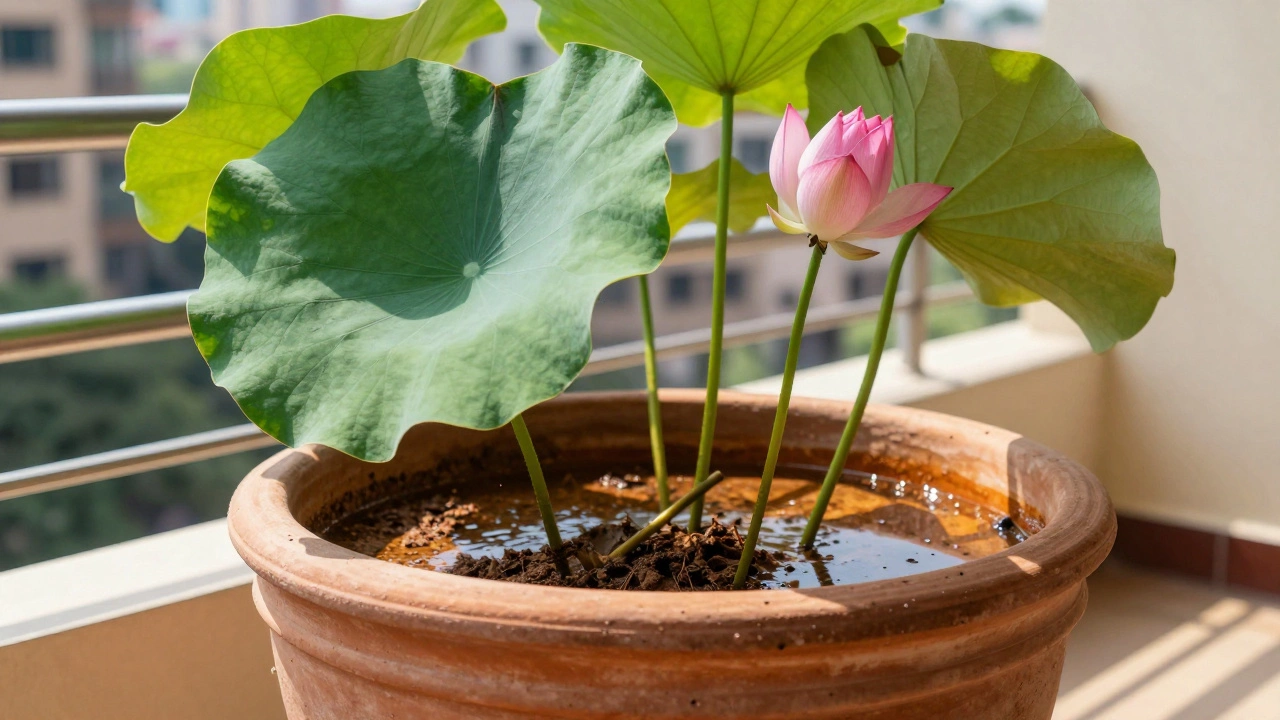
If you want to grow a lotus, you need to accept one thing: it loves heat and water. You cannot grow a true lotus in a pot on your windowsill unless you live in a tropical climate. These plants are aquatic perennials, meaning they return year after year if cared for correctly. They thrive in full sun-at least six to eight hours of direct sunlight daily. Without enough light, the leaves will stretch, turn yellow, and fail to produce blooms.
Here is what you need to get started:
- A large container: A pot that is at least 18-24 inches wide and 12-18 inches deep works well for beginners. The lotus needs room for its rhizomes (underground stems) to expand.
- Heavy clay soil: Unlike most houseplants, lotuses do not like sandy or peat-based mixes. Use heavy clay soil mixed with compost. Avoid fertilizer initially, as it can burn the young roots.
- Warm water: Fill the pot with water, leaving about an inch of space below the rim. The water should be warm, ideally above 70°F (21°C). Cold water shocks the plant.
- Patient planting: Plant the rhizome horizontally, covering it with about two inches of soil. Do not bury the growing tip (the eye) too deep, or it may rot.
Once planted, keep the pot in a sunny spot. The first few weeks might seem slow, but soon you will see small floating leaves appear. As the plant matures, it will produce larger, upright leaves that can reach up to two feet in diameter. These big leaves are iconic and provide shade for fish if you have a pond setup.
Lotus vs. Water Lily: Don't Confuse Them
A common mistake among new gardeners is calling water lilies "lotuses." They look similar-both float on water and have beautiful flowers-but they are botanically different. Knowing the difference matters because their care requirements vary slightly.
| Feature | Lotus (Nelumbo nucifera) | Water Lily (Nymphaea) |
|---|---|---|
| Leaves | Rise above water surface; waxy and repel water | Float on water surface; often have a V-shaped notch |
| Flowers | Rise high above water; cup-shaped center visible | Sit on or just above water; no prominent central cone |
| Cold Hardiness | Less hardy; usually dies back completely in winter | More hardy; many varieties survive mild winters |
| Edibility | Roots and seeds are edible and nutritious | Generally not eaten |
| Cultural Status | King of flowers; national flower of India | Popular ornamental; less symbolic weight in India |
The easiest way to tell them apart is by looking at the leaves. Lotus leaves stand tall, like umbrellas, and water beads off them instantly due to their superhydrophobic surface. Water lily leaves lie flat on the water. If you see a flower rising significantly above the water line with a honeycomb-like center, you are looking at a lotus.
Cultural Uses Beyond Decoration
In India, the lotus is not just looked at; it is used. Every part of the plant has a purpose. The seeds, known as *makhana* or fox nuts, are roasted and eaten as a healthy snack. They are rich in protein and low in fat. The roots, called *kamal kakdi*, are used in traditional Ayurvedic medicine to treat various ailments, including anxiety and digestive issues.
During festivals like Raksha Bandhan and Diwali, lotus flowers are essential offerings. People place them at the feet of deities in temples. The act of offering a lotus signifies surrendering one’s ego and seeking purity. Even in modern corporate offices in Mumbai or Delhi, you might find a small potted lotus on a desk, believed to bring good luck and clarity of mind.
The flower also plays a role in art and architecture. Mughal gardens, such as those in Srinagar, feature intricate lotus motifs in stone carvings and tile work. The design of the Lotus Temple in New Delhi, a Baháʼí House of Worship, is shaped entirely like a blooming lotus. This architectural marvel attracts millions of visitors annually, proving that the flower’s influence extends far beyond biology into design and spirituality.
Maintenance Tips for Long-Term Success
Keeping a lotus alive requires attention to detail. Here are some practical tips to ensure your plant thrives:
- Monitor water levels: Keep the water level consistent. Evaporation can lower the level quickly in hot weather. Top up with room-temperature water regularly.
- Remove dead leaves: As leaves age, they will yellow and die. Cut them off at the base to prevent decay and maintain hygiene in the water.
- Fertilize carefully: After the first season, you can add organic fertilizer tablets designed for aquatic plants. Insert them into the soil near the rhizome, but never drop them directly into the water.
- Winter care: In colder climates, the lotus will go dormant. Move the pot to a cool, dark basement or garage where temperatures stay above freezing but below 50°F (10°C). Reduce watering to keep the soil moist but not soggy.
Pests are rarely a problem for lotuses, but aphids might occasionally attack new growth. A strong spray of water usually dislodges them. Avoid chemical pesticides, as they can contaminate the water and harm beneficial insects.
Symbolism in Daily Life
The lotus teaches resilience. It starts in darkness and mud, yet it reaches for the light. This metaphor is powerful in Indian culture, where life can be challenging. Parents name children after the lotus-Kamal, Kamala, Padma-to wish them strength and purity. It reminds us that our origins do not define our potential. Just as the lotus rises, we too can overcome obstacles.
Whether you are growing it in a backyard pond in Kerala or a container on a balcony in Bangalore, the lotus brings a sense of calm and tradition. It connects you to centuries of history and philosophy. And when it finally blooms, revealing its vibrant pink or white petals against the green leaves, you will understand why it has been crowned the king of flowers for millennia.
Is the lotus the only flower called the king of flowers in India?
While other flowers like the rose or jasmine are highly respected, the lotus is uniquely titled the "king" due to its national status and deep religious significance. No other flower holds this specific royal designation in mainstream Indian culture.
Can I grow a lotus in a small pot?
Yes, but it must be a wide and deep pot. A minimum size of 18 inches in width and 12 inches in depth is recommended. Small pots restrict root growth and limit flower production. Dwarf varieties exist but still require adequate space.
How long does it take for a lotus to bloom?
From planting a rhizome, it typically takes 60 to 90 days for the first blooms to appear, provided there is sufficient sunlight and warmth. Seeds may take longer, sometimes up to four months.
Are lotus flowers edible?
Yes, the petals, seeds, and roots of the lotus are edible. The seeds are commonly roasted and eaten as snacks, while the roots are used in soups and medicinal preparations. The petals are sometimes used in teas or as garnishes.
What is the best time to plant a lotus in India?
The best time is early spring, around March or April, when temperatures begin to rise. Planting too early in cold weather can cause the rhizome to rot. Ensure the water temperature is consistently above 70°F before planting.