Year-Round Flower Calculator
Find Your Perfect Year-Round Flowers
Select your location and growing conditions to see which flowers bloom continuously in your garden.
Your Year-Round Flower Selection
Based on your conditions, these flowers will bloom continuously in your garden.
Recommended Flowers
- Marigolds - Drought-tolerant and pest-resistant
- Hibiscus - Continuous blooms with proper pruning
- Bougainvillea - Living rainbow with minimal care
Key Tips for Success
- Water only when soil feels dry
- Prune leggy stems in early spring
- Use phosphorus-rich fertilizer to boost blooms
- Deadhead spent flowers to encourage new growth
Most people think flowers in India only bloom during monsoon or spring. But if you live in a warm part of the country-like Kerala, Tamil Nadu, Karnataka, or even parts of Maharashtra and Gujarat-you can have color in your garden every single day of the year. The secret isn’t magic. It’s choosing the right plants that thrive in India’s tropical and subtropical climates without needing a cold snap to trigger blooms.
Marigolds: The Unbreakable Garden Staple
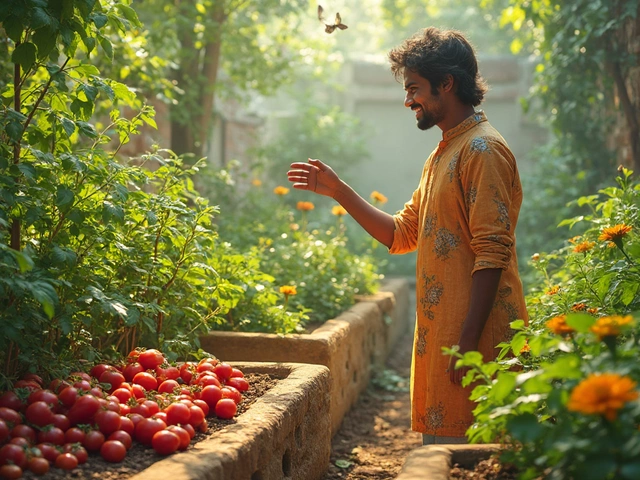
Marigolds aren’t just for festivals. They’re the backbone of year-round gardens across India. Tagetes species, especially Tagetes erecta (African marigold) and Tagetes patula (French marigold), bloom nonstop from seed to seed in most regions. They don’t need perfect soil. They tolerate heat, drought, and even poor drainage. Plant them in full sun, water once every 3-4 days, and deadhead spent blooms. That’s it. They’ll keep flowering for 10 months or more.
What makes marigolds special? They repel nematodes and whiteflies. Many gardeners plant them around vegetable beds not just for color, but for protection. In Chennai, a woman named Latha grows over 50 marigold plants in her balcony pots. She says, "I haven’t bought a single flower from the market in three years. They bloom even when it’s 40°C."
Hibiscus: The Tropical Powerhouse
There are hundreds of hibiscus varieties, but the common red or pink Hibiscus rosa-sinensis is the one that never quits. It thrives in USDA zones 9-11-which covers most of India except the Himalayan highlands. This plant can grow into a small shrub if left alone, but most gardeners keep it pruned to 2-3 feet for better blooms.
Hibiscus flowers last only a day, but the plant produces dozens every week. In Hyderabad, a gardener reported over 200 blooms in a single month during summer. It needs regular watering and a bit of compost every two months. Avoid heavy pruning in winter-new growth is what triggers flowering. If you see leggy stems, pinch them back in early spring. The plant will explode with buds by April.
Bougainvillea: The Living Rainbow
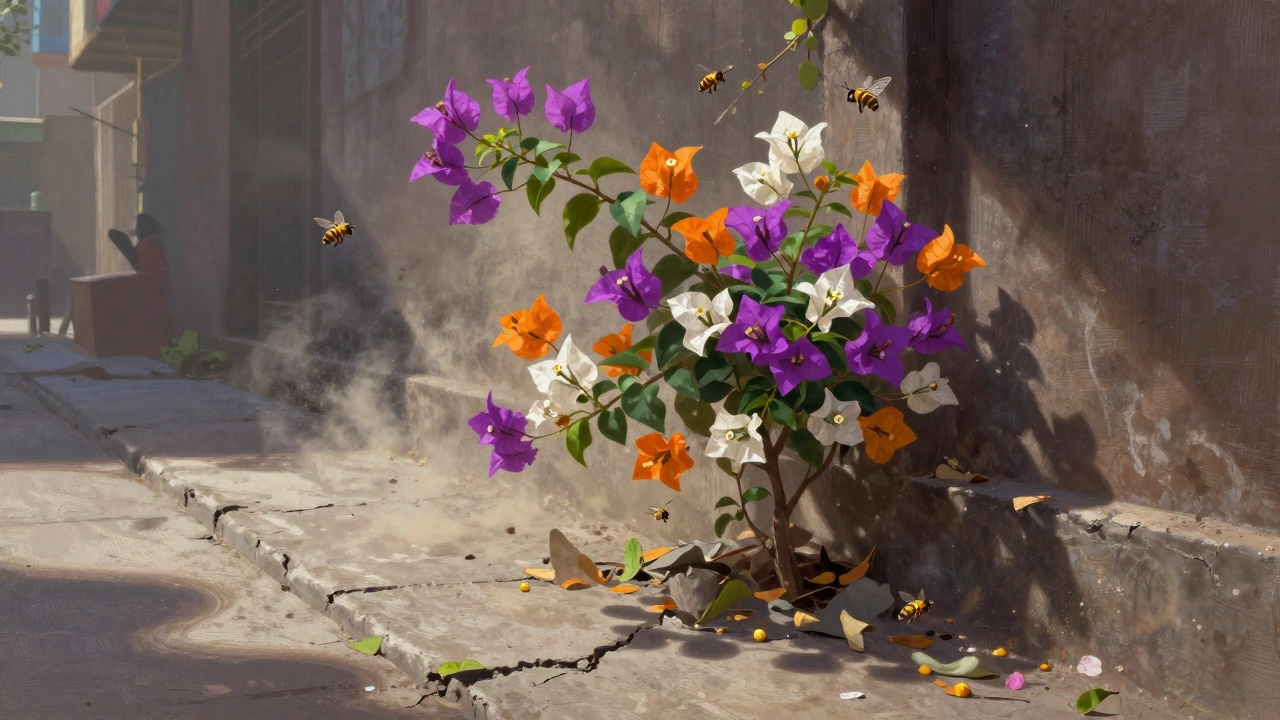
Bougainvillea doesn’t just bloom-it explodes. In Goa, Mumbai, and Bangalore, it climbs walls, spills over fences, and drapes balconies in purple, magenta, orange, and white. The colorful parts aren’t flowers at all-they’re bracts, leaf-like structures that protect the tiny white true flowers inside.
This plant is drought-resistant, heat-tolerant, and thrives in poor soil. The trick? Don’t overwater it. Let the soil dry out between waterings. Too much water = no blooms. Full sun is non-negotiable. Even in winter, if your bougainvillea gets 6+ hours of direct sun, it will keep flowering. Many urban gardeners use it as a living fence because it grows fast and needs almost no care.
Jasmine: Fragrance That Never Sleeps
Jasmine isn’t just for hair and garlands. Jasminum sambac, also called Arabian jasmine, blooms almost every day in warm Indian climates. It’s the same variety used in temple offerings and bridal necklaces. Unlike other jasmines that bloom seasonally, this one flowers in cycles all year long.
It grows well in pots and can be trained as a climber or kept compact. It needs bright, indirect light-morning sun and afternoon shade work best. Water every 2-3 days in summer, once a week in winter. A light application of phosphorus-rich fertilizer in spring and monsoon boosts flowering. In Delhi, a retired teacher grows three jasmine plants on her rooftop. She says, "I smell it every morning. Even in December."

Periwinkle (Sadabahar): The Little Flower That Never Gives Up
Periwinkle, or Catharanthus roseus, is called Sadabahar in Hindi-meaning "ever-blooming." It’s one of the most reliable flowers for Indian gardens. It grows in full sun or partial shade, survives heavy rain, and keeps blooming even when temperatures hit 45°C.
The flowers come in pink, white, and deep rose. It’s a low-maintenance plant that doesn’t need deadheading. Just plant it in well-drained soil and water when the top inch feels dry. In Bangalore, it’s common to see periwinkle lining hospital compound walls because it’s hardy, non-toxic, and blooms through monsoons and dry spells alike.
Portulaca (Moss Rose): The Ground Cover Star
If you’re tired of weeding bare patches in your garden, try portulaca. Also called moss rose, this succulent-like plant spreads like a carpet and bursts into tiny, bright flowers in red, yellow, orange, and pink. It thrives in hot, dry conditions where other flowers wither.
It needs almost no water once established. In Jaipur, a gardener planted portulaca along a sun-baked pathway. He watered it twice in the entire summer-and it still bloomed. It’s perfect for rock gardens, container edges, and balconies with little soil. Just avoid planting it in shady spots. No sun? No flowers.
Chrysanthemums: Not Just for Autumn
Most people think chrysanthemums are fall flowers. But in India’s warmer zones, especially in the south and west, many varieties bloom continuously. The key is choosing the right type: Chrysanthemum morifolium cultivars bred for tropical climates, like ‘Peaches and Cream’ or ‘Yellow Spray.’
These varieties don’t need short days to flower. They bloom in response to regular care: weekly watering, monthly compost, and light pruning to encourage bushiness. In Pune, a nursery owner grows over 30 chrysanthemum plants year-round. He says, "People think they’re seasonal. In India, they’re just misunderstood."
Why Some Flowers Don’t Bloom All Year
Not all flowers can handle India’s extremes. Roses, for example, often go dormant in peak summer heat. Lilies need a cool winter to reset. Tulips? They’re seasonal imports that die after one bloom. The flowers that last all year share three traits:
- They’re native or naturalized to tropical/subtropical climates
- They don’t require cold temperatures to trigger blooming
- They’re drought-tolerant or adapt quickly to changing moisture levels
Stick to these, and your garden won’t look bare in January or July.
What to Avoid
Don’t waste time on plants that need winter chill. Azaleas, dahlias, and peonies won’t bloom consistently in most of India. Even if they flower once, they’ll sulk the rest of the year. Same with bulbs like gladiolus-they need a cool resting period you can’t give them in Bangalore or Lucknow.
Also avoid over-fertilizing. Too much nitrogen turns leaves green and kills blooms. Use compost or a balanced 10-10-10 fertilizer only once every 6-8 weeks. Less is more.
Planting Tips for Year-Round Blooms
- Choose native or heat-tolerant varieties first
- Group plants by water needs-don’t mix drought-lovers with water-hungry ones
- Use mulch to keep roots cool and retain moisture
- Plant in containers if your soil is heavy clay or rocky
- Deadhead spent blooms to encourage new ones
- Prune leggy stems in early spring to keep plants compact
If you’re starting from scratch, pick three of the flowers listed above. Plant them in a sunny corner. Water them regularly for the first month. Then let them take over. Within six months, you’ll have a garden that looks alive no matter the season.
Can I grow year-round flowers in northern India?
Yes, but you need to be smart. In places like Delhi or Lucknow, winters can drop below 5°C. Marigolds, periwinkle, and bougainvillea can survive mild winters if planted in pots and moved to sunny spots. Hibiscus and jasmine may lose leaves but will regrow in spring. Avoid planting tropical flowers directly in the ground in northern zones. Use containers so you can bring them indoors during cold snaps.
Do these flowers need a lot of water?
Not really. Most of these flowers are drought-tolerant once established. Marigolds, bougainvillea, and portulaca need watering only once every 3-5 days in summer. Overwatering is actually the #1 reason they stop blooming. Let the soil dry out between waterings. In winter, reduce watering to once a week or less.
Which of these flowers attract pollinators?
Hibiscus, bougainvillea, and marigolds are big pollinator magnets. Bees, butterflies, and even hummingbirds are drawn to their bright colors and nectar. Jasmine attracts night-flying moths with its fragrance. If you want a garden that supports local wildlife, plant these five together. You’ll see more bees in your yard than you ever did before.
Can I grow these flowers in pots?
Absolutely. All of these flowers grow well in containers. Use pots with drainage holes and fill them with a mix of garden soil, compost, and sand. Bougainvillea and hibiscus need larger pots (12-18 inches wide). Marigolds and periwinkle do fine in 8-inch pots. Portulaca is perfect for hanging baskets. Container gardening gives you control over soil and makes it easy to move plants during extreme weather.
Why is my bougainvillea not blooming?
The most common reason is too much water or not enough sun. Bougainvillea blooms best when slightly stressed. Water it only when the leaves start to droop slightly. Make sure it gets at least 6 hours of direct sunlight every day. Avoid high-nitrogen fertilizers-they make leaves grow but kill flowers. A phosphorus-rich fertilizer in spring helps kickstart blooming.
Next Steps for Your Garden
Start small. Pick one or two of these flowers this week. Buy seedlings from a local nursery-they’re already adapted to your region. Plant them in a sunny spot. Don’t fuss over them. Let nature take over. In three months, you’ll have a patch of color that never fades. And you won’t need to buy another bunch of cut flowers from the market.