Rare Plant Investment Calculator
Select your desired rare species to estimate the total cost of your collection.
Corpse Flower
Ultra RareAmorphophallus titanum. Blooms once every 7-10 years.
Ghost Orchid
Collector's ItemDendrophylax lindenii. Leafless, extremely difficult to grow.
Master Bonsai
Living ArtAged Japanese Black Pine or Juniper. Decades of shaping.
Cattleya Hybrid
High DemandLarge, fragrant blooms. The standard for luxury orchids.
Rare Lithops
TrendyLiving Stones. Unique shapes, slow growing, hard to propagate.
Vanda Miss Joaquim
IconicNational flower of Singapore. Popular in South India.
Collection Estimate
Estimated Total Range:
₹0 - ₹0
*Prices are approximate market values in INR.
Imagine walking into a nursery in Mumbai or Delhi and seeing a single plant tag with a price that could buy a decent smartphone. It sounds like a scam, but in the world of horticulture, it is reality. Some plants in India are not just greenery; they are status symbols, collector’s items, and biological rarities that command staggering prices.
If you have ever wondered which plant is very costly in India, the answer isn't just one species. It depends on whether you are looking for a blooming flower, a massive botanical curiosity, or a rare succulent. Prices can range from a few thousand rupees to lakhs (hundreds of thousands) for specific specimens. This guide breaks down the most expensive plants available in the Indian market, why they cost so much, and how you can actually get your hands on them without getting scammed.
The King of Rare Blooms: Amorphophallus Titanum
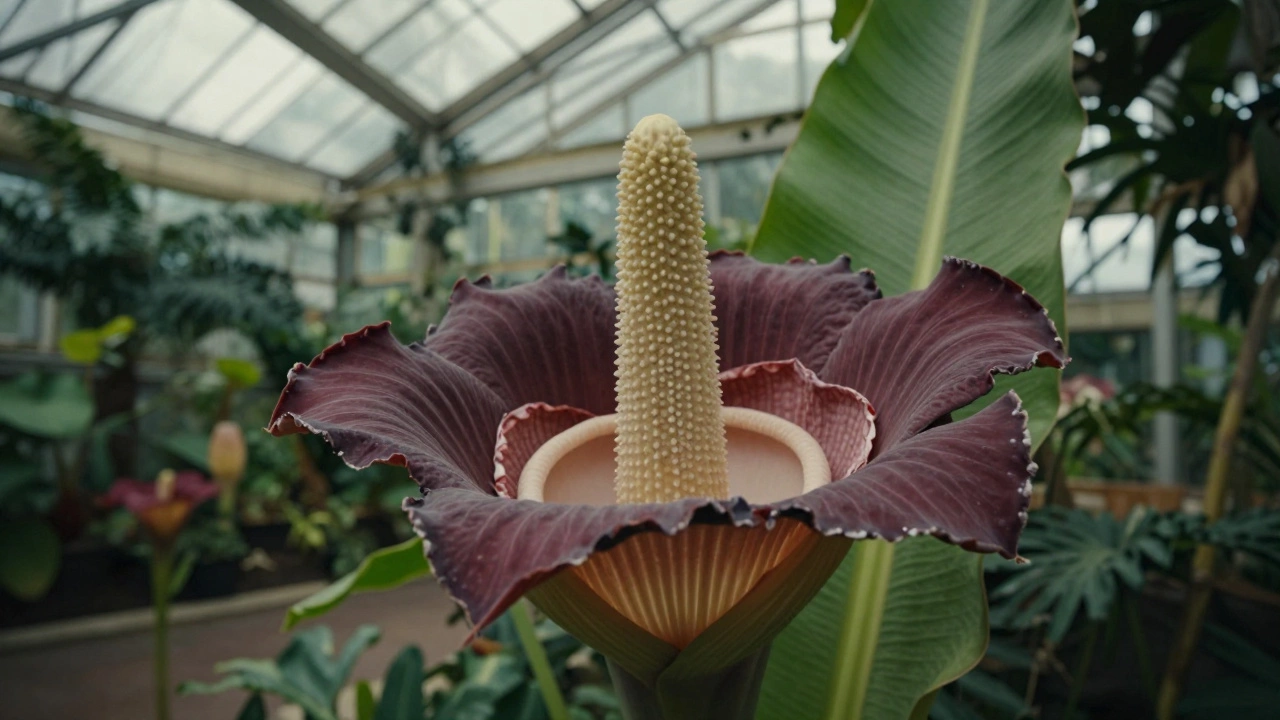
When people talk about the most expensive plant in India, they are usually talking about the Amorphophallus titanum, also known as the Corpse Flower. This isn't your average houseplant. It is a giant arum native to the rainforests of Sumatra, Indonesia. In India, it is grown primarily in botanical gardens like the National Botanical Research Institute in Lucknow and the Jawaharlal Nehru Tropical Botanic Garden in Thiruvananthapuram.
Why is it so costly? First, it is incredibly difficult to grow. Second, it blooms only once every 7 to 10 years. When it finally does bloom, the event is treated like a festival. The flower itself can reach heights of over two meters and emits a smell resembling rotting flesh to attract pollinators. A mature specimen capable of blooming can be valued at over ₹500,000 (approx. $6,000 USD), though these are rarely sold commercially. They are mostly institutional assets. For a private collector, acquiring a young tuber might still set you back tens of thousands of rupees due to its rarity and import restrictions.
Orchids: The High-Maintenance Luxury
If the Corpse Flower is too monstrous for your taste, look no further than orchids. Specifically, rare hybrids and wild-collected species. Orchid cultivation in India has exploded, particularly in states like Kerala, Karnataka, and Tamil Nadu, where the climate is perfect for these epiphytes.
| Orchid Type | Estimated Price (INR) | Key Characteristic |
|---|---|---|
| Dendrobium Nobile | ₹500 - ₹2,000 | Common, but rare color variants cost more |
| Cattleya Hybrids | ₹2,000 - ₹10,000 | Large, fragrant blooms; high demand |
| Ghost Orchid (Dendrophylax lindenii) | ₹50,000+ (Black Market) | Extremely rare, leafless, hard to cultivate |
| Vanda Miss Joaquim | ₹3,000 - ₹8,000 | National flower of Singapore; popular in South India |
The Ghost Orchid is perhaps the holy grail for collectors. Native to Florida and Cuba, it has no leaves and photosynthesizes through its roots. Growing it requires mimicking its exact natural habitat, which is nearly impossible for amateurs. While legally importing such species is heavily regulated under CITES (Convention on International Trade in Endangered Species), black-market prices remain sky-high. Legal, cultivated rare hybrids like the Cattleya or complex Vanda crosses are safer bets, costing anywhere from ₹3,000 to ₹15,000 per pot depending on the size and bloom quality.
Succulents and Cacti: The Modern Status Symbol
In recent years, the trend has shifted from traditional flowering plants to exotic succulents and cacti. Urban millennials and Gen Z buyers in cities like Bangalore, Pune, and Hyderabad are driving this market. These plants are prized for their unique shapes, slow growth, and low maintenance requirements-perfect for small apartments.
The Haworthia truncata and various Echeveria hybrids are common, but rare varieties like the Lithops (Living Stones) or variegated Aloe Vera can fetch high prices. A single pot of rare Lithops might cost between ₹1,500 and ₹5,000. Why? Because they are slow-growing and difficult to propagate. If you kill one, you can’t just buy another cheap replacement easily. The scarcity creates value.
Another contender is the Moon Cactus (Gymnocalycium mihanovichii). While standard grafted moon cacti are affordable, large, ungrafted, or uniquely colored specimens can cost upwards of ₹10,000. Collectors often pay premiums for 'variegated' versions, where parts of the plant lack chlorophyll, resulting in striking white, yellow, or pink patterns. These plants are essentially dying slowly unless carefully maintained, adding to their allure and cost.
Bonsai: Living Art with a Premium Tag
Bonsai is not just a plant; it is a craft. A well-cultivated bonsai tree in India can be significantly more expensive than the raw material suggests. You are paying for the time, skill, and patience of the artist who shaped the tree over decades.
A young Ficus or Juniper sapling might cost ₹200. But a 20-year-old, professionally styled Japanese Black Pine (Pinus thunbergii) bonsai can sell for ₹50,000 to ₹2,00,000 or more. The cost reflects the aesthetic value, the root structure, and the trunk thickness. In India, bonsai culture is growing rapidly, with enthusiasts in metropolitan areas willing to pay top dollar for authentic, aged specimens imported from Japan or China, or locally cultivated masterpieces.
Seasonal and Medicinal Plants: Hidden Gems
While ornamental plants grab headlines, some medicinal and seasonal plants carry hidden costs due to their ecological importance and harvesting difficulty. The Saffron Crocus (Crocus sativus) is a prime example. While saffron is known as a spice, the plant itself is costly to cultivate. India produces saffron primarily in Kashmir, but the bulbs are expensive. A single bulb can cost ₹10-₹20, and you need hundreds to produce a gram of saffron. The labor-intensive process of hand-picking the stigmas makes the end product-and the initial investment in bulbs-very high.
Similarly, wild-harvested medicinal herbs like Shatavari or Ashwagandha roots have seen price hikes due to overharvesting and soil degradation. While not "costly" in the luxury sense, their economic value per kilogram is significant, impacting farmers and consumers alike.
Why Are These Plants So Expensive?
Understanding the economics behind plant pricing helps you make smarter buying decisions. Here are the main drivers:
- Rarity and Origin: Plants that are native to remote locations or have limited habitats are harder to source. Import duties and logistics add to the cost.
- Growth Rate: Slow-growing plants like Bonsai or certain orchids take years to reach a sellable size. Time is money.
- Cultivation Difficulty: Plants that require specific humidity, light, or soil conditions are risky to grow. Nurseries charge a premium for the expertise required to keep them alive.
- Demand vs. Supply: Social media trends can spike demand overnight. When everyone wants a specific Echeveria hybrid, prices go up because nurseries can’t propagate them fast enough.
- Legal Restrictions: CITES-listed plants face strict trade regulations. Compliance costs and legal risks are passed on to the buyer.
How to Buy Expensive Plants in India Without Getting Scammed
The online plant market in India is booming, but so are scams. Here is how to protect yourself:
- Verify the Seller: Check reviews on platforms like Instagram, Facebook, or specialized gardening forums. Look for sellers who provide care instructions and after-sales support.
- Ask for Live Photos/Videos: Scammers often use stock images. Ask for a video of the actual plant you are buying, showing its condition and size relative to a common object (like a coin).
- Understand Shipping Risks: Expensive plants are fragile. Ensure the seller uses secure packaging with cushioning. Ask about their refund policy if the plant arrives damaged.
- Check for Pests: Before finalizing the purchase, ask if the plant is pest-free. Treating an expensive orchid for mealybugs later can be costly and stressful.
- Start Small: If you are new to expensive plants, start with a mid-range variety to test your skills and the seller’s reliability before investing in a ₹50,000 Bonsai.
Final Thoughts on Investing in Greenery
Buying a costly plant is not just about decoration; it is about connecting with nature in a unique way. Whether it is the majestic bloom of an Amorphophallus titanum, the delicate beauty of a rare orchid, or the ancient charm of a Bonsai, these plants offer a sense of accomplishment and pride. Just remember, the price tag is only part of the story. Your ability to care for the plant determines its true value. Do your research, choose wisely, and enjoy the journey of nurturing something rare and beautiful.
What is the most expensive flower in India?
The Amorphophallus titanum (Corpse Flower) is often cited as the most expensive due to its rarity and difficulty in cultivation. Among commonly traded flowers, rare Orchid hybrids like Cattleya or Vanda can also command very high prices, ranging from ₹5,000 to over ₹50,000 depending on the variety and bloom quality.
Where can I buy expensive plants in India?
You can find expensive plants at specialized nurseries in major cities like Mumbai, Delhi, Bangalore, and Chennai. Online platforms like Instagram shops, Etsy India, and dedicated plant e-commerce websites also sell rare varieties. Always verify the seller's reputation before purchasing high-value items.
Is it worth buying an expensive plant?
If you are passionate about gardening and have the space and knowledge to care for the plant, yes. Expensive plants often offer unique aesthetics and long-term satisfaction. However, if you are a beginner, it might be better to start with affordable varieties to build your skills first.
Are there any legal restrictions on buying rare plants in India?
Yes, many rare plants are protected under the Wildlife Protection Act and CITES regulations. Buying endangered species without proper documentation is illegal. Always ensure that the seller provides proof of legal cultivation and sourcing.
How do I maintain an expensive orchid?
Orchids require bright, indirect light, high humidity, and well-draining soil. Water them when the medium feels dry, avoid overwatering, and fertilize regularly during the growing season. Each species has specific needs, so research the particular type you own.