Indian Bloom Finder
Not sure which flower to plant? Select the characteristics that best describe your space and goals to find your ideal match.
Your Botanical Match!
Based on your environment, we recommend:
Depending on what you value-fragrance, vibrant color, or symbolic meaning-the 'most beautiful' flower changes. But for most gardeners and nature lovers, the conversation usually centers around a few iconic species that define the Indian landscape.
Quick Summary of India's Most Stunning Blooms
- Lotus: The national symbol, prized for its purity and aquatic elegance.
- Marigold: The gold standard for festivals and street decor.
- Jasmine: Loved for its unmatched fragrance and delicate white petals.
- Hibiscus: A bold, tropical showstopper found in almost every backyard.
- Rose: The timeless classic with thousands of regional varieties.
The Spiritual Elegance of the Lotus
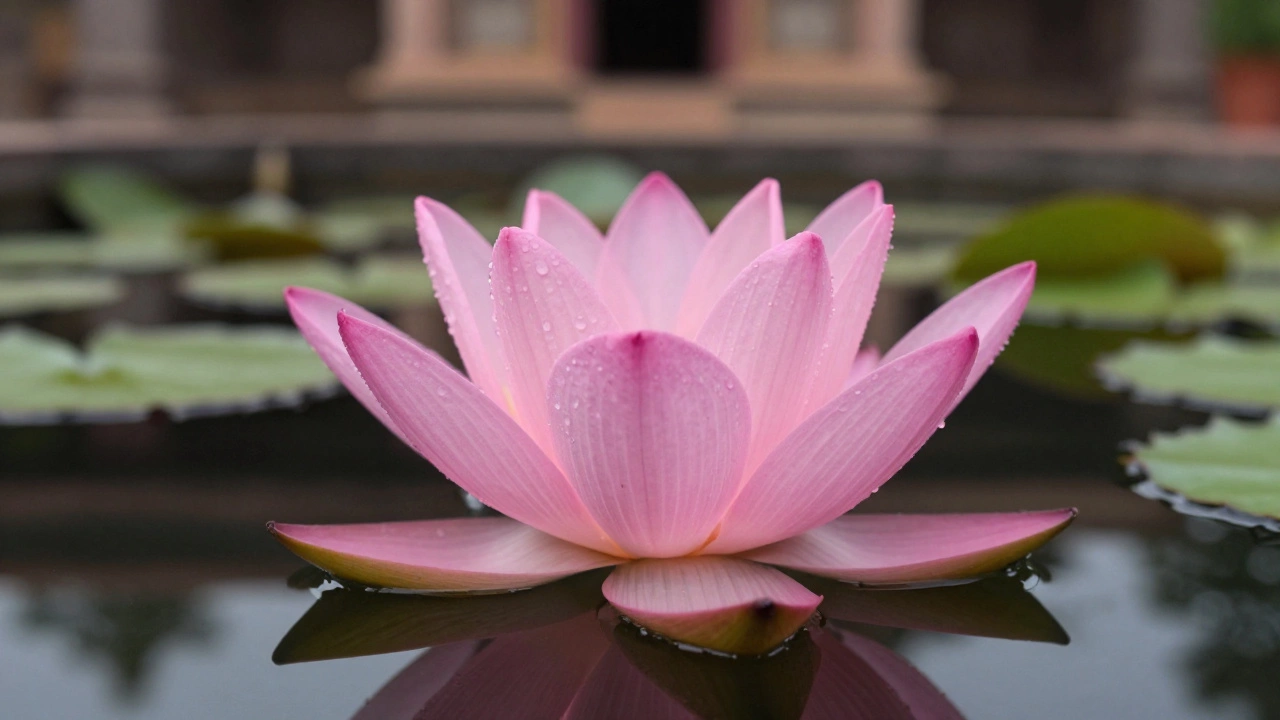
If we are talking about cultural beauty, Lotus is an aquatic plant of the genus Nelumbo that grows in shallow ponds and wetlands. Commonly known as the Sacred Lotus, it is perhaps the most revered flower in the country. What makes it truly beautiful isn't just the symmetrical, pink or white petals, but the way it grows. It starts in the muddy depths of a pond, yet the flower emerges completely unstained and pristine on the surface.
For a home gardener, growing a lotus requires a specific setup. You can't just put it in a standard pot with soil. You need a wide, shallow container without drainage holes, filled with a heavy clay-like soil. These plants need at least 6 hours of direct sunlight to bloom. If you've ever seen one in a temple pond, you know the visual impact is unmatched-a floating masterpiece of nature.
The Bold and Bright Hibiscus
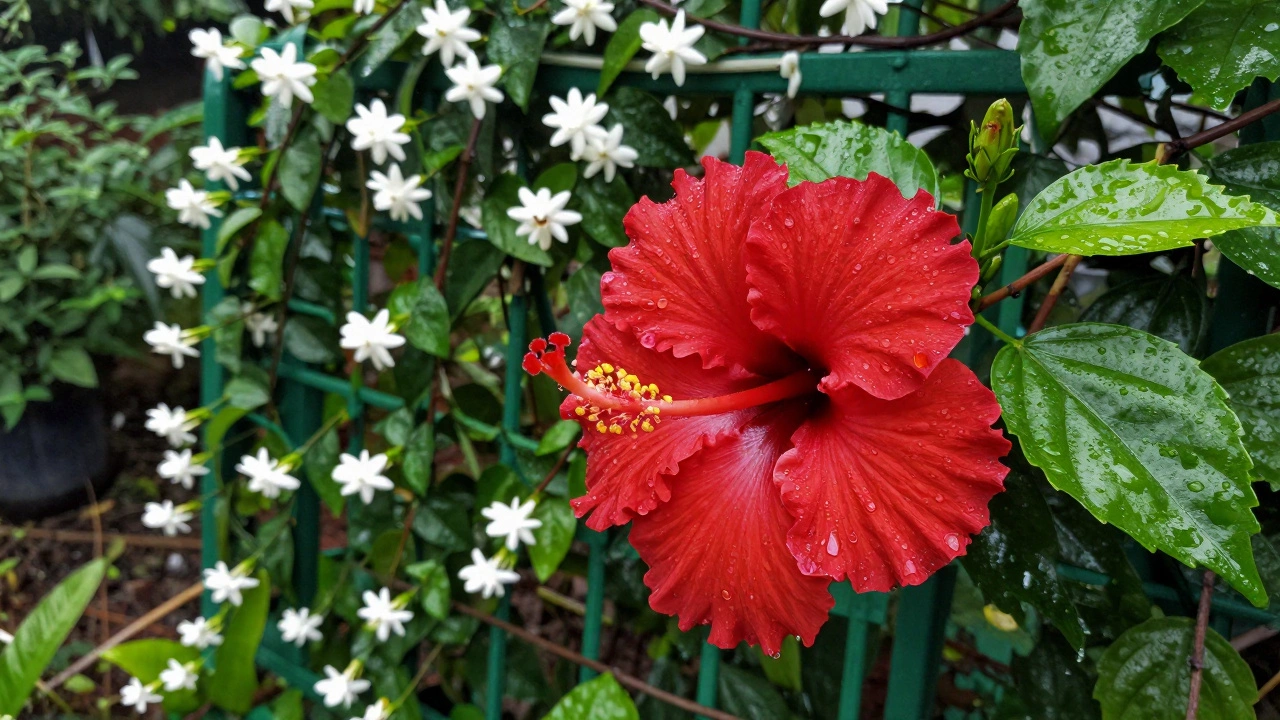
Walking through any residential neighborhood in South India, you'll likely see a Hibiscus reaching over a garden wall. This tropical shrub known for its large, trumpet-shaped flowers is a favorite because it is practically indestructible. While the deep red variety is the most common, you can find them in yellow, orange, and even a striking peach color.
The beauty of the hibiscus lies in its drama. The petals are thin and velvety, and the long stamen poking out from the center gives it an exotic, architectural look. They love the heat and humidity of the Indian monsoon. To keep them blooming year-round, a bit of potassium-rich fertilizer and regular pruning are key. If you let them grow wild, they turn into a lush green screen that provides great privacy for your yard.
The Intoxicating Scent of Indian Jasmine
Beauty isn't always about what you see; sometimes it's about what you smell. Enter Jasmine, specifically the varieties like Mogra or Arabian Jasmine. These are small, fragrant white flowers that grow on climbing vines or shrubs. In the evenings, the scent of jasmine can drift across entire streets, creating a nostalgic, calming atmosphere.
Growing jasmine is a bit of a game of patience. They need well-draining soil and plenty of light. One common mistake gardeners make is overwatering the roots, which leads to root rot. If you want those tiny white stars to bloom in abundance, try adding a handful of organic compost or vermicompost to the soil every few months. These flowers are often strung into garlands, showing that their beauty is both aesthetic and functional.
The Festive Glow of the Marigold
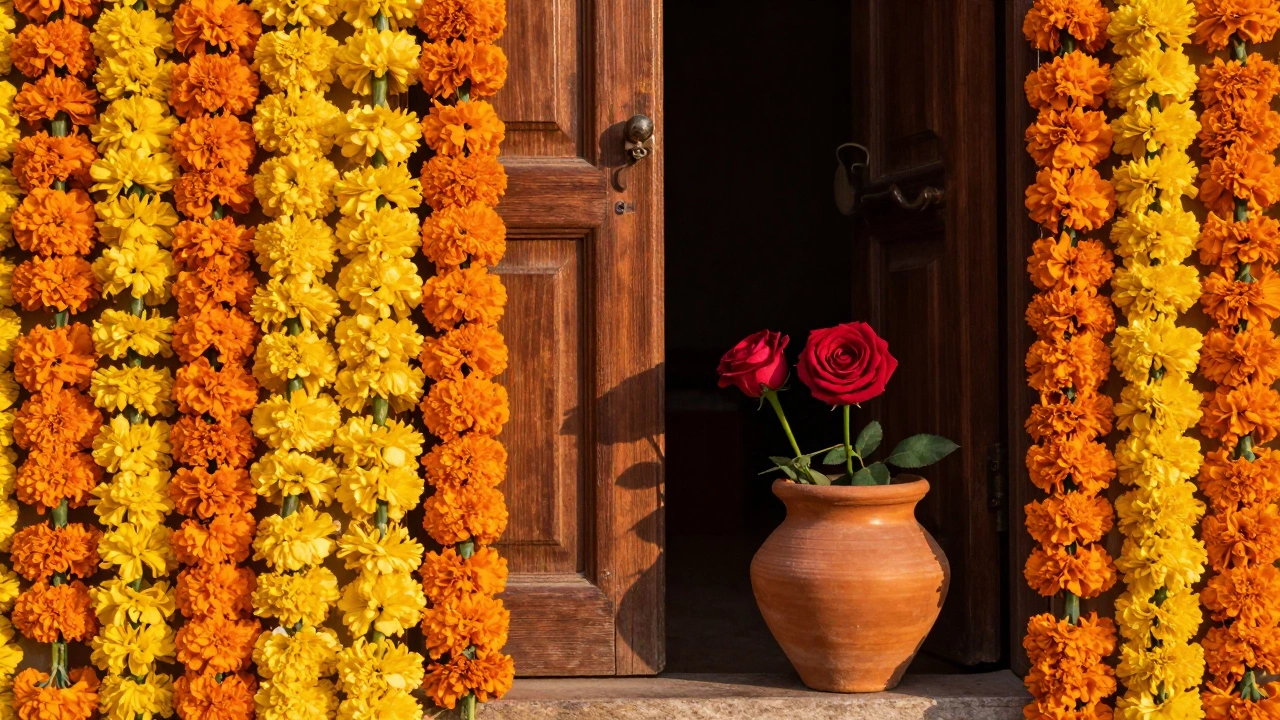
You can't talk about the most beautiful flower in India without mentioning the Marigold. While some might call it a common flower, there is a rugged beauty in its dense, pom-pom-like heads. Known as Genda in Hindi, these flowers come in brilliant shades of orange and yellow that seem to glow even on a cloudy day.
Marigolds are the workhorses of the Indian garden. They are incredibly hardy and act as a natural pest repellent, which is why you'll often see them planted around vegetable patches. They don't require fancy care-just a sunny spot and occasional watering. Their beauty is found in their volume; when a whole hedge of marigolds blooms at once, it looks like a wall of fire.
| Flower | Primary Appeal | Best Climate | Maintenance Level |
|---|---|---|---|
| Lotus | Symmetry & Symbolism | Wetlands/Ponds | High |
| Hibiscus | Vibrant Color | Tropical/Humid | Low |
| Jasmine | Fragrance | Warm/Sunny | Medium |
| Marigold | Bright Hues | Diverse/Temperate | Very Low |
| Rose | Classic Elegance | Cool to Warm | Medium-High |
The Timeless Allure of the Rose
Then there is the Rose. From the fragrant gardens of Ooty to the urban balconies of Delhi, roses have a permanent place in Indian hearts. India grows a massive variety of roses, from the deep crimson hybrid teas to the soft, pale pink damask roses used for making rose water (Gulab Jal).
The rose is a bit more demanding than the marigold. It needs a careful balance of sunlight and water, and you have to keep an eye out for aphids or powdery mildew. However, the reward is a bloom that is universally recognized as a symbol of love and beauty. If you're growing them in a pot, make sure to use a mix of coco-peat and compost to keep the soil airy.
How to Choose the Right Flower for Your Space
If you're looking to add some of this beauty to your own home, you need to match the flower to your environment. Not every plant will love your specific corner of India. Here is a quick guide to help you decide:
- For Sunny Balconies: Go with Hibiscus or Marigolds. They can take the harsh afternoon sun without wilting.
- For Shady Corners: Certain varieties of Peace Lilies or shaded Jasmine can work, though most Indian blooms prefer light.
- For Water Features: The Lotus or Water Lily are your only real options. Ensure the pond gets enough sun, or the flowers won't open.
- For Fragrance Lovers: Plant Jasmine or Night-blooming Cestrum near your bedroom window.
A pro tip for Indian gardeners: keep an eye on the seasons. While hibiscus is a perennial, marigolds often follow a seasonal cycle. Planting in the right window-usually the start of the winter or the pre-monsoon period-will give you the most explosive growth.
Common Pitfalls in Indian Flower Gardening
One of the biggest mistakes people make is treating all flowers the same. For example, giving a cactus-like succulent the same amount of water as a thirsty hibiscus will kill the former in a week. Similarly, using too much chemical fertilizer can burn the delicate roots of a jasmine plant.
Another issue is soil compaction. In many parts of India, the soil is heavy clay. This can suffocate roots. To fix this, mix in some river sand or organic compost to improve aeration. If you're gardening on a terrace, remember that pots heat up quickly under the Indian sun; using terracotta pots instead of plastic can help keep the roots cooler.
Which flower is the most fragrant in India?
While it's subjective, the Mogra (Arabian Jasmine) is widely considered the most fragrant. Its sweet, heavy scent is iconic across India, especially during the summer months. Other contenders include the Night-blooming Jasmine (Parijat) and certain varieties of Damask Roses.
Can I grow a Lotus in a bucket?
Yes, but it needs to be a very large, wide bucket or a tub without holes. Lotus plants need a stable base of heavy clay soil and a lot of standing water. A small, narrow bucket will restrict the rhizomes and prevent the plant from blooming.
Why are my Hibiscus flowers falling off?
This is often caused by underwatering or a sudden change in temperature. It can also be a sign of nutrient deficiency, specifically potassium. Try using a balanced organic fertilizer and ensure the soil is moist but not soggy.
When is the best time to plant Marigolds in India?
The best time is usually from September to November for a winter bloom, or in early spring (February to March) for the warmer months. They grow quickly and can be harvested multiple times if you pinch off the dead blooms.
Do Roses need a lot of sunlight in the Indian heat?
Yes, roses generally need at least 6 hours of sun. However, in extremely hot regions like Rajasthan or during peak May heat in Delhi, providing a bit of afternoon shade can prevent the petals from scorching.
Next Steps for Your Garden
If you're just starting out, don't try to plant everything at once. Pick one flower that matches your sunlight levels-perhaps a hardy Marigold or a bold Hibiscus-and get a feel for how it reacts to your local water and soil. Once you've mastered one, move on to the more delicate scents of Jasmine or the artistic challenge of the Lotus. Gardening in India is all about working with the rhythm of the monsoons and the heat; once you find that flow, your home will be a paradise of color.