Flower Bloom Season Calculator
Find flowers that bloom in your area during specific months
India’s climate swings from scorching summers to cool winters, with monsoons that reshape the land every year. This wild variety in weather doesn’t just affect crops-it shapes when flowers open their petals. Some flowers won’t bloom unless the air is just right, the soil is damp, or the days are short. If you’re growing flowers in India, knowing which ones bloom only in certain months isn’t just helpful-it’s essential.
Flowers That Bloom Only in Winter (November to February)
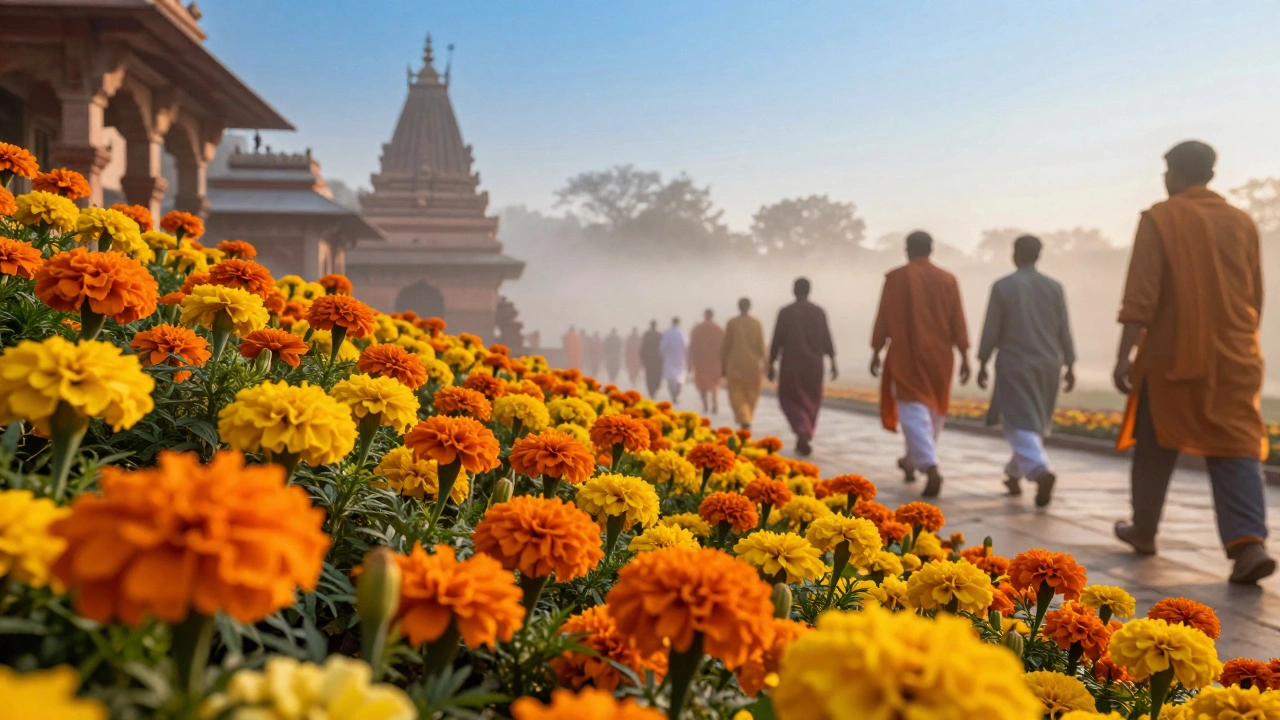
Winter in India, especially in the north and central regions, brings crisp mornings and clear skies. This is the season for flowers that shy away from heat. The marigold is the most visible-lines of orange and yellow blooms line temple paths, weddings, and markets. But marigolds aren’t the only ones. Chrysanthemums burst into color from late November through January, thriving in cooler temperatures and short daylight hours. In the hills of Himachal Pradesh and Uttarakhand, rhododendrons turn entire slopes pink and red between December and February.
Don’t overlook the winter jasmine. It’s not a true jasmine, but its bright yellow flowers bloom even in frosty conditions, often when nothing else is flowering. Gardeners in Delhi and Pune rely on it to add color when everything else is dormant. These flowers don’t just survive winter-they need it. Plant them in late October, and they’ll reward you with blooms when the temperature drops below 20°C.
Spring Showstoppers (March to May)
As winter fades, India wakes up with a riot of color. Spring is the peak season for flowering trees and shrubs. The flame of the forest (Butea monosperma) lights up forests in Madhya Pradesh and Rajasthan with fiery orange-red flowers. It blooms only between March and April, and its timing is tied to the last dry days before monsoon rains.
Tulips might sound like a Dutch flower, but they grow beautifully in the Himalayan foothills of Kashmir and Himachal. They bloom from late February through April, depending on altitude. In Srinagar, tulip gardens attract thousands of visitors every year-because these flowers won’t open unless they’ve had at least 12 weeks of cold. Plant them in October, and they’ll wait for spring to appear.
Another spring-only bloomer is the Indian coral tree (Erythrina indica). Its bright red flowers appear before the leaves, creating a striking contrast against bare branches. It blooms in March and April, and if you miss it, you’ll wait another year. These flowers attract birds and bees, but they won’t bloom if planted in shade or waterlogged soil.
Monsoon Magic (June to September)
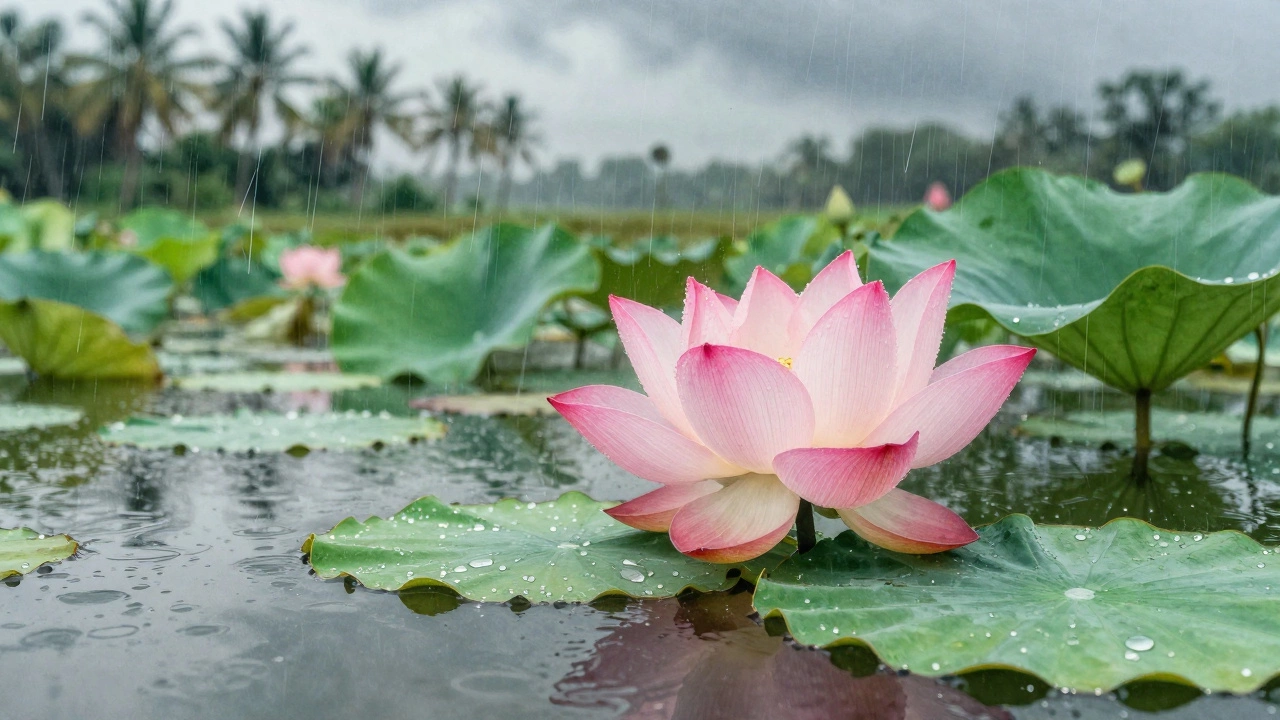
When the monsoon hits, India’s landscape turns green-and wet. Only a few flowers thrive in this humidity and heavy rain. The lotus is the most iconic. It blooms only during the rainy season, floating on ponds and lakes across Uttar Pradesh, Bihar, and West Bengal. The lotus needs deep water, warm temperatures above 25°C, and at least six hours of sunlight daily. Plant it in a pond or large container filled with clay soil, and it will flower from June through August.
Hibiscus also explodes in color during monsoon. In South India, especially in Tamil Nadu and Kerala, hibiscus blooms nonstop from June to September. It’s not just beautiful-it’s resilient. Unlike many flowers that wilt in heavy rain, hibiscus thrives. Its flowers last only a day, but new ones open every morning. If you plant hibiscus in October, you’ll see blooms by June, but if you plant it in January, you might wait until next year’s monsoon.
Another monsoon-specific flower is the water lily. It grows in still water bodies and blooms only when the temperature stays between 24°C and 30°C. In Kerala’s backwaters and Assam’s wetlands, you’ll see white and pink water lilies from July to September. They won’t flower in dry seasons or shallow water.
Autumn Bloomers (October to November)
After the rains end, India gets a second flowering season. This is when the champa (Plumeria) opens its fragrant white and yellow blooms. It starts flowering in October and continues through November, especially in coastal Karnataka and Maharashtra. Champa needs warm nights and dry soil-too much rain after monsoon will cause root rot.
The ashoka tree (Saraca asoca) blooms in October and November across South and Central India. Its clusters of orange-red flowers appear on bare branches, making it a favorite in temple gardens. It won’t bloom if the winter is too cold or if it’s planted in poor drainage. It needs full sun and a long warm season to set buds.
Even the marigold makes a second appearance in October, but this time it’s for Diwali. Farmers in Maharashtra and Andhra Pradesh plant marigolds specifically for festival season. These are not the same plants that bloomed in winter-they’re new seedlings grown in nurseries and transplanted in September for peak bloom in October.
Why Timing Matters
Planting a flower at the wrong time in India is like trying to grow snow in summer. You can try, but you’ll waste money, time, and effort. Many gardeners assume all flowers bloom year-round. They buy seed packets in January and expect blooms by March. They’re disappointed when nothing happens. The truth? Each flower has a biological clock tied to temperature, daylight, and rainfall.
For example, if you plant tulip bulbs in May, they’ll rot before they ever sprout. If you plant lotus seeds in November, they’ll stay dormant until June. This isn’t magic-it’s biology. Flowering plants in India evolved to match the rhythm of the seasons. They don’t bloom because they’re pretty-they bloom because it’s the only time they can survive and reproduce.
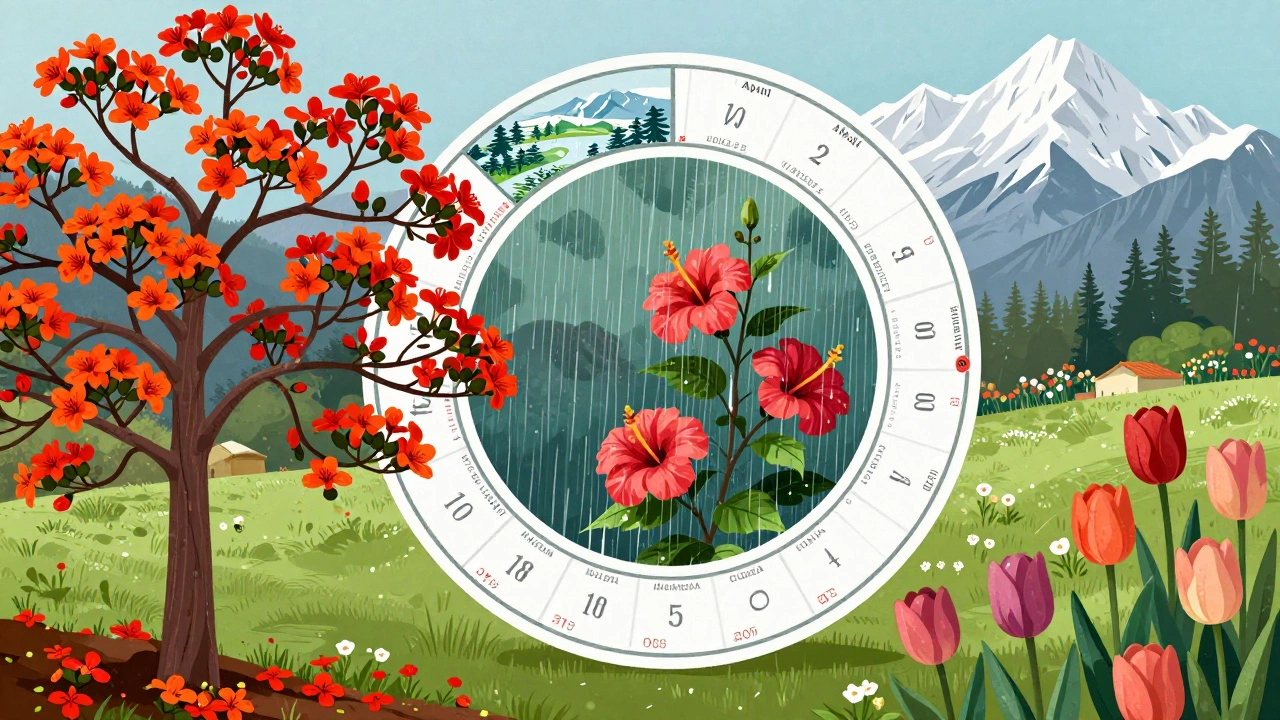
Here’s a simple rule: if you want a flower to bloom in India, match its natural season. Winter flowers need cold. Monsoon flowers need wet. Spring flowers need warmth after frost. Autumn flowers need dry soil after rain.
What Happens If You Plant Out of Season?
Planting a flower outside its window doesn’t just mean no blooms-it can kill the plant. Take the jasmine (Jasminum sambac). It’s a tropical vine that blooms from May to October. If you plant it in December in Delhi, it might survive if kept indoors, but it won’t flower. It needs long days and high humidity to set buds. In winter, the plant will just sit there, yellowing and stunted.
Same with hibiscus. If you plant it in October in Rajasthan, it might survive the heat, but it won’t bloom until next monsoon. The plant needs the combination of high humidity and steady rain to trigger flowering. Dry winds in autumn will cause bud drop.
Even native flowers like the Indian laburnum (Cassia fistula) won’t bloom if planted in the wrong season. It needs a dry winter to rest, then warm spring days to flower. If you water it too much in winter, it won’t flower at all.
Quick Reference: Flowering Months in India
| Flower | Blooming Months | Best Regions | Key Requirement |
|---|---|---|---|
| Marigold | November-February, October-November | North and Central India | Cool weather, full sun |
| Chrysanthemum | November-January | Delhi, Pune, Bangalore | Short days, low humidity |
| Rhododendron | December-February | Himachal Pradesh, Uttarakhand | High altitude, cold nights |
| Tulip | February-April | Kashmir, Himachal | 12 weeks of cold before spring |
| Flame of the Forest | March-April | Rajasthan, Madhya Pradesh | Dry heat before monsoon |
| Lotus | June-August | Uttar Pradesh, Bihar, West Bengal | Deep water, 25°C+ |
| Hibiscus | June-September | Tamil Nadu, Kerala, Karnataka | High humidity, heavy rain |
| Champa (Plumeria) | October-November | Karnataka, Maharashtra | Dry soil after monsoon |
| Ashoka Tree | October-November | South India, Maharashtra | Warm winter, full sun |
What to Do Next
If you’re planning your garden this year, start by asking: When do I want color? Then match your plants to the season. Don’t buy seeds or saplings on impulse. Check local nurseries for what’s in season. Ask: When did this plant come in? If it’s January and they’re selling hibiscus, they’re probably not in bloom yet-and they won’t be until June.
Keep a small notebook. Write down when each flower blooms in your yard. After two years, you’ll know exactly what to plant and when. You’ll stop wasting money on flowers that won’t grow.
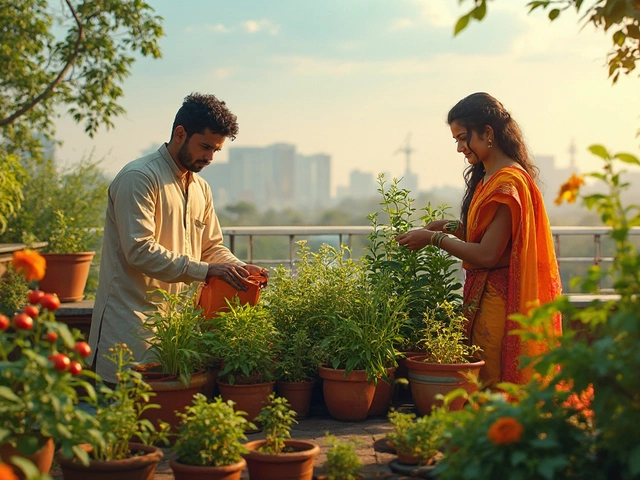
And if you’re in a city with no garden? Try pots. Marigolds in winter. Hibiscus in summer. Lotuses in large tubs. You don’t need land-you just need to follow the seasons.
Can I grow lotus flowers in a small backyard pond?
Yes, but the pond must be at least 18 inches deep and hold at least 50 gallons of water. Use clay soil, not potting mix, and place the lotus tuber in the center. It needs full sun and warm water (25°C or higher). You’ll see blooms from June to August if planted in April or May.
Do marigolds bloom all year in South India?
No. In South India, marigolds bloom best in winter (November-February). In summer, the heat and humidity cause them to wilt and stop flowering. Some gardeners plant new seedlings in September for a second bloom in October, but they won’t flower continuously.
Why won’t my hibiscus bloom even though it’s healthy?
Hibiscus needs both high humidity and heavy rain to trigger blooming. If you’re in a dry region or watering too little, it won’t flower. Also, pruning in late summer can remove next season’s buds. Don’t cut it back after June if you want blooms during monsoon.
Can I force a flower to bloom out of season?
Not reliably. Some gardeners use greenhouses or artificial lighting, but most seasonal flowers in India need natural cues-cold, rain, or daylight length. Trying to trick them usually leads to weak growth or no blooms. It’s better to work with the season than against it.
Are there any flowers that bloom in all four seasons in India?
Very few. The cross vine (Bignonia capreolata) and some varieties of bougainvillea can bloom nearly year-round in warm coastal areas like Goa or Chennai. But even these need warm temperatures. In northern India, they go dormant in winter. No flower truly blooms in all seasons across the whole country.