Coffee Grounds Compatibility Checker
Check if coffee grounds are beneficial or harmful for your plant based on soil pH requirements.
You've probably heard that coffee grounds are a great fertilizer for plants. But is that true? Let's break it down.
What's in Coffee Grounds?
Coffee grounds are the leftover particles after brewing coffee. They contain about 2% nitrogen by weight, along with small amounts of phosphorus and potassium. However, they also hold caffeine and organic acids that can affect soil chemistry.
Nitrogen is a vital nutrient for plants, especially for leafy growth. In coffee grounds, this nitrogen is in a form that slowly releases as the grounds decompose. This makes them a good slow-release fertilizer when composted properly.
Caffeine is another key component. Research from the University of California shows caffeine can inhibit root growth in some plants. While small amounts might not harm mature plants, it can stunt seedlings or sensitive species.
How Coffee Affects Soil pH
Soil pH measures how acidic or alkaline your soil is. Coffee grounds typically have a pH between 5.0 and 6.0, making them slightly acidic. When added to soil, they can lower the pH over time. This is great for acid-loving plants like blueberries or azaleas, but harmful for plants that prefer neutral or alkaline soil, such as lavender or cacti.
For example, a 2023 study by the Royal Horticultural Society found that adding coffee grounds to soil with a pH of 7.0 dropped it to 6.2 within two weeks. While this is beneficial for rhododendrons (which thrive at pH 5.0-6.0), it could harm plants like geraniums that need pH 6.5-7.5.
Which Plants Benefit from Coffee Grounds?
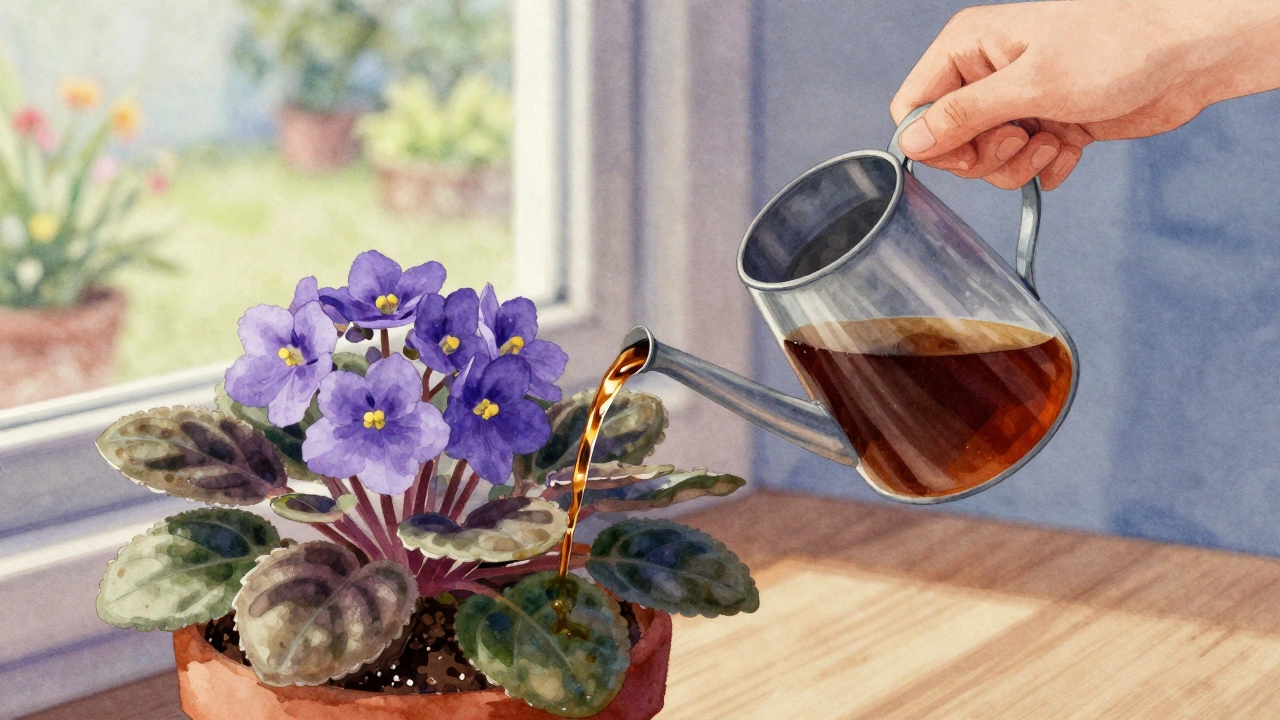
Plants that thrive in acidic soil can benefit from coffee grounds. For example, African violets (Saintpaulia) grow best in soil with a pH between 5.8 and 6.2. A diluted coffee solution (one part coffee to three parts water) can help maintain this acidity. Similarly, Rhododendrons and Camellias prefer acidic conditions and respond well to coffee ground applications.
Ferns like the bird's nest fern also love slightly acidic soil. A monthly application of diluted coffee can boost their growth. But remember: always dilute coffee before applying it directly to soil. Undiluted coffee can burn roots.
Plants That Should Avoid Coffee
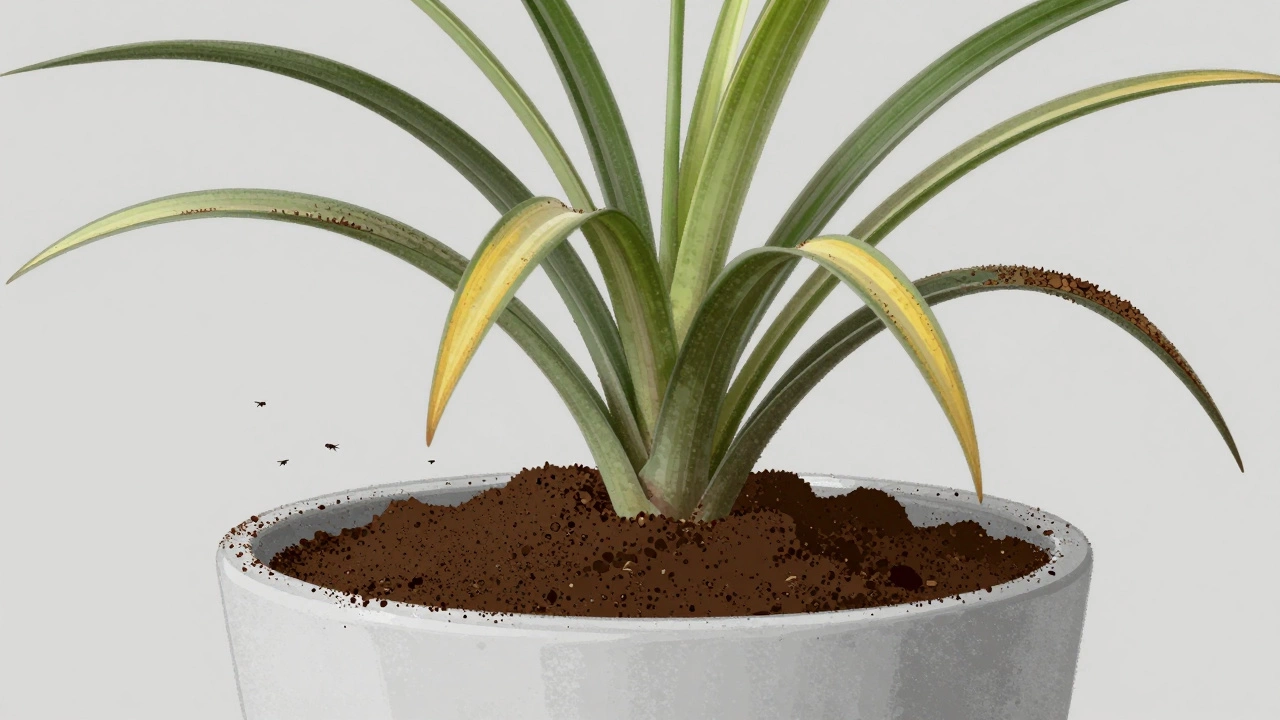
Not all plants like coffee. Spider plants (Chlorophytum comosum) can develop brown leaf tips if exposed to coffee's acidity. Succulents and Cacti also prefer neutral to alkaline soil. Using coffee grounds on these plants may cause root damage or stunted growth.
Even common houseplants like peace lilies or snake plants show signs of stress when coffee is applied directly. A 2024 indoor plant care survey found 68% of succulent owners who used coffee grounds reported yellowing leaves within three weeks. Stick to water or balanced fertilizers for these plants.
Safe Ways to Use Coffee Grounds
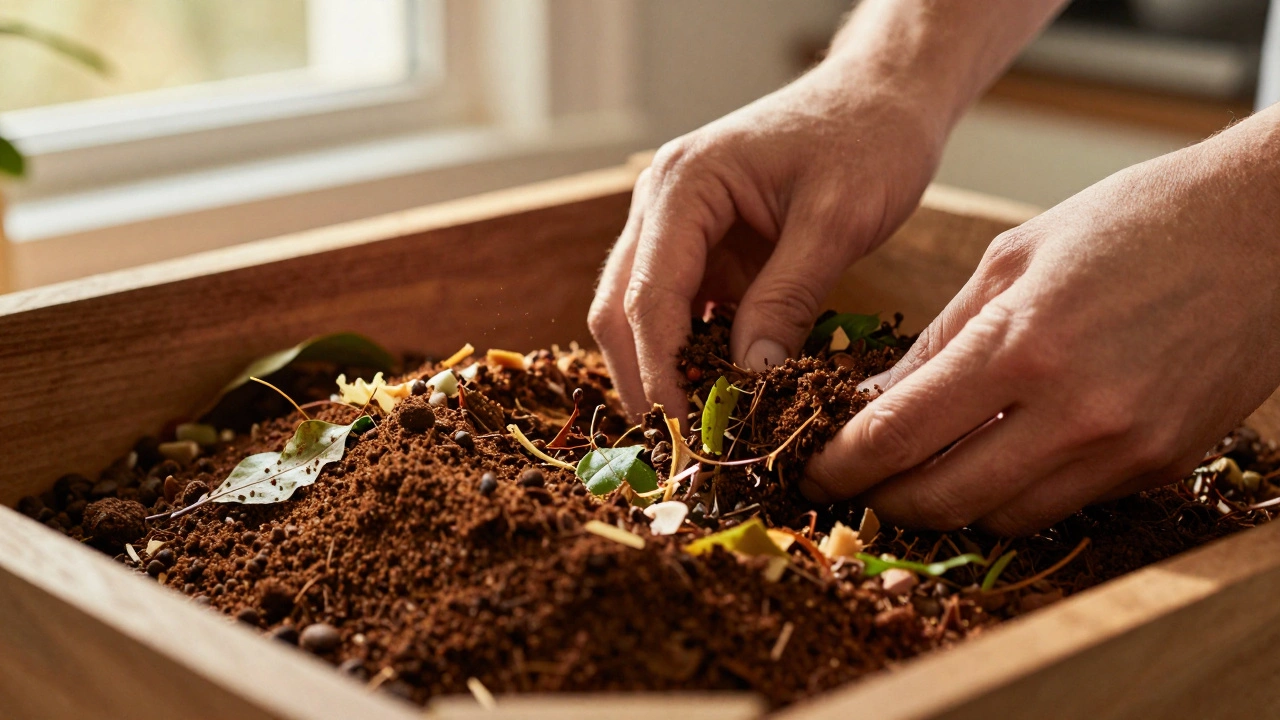
Directly applying coffee grounds to soil can cause problems. Instead, composting coffee grounds first is the safest method. Mix them with other organic matter like leaves or vegetable scraps at a ratio of 1 part coffee grounds to 4 parts compost. This breaks down caffeine and balances acidity. Another option is to dilute brewed coffee: use one cup of coffee per gallon of water for watering plants.
As mulch, coffee grounds work best when mixed with other materials. Sprinkle a thin layer (no more than 1/4 inch) over soil, then cover with regular mulch like wood chips. This prevents mold growth and improves water retention. Never pile coffee grounds directly on top of soil-they can form a crust that blocks air and water.
Mistakes to Avoid
Using undiluted coffee directly on plants can burn roots. Also, applying too many coffee grounds can lead to mold growth or attract pests like fungus gnats. Never add more than a quarter-inch layer of grounds to the soil surface. And remember, coffee grounds aren't a substitute for balanced fertilizers-they should complement, not replace, your plant care routine.
Another common mistake is using coffee grounds on young seedlings. A 2022 study from the University of Florida found seedlings exposed to coffee grounds had 30% slower growth rates than those watered with plain water. Always wait until plants are mature before introducing coffee-based treatments.
Can I use leftover coffee on my plants?
Yes, but always dilute it first. Use one part coffee to three parts water to prevent over-acidifying the soil. This diluted solution works well for acid-loving plants like African violets or ferns. Avoid using coffee on plants that prefer alkaline soil, like succulents or cacti.
How much coffee grounds should I use?
For composting, mix coffee grounds at a 1:4 ratio with other organic matter. For direct soil application, use no more than a quarter-inch layer mixed into the topsoil. Overuse can cause mold or nutrient imbalances. Always start with small amounts and monitor plant response.
Do coffee grounds repel pests?
Coffee grounds can deter slugs and ants due to their texture and caffeine content. However, they may attract fungus gnats if left damp on soil surfaces. For pest control, use coffee grounds sparingly as a barrier around plants, not as a blanket layer.
Can I use tea leaves instead of coffee grounds?
Tea leaves have similar benefits and drawbacks. They're slightly acidic and contain nitrogen, but their caffeine content is lower. Like coffee, compost tea leaves before applying to soil. Avoid using them on plants that prefer alkaline conditions.
Is coffee good for all indoor plants?
No. Acid-loving plants like ferns, azaleas, and African violets benefit from coffee, but plants like spider plants, succulents, and peace lilies can suffer. Always check your plant's preferred soil pH before using coffee. When in doubt, skip it or test on a single plant first.