Beginner's Garden Planner
Select plants to avoid burnout:
Your Personalized Plan
Shopping List Focus
Maintenance Reminder:
Use the "finger test": stick your finger 2 inches into the soil. If it's dry, water at the base. If moist, leave it alone!

Select your options and click "Generate My Garden Plan" to see your customized beginner guide.
Stop overthinking your backyard and just start digging
Most people quit before they even plant a seed because they think they need a degree in botany or a massive plot of land to succeed. You don't. Whether you have a sprawling lawn in Auckland or a tiny concrete balcony, the goal isn't to create a botanical masterpiece-it's to get some edible greens on your plate. If you can follow a few basic rules about sun and water, you can grow your own food. The real secret is starting small so you don't get overwhelmed and give up by July.
Before you buy a single shovel, you need to understand kitchen gardening, which is the practice of growing edible plants, herbs, and vegetables in a convenient location close to the kitchen. It's less about large-scale farming and more about supplementing your meals with fresh, organic produce. By focusing on home gardening, you reduce your grocery bill and get nutrients that store-bought produce loses during transport.
Key Takeaways for Fast Results
- Pick a spot with at least 6 hours of direct sunlight.
- Start with 3-5 easy-to-grow plants to avoid burnout.
- Invest in high-quality potting mix rather than cheap topsoil.
- Water early in the morning to prevent fungus and evaporation.
- Keep your garden within sight of your kitchen for easier maintenance.
Finding the right spot for your plants
Plants are like people; they get grumpy if they're in the wrong environment. The biggest mistake beginners make is placing a garden where it "looks nice" rather than where the plants actually thrive. Most vegetables need a minimum of 6 to 8 hours of sunlight. If you put your tomatoes in a shaded corner, you'll get plenty of green leaves but zero fruit. Observe your yard for a full day. Where does the sun hit at 10 AM? Where is it at 3 PM? That's your goldmine.
Water access is the second biggest hurdle. If you have to carry heavy buckets across the yard every day, you're going to stop doing it. Place your garden near a hose or install a simple rain barrel. If you're working with a balcony, ensure you have a way to drain excess water so you don't accidentally flood your downstairs neighbor's living room.
Choosing your garden style: Raised beds vs. In-ground
You have two main paths here. In-ground gardening is the cheapest-you just dig a hole and plant. But if your soil is heavy clay or full of rocks, you'll spend more time fighting the earth than growing food. This is where Raised Beds come in. These are shallow-sided containers filled with imported soil, lifted above the natural ground level. They offer better drainage, fewer weeds, and save your back from constant bending.
| Feature | In-Ground Gardening | Raised Bed Gardening | Container Gardening |
|---|---|---|---|
| Startup Cost | Low | Medium | Low to Medium |
| Soil Control | Difficult | Excellent | Perfect |
| Physical Strain | High (bending) | Low | Very Low |
| Space Required | Medium to High | Medium | Very Low |
The dirt on soil: Why the mix matters
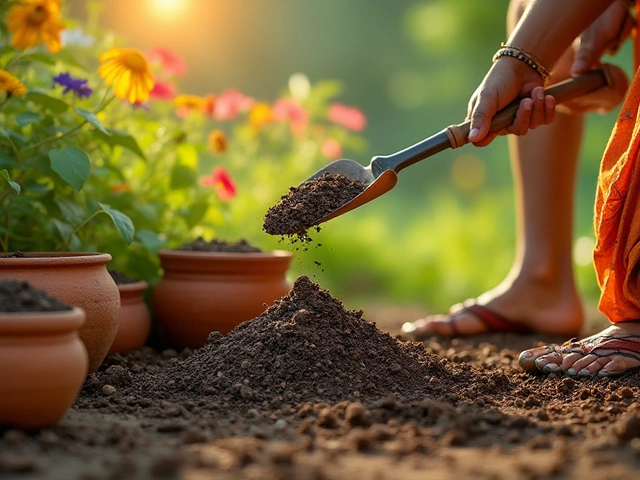
Stop calling it "dirt." Dirt is what you find under your shoes; Soil is a living ecosystem. If you use plain backyard dirt in a pot, it will compact, choke the roots, and kill your plants. You need a mix that allows for aeration and moisture retention. For a simple garden, a mix of compost, peat moss, and perlite is the gold standard.
If you want to go the organic route, start Composting. This is the process of recycling organic kitchen waste, like eggshells and coffee grounds, into nutrient-rich soil amendments. A handful of finished compost is like a multivitamin for your plants. Instead of using harsh chemical fertilizers that kill beneficial worms, use organic matter to build long-term soil health.
Picking your first plants (Don't be too ambitious)
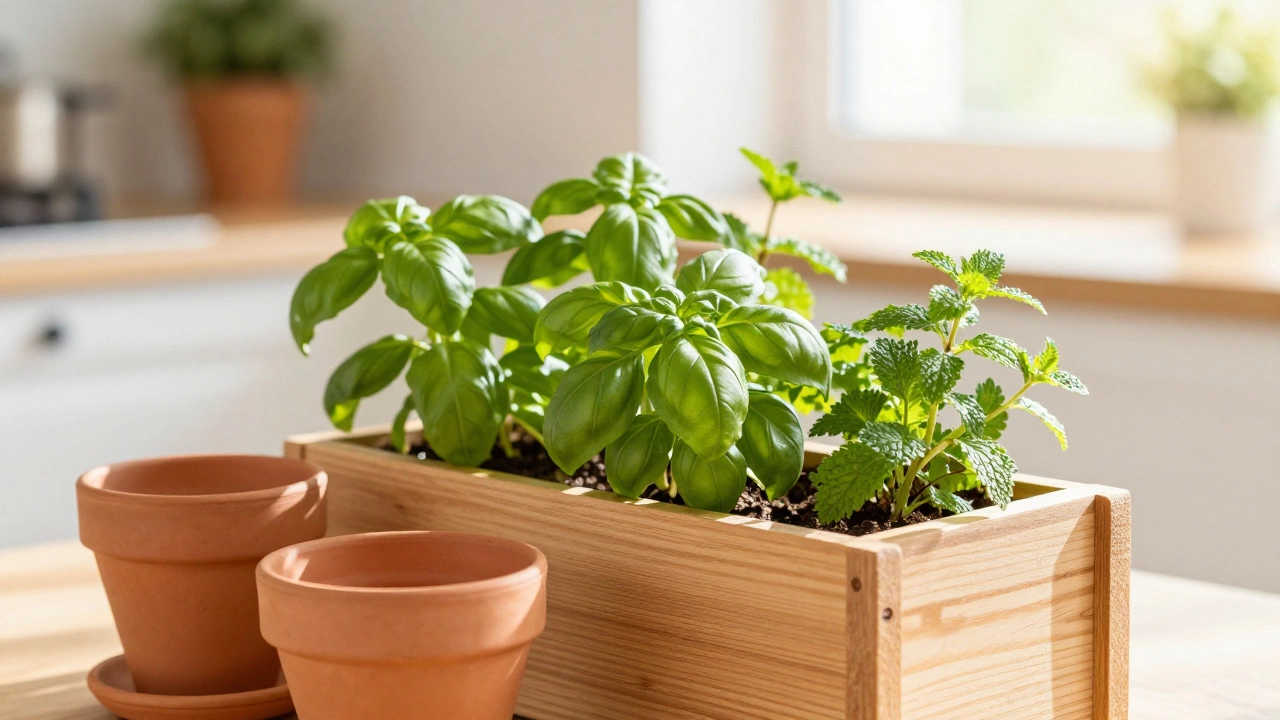
It's tempting to buy everything in the nursery, but that's how gardens become overgrown jungles of dead stems. Start with "high-reward" plants-things that grow quickly and are hard to kill. Herbs are the best entry point. Basil, mint, and parsley can grow in a small pot on a windowsill and provide immediate value to your cooking.
For vegetables, try radishes or lettuce. Radishes are incredible for beginners because some varieties are ready to harvest in just 25 days. It's a quick win that keeps you motivated. If you have more space, go for cherry tomatoes or zucchini. Just be warned: one zucchini plant can produce more squash than a family of four can possibly eat in a week.
Watering and maintenance without the stress
Most beginners either drown their plants or let them turn into crispy brown sticks. The trick is the "finger test." Stick your finger two inches into the soil. If it feels moist, leave it alone. If it's dry, water it. Always water at the base of the plant, not the leaves. Wet leaves in the sun can burn, and wet leaves at night are an invitation for powdery mildew.
Weeds are inevitable, but you can manage them by using mulch. Layering shredded bark or straw on top of your soil keeps moisture in and blocks sunlight from reaching weed seeds. It's a one-time effort that saves you hours of weeding later in the season. If you see a bug, don't immediately reach for the pesticide. Many bugs, like ladybugs, are actually your best allies because they eat the aphids that destroy your crops.
How much money do I need to start a simple garden?
You can start for as little as $20 if you use recycled containers (like old yogurt tubs) and buy a few packets of seeds. If you buy a raised bed kit and high-quality soil, expect to spend between $50 and $150 depending on the size.
Can I grow a garden without a backyard?
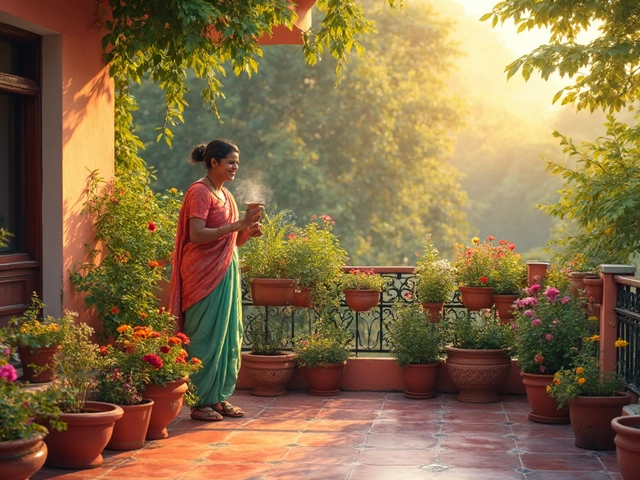
Absolutely. Container gardening is perfect for apartments. You can use vertical planters, hanging pots, or window boxes. Just make sure your plants get enough light-if you don't have a sunny balcony, you might need a small LED grow light.
What are the easiest vegetables for absolute beginners?
Radishes, lettuce, spinach, and zucchini are the most forgiving. Herbs like basil and mint are also incredibly easy. Avoid starting with temperamental plants like cauliflower or certain types of heirloom peppers until you have a feel for your soil.
How often should I fertilize my plants?
If you use a high-quality potting mix with built-in slow-release nutrients, you might not need to fertilize for the first few months. For long-term growth, adding a layer of organic compost every 4-6 weeks is usually enough for most kitchen gardens.
What do I do if my plants start turning yellow?
Yellow leaves are usually a sign of one of three things: overwatering (most common), a lack of nitrogen in the soil, or not enough sunlight. Check the soil moisture first. If it's soaking wet, stop watering for a few days. If it's dry and yellow, you might need a bit of compost or liquid seaweed fertilizer.
Next steps: Moving beyond the basics
Once you've successfully harvested your first batch of lettuce, don't try to turn your whole yard into a farm overnight. Instead, try "succession planting." This means planting a small amount of seeds every two weeks so you have a steady supply of food instead of 20 heads of lettuce all ripening on the same Tuesday.
You might also want to explore companion planting. For example, planting marigolds next to your tomatoes helps repel pests naturally. It's a simple way to make your garden more sustainable without using chemicals. The more you observe your plants, the more you'll realize that gardening isn't about following a strict manual-it's about reacting to what your plants are telling you.