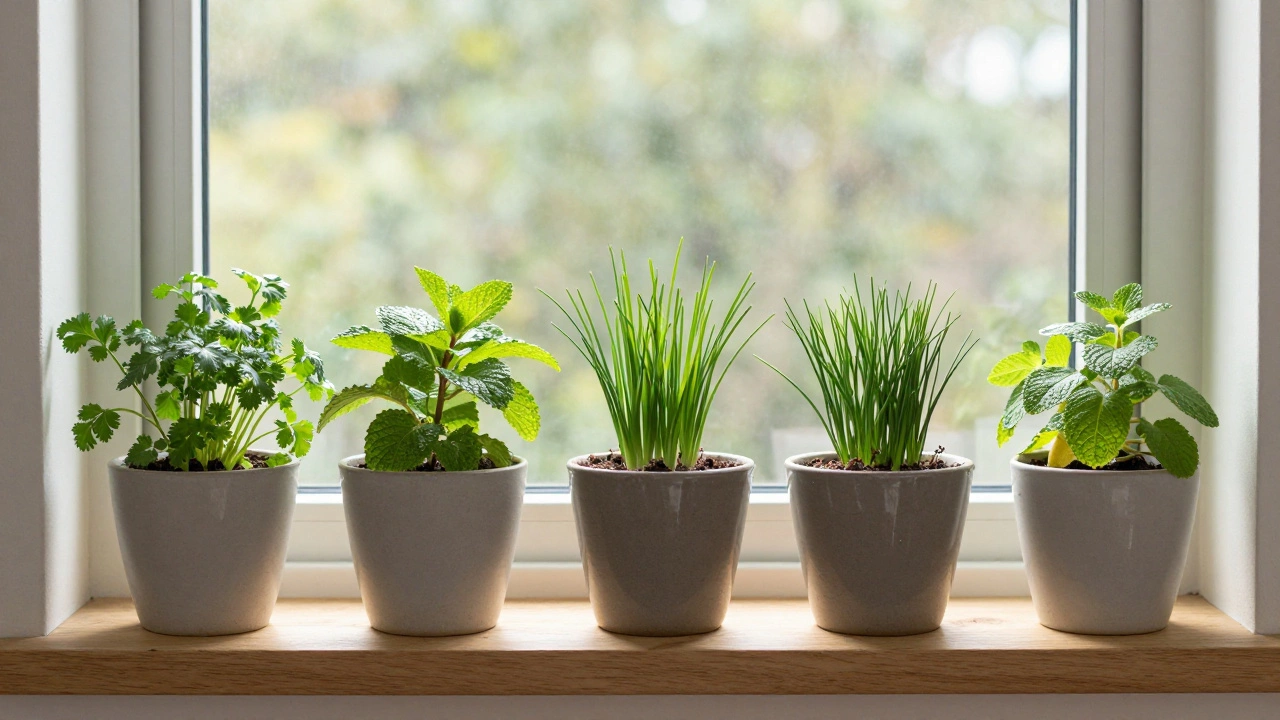
Building your own kitchen garden sounds like a smart move-fresh herbs right outside your back door, no more paying $5 for a tiny bunch of basil, and the satisfaction of picking your own ingredients. But here’s the real question: is it cheaper to build your own kitchen garden than buying produce from the store?
The short answer? It depends. Not every kitchen garden saves you money. Some do, big time. Others end up costing more than you’d spend at the supermarket. Let’s break it down with real numbers, real setups, and what actually works in a New Zealand home.
What You’re Really Buying When You Build a Kitchen Garden
When you think about building a kitchen garden, you’re not just buying seeds. You’re investing in containers, soil, tools, lighting, water systems, and time. Most people skip the hidden costs until they’re stuck with a wilting rosemary plant and a $40 bill from the garden centre.
Here’s what a basic setup costs in Auckland, 2026:
- 5x 30cm planters: $75
- Organic potting mix (40L): $35
- Herb seedlings (basil, thyme, mint, parsley, chives): $25
- Basic trowel and pruners: $20
- Self-watering system (optional but helpful): $40
- Grow lights (if indoors): $60
Total upfront cost: $255. That’s before you’ve picked your first leaf.
Compare that to buying those same herbs at a local supermarket. A bunch of basil? $3.50. A small pot of mint? $4. You’d spend about $60 in a year if you used herbs weekly. So if you only use herbs once a week, you’d break even in four years. Not great.
Where the Real Savings Happen
But here’s what most people miss: you don’t need to grow everything. You only need to grow the stuff you use often, and that’s expensive to buy.
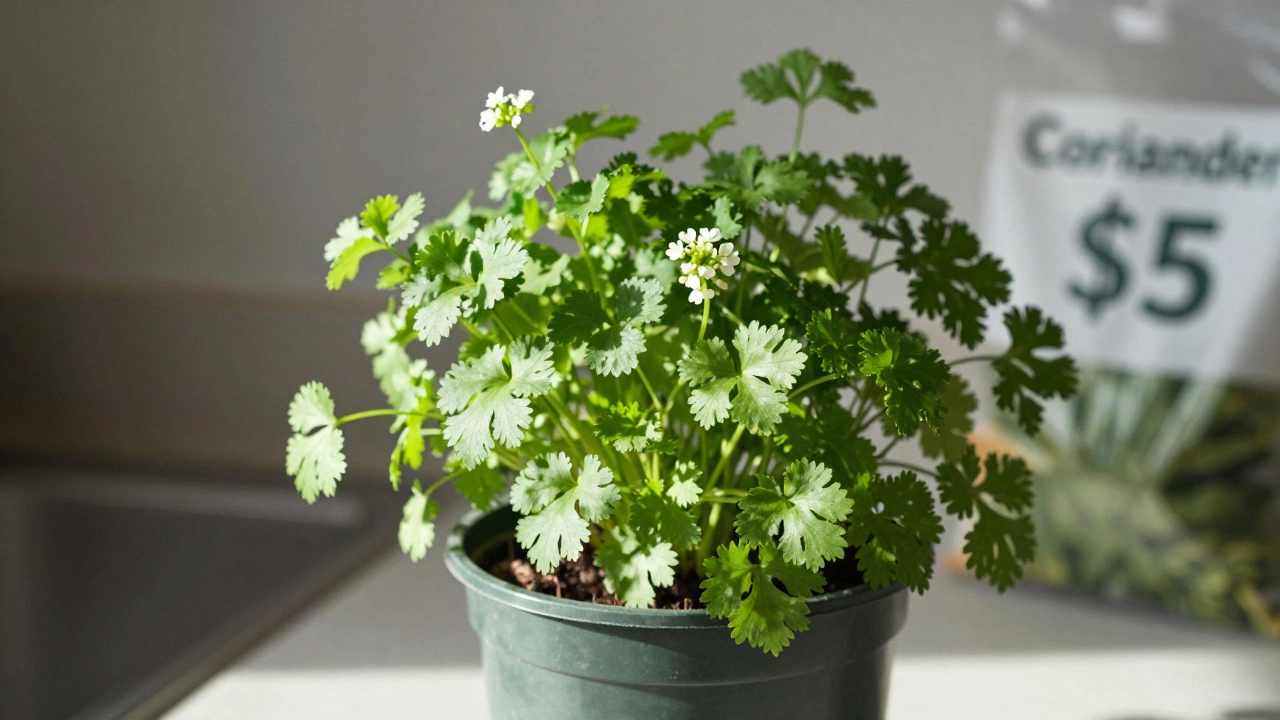
Take coriander. In New Zealand, it’s hard to find fresh coriander that doesn’t turn yellow by day three. A small pot costs $5. If you use it twice a week, that’s $52 a year. One coriander plant, planted in spring, will give you 8-10 harvests over 6 months. Cost to grow? $5 for seeds and soil. That’s a 90% saving.
Same with parsley. Supermarket bunches are $4 each. A single plant lasts over a year and gives you enough for weekly cooking. Cost to grow? $3. Savings? 92%.
Then there’s mint. You buy it once. It takes over your garden. Literally. One plant, planted in a container, will feed your tea, cocktails, and salads for two years. Cost to grow? $2. You’ll never buy it again.
These three plants alone-coriander, parsley, mint-can save you $120+ a year. And they cost under $15 to start.
What Doesn’t Save You Money
Don’t waste time growing tomatoes or peppers if you’re in a cool climate. In Auckland, outdoor tomatoes need a sunny wall, consistent warmth, and 12 weeks of perfect weather. Most people end up with three green tomatoes and a $100 bill in grow bags and fertiliser. A 250g punnet of cherry tomatoes costs $4.50. It’s cheaper to buy them.
Same with basil. It’s easy to grow, yes-but if you’re keeping it indoors under a grow light, you’re using electricity. A 20W LED light running 12 hours a day for 6 months uses 43.8 kWh. At 30c/kWh, that’s $13.14. Add the cost of soil and seedlings, and you’re at $20. A bunch of basil? $3.50. You’d need to use basil every single day to make it worth it.
So here’s the rule: only grow what you use often, what’s expensive to buy, and what dies quickly in stores.
The Kitchen Garden That Actually Pays for Itself
Let’s build a real, practical kitchen garden for a typical Auckland household.
Plant list:
- Coriander (1 plant)
- Parsley (1 plant)
- Mint (1 plant)
- Chives (1 plant)
- Thyme (1 plant)
- Lemon balm (1 plant-great for tea)
That’s six plants. Total cost to start: $40 (seeds and small pots). No grow lights. No fancy system. Just a sunny windowsill and a watering can.
How much do you save?
- Coriander: $52/year
- Parsley: $48/year
- Mint: $40/year
- Chives: $20/year
- Thyme: $30/year
- Lemon balm: $15/year
Total annual savings: $195. Payback time? Under 3 months. After that, it’s pure savings.
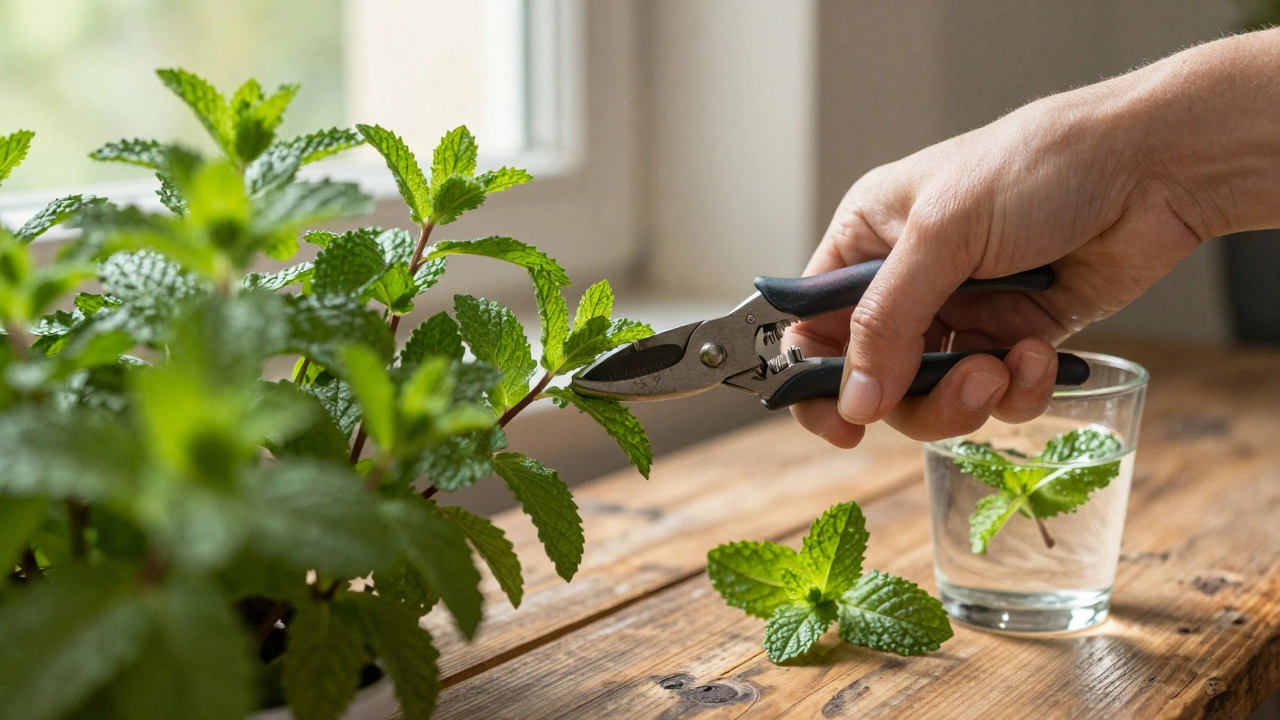
And you’re not done. Once the plants mature, you can take cuttings. Mint? Take a stem, stick it in water, and grow a new plant for free. Thyme? Same thing. You’re building a self-sustaining system.
What About Soil and Water?
Soil matters. Don’t use cheap potting mix from the bargain bin. It compacts, doesn’t drain, and kills roots. Buy organic potting mix-it’s worth the extra $5. You’ll get healthier plants and fewer pests.
Water? Tap water is fine. But if you’re growing indoors, don’t overwater. Let the top inch dry out. Most kitchen herb deaths happen from too much water, not too little.
And no, you don’t need a drip system. A watering can and a little attention beat any automated setup for small gardens.
Seasonal Tips for New Zealand
Winter in Auckland is mild, but herbs still slow down. Keep your garden going:
- Move plants to a south-facing window if they’re indoors.
- Use a clear plastic bag over the pot to trap heat on cold nights.
- Stop harvesting in June-July. Let plants rest.
- Start new seeds in late August for spring growth.
Spring is when your garden really pays off. By October, you’ll have enough herbs to dry or freeze. A jar of dried mint? Worth $15 at the store. You made it for $0.20 in seeds.
Real Talk: Time vs Money
Here’s the trade-off: building a kitchen garden saves money, but it costs time. You need to water. You need to prune. You need to check for aphids. If you’re already stretched thin, a $5 herb bunch might be worth it.
But if you enjoy the routine-if you like the smell of fresh thyme when you chop it, or the pride of picking your own mint for tea-then the time isn’t a cost. It’s part of the reward.
Most people who stick with it don’t do it to save money. They do it because it feels good. And guess what? The money savings just show up as a bonus.
Start Small. Grow Smart.
You don’t need a whole wall of planters. You don’t need a greenhouse. You don’t need to be a gardening expert.
Start with one pot. Pick one herb you use often and hate paying for. Plant it. Water it. Watch it grow. When it thrives, add one more.
That’s how the cheapest, most satisfying kitchen gardens are built-not with a big plan, but with one small, smart step.