Compost: Turn Kitchen Scraps into Garden Gold
Ever wondered why some gardens look so lush while yours feels a bit tired? The secret is often simple – good compost. Compost is just natural waste that breaks down into rich, dark soil. It feeds plants, improves water retention, and cuts down on fertilizer costs. The best part? You can start right in your kitchen or balcony with things you already throw away.
How to Start a Compost Bin at Home
First, pick a spot. A corner of the yard, a balcony balcony box, or even a big bucket works. Make sure it has good air flow – a few holes on the sides are enough. Then, collect two types of material: greens (fresh kitchen waste like veggie peels, fruit skins, coffee grounds) and browns (dry leaves, shredded newspaper, straw). Aim for a 1:2 ratio of greens to browns; too much green makes it soggy, too much brown slows it down.
Every few days, give the pile a quick turn with a garden fork or a compost aerator. Turning adds oxygen, which speeds up the breakdown and stops nasty smells. Keep the pile damp, like a wrung‑out sponge – sprinkle water if it looks dry, add more greens if it’s too dry. Within a month or two, you’ll see dark, crumbly material that smells earthy. That’s ready to use.
Using Compost Effectively in Your Garden
When the compost is ready, spread a thin layer (about a half‑inch) over planting beds, around trees, or mix it into potting soil. It works as a top‑dressing, a soil amendment, or a seed‑starting mix. In Indian climates, compost helps retain moisture during hot summers and improves drainage in monsoon rains. If you have a vegetable patch, mix compost into the soil before planting to give veggies a nutrient boost from day one.
Don’t forget to test the compost if it looks too dark or smells funky – that could mean it’s not fully broken down. A quick visual check works: finished compost feels light, has a uniform texture, and breaks apart easily. Use it within a year for the best results; over‑aged compost can lose some vigor.
Starting compost is easier than you think, and the payoff shows up quickly in healthier plants and richer soil. Grab a bin, collect your kitchen scraps, and watch nature do the hard work for you. Your garden will thank you, and you’ll cut down on waste at the same time.
Soil Improvement
0
Comments
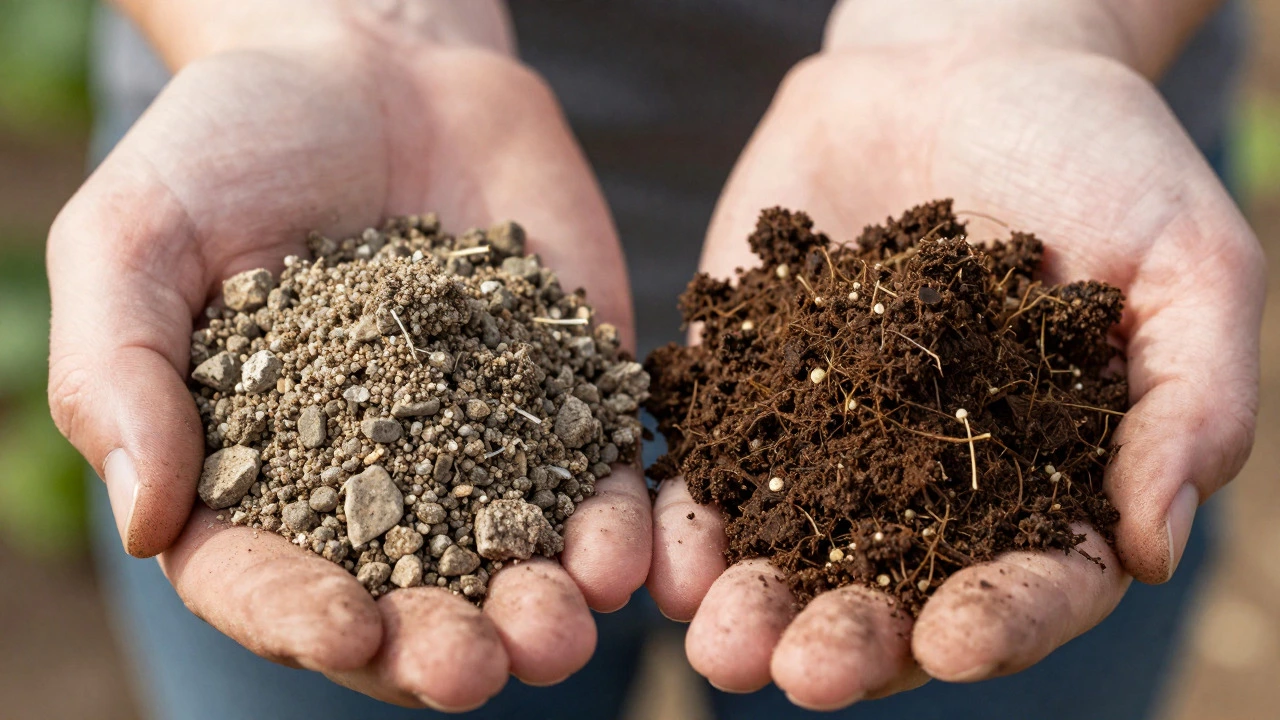
Garden Soil vs Topsoil: Key Differences and How to Choose
Discover the key differences between garden soil and topsoil. Learn which one to choose for planting, leveling, and improving your yard's health.
Soil Improvement
0
Comments
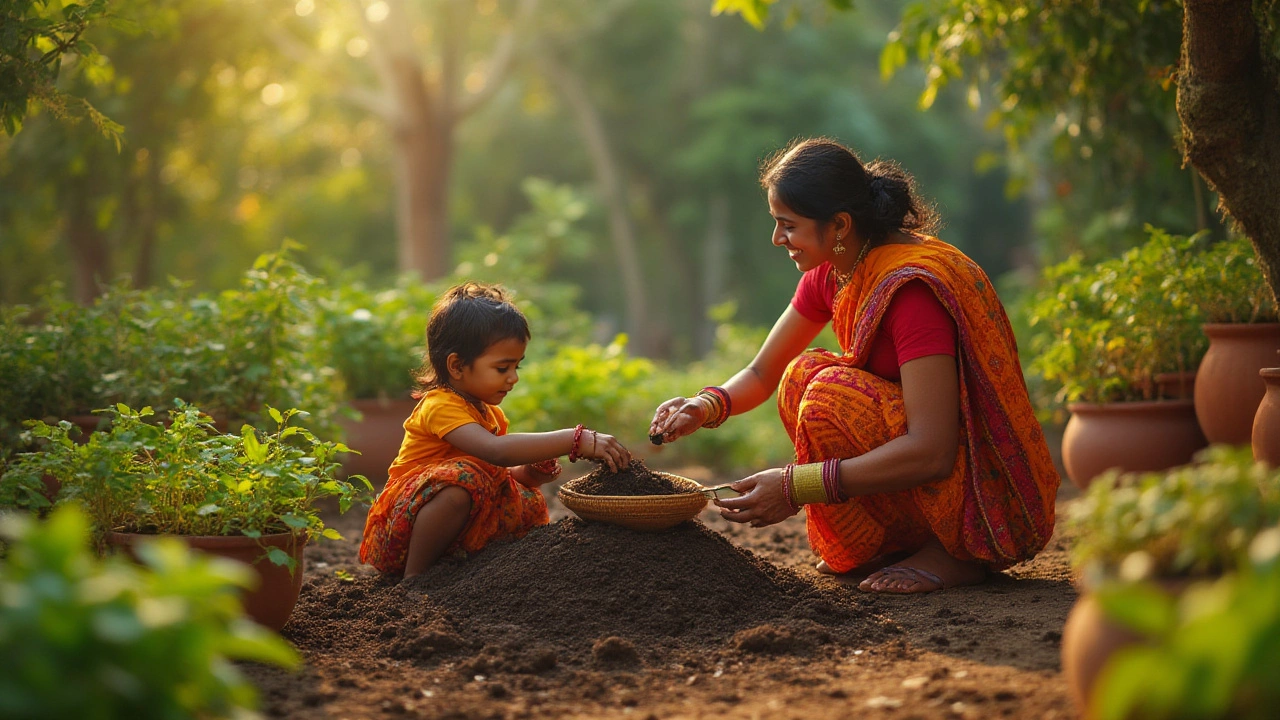
How to Loosen Heavy Garden Soil: Simple Additives for Better Texture
Heavy, compacted soil can suffocate plants. Discover easy ways to lighten your garden’s soil—add compost, sand, and more for healthier roots.
Soil Improvement
0
Comments
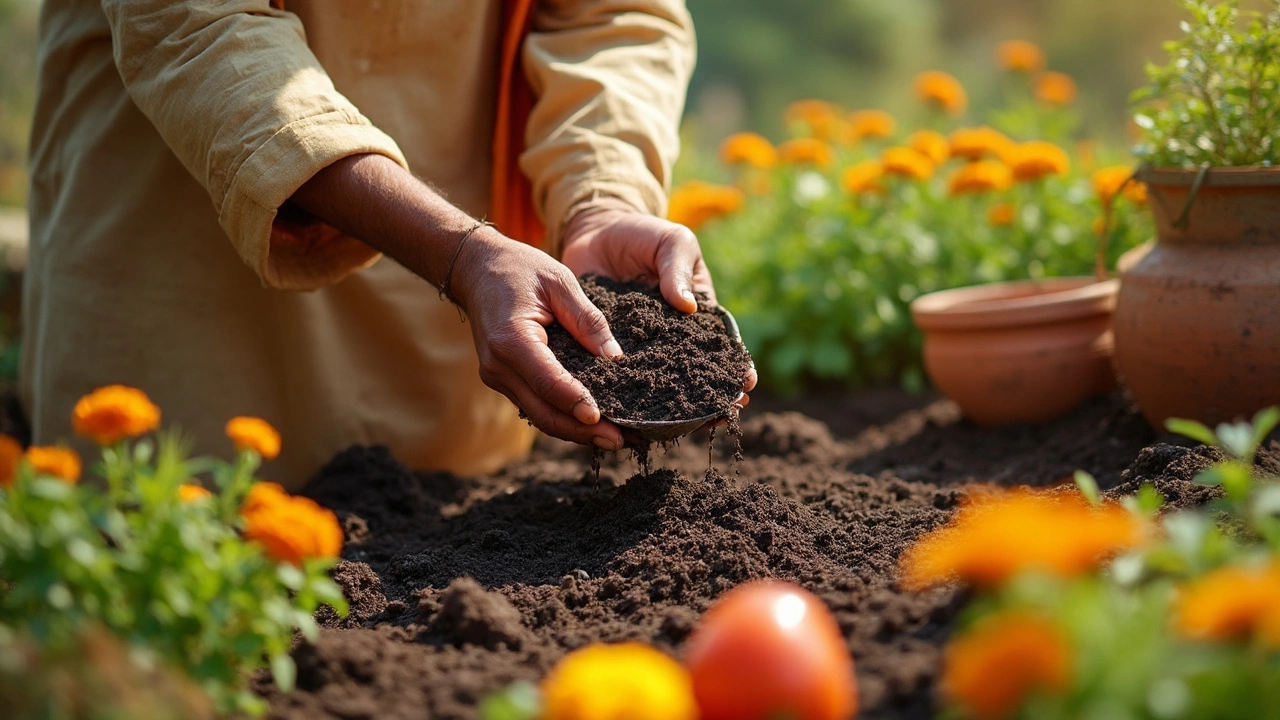
Bulk Up Garden Soil: Real Ways to Make Your Dirt Work Harder
If your plants are struggling or your garden beds look tired, your soil is usually the culprit. This article shows real-life ways to add muscle to your garden soil so plants grow stronger and happier. Expect practical tips, science you can use, and a few secrets experienced gardeners swear by. No fluff, just clear answers for getting better soil. Time to start growing healthier, better crops.
Composting
0
Comments
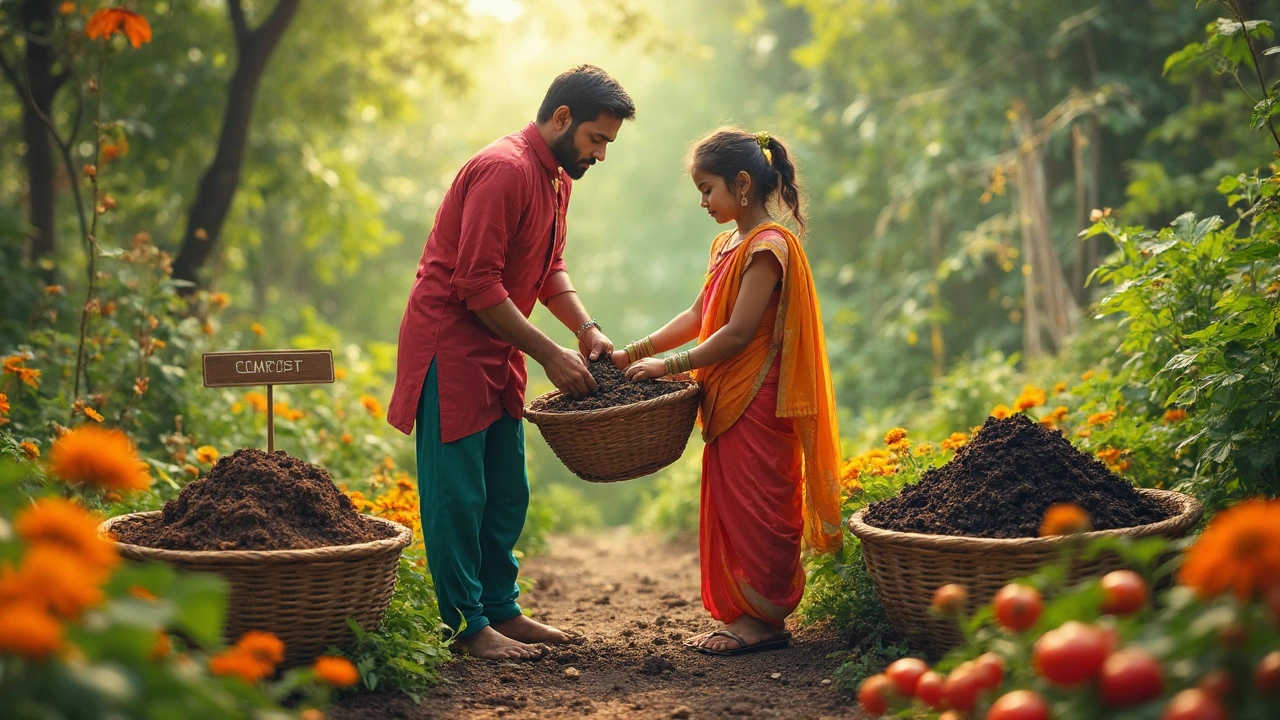
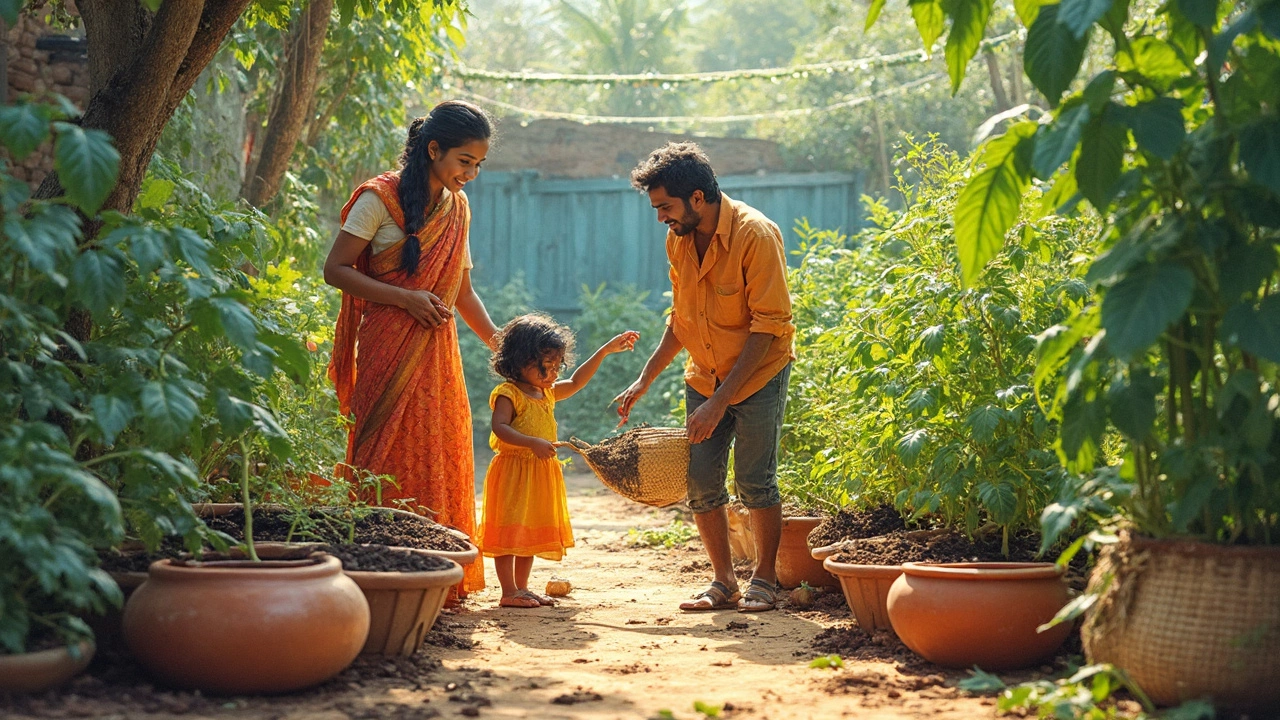
Compost vs Organic Compost: What Really Sets Them Apart?
People often mix up compost and organic compost, but there’s a clear line between the two. This article breaks down the details, showing what really makes compost and organic compost different. You’ll get practical tips for making both at home and advice on picking the right option for your garden. Discover common mistakes, smart ways to boost your soil quality, and learn how the rules around these labels actually work. Expect plenty of straight answers and hands-on facts you can use.
Soil Improvement
0
Comments
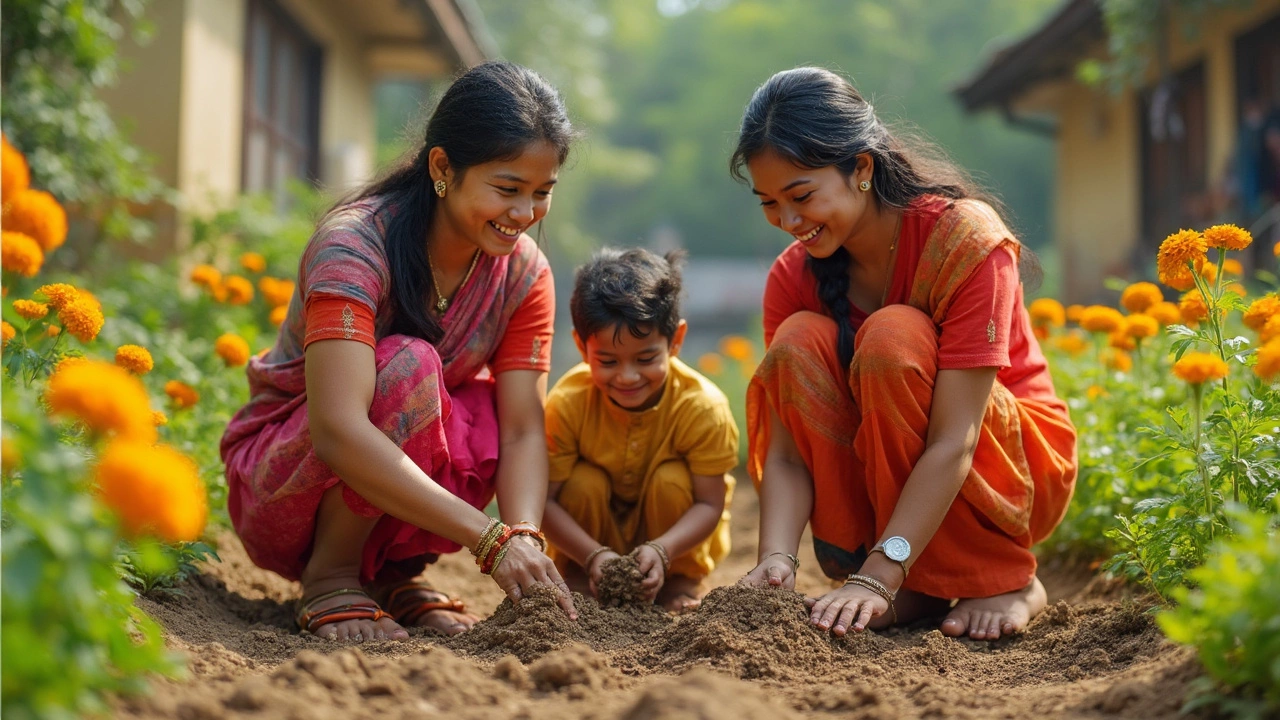
Vegetable Garden Soil: What to Add for Healthy Growth
Starting a vegetable garden? Your soil is the real MVP, and it needs more than just dirt to thrive. This article breaks down exactly what to add to your soil, from compost to smart DIY fixes, so your veggies actually stand a chance. Skip the guesswork—get real tips for better harvests. You'll even learn how to spot if your soil is missing something important.
Soil Improvement
0
Comments
How to Make Bad Dirt Good: Simple Fixes for Tired Garden Soil
Struggling with hard, lifeless, or sandy soil? Turning bad dirt into rich, productive garden soil is easier than you think. This article covers concrete tips for fixing stubborn dirt, signs your soil needs help, and how anyone can grow better plants with a few cheap tricks. You’ll learn how compost, cover crops, and some everyday kitchen scraps can make a bigger difference than most store-bought mixes. Skip the guesswork and follow these practical steps to healthier garden beds.
Soil Improvement
0
Comments
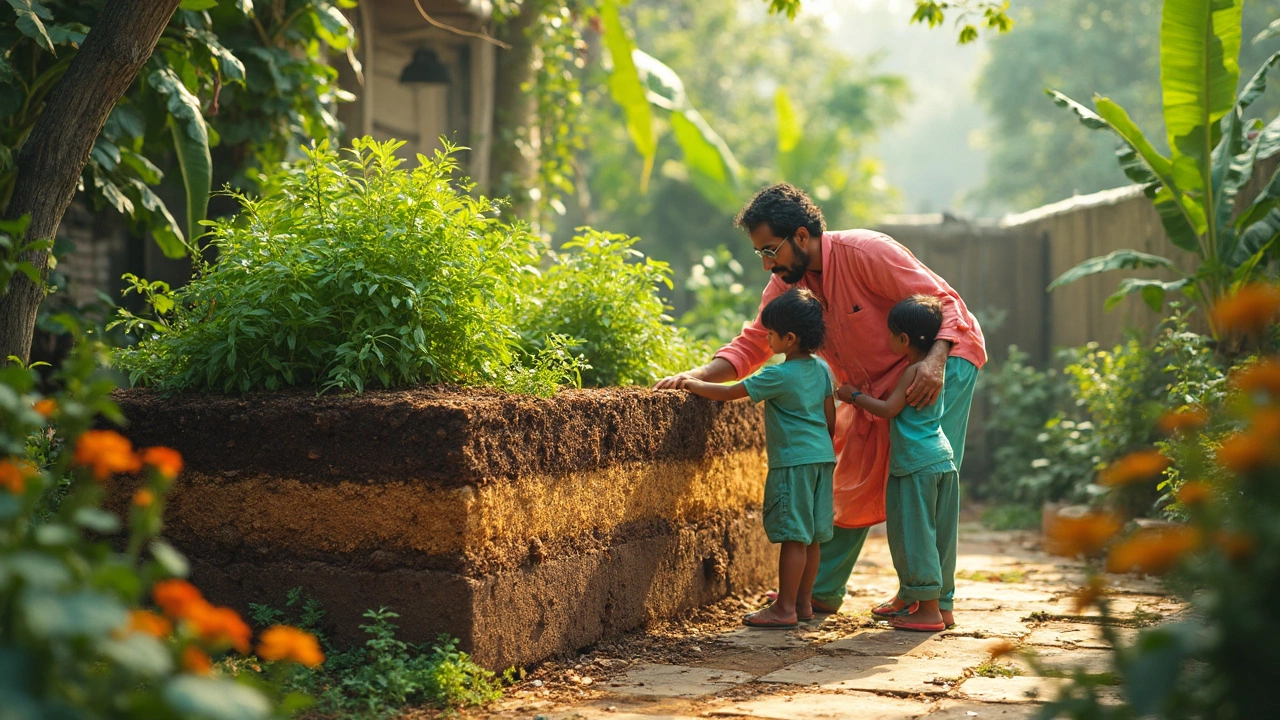
Best Materials to Put in the Bottom of a Raised Garden Bed for Healthy Soil
Not sure what to put at the bottom of a raised garden bed? This article breaks down the best materials to boost soil health, improve drainage, and keep weeds at bay. Learn the dos and don’ts for a thriving garden setup. Get practical tips that save time, money, and hassle. Create your raised bed right from the start.
About
Soil Improvement, Composting
Latest Posts

Natural Aromas That Repel Bugs: What Scents Keep Pests Away?
By Alden Thorne Jan 31, 2025
Best Plants for Rooftop Gardens: Make the Most of Your Terrace Space
By Alden Thorne Jun 8, 2025
Can You Use Vinegar as a Natural Pesticide? The Truth About Effectiveness and Risks
By Alden Thorne Jul 24, 2026