Garden Soil vs Topsoil Cost & Recommendation Calculator
Project Details
Quick Reference
- Topsoil Bulk Rate $22.50/yd³
- Garden Soil Bulk Rate $50.00/yd³
- Compost Bulk Rate $30.00/yd³
- *Average market prices used for estimation. Actual costs vary by region.
You’ve just bought a bag of dirt. It looks dark, it smells earthy, and the label says "premium." But is it topsoil or garden soil? The difference isn't just marketing fluff; it determines whether your tomatoes thrive or your roses rot. Most gardeners use these terms interchangeably, but they serve two very different jobs in the landscape. Using the wrong one can lead to compacted beds, nutrient deficiencies, or plants that simply refuse to grow.
If you are looking to fill a low spot in your yard, topsoil is your friend. If you want to plant a vegetable bed, topsoil alone will likely fail you. You need garden soil-or better yet, a mix. Understanding the distinction saves money, prevents heartbreak, and leads to healthier plants. Let’s break down exactly what goes into each bag and where it belongs.
The Reality of Topsoil
Topsoil is literally the uppermost layer of the ground, typically the top 2 to 8 inches. In nature, this layer is rich with organic matter, microorganisms, and nutrients because it is where dead leaves, roots, and insects decompose. However, the topsoil sold at big-box stores is rarely this pristine natural product.
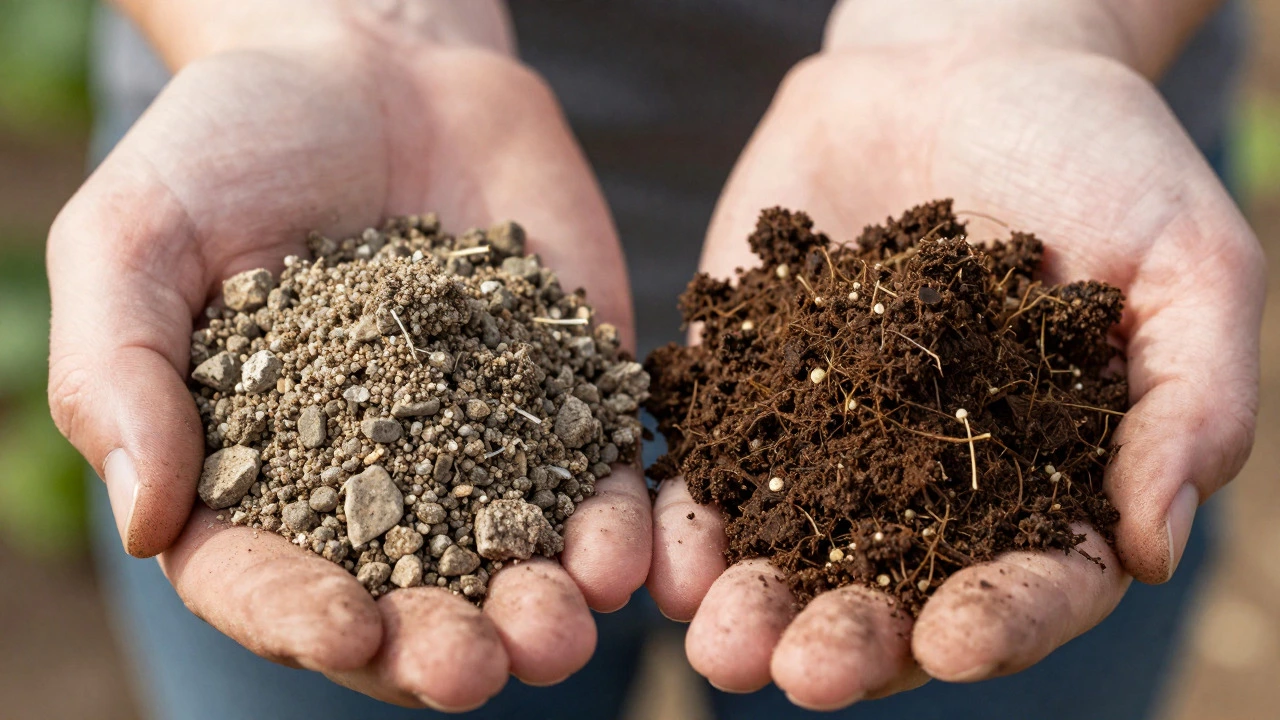
Commercial topsoil is often subsoil-dirt scraped from deeper underground layers during construction or excavation projects. Because it comes from below the living root zone, it lacks the biological activity and organic content that plants crave. It is primarily composed of sand, silt, clay, and small rocks. Its main purpose is volume and structure, not nutrition.
Think of commercial topsoil as a blank canvas. It provides mass and elevation, but it doesn’t provide life. If you plant directly into pure commercial topsoil, you might find that it compacts heavily after rain, choking off oxygen to roots. It also tends to wash away easily if not anchored by grass or deep-rooted plants.
- Composition: Mostly mineral particles (sand, clay, silt) with little to no organic matter.
- Primary Use: Grading lawns, filling holes, raising landscape levels, and covering exposed subsoil.
- Nutrient Level: Very low. It requires significant amendment before planting vegetables or flowers.
- Texture: Can be dense and prone to compaction.
What Garden Soil Actually Is
Garden soil, sometimes labeled as "potting mix" or "planting mix" when sold in bags for containers, is a formulated product. It is designed specifically to support plant growth. Unlike raw topsoil, garden soil is engineered to have the right balance of drainage, aeration, and nutrients.
High-quality garden soil contains a blend of peat moss, coconut coir, compost, perlite, vermiculite, and sometimes slow-release fertilizers. These ingredients work together to create a fluffy, lightweight medium that holds moisture without becoming waterlogged. It is biologically active, meaning it contains beneficial microbes and fungi that help break down nutrients for plant uptake.
When you buy a bag labeled "garden soil," you are buying a ready-to-use growing medium. You can plant seeds or seedlings directly into it without worrying about adding extra amendments immediately. This makes it ideal for raised beds, container gardening, and new flower borders where the native ground is poor or nonexistent.
- Composition: Organic materials like compost, peat, bark, and additives like perlite for aeration.
- Primary Use: Planting beds, containers, raised beds, and amending existing soil.
- Nutrient Level: Moderate to high. Often includes starter fertilizer.
- Texture: Loose, airy, and resistant to compaction.
Side-by-Side Comparison
To make the decision easier, let’s look at how these two materials stack up against each other in practical scenarios. The key difference lies in their intended function: one builds the land, the other feeds the plant.
| Feature | Topsoil | Garden Soil |
|---|---|---|
| Organic Matter | Low (often <5%) | High (20-40%+) |
| Weight | Heavy (dense minerals) | Lighter (organic components) |
| Drainage | Poor (compacts easily) | Excellent (engineered for flow) |
| Nutrients | Minimal | Balanced, often with fertilizer |
| Best For | Lawn leveling, filling voids | Planting beds, containers, raised beds |
| Cost per Cubic Yard | $15 - $30 | $40 - $80 (bagged) / $20-$40 (bulk mixed) |
When to Use Each Type
Knowing which bag to grab depends entirely on the job at hand. Using garden soil for lawn leveling is a waste of money. Using topsoil for a rose bed is a recipe for disaster. Here is how to match the material to the task.
Use Topsoil When:
- Leveling Your Lawn: If you have dips in your grass, topsoil is the standard fix. Spread it thinly (less than an inch) over the low spots and overseed. The grass roots will penetrate it over time.
- Filling Construction Voids: After building a deck or fence, you may have gaps to fill. Topsoil provides the necessary bulk without the cost of premium mixes.
- Covering Exposed Subsoil: If erosion has stripped away the surface layer, adding a few inches of topsoil helps re-establish a base for future grass or ground cover.
Use Garden Soil When:
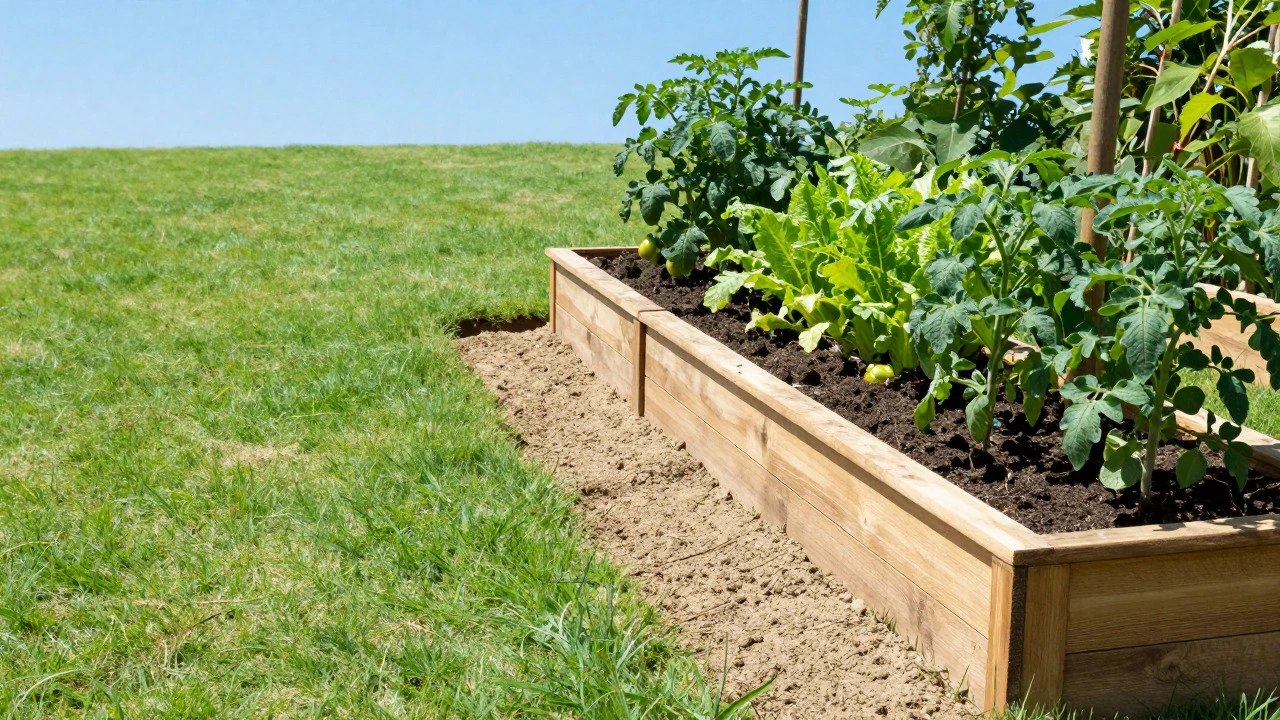
- Building Raised Beds: Raised beds rely entirely on the soil you put in them. Since there is no native ground to contribute nutrients, you need a high-quality garden soil mix to ensure proper drainage and food for plants.
- Container Gardening: Pots dry out quickly and offer limited space for roots. Garden soil retains moisture better and provides the immediate nutrients potted plants need.
- Amending Poor Native Soil: If your backyard is heavy clay or pure sand, mixing garden soil into the top 6-12 inches of ground transforms it into a viable planting medium.
The Secret Third Option: Compost
While topsoil and garden soil are the main categories, compost is the magic ingredient that bridges the gap. Compost is fully decomposed organic matter-leaves, grass clippings, kitchen scraps-that has been broken down by microbes.
You rarely use compost alone as a planting medium because it can be too rich and retain too much water. However, it is the best amendment you can add to either topsoil or native ground. If you have a large area to plant, buying enough garden soil can be expensive. A more cost-effective strategy is to spread a layer of topsoil for structure and then mix in 2-3 inches of compost for biology and nutrients.
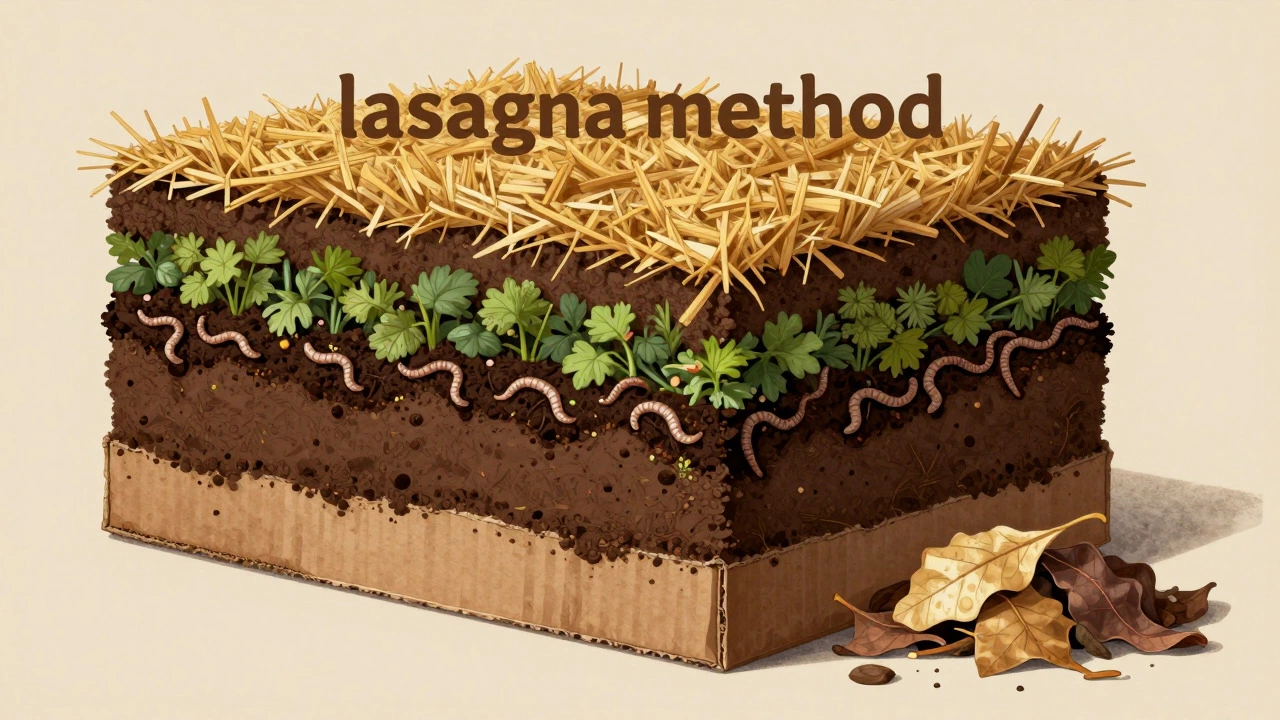
This DIY approach mimics the quality of pre-mixed garden soil at a fraction of the price. Many professional landscapers recommend this "lasagna method" for new garden beds: lay down cardboard to suppress weeds, add a base of topsoil, then top with compost and mulch. Over a season, the layers meld into a rich, living soil.
How to Test Your Soil Before Buying
Before you spend hundreds of dollars on soil, take a moment to assess what you already have. Sometimes, you don’t need to replace your soil-you just need to improve it. Dig a hole about 12 inches deep. Look at the texture. Does it hold together in a hard clod? That’s clay. Does it fall apart into dust? That’s sandy. Ideal soil feels crumbly, like moist cake batter.
If your native soil is mostly clay, adding topsoil alone won’t help much; it will just sit on top and create a barrier. You need organic matter to break up the clay structure. In this case, garden soil or compost is essential. If your soil is already loamy and dark, you might only need a light top dressing of compost each spring.
Consider taking a soil test kit from your local extension office or garden center. These tests reveal pH levels and nutrient deficiencies. Knowing your pH tells you whether you need acidic amendments (like sulfur) or alkaline ones (like lime). This data prevents you from guessing and ensures your plants get exactly what they need.
Avoiding Common Pitfalls
New gardeners often make the mistake of digging deep trenches and filling them with bagged garden soil. While this seems logical, it creates a "bathtub effect." Water drains slowly through the surrounding native clay but pools quickly in the loose, porous garden soil. This drowns the roots. Instead, amend the soil broadly across the entire bed, working the organic matter into the top 6-12 inches horizontally rather than vertically.
Another pitfall is assuming all "topsoil" is created equal. Some batches contain weed seeds, rocks, or even contaminants from industrial sites. Always ask for a source certificate if buying in bulk. For smaller projects, bagged soil from reputable brands offers more consistency and quality control.
Finally, don’t ignore the importance of mulch. Once your plants are in the ground, cover the surface with wood chips or straw. Mulch protects the soil structure, retains moisture, and slowly breaks down to add organic matter back into the system. It’s the final step in maintaining healthy soil long-term.
Can I mix topsoil and garden soil?
Yes, absolutely. Mixing them is a common way to save money while improving quality. Use topsoil as a base for volume and structure, then blend in garden soil or compost to add nutrients and organic matter. A ratio of 70% topsoil to 30% garden soil/compost works well for large beds.
Is topsoil good for planting vegetables?
Not on its own. Commercial topsoil lacks the nutrients and biological activity vegetables need. If you must use topsoil, amend it heavily with compost, aged manure, and balanced fertilizer before planting. Otherwise, opt for a dedicated garden soil mix.
How much does garden soil cost compared to topsoil?
Garden soil is significantly more expensive. Bulk topsoil typically costs $15-$30 per cubic yard, while bulk garden soil or compost can range from $40-$80 per cubic yard. Bagged garden soil is even pricier, often $4-$8 per 2-cubic-foot bag.
Should I till the soil before adding garden soil?
Tilling is optional and controversial. Light tilling helps integrate amendments, but excessive tilling destroys soil structure and kills beneficial fungi. Many experts recommend no-till methods, simply layering compost on top and letting worms and rain do the mixing over time.
Does garden soil expire?
Bagged garden soil has a shelf life, usually printed on the package. Over time, the added fertilizers lose potency, and the organic matter can break down too far, becoming acidic or compacted. Store bags in a cool, dry place and use them within a year for best results.