India Vegetarian Population Calculator
India has over 500 million vegetarians (38% of its population). Calculate how many vegetarians would exist in any country at the same rate.
India Comparison
For context: This calculator uses India's 38% vegetarian rate from the article.
Estimated Vegetarian Population
This represents 38% of the population.
More than 38% of Indians are vegetarian-that’s over 500 million people living without meat, poultry, or fish. That’s more vegetarians than the entire population of the United States. And it’s not because they can’t afford meat. It’s because for many, eating plants isn’t just a choice-it’s a way of life shaped by religion, history, and deep-rooted values.
Religion Shapes the Plate
The biggest reason India has so many vegetarians is religion. Hinduism, practiced by about 80% of the population, teaches ahimsa-non-violence toward all living beings. This principle extends to food. Many Hindus believe killing an animal for food creates negative karma, and that animals have souls just like humans. Temples often serve only vegetarian meals, and even non-religious families may avoid meat to respect elders or community norms.
Jainism, a smaller but highly influential religion in India, takes this even further. Jains avoid root vegetables like potatoes and onions because pulling them from the ground kills the entire plant-and potentially tiny organisms living in the soil. For them, vegetarianism isn’t just about not eating meat; it’s about minimizing harm in every possible way.
Buddhism and Sikhism also encourage plant-based eating, though not as strictly. In many parts of India, even non-Hindus grow up in households where meat is rare or reserved for special occasions.
History and Economics
India’s vegetarian tradition isn’t just spiritual-it’s practical. For centuries, most Indians were farmers or laborers living on tight budgets. Meat was expensive, hard to preserve without refrigeration, and required more land and water than growing grains, lentils, and vegetables. A single cow could provide milk, dung for fuel, and labor for plowing, but eating it meant losing all those benefits at once.
India’s agriculture has always focused on crops that feed the most people with the least land. Rice, wheat, millet, chickpeas, lentils, and spinach grow well in most regions and provide enough protein and calories to sustain large families. By the time British colonizers arrived in the 1700s, vegetarian diets were already deeply embedded in daily life.
Even today, a plate of dal-rice with vegetables costs less than $1 in many rural areas. A small portion of chicken or fish? That’s often a luxury. For millions, vegetarian food isn’t a trend-it’s the only affordable option.

The Power of Plant-Based Cuisine
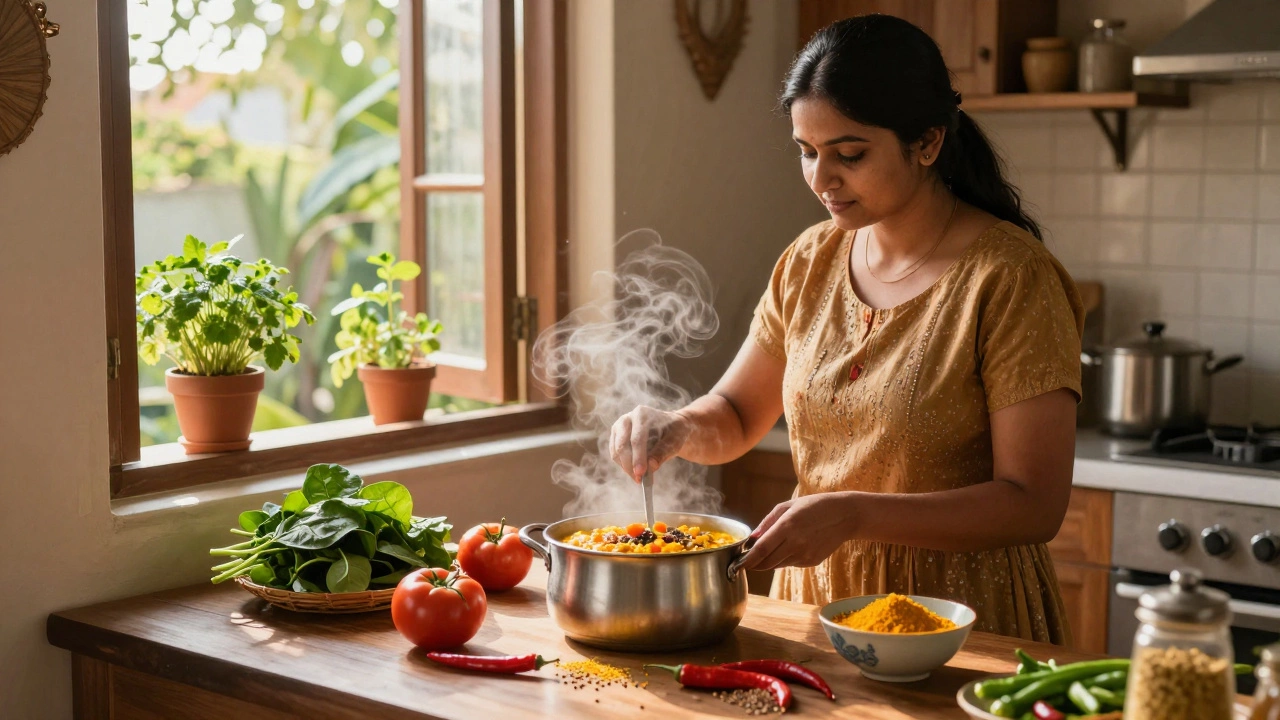
Indian vegetarian food isn’t bland or boring. It’s one of the most flavorful, diverse, and nutritionally complete plant-based diets in the world. Think of chana masala-spiced chickpeas simmered in tomato and fenugreek. Or baingan bharta-smoky roasted eggplant mashed with garlic and cumin. Dal tadka, a simple lentil stew, is served in homes from Kerala to Kashmir.
India doesn’t just eat plants-it reinvents them. Paneer, a fresh cheese made from curdled milk, replaces meat in dishes like palak paneer and paneer tikka. Tofu isn’t needed because India had its own high-protein dairy alternative for centuries. Lentils, beans, and nuts are ground into pastes, fried into fritters, or slow-cooked into rich curries.
Vegetables aren’t just side dishes-they’re the star. Spinach, okra, bitter gourd, and jackfruit are cooked with complex spice blends that include turmeric, coriander, cumin, mustard seeds, and dried chilies. Each region has its own signature dishes. In Gujarat, meals are sweet and sour. In Tamil Nadu, tamarind and curry leaves dominate. In Punjab, dairy and wheat rule.
Vegetable Gardening Is Part of Daily Life
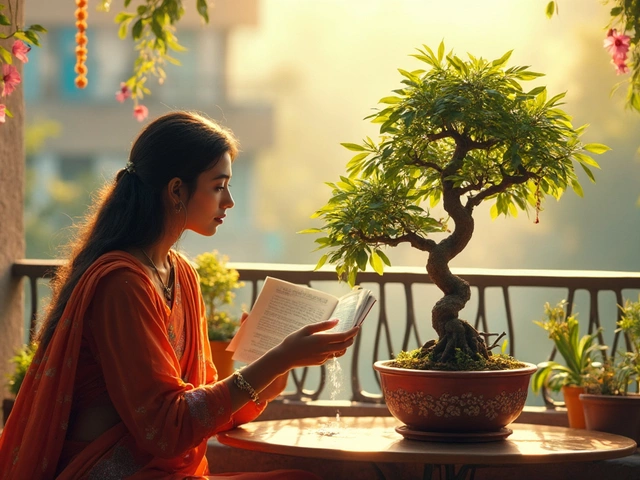
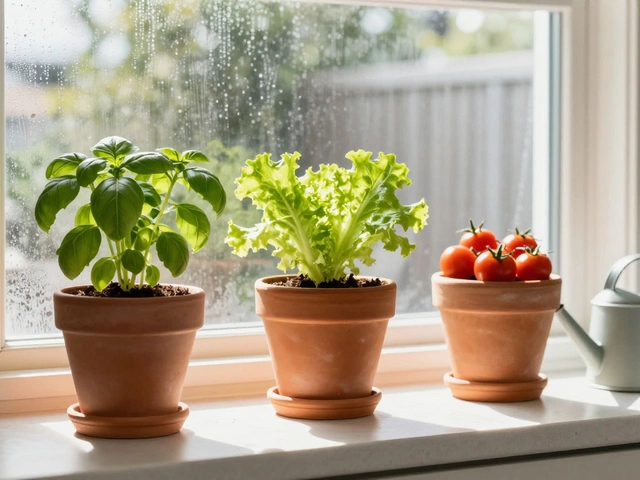
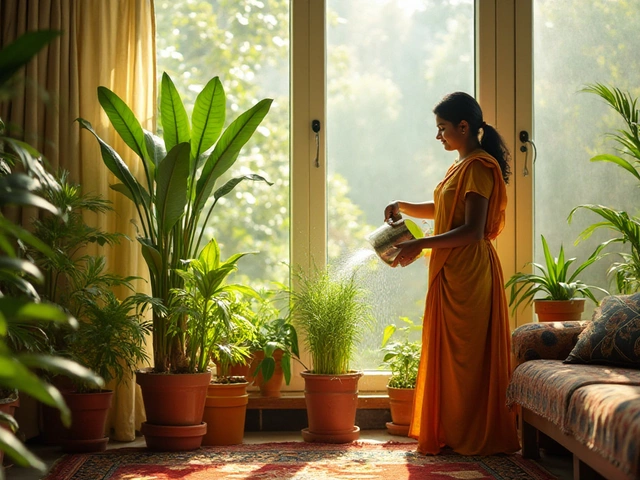
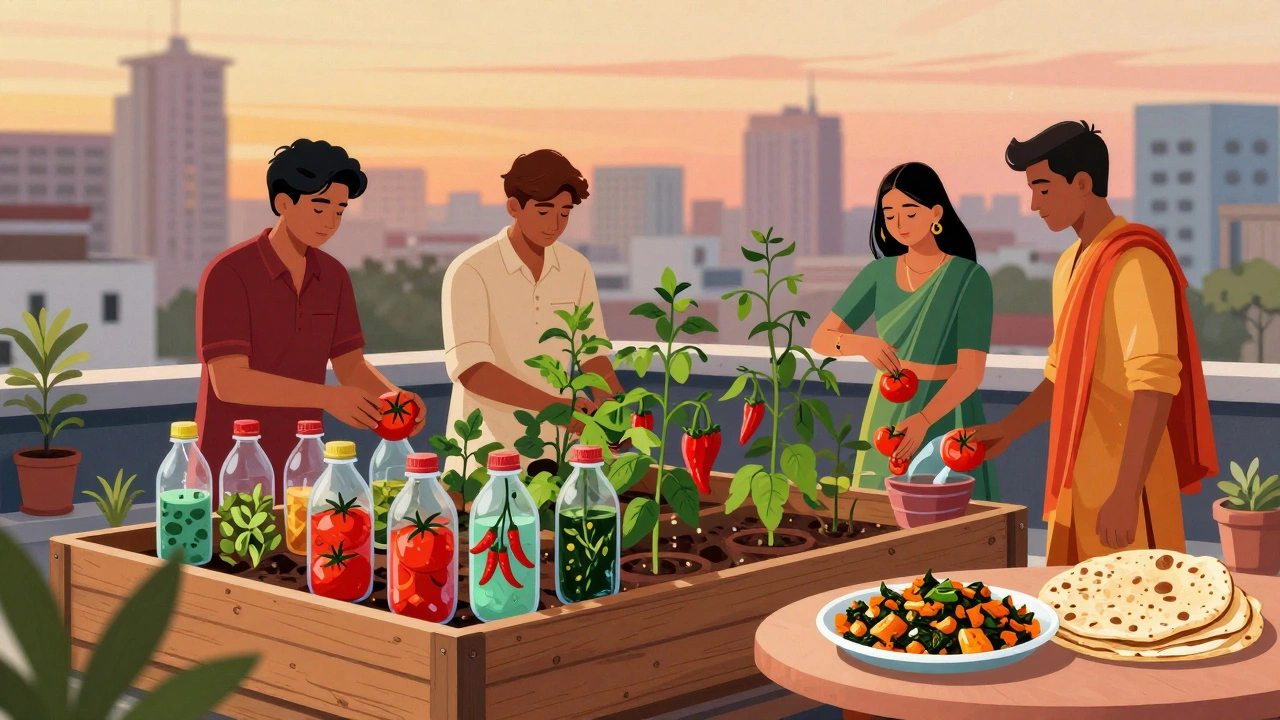
Because so many people eat plants, growing them is part of everyday culture. In cities, families grow tomatoes, chili peppers, and coriander on balconies. In villages, women plant spinach and beans beside their homes, using kitchen scraps for compost. Many households keep a small patch of soil for khushboo wali shaak-fragrant herbs like mint, curry leaves, and basil.
India’s vegetable gardening isn’t about hobbies or Instagram posts. It’s about survival, tradition, and self-reliance. In rural areas, children learn to sow seeds before they learn to write. In urban apartments, rooftop gardens feed families during monsoon months when markets get flooded.
Even in slums, you’ll find people growing greens in old buckets, plastic bottles, or broken pots. It’s not trendy-it’s necessary. And because of this, India has one of the highest rates of home-based vegetable production in the world.
It’s Not Just About Food-It’s About Identity
Being vegetarian in India isn’t a lifestyle choice you make at a yoga studio. It’s woven into marriage customs, festivals, and even political identity. During Diwali, families prepare dozens of sweet and savory vegetarian dishes. During Navratri, many Hindus fast and eat only root vegetables and fruits. In some communities, serving meat at a wedding is considered disrespectful.
For many, vegetarianism is a sign of purity, discipline, and belonging. Even non-religious Indians often avoid meat out of habit or social pressure. Asking someone why they don’t eat meat? That’s like asking why they speak Hindi or wear a bindi-it’s not a question that needs an answer.
And yet, things are changing. Younger Indians in cities are experimenting with veganism, plant-based meats, and global diets. But even then, they’re still eating mostly plants-just with new flavors and techniques.
Why This Matters Beyond India
India’s vegetarian tradition proves you don’t need meat to feed a massive population. The country feeds over 1.4 billion people with a diet built on lentils, rice, and vegetables-and it does so with lower greenhouse gas emissions than most Western countries.
It’s also a lesson in sustainability. When you grow your own spinach, reuse rainwater, and compost food scraps, you’re not just eating well-you’re living lightly on the land. That’s something the whole world is starting to realize.
India didn’t become vegetarian because of a diet book or a celebrity. It happened because people lived with the land, respected life, and made food that nourished both body and spirit. And that’s why, for thousands of years, the plate in India has stayed full-with plants.
Is vegetarianism in India only about religion?
No. While religion is the biggest driver, economics, history, and culture play huge roles. For centuries, meat was expensive and hard to store, while plants like lentils and rice were cheap, abundant, and nutritious. Many families grew their own vegetables out of necessity, not belief. Even today, millions eat vegetarian because it’s affordable, familiar, and part of daily life.
Do all Hindus eat vegetarian food?
No. While many Hindus are vegetarian, especially in northern and western India, others eat meat-especially fish, chicken, or goat. Regional differences matter. In Kerala, coastal communities eat seafood. In Bengal, fish is common. In tribal areas, hunting and meat consumption are traditional. But even in meat-eating households, many avoid beef out of respect for the cow’s sacred status.
Can you get enough protein on an Indian vegetarian diet?
Absolutely. Lentils, chickpeas, beans, paneer, yogurt, milk, nuts, and soy products like tofu are all common. A typical meal might include dal (lentils), rice, roti (whole wheat bread), and vegetables. These provide all essential amino acids when eaten together. India’s traditional food combinations-like rice and dal-are scientifically balanced for protein.
Why don’t Jains eat onions and potatoes?
Jains avoid root vegetables because harvesting them kills the entire plant and disturbs microorganisms in the soil. They follow a strict version of ahimsa, believing even small life forms deserve protection. Onions, garlic, potatoes, and carrots grow underground and are considered to contain more life energy, so they’re avoided to reduce harm.
Is vegetarianism growing in India or fading away?
It’s evolving. In cities, more young people are trying veganism or plant-based meats, but they’re still eating mostly plants. In rural areas, traditional diets remain strong. The percentage of vegetarians has stayed steady at around 38-40% for decades. It’s not fading-it’s adapting. The core idea-that food should be nourishing and respectful-remains unchanged.