Soil Health & Compaction Simulator
Soil Analysis
Your soil is severely compacted with low organic matter. Immediate action required.
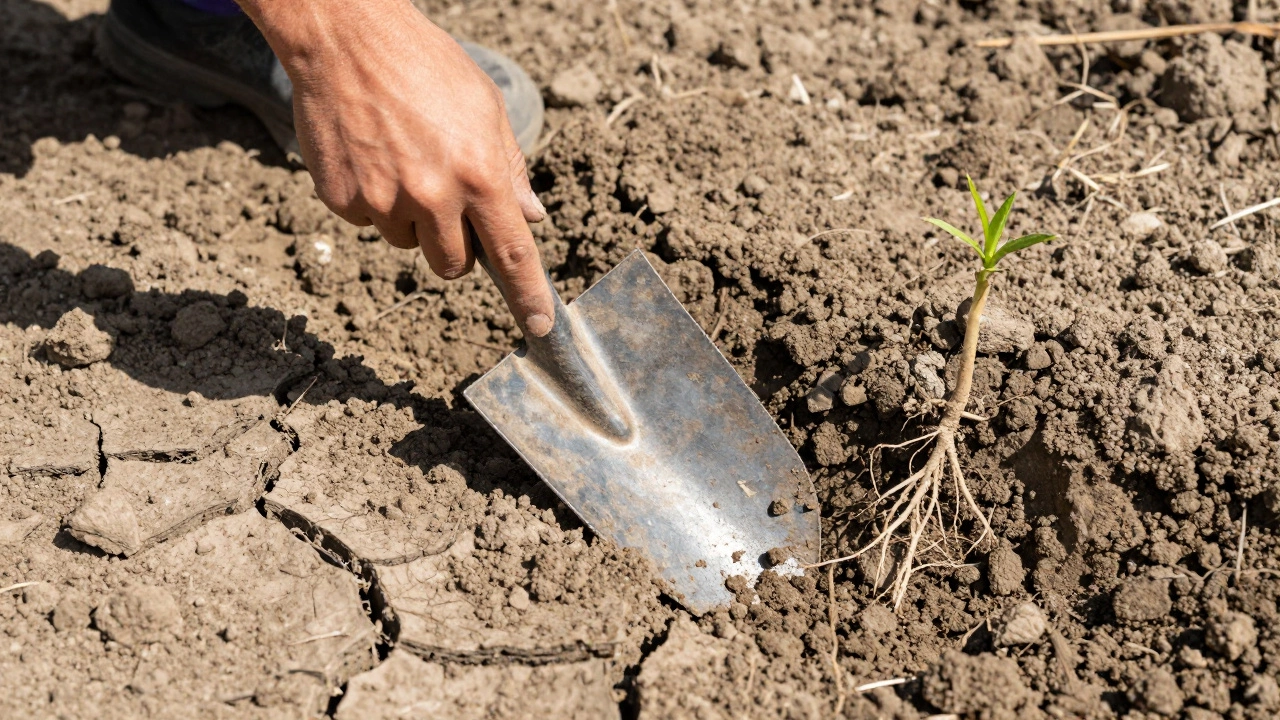
There is nothing quite as frustrating as digging into your garden bed only to hit a wall of concrete-hard earth. You pull at your trowel, your back aches, and the roots of your plants look stunted and pale. If you are wondering why your garden dirt is so hard, you are not alone. In fact, soil compaction is one of the most common issues facing home gardeners, especially in regions with heavy rainfall or high clay content like Auckland, New Zealand.
Hard soil isn't just an annoyance; it suffocates plant roots, blocks water drainage, and kills the beneficial microbes that keep your garden alive. The good news? You can fix it. But before you grab a shovel, you need to understand exactly what is happening underground. This guide breaks down the science behind hard soil, how to diagnose your specific situation, and the practical steps-and best garden tools-to turn that brick-like dirt into rich, workable compost.
The Science Behind Hard Soil: Why It Happens
To fix hard soil, you first have to respect what soil actually is. Healthy soil is not just dirt; it is a living ecosystem made up of mineral particles (sand, silt, and clay), organic matter, water, air, and billions of microorganisms. When this balance tips, the soil structure collapses.
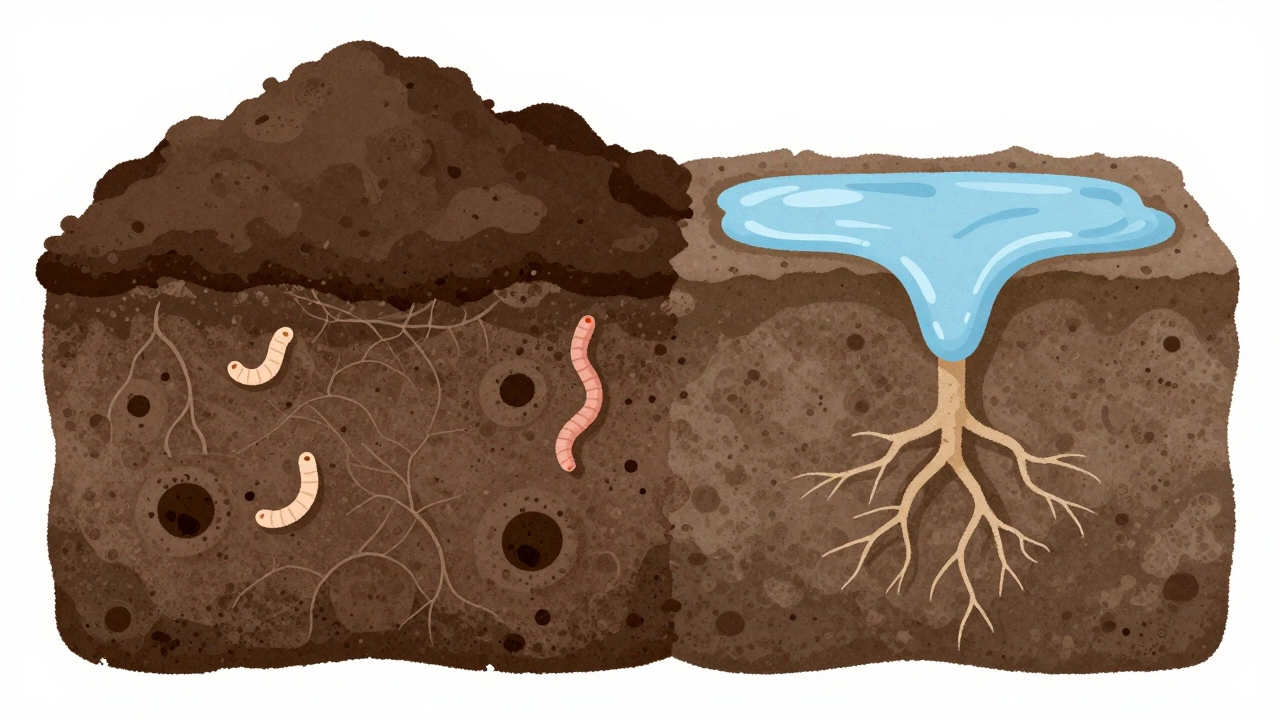
The primary culprit for hard garden dirt is soil compaction, which occurs when the air pockets between soil particles are squeezed out. Imagine a sponge. When it is fluffy, it holds water and air easily. Squeeze it tight, and it becomes dense and impermeable. Your garden soil works the same way. When the pores disappear, roots cannot breathe, water runs off instead of soaking in, and nutrients become locked away.
Several factors contribute to this compression:
- Heavy Foot Traffic: Walking on wet soil is the fastest way to compact it. The weight of your body presses the particles together while the water acts as a lubricant, allowing them to slide into tighter positions.
- Machinery Use: Riding mowers, tillers, and construction equipment exert immense pressure per square inch, crushing soil aggregates deep below the surface.
- Lack of Organic Matter: Soil without enough decomposing plant material lacks the "glue" that keeps particles separated. Organic matter creates stable aggregates that resist compression.
- Clay Content: Clay particles are microscopic and plate-like. When dry, they form hard clods. When wet, they become sticky and dense. Without organic matter to fluff them up, clay naturally tends toward hardness.
Diagnosing Your Soil Type
Not all hard soil is created equal. Before you start amending your beds, take a handful of moist soil and squeeze it into a ball. How does it behave?
| Soil Type | Ball Test Result | Primary Issue | Best Amendment |
|---|---|---|---|
| Sandy | Falls apart immediately | Poor nutrient/water retention | Compost, peat moss |
| Silty | Holds shape but crumbles easily | Compacts when wet | Organic mulch, gypsum |
| Clay | Stays in a tight, shiny ball | Hard when dry, sticky when wet | Gypsum, coarse sand, compost |
| Loam | Holds shape briefly, then crumbles | Ideal structure | Maintenance compost |
If your soil forms a hard, shiny ribbon that doesn't break, you are likely dealing with heavy clay. This is common in many parts of New Zealand. Clay soils hold nutrients well but drain poorly and become rock-hard during dry spells. Sandy soils, conversely, might feel loose but can become compacted if worked too often without adding organic bulk.
The Wrong Fix: Why Tilling Can Make It Worse
When faced with hard ground, the instinctive reaction is often to rent a rototiller and rip it up. While this provides immediate relief, it is often a short-term solution with long-term consequences. Tilling destroys soil aggregates-the natural clusters of particles that create pore space. Once these structures are broken, rain and foot traffic will pack the soil down even tighter than before, creating a phenomenon known as "subsoil plow pans."
Furthermore, tilling brings dormant weed seeds to the surface and exposes beneficial fungi and bacteria to oxygen, killing them off. Instead of mechanical violence, think about biological engineering. You want to invite organisms that will do the work for you.
Biological Solutions: Let Nature Do the Work
The most effective way to soften hard garden dirt is to increase its organic matter content. As organic material decomposes, it feeds earthworms, fungi, and bacteria. These creatures move through the soil, creating tunnels and channels that aerate the ground from the inside out.
Earthworms are your best allies. A single earthworm can process tons of soil per year. They ingest soil and excrete castings, which are rich in nutrients and have a granular structure that improves drainage. To encourage worms, stop using synthetic pesticides and fertilizers, which harm their populations. Instead, apply a layer of shredded leaves or straw mulch every season.
Mycorrhizal fungi form symbiotic relationships with plant roots. Their hyphae (thread-like structures) extend far beyond the root zone, binding soil particles into stable aggregates. This "glomalin" protein acts like glue, keeping soil porous even after rain or foot traffic. Adding mycorrhizal inoculants when planting new beds can jumpstart this process.
Physical Interventions: Aeration and Deep Digging
While biology is key, sometimes you need physical help to get started. If your soil is severely compacted, water and air simply cannot reach the depths where roots grow. Here are two methods to physically open up the soil without destroying its structure.
Core Aeration
For lawns and large garden areas, core aeration is the gold standard. An aerator removes small plugs of soil (usually 2-3 inches deep) rather than poking holes. This removes actual volume of compacted earth, allowing water, air, and fertilizer to penetrate deeper. Renting a plug aerator is affordable and makes a visible difference within weeks. The removed plugs should be left on the surface to decompose and return nutrients to the soil.
No-Dig Gardening
Pioneered by Charles Dowding, no-dig gardening involves laying thick layers of cardboard and compost directly on top of hard soil. Over time, worms and insects tunnel downward to eat the organic matter, breaking up the hardpan beneath. This method preserves existing soil structure while building fertility from the top down. It is particularly effective for raised beds and vegetable patches.
Choosing the Right Tools for Hard Soil
If you must dig, having the right equipment is crucial. Using a cheap, thin-bladed spade on hard clay will bend the metal and strain your wrists. You need tools designed to cut through resistance and leverage compacted earth.
Here are the essential tools for tackling hard garden dirt:
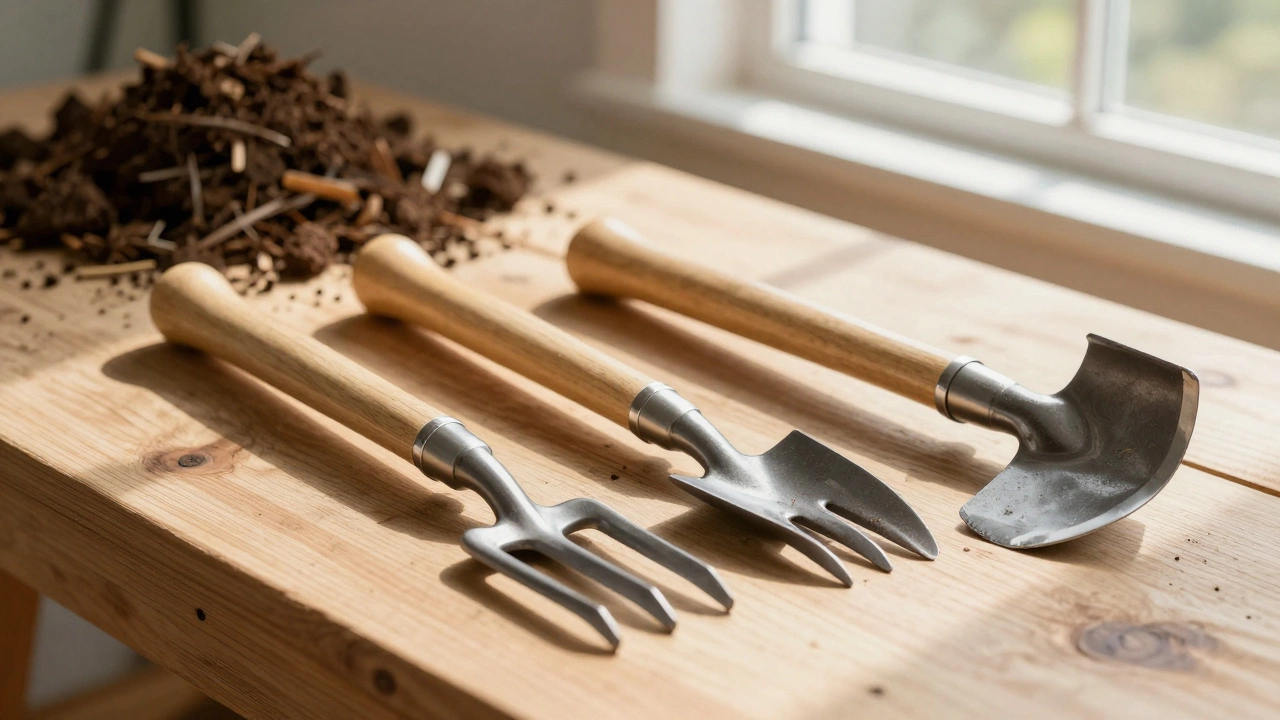
- Fork vs. Spade: For hard, rocky, or clay-heavy soil, a garden fork is superior to a spade. The tines slice through roots and rocks more easily than a flat blade. Look for a fork with four strong, forged steel tines and a D-handle for better leverage.
- Broadfork: A broadfork is a specialized tool with wide-spaced tines. You step on the crossbar to drive the tines deep into the ground, then lean back to lift and fracture the soil without turning it over. This is ideal for breaking up subsoil compaction without disturbing the topsoil ecosystem.
- Mattock: If you are dealing with truly rock-hard ground or tree roots, a mattock acts like a pickaxe. The adze side chops through tough materials, while the pick end penetrates hard surfaces. Use this sparingly, as it is aggressive.
- Japanese Hori-Hori Knife: For smaller tasks, a high-carbon steel hori-hori knife cuts through roots and hard soil with precision. Its serrated edge helps grip slippery clay.
Invest in quality tools from reputable brands. A well-balanced, hardened steel tool will last decades and make the job significantly easier. Cheap tools rust quickly and dull fast, making hard soil work a nightmare.
Long-Term Maintenance: Keeping Soil Soft
Fixing hard soil is not a one-time event; it is an ongoing practice. Once you have improved your soil structure, you must protect it. Here is how to maintain soft, workable garden dirt year-round.
- Never Walk on Wet Soil: Wait until the soil is dry enough to crumble when squeezed. If it sticks to your shoes, wait another day.
- Mulch Heavily: Apply 2-4 inches of organic mulch (wood chips, straw, leaves) around plants. Mulch regulates temperature, retains moisture, and slowly breaks down into humus.
- Rotate Crops: In vegetable gardens, rotate heavy feeders (like corn and cabbage) with light feeders (like beans and peas). This prevents nutrient depletion and varying root structures help break up soil differently.
- Plant Cover Crops: During off-seasons, plant cover crops like clover, rye, or buckwheat. Their roots penetrate deep into the soil, creating channels. When you chop and drop them, they add massive amounts of organic matter.
- Add Compost Annually: Top-dress your beds with 1-2 inches of finished compost every spring and autumn. This replenishes nutrients and encourages microbial life.
Special Considerations for Auckland Gardens
Living in Auckland presents unique challenges and opportunities. Our volcanic soils are generally fertile but can vary wildly from sandy coastal areas to heavy red clay in the hills. The frequent rainfall means soil stays wet longer, increasing the risk of compaction from foot traffic.
In Auckland's humid subtropical climate, decomposition happens quickly. This is great for building organic matter but means you need to replenish mulch more frequently than in drier climates. Also, be mindful of local pests like slugs and snails, which thrive in moist, mulched conditions. Using copper tape or diatomaceous earth can help manage them without harming soil health.
Consider native plants like Flax (Harakeke) or Kawakawa, which have adapted to local soil conditions and require less intensive maintenance. Their root systems help stabilize soil and prevent erosion, especially on sloped gardens common in the region.
How long does it take to fix hard garden soil?
Significant improvement can be seen in 3-6 months with consistent addition of organic matter and proper aeration. However, fully transforming heavily compacted clay soil into rich loam may take 1-2 years. Patience is key, as biological processes cannot be rushed.
Can I use sand to fix clay soil?
Only if you add a massive amount of coarse sand (at least 50% of the soil volume). Adding small amounts of sand to clay can create a concrete-like mixture. It is better to focus on organic compost and gypsum, which improves structure without risking cementation.
What is the best tool for breaking up hard clay?
A sturdy garden fork with forged steel tines is best for general digging. For deeper compaction without turning the soil, a broadfork is ideal. Avoid rototillers as they can worsen compaction in the long run by destroying soil structure.
Does gypsum really help with clay soil?
Yes, gypsum (calcium sulfate) helps disperse sodium in sodic clay soils, improving structure and drainage. It does not change pH significantly. Apply according to soil test recommendations, typically 2-5 kg per square meter. It works best when combined with organic matter.
Should I remove hard soil completely?
Removing soil is expensive and disruptive. Unless you are building foundations, it is better to amend the existing soil. Adding organic matter and using no-dig techniques will transform hard soil into productive garden beds over time without the cost and environmental impact of excavation.