Soil Preparation for Indian Gardens: What Works and What Doesn't
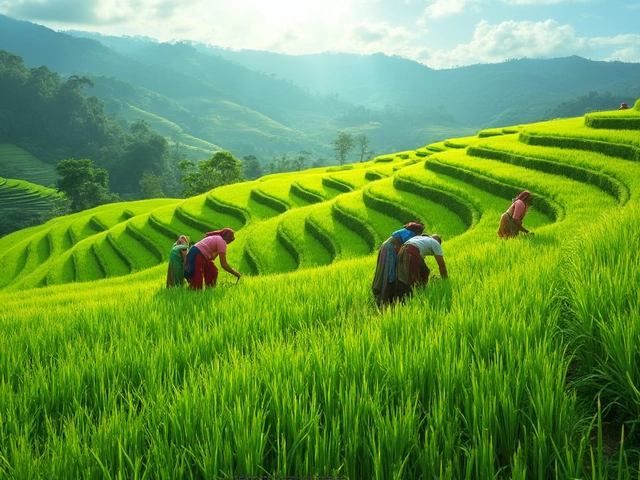
When it comes to growing anything in India, soil preparation, the process of adjusting the ground to support healthy plant growth. It's not just about digging a hole and dumping in compost. In Indian climates—where monsoons wash away nutrients and dry spells bake the earth—soil conditioning is the silent hero behind every thriving garden. Whether you're growing tomatoes on a balcony or rice in a field, your plants start with what’s under their roots.
Most Indian gardeners assume all soil is the same, but that’s not true. soil depth, how deep the usable layer goes before hitting hardpan or rock matters more than you think. Rooftop gardens need at least 12 inches for veggies, while rice thrives in flooded fields with shallow but rich mud. Then there’s soil amendments, materials added to improve texture, drainage, or nutrients. In North India, sandy soil drains too fast; in the South, clay holds water but chokes roots. The fix? Mix in compost, coco peat, or even burnt rice husk—cheap, local, and effective. You don’t need fancy bags from the store. Your kitchen scraps, cow dung, or crushed eggshells can rebuild soil over time.
And don’t forget garden soil, the living layer that feeds plants and hosts beneficial microbes. It’s not dirt. It’s alive. In India, where pesticides and over-tilling have damaged natural soil biology in many areas, rebuilding it starts with patience. Test your soil by squeezing a handful—does it crumble like cake, or turn into a hard brick? That tells you more than any lab report. Mulch after planting to keep moisture in and weeds out. Skip chemical fertilizers if you can. They give quick green leaves but starve the soil long-term.
You’ll find posts here that show exactly how to prep soil for tomatoes in Delhi, how to build lightweight mixes for balcony gardens in Mumbai, and why marigolds grow wild in poor soil while broccoli needs a real makeover. Some gardeners swear by cow dung tea. Others use neem cake. One person even revived dead soil with just rice water and ash. No single method works everywhere—but the right soil prep? That’s universal.
What you’re about to read isn’t theory. It’s what works in real Indian gardens—on balconies, terraces, backyards, and small farms. No jargon. No fluff. Just clear, tested steps to turn bad soil into a home for healthy plants.
Garden Tools
0
Comments
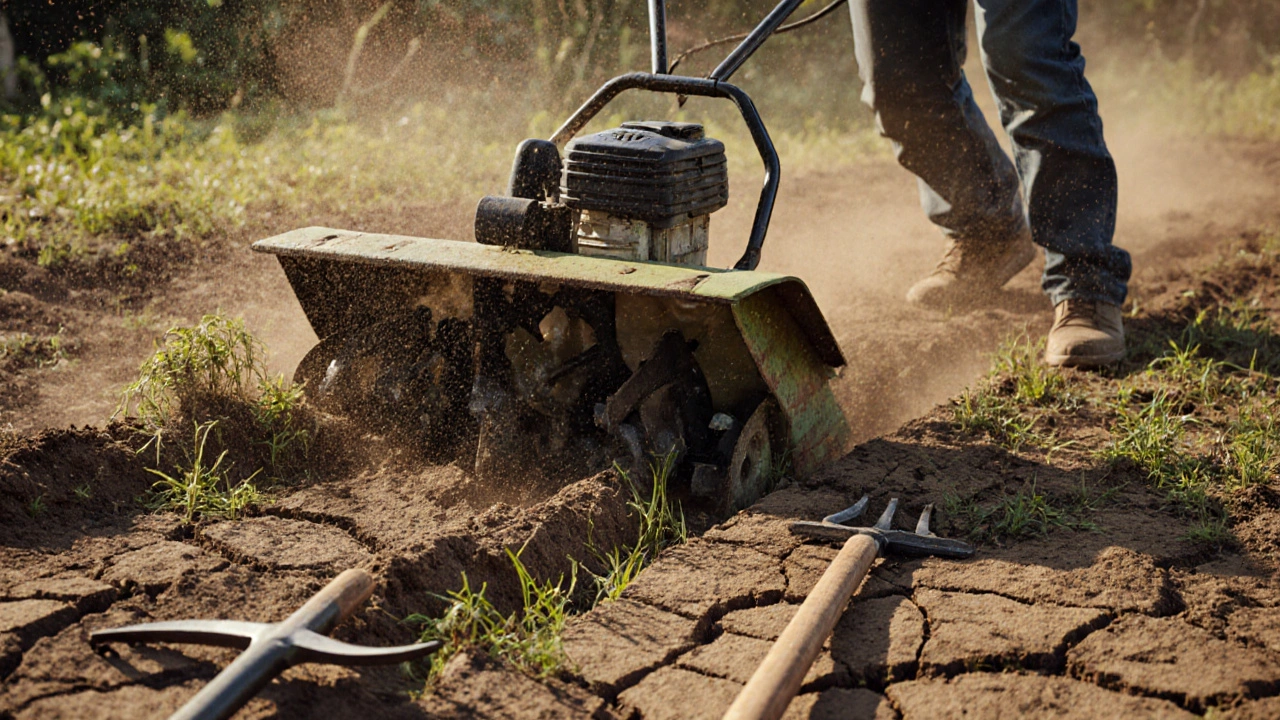
Will a Tiller Break Up Hard Soil? Here's What Actually Works
Will a tiller break up hard soil? It depends on the type of tiller, soil condition, and prep work. Learn what actually works to turn compacted earth into garden-ready soil.
About
Garden Tools
Latest Posts
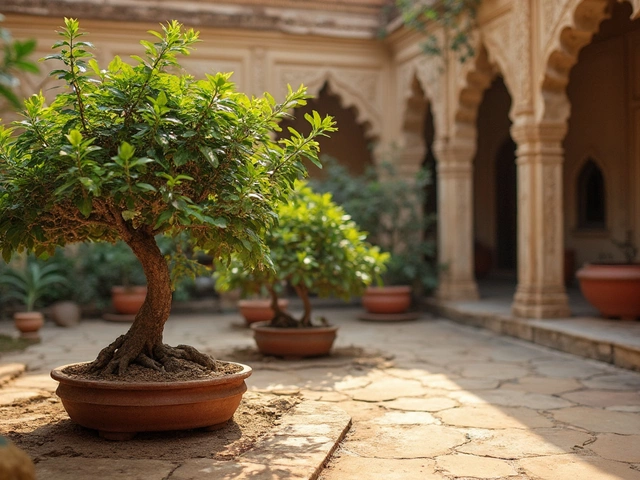
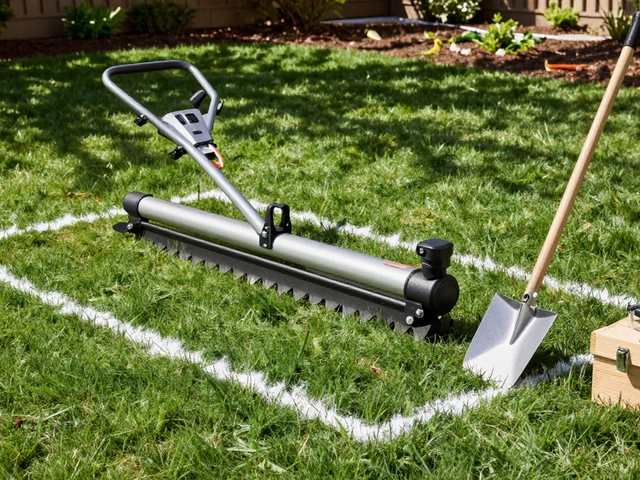
What Tool Is Used to Remove Top Layer of Soil? (Complete Guide)
By Alden Thorne Mar 27, 2026
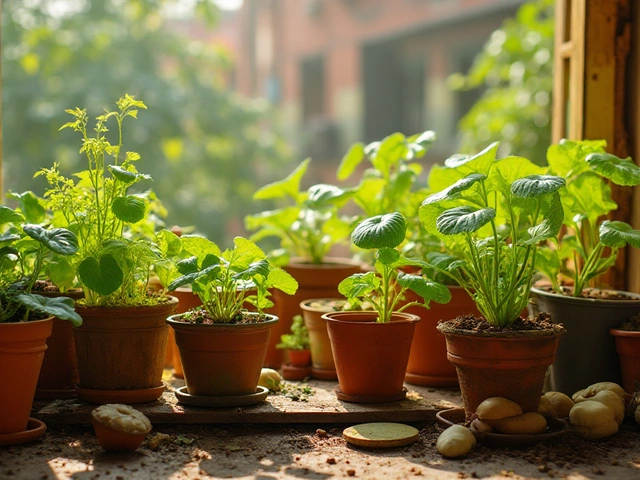
Planting Vegetables: Choosing Between Pots and Ground for Optimal Growth
By Alden Thorne Dec 5, 2024
Alternative Pest Control: Natural Solutions for Safe Gardening
By Alden Thorne Jul 15, 2025