Profitable Fruit Farming in India: What Works, What Doesn’t, and How to Start
When it comes to profitable fruit farming in India, the practice of growing fruits for sale using climate-appropriate species and low-cost methods. Also known as commercial fruit cultivation, it’s not just about planting trees—it’s about picking the right crops for your soil, water, and market. Many assume mangoes or bananas are the only options, but the real money is in crops that are easy to grow, resist pests, and sell year-round. Take dwarf lemon trees, compact, high-yield citrus trees that thrive in pots and small spaces. They’re the go-to for balcony farmers and small landowners because they fruit in 2-3 years, need little space, and sell well in cities. Even in places with limited land, you can turn a balcony into a mini orchard.
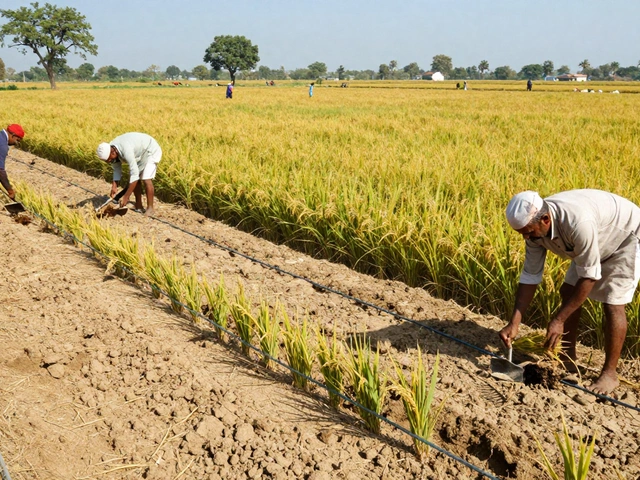
But fruit farming, the business of growing fruit for income rather than personal use isn’t just about the tree. It’s about water, soil, and timing. A drip irrigation system, a method that delivers water drop by drop directly to plant roots can cut your water use by 60% compared to old-school flooding. That’s huge in places like Maharashtra or Andhra Pradesh where water is tight. And forget chemical fertilizers—most successful growers use compost, cow dung, and cover crops to fix hard garden soil, dense, compacted earth that blocks root growth and water flow. You don’t need a tiller. You just need patience, organic matter, and a little elbow grease.
What’s surprising? The most profitable fruits aren’t always the most popular. While mangoes dominate headlines, crops like papaya, guava, and even pomegranate are quietly making farmers rich because they’re less prone to price crashes. Tomato farming gets all the attention for its price swings—but fruit farming has its own risks. Monsoons can wipe out a crop, and middlemen often control the market. That’s why the smartest growers sell directly to local markets, schools, or through WhatsApp groups. They grow what sells fast, not what looks pretty in a catalog.
You don’t need 10 acres to make money. A single acre of well-managed pomegranate or dragon fruit can out-earn five acres of rice. And if you’re starting small, focus on container-grown fruits like dwarf citrus, figs, or even passion fruit. They’re low-risk, quick to mature, and perfect for testing the market before expanding.
Below, you’ll find real guides from Indian gardeners who’ve cracked the code—whether they’re growing fruit on a rooftop, fixing clay soil for better yields, or choosing the right irrigation to save water and boost profits. No fluff. Just what works in India’s heat, rain, and markets.

Vegetable Gardening
0
Comments
Most Profitable Fruit Farming in India: Top Crops and Real Returns
Discover which fruit farming is most profitable in India-mangoes, bananas, citrus, and dragon fruit-with real earnings, regional tips, and how to sell directly to avoid middlemen.
About
Vegetable Gardening
Latest Posts

Plants That Struggle in Raised Beds - What to Avoid
By Alden Thorne Oct 8, 2025

Best Garden Tools: Who Makes the Highest Quality Hand Tools?
By Alden Thorne Jun 12, 2025

Discover the Most Crucial Gardening Tool for Success
By Alden Thorne Apr 14, 2025