Improve Soil Texture: Simple Ways to Make Your Garden Soil Work Better
When you improve soil texture, the physical structure of your garden soil that affects how water, air, and roots move through it. Also known as soil structure, it’s not about what’s in the soil—it’s about how the particles are arranged. Poor soil texture turns your garden into a brickyard or a swamp, no matter how much fertilizer you add. If your soil feels hard and cracked in summer, or sticky and soggy after rain, you’re dealing with texture problems—not nutrient lack.
You don’t need a lab test to know your soil needs help. Try the squeeze test: grab a handful of damp soil, squeeze it, then open your hand. If it stays in a tight ball, you’ve got clay soil, fine particles that pack tightly and drain poorly. Also known as heavy soil, it’s common in many parts of India and chokes roots. If it falls apart right away, you’ve got sandy soil, coarse particles that let water drain too fast and hold no nutrients. Also known as light soil, it’s found in dry regions and leaves plants thirsty. The fix for both? organic matter, decomposed plant material like compost, leaf mold, or well-rotted manure that binds soil particles into crumbly, workable clumps. Also known as soil amendment, it’s the single most effective tool for improve soil texture. Add 2-3 inches of compost each year, mix it in gently, and within seasons, your soil will feel different—lighter, darker, and alive.
Tools like tillers can help break up hard soil, but they’re not the answer. A tiller, a machine that churns soil to loosen it. Also known as rototiller, it can actually damage soil structure over time by crushing natural aggregates. Instead, focus on what nature does: let worms, fungi, and plant roots do the work. Mulch with straw or dry leaves to protect the surface. Plant cover crops like mustard or cowpeas in empty beds to loosen deep layers. Skip the chemical soil conditioners—they’re expensive and temporary. Real change comes from feeding the soil, not forcing it.
Indian gardens face unique challenges—monsoon clay, desert sand, and concrete balconies with shallow pots. But the same rules apply. Whether you’re growing tomatoes in a backyard or herbs on a terrace, improve soil texture is the foundation. The posts below show real methods used by gardeners across India: how to fix compacted soil without digging, what compost works best in your region, why soil depth matters for balcony gardens, and how to use simple materials like coco peat or rice husk to make your soil behave better. No theory. No fluff. Just what works.

Soil Improvement
0
Comments
How to Amend Hard Garden Soil for Better Plant Growth
Hard garden soil won't support healthy plants - but you can fix it. Learn how to amend compacted, clay-heavy soil with compost, cover crops, and smart techniques that work without expensive tools or chemicals.
About
Soil Improvement
Latest Posts
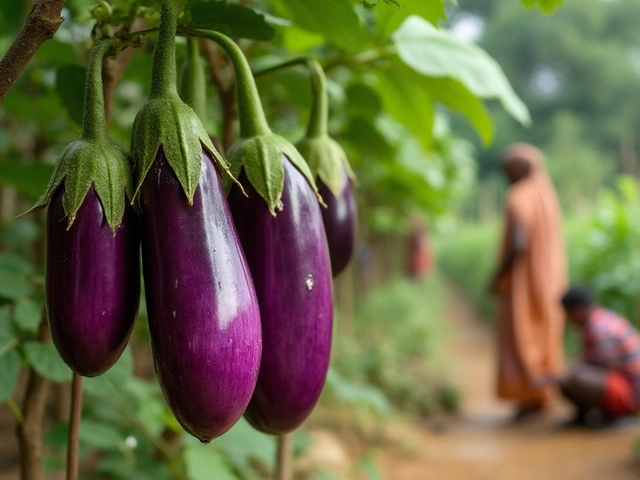
Why Do We Call the Eggplant the Queen of Vegetables in India?
By Alden Thorne Dec 21, 2024

Best Year-Round Plants: Which Hardy Variety Thrives in Every Season?
By Alden Thorne Jul 12, 2025
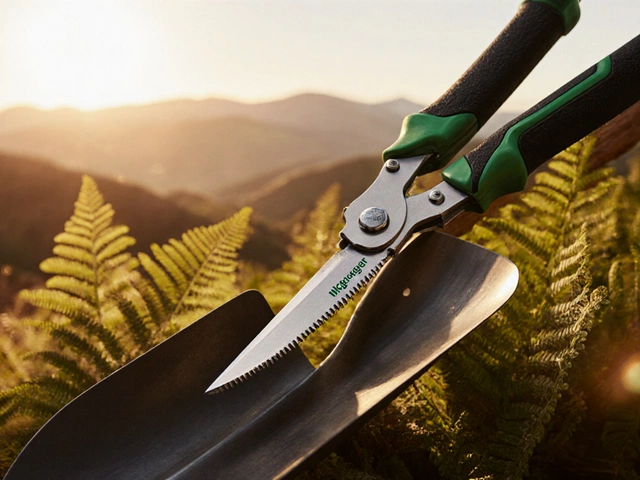
McGregor Garden Tools Manufacturer - Who Makes Them & Why They Top the Garden Tool List
By Alden Thorne Oct 26, 2025