Daily Watering Tips for Indian Gardens: When, How Much, and What Works
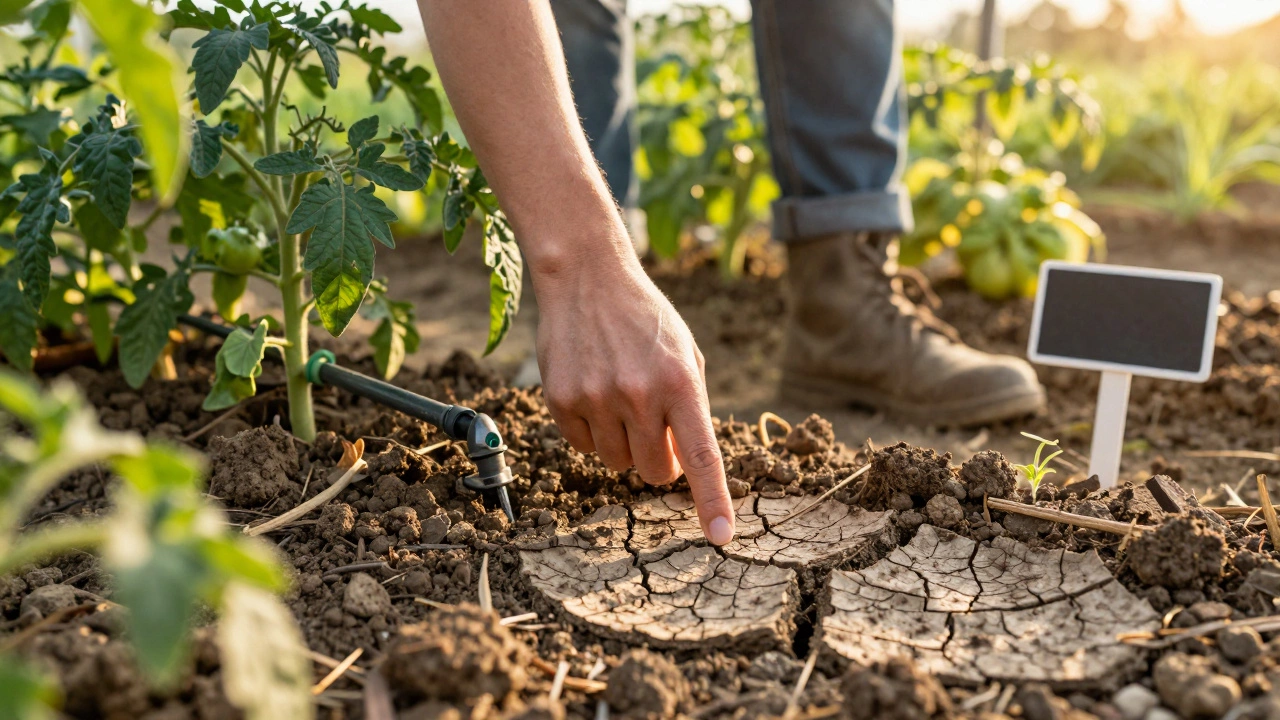
When it comes to daily watering, the practice of giving water to plants every day, often based on habit rather than need. Also known as regular watering, it’s one of the most common mistakes gardeners make in India. Most people think plants need water every day—especially in summer—but that’s not how nature works. In India’s hot, dry regions, daily watering can drown roots, wash away nutrients, and invite fungal diseases. The real goal isn’t to water every day—it’s to keep the soil moist where the roots are, not soaked on the surface.
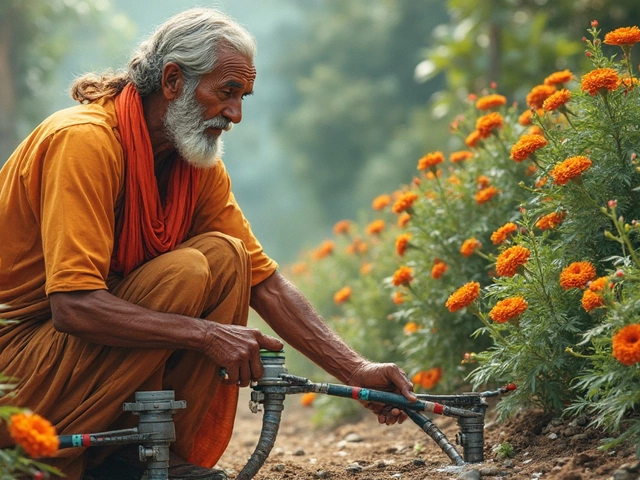
Soil moisture, the amount of water held in the soil, which determines how often plants need watering matters more than the calendar. If your soil feels damp 2 inches down, skip watering. If it’s dusty and cracks when you pinch it, that’s when you act. In places like Delhi or Hyderabad, where temperatures hit 40°C, a deep soak every 3–4 days beats a light sprinkle every day. Plants like tomatoes, chillies, and marigolds—common in Indian home gardens—develop stronger roots when they have to reach down for water. Irrigation, the method of supplying water to crops or plants, often through systems like drip or sprinkler can help, but only if timed right. A drip system that runs for 20 minutes every other day is better than a sprinkler blasting water for 5 minutes daily.
Monsoon season flips the script. In Kerala or West Bengal, daily rain means you might not water at all for weeks. But here’s the catch: after heavy rain, the soil stays wet longer, and roots can rot if you keep adding water. That’s why checking soil moisture matters more than following a schedule. Even in winter, when days are cooler, some plants like basil or spinach still need water every 2–3 days if the wind is dry. Plant watering, the act of supplying water to plants based on their species, stage of growth, and environment isn’t one-size-fits-all. A potted lemon tree on your balcony needs more frequent attention than a hardy hibiscus in the ground.
You’ll find posts here that cut through the noise. Learn why drip irrigation beats sprinklers for water savings, how to fix hard soil so it holds moisture better, and why tap water isn’t always safe for misting plants. See what works for balcony gardens in Mumbai, how to tell if your tomato plant is thirsty or overwatered, and why marigolds survive droughts while your roses struggle. There’s no magic formula—just smart observation. Stop guessing. Start checking. Your plants will thank you.
Drip Irrigation
0
Comments
Should I Run Drip Irrigation Every Day? Here’s What Actually Works
Running drip irrigation every day isn't necessary-and can harm your plants. Learn how often to water based on soil, climate, and plant type to save water and grow healthier gardens.
About
Drip Irrigation
Latest Posts
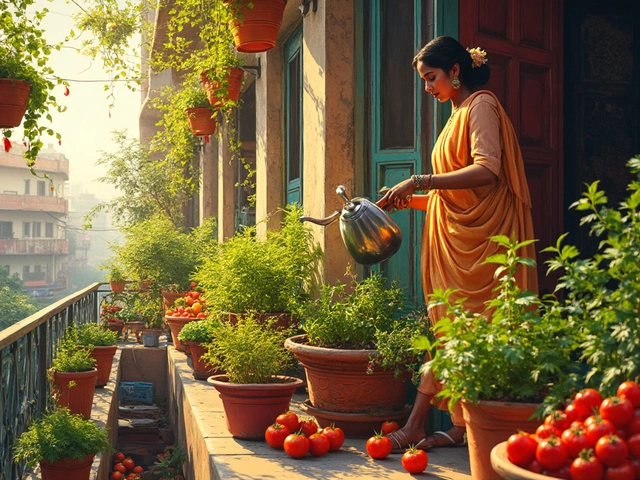
Grow Vegetables on Your Balcony: A Simple Guide
By Alden Thorne Feb 12, 2025
Quick and Effective Ways to Boost Soil Nitrogen Levels
By Alden Thorne Dec 7, 2024
Preventing Drip Emitter Clogs: A Simple Guide
By Alden Thorne Mar 30, 2025