Drip Irrigation Schedule Calculator
How Often Should You Water?
This tool helps you determine the optimal drip irrigation frequency based on your specific conditions. Enter your details below to get personalized recommendations.
Your Recommended Schedule
How This Works
Based on the article's research, your schedule is determined by:
- Soil type affects drainage and water retention
- Plant type determines water needs at different growth stages
- Climate zone influences evaporation rates
- Season affects plant water requirements
Important Note
Always check soil moisture before watering. The recommendation above is a baseline. Your plants may need more or less water depending on local weather conditions. The best practice is to check soil moisture with your finger (2-3 inches deep) before each watering cycle.
Running drip irrigation every day sounds like a good idea-after all, plants need water, and drip systems are efficient. But if you turn it on daily without thinking, you might be drowning your roots, wasting water, or inviting disease. The truth? drip irrigation doesn’t need to run every day. How often you water depends on your soil, climate, plants, and season-not a timer setting.
Why Daily Drip Irrigation Can Backfire
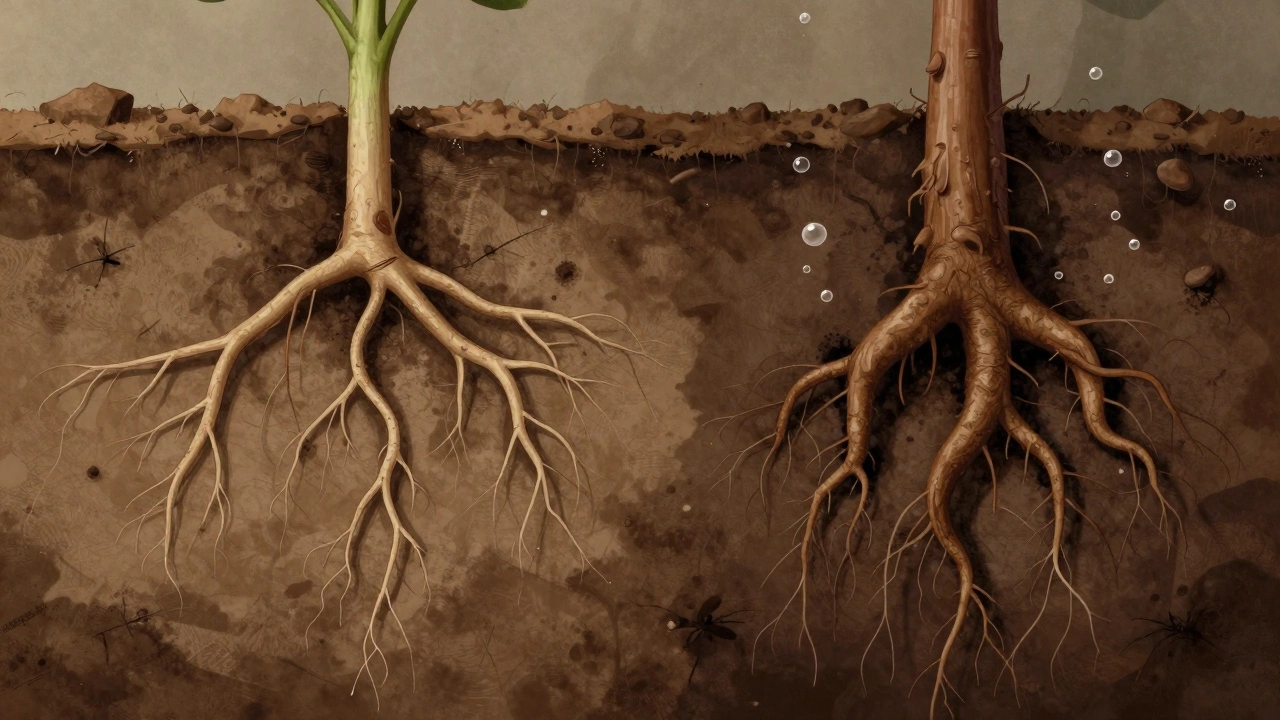
Many people assume that because drip systems deliver water slowly and directly to the roots, they can run them all day, every day. That’s a mistake. Plants don’t drink like a sponge. They need air around their roots too. When soil stays wet 24/7, oxygen gets pushed out. Roots suffocate. Fungi thrive. You’ll see yellowing leaves, stunted growth, or sudden plant collapse-even if the soil looks moist.
Think of it like this: you wouldn’t shower twice an hour just because you like being clean. Plants need cycles-wet, then dry, then wet again. That’s how they develop strong root systems. Constant moisture makes them lazy. They stop reaching deep for water and stay shallow, making them more vulnerable to heat and drought.
What Determines How Often to Water?
There’s no universal schedule. Your watering frequency should adapt to these five factors:
- Soil type: Sandy soil drains fast-you might need water every 2-3 days. Clay holds moisture for weeks. You could go 7-10 days without watering.
- Plant type: Seedlings and young plants need frequent, light watering. Mature tomatoes, peppers, or fruit trees can go 3-5 days between deep soaks.
- Weather: In 90°F heat with low humidity, plants transpire more. You might need water every other day. In cool, rainy weather, skip watering entirely.
- Season: Spring and fall usually require less water than summer. Winter? Often none at all, especially in zones with frost.
- Plant stage: A cucumber plant flowering and fruiting needs more water than when it’s just a seedling. Adjust as growth changes.
How to Test If Your Plants Need Water
Stop guessing. Start checking.
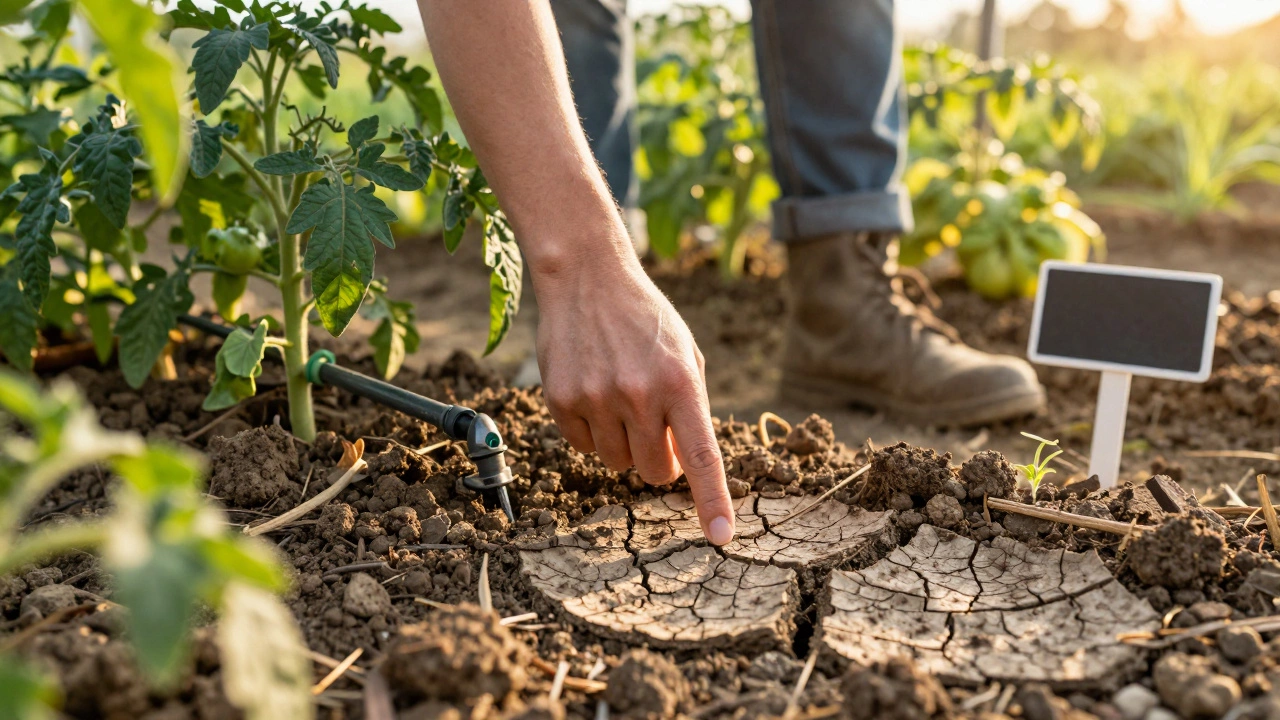
Stick your finger into the soil near the drip emitter-about 2-3 inches deep. If it’s damp, wait. If it’s dry, it’s time to water. That’s it. No gadgets needed. You don’t need a moisture meter unless you’re managing a large farm. Your finger works fine.
Another trick: lift pots. A watered pot feels heavy. A dry one feels light. This works great for container gardens. If you’re growing in the ground, watch for signs: wilting in the morning, dull or curling leaves, or soil pulling away from the edges of planting holes.
Typical Drip Irrigation Schedules by Climate
Here’s what works for most home gardens in different regions-based on real-world use and local extension service data:
| Climate Zone | Summer Schedule | Spring/Fall Schedule | Winter Schedule |
|---|---|---|---|
| Hot & Dry (Desert, Southwest US) | Every 2-3 days | Every 5-7 days | Every 10-14 days (or skip) |
| Temperate (California, Pacific Northwest) | Every 3-4 days | Every 5-7 days | Every 7-10 days (or skip) |
| Humid (Southeast US) | Every 4-5 days | Every 7 days | Usually not needed |
| Cool & Wet (Northeast US, UK) | Every 5-7 days | Every 7-10 days | Not needed |
These are starting points. Always adjust based on your soil and plant response.
What Happens If You Overwater?
Overwatering with drip irrigation is silent. It doesn’t flood the yard. It just kills slowly.
- Root rot: Fungi like Phytophthora and Pythium spread in wet soil. Once roots turn brown and mushy, it’s often too late.
- Nutrient lockout: Constant moisture washes away nitrogen and leaches micronutrients like iron and zinc. Plants look pale and stunted.
- Increased pests: Fungus gnats, slugs, and snails love damp soil. You’ll see more of them.
- Wasted water: You’re paying for water you don’t need. In drought-prone areas, this can trigger fines.
One gardener in Arizona told me she killed three tomato plants in two weeks because she ran her drip system daily. She thought she was being helpful. Turns out, the soil never dried out. Her plants were drowning.
How to Set Up a Smart Schedule
Here’s how to build a drip irrigation plan that actually works:
- Start with a baseline: Water every 3 days in summer for most vegetables.
- Check soil moisture every other day with your finger.
- If soil is still moist at 2 inches, skip the next cycle.
- If it’s dry, water for 30-45 minutes (long enough to soak 6-8 inches deep).
- Adjust for rain. If you got half an inch of rain, skip watering for that cycle.
- Mark your calendar or use a simple app (like Gardenate or My Garden) to track watering days.
Don’t set your controller to run daily unless you’re growing lettuce or other shallow-rooted greens in a desert climate. Even then, monitor closely.
Special Cases: When Daily Watering Might Be Okay
There are exceptions. Daily drip irrigation can work if:
- You’re growing seedlings in pots under a greenhouse. They have tiny root systems and dry out fast.
- You’re in a desert with sandy soil and 100°F temperatures, and you’re growing high-water crops like melons or squash.
- You’ve installed a smart controller that adjusts based on weather data and soil sensors.
In all these cases, you’re not running the system because it’s Monday-you’re running it because the soil actually needs it. Sensors or daily checks make the difference.
Pro Tips to Make Your Drip System Work Better
- Use mulch. A 2-3 inch layer of straw or wood chips cuts evaporation by up to 70% and keeps soil temperature stable.
- Check emitters monthly. Clogs from dirt or algae are common. Rinse filters and flush lines once a season.
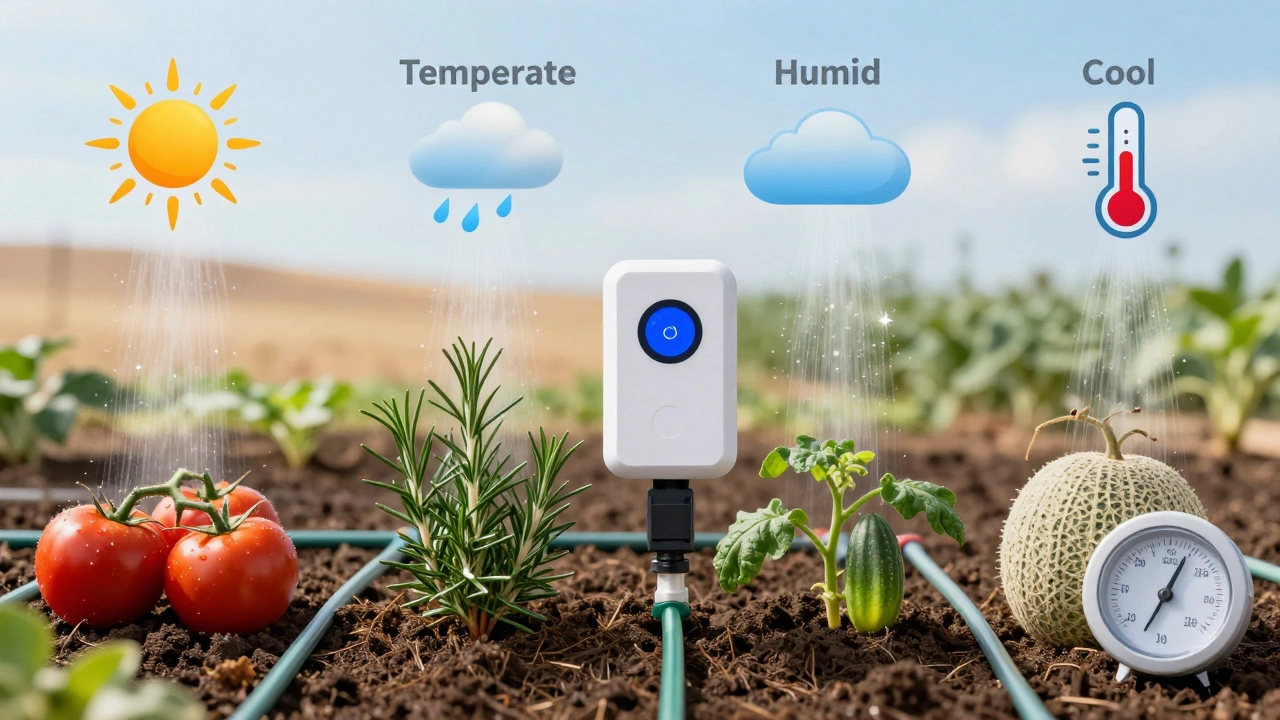
- Group plants by water needs. Don’t put tomatoes next to rosemary. One needs lots of water. The other hates it.
- Water early. Run your system before 10 a.m. to reduce evaporation and prevent fungal growth from overnight dampness.
- Upgrade to pressure-compensating emitters. They deliver the same flow even if your line slopes or has pressure drops.
Final Answer: No, Don’t Run Drip Irrigation Every Day
Unless you’re growing specific crops under controlled conditions, daily drip irrigation is unnecessary-and often harmful. Most plants thrive with deep, infrequent watering. Let the soil dry out a bit between cycles. That’s when roots grow deeper and plants get stronger.
Set your system to run every 3-5 days in summer, adjust for rain, and always check the soil before you water. You’ll save water, money, and plants.
Can I run drip irrigation every day in the summer?
Usually not. Even in summer, most plants do better with water every 2-5 days, depending on soil and plant type. Daily watering risks root rot and wasted water. Only consider daily cycles if you’re growing shallow-rooted plants in very sandy soil under extreme heat-and even then, monitor soil moisture daily.
How long should each drip irrigation cycle last?
Most vegetable gardens need 30-60 minutes per session to soak the soil 6-8 inches deep. Run longer in sandy soil, shorter in clay. Test by digging a small hole after watering to see how far the water reached.
Do I need a timer for drip irrigation?
A timer helps with consistency, but it’s not a substitute for observation. Set it to run every 3-5 days in summer, then adjust based on weather and soil checks. Smart timers that connect to local weather data are the best option if you want automation without guesswork.
Why are my plants wilting even though I water every day?
Wilting despite daily watering is a classic sign of overwatering. Roots can’t breathe in soggy soil, so they can’t take up water-even if it’s there. Check your soil. If it’s wet and sticky, stop watering for a few days and let it dry out. Add mulch and improve drainage if needed.
Is drip irrigation better than sprinklers?
Yes, for most gardens. Drip irrigation delivers water directly to roots, reduces evaporation, and minimizes leaf wetness (which causes fungal diseases). Sprinklers waste water, encourage weeds, and can damage plant foliage. Drip is more efficient and targeted.
How do I know if my drip system is clogged?
Look for uneven watering-some plants are dry while others are soggy. Check emitters: if water drips slowly or not at all, the emitter is likely clogged. Flush the lines by opening the end cap and running water for 2-3 minutes. Clean or replace clogged emitters.
Next Steps: What to Do Today
Don’t wait until your plants show stress. Right now:
- Go outside and stick your finger into the soil near a drip emitter. How deep is the moisture?
- Check your timer. Is it set to run daily? If yes, change it to every 3-5 days.
- Add mulch if you haven’t. It’s the easiest way to cut watering needs by half.
- Write down your next watering date on your phone calendar. Don’t rely on memory.
Watering less often doesn’t mean neglecting your garden. It means watering smarter. Your plants-and your water bill-will thank you.