Indian Summer Plant Selector
Answer these three questions to discover which plants will thrive in your specific summer conditions.
Recommended Plants for You
Summer in India is not just hot; it is a test of survival for any plant. Temperatures often soar past 40°C (104°F), and the dry winds can strip moisture from leaves before you even notice them wilting. Most gardeners assume their beds will turn brown and dormant until the monsoon arrives. But that doesn't have to be your reality.
You can have a garden that explodes with color from April through September. The secret lies in choosing species that evolved to thrive in high heat and low humidity. These aren't delicate temperate flowers forced into a hostile environment. They are tough, resilient natives or adapted exotics that actually prefer the sun.
If you want a garden that stays alive and vibrant during the hottest months, you need to stop planting annuals that give up by June. Instead, focus on perennials and shrubs designed for this specific climate. Here is exactly which plants bloom all summer in India, how to care for them, and why they work when everything else fails.
The Powerhouses: Shrubs That Never Stop
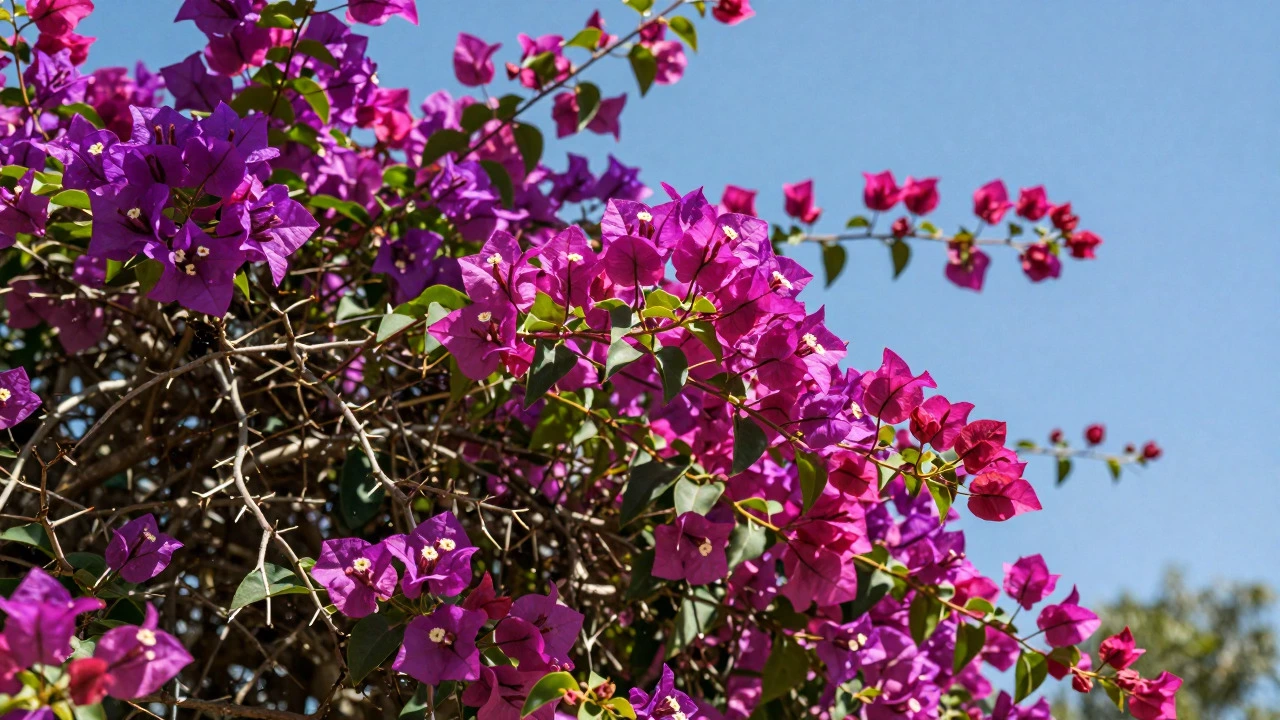
If you want zero maintenance and maximum impact, start with shrubs. Unlike annuals that die after one season, these Bougainvillea is a vigorous, thorny vine/shrub known for its intense purple, pink, and orange bracts that bloom continuously in full sun. It is practically indestructible in Indian summers. In fact, Bougainvillea blooms harder when stressed by heat and drought. If you water it too much, it grows leaves instead of flowers. Let it dry out slightly between waterings, and it rewards you with waves of color.
Another champion is Hibiscus rosa-sinensis, commonly known as Chinese Hibiscus. This plant produces large, trumpet-shaped flowers in red, yellow, white, and pink throughout the summer. It thrives in full sun and tolerates poor soil. For a more fragrant option, consider Jasmine (Jasminum sambac). While it blooms year-round in mild climates, it puts on a spectacular show in the early summer mornings. The scent is intoxicating, and the plant handles the afternoon heat without wilting if given morning water.
| Plant Name | Sun Requirement | Water Needs | Key Benefit |
|---|---|---|---|
| Bougainvillea | Full Sun (6+ hours) | Low (Drought tolerant) | Continuous vibrant color |
| Hibiscus | Full Sun to Partial Shade | Moderate | Large, exotic flowers |
| Jasmine | Full Sun | Moderate | Fragrant blooms |
| Lantana | Full Sun | Low to Moderate | Attracts butterflies, pest-resistant |
Annuals That Defy the Heat
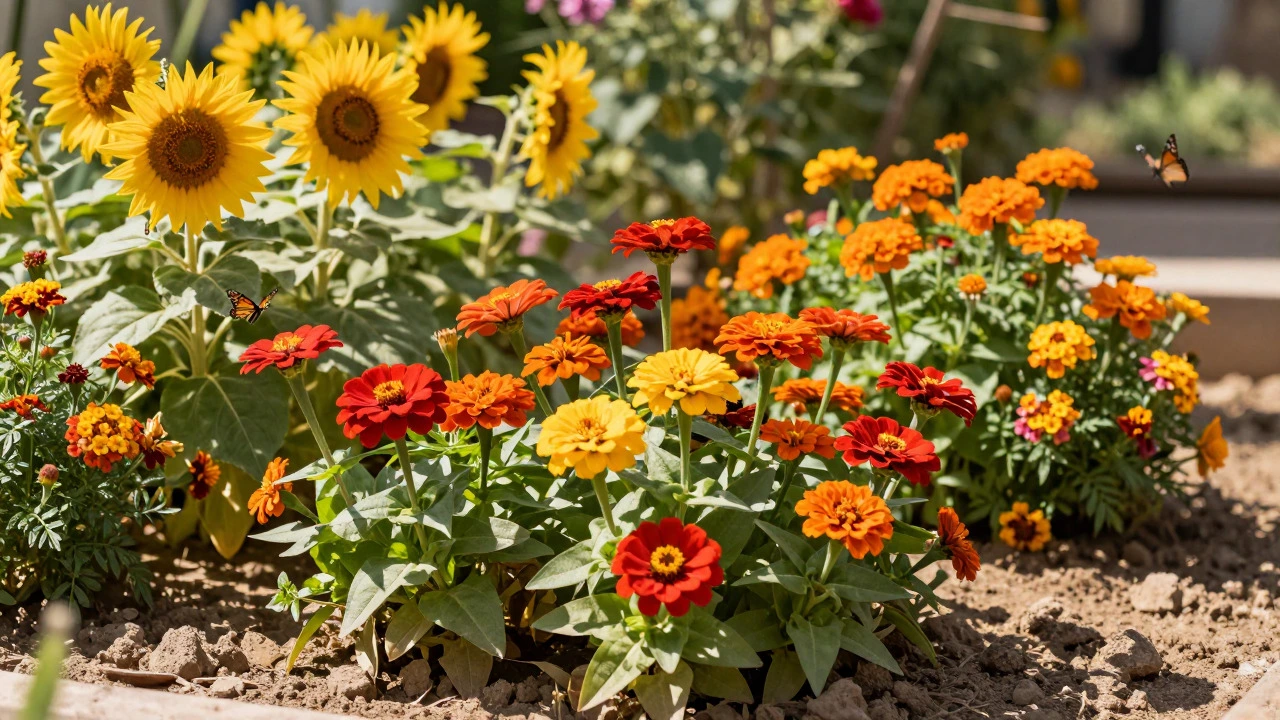
Shrubs provide structure, but annuals give you quick bursts of color. Most annuals hate heat, but a few exceptions dominate the Indian summer landscape. Zinnia is a fast-growing annual flower with daisy-like blooms in bright reds, oranges, yellows, and pinks that thrive in high temperatures. Plant Zinnias in May, and they will keep blooming until the first frost. They love the heat and don't mind dry spells. Cut them back regularly to encourage new buds.
Marigold (Tagetes erecta) is another staple. You likely see them everywhere for a reason. They are cheap, easy to grow, and repel pests naturally. Their strong scent keeps aphids and nematodes away from your vegetables. Marigolds bloom from spring through late summer. For a taller variety, try Sunflowers (Helianthus annuus). They track the sun and produce massive heads. Just ensure they get enough water during seed development, or the heads will be small.
Don't overlook Cosmos. While some varieties prefer cooler weather, Cosmos sulphureus (Yellow Cosmos) loves the heat. It self-seeds easily, meaning you might find volunteers popping up next summer without any effort on your part.
Perennials for Long-Term Beauty
Perennials come back every year, making them a smart investment. Lantana camara is a hardy perennial shrub with clusters of small flowers that change color from yellow to orange to red as they age. It is incredibly tough. Birds avoid eating it due to its toxicity, so deer and rabbits won't bother it either. Lantana attracts pollinators like bees and butterflies, adding life to your garden.
Portulaca (Moss Rose) is a succulent ground cover that blooms all day long in the sun. It closes at night and reopens in the morning. It needs almost no water once established. Perfect for rock gardens or filling gaps between pavers. Another excellent choice is Duranta erecta. This shrub produces long spikes of blue-violet flowers that attract hummingbirds and butterflies. It grows quickly and can be pruned into any shape.
Climbers for Vertical Interest
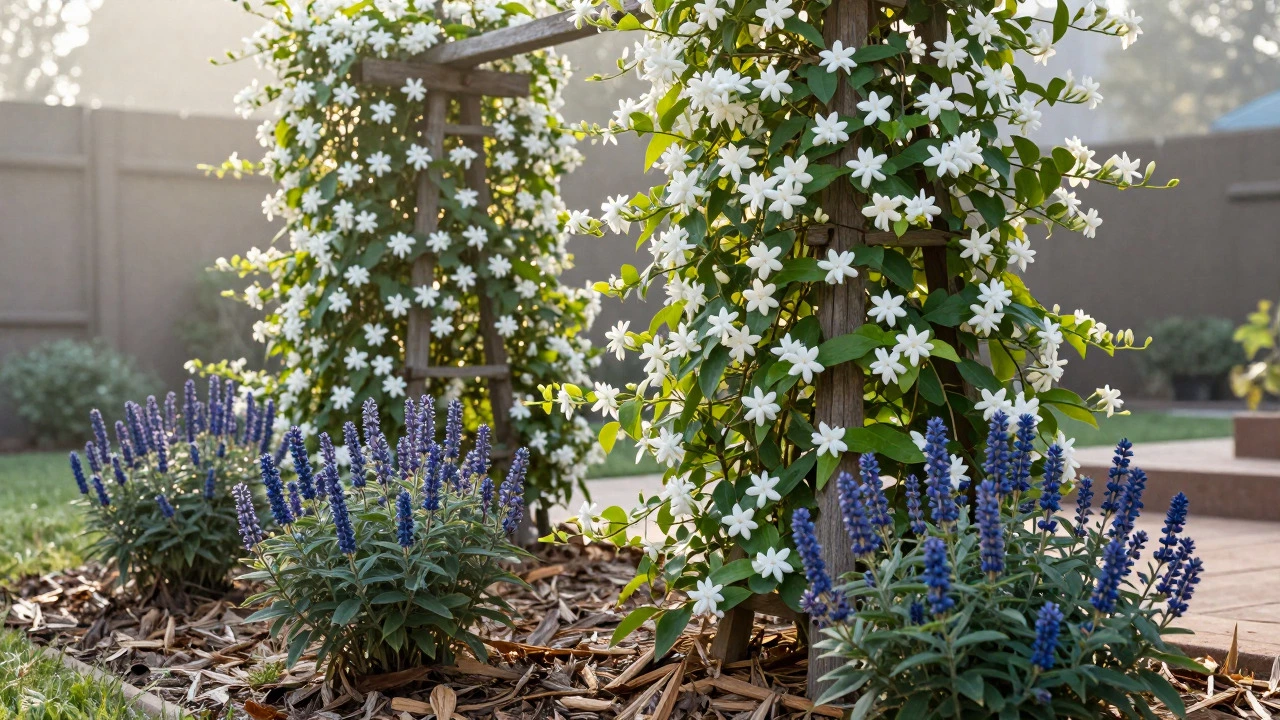
If you have limited space, grow upwards. Rangoon Creeper (Quisqualis indica) is a stunning climber that starts white and turns pink, then deep red as the flowers age. It blooms profusely in summer and provides light shade. Train it on a trellis or fence. Another great option is Star Jasmine (Trachelospermum jasminoides). Note: This is different from common Jasmine. Star Jasmine has waxy, star-shaped white flowers that smell incredible. It prefers partial shade in the hottest parts of the day but still blooms well in summer if protected from scorching afternoon sun.
Caring for Summer Blooms in India
Even the toughest plants need help during peak summer. Watering is the most critical factor. Water early in the morning, around 6 AM to 8 AM. This allows plants to absorb moisture before the heat hits. Avoid evening watering, which can lead to fungal diseases because the foliage stays wet overnight.
Mulching is non-negotiable. Apply a 2-3 inch layer of organic mulch (wood chips, straw, or dried leaves) around the base of your plants. This retains soil moisture, suppresses weeds, and keeps roots cool. Without mulch, you'll lose up to 70% of your water to evaporation.
Fertilize sparingly. Heavy feeding in summer can burn roots. Use a balanced, slow-release fertilizer once a month. Organic options like compost tea or vermicompost are safer and improve soil structure over time.
Common Mistakes to Avoid
One major error is planting shade-loving plants in full sun. Ferns and Hostas will die quickly in Indian summer. Stick to sun-lovers. Another mistake is overwatering. Many tropical plants rot if their feet stay wet. Ensure good drainage. If you use containers, always check for drainage holes.
Also, don't prune heavily during peak heat. Pruning stresses the plant. Do minor shaping in the early morning or late evening. Save major pruning for post-monsoon when the plant can recover quickly.
Which flower blooms all year round in India?
While few plants bloom truly continuously in extreme heat, Hibiscus and Bougainvillea come closest. With proper care, they can produce flowers nearly every month, including during summer. Jasmine also blooms frequently, especially in the evenings.
What plants survive 45°C heat in India?
Lantana, Bougainvillea, Portulaca, and Zinnia are highly heat-tolerant. Succulents like Portulaca store water in their leaves, allowing them to withstand extreme temperatures without wilting.
How often should I water summer plants?
Check soil moisture daily. If the top inch of soil is dry, water deeply. In peak summer, this may mean watering every other day or even daily for container plants. Always water in the early morning.
Can I grow roses in Indian summer?
Most rose varieties struggle in extreme heat. However, some modern hybrid teas bred for heat tolerance can survive. Provide afternoon shade and consistent watering. Alternatively, switch to heat-hardier alternatives like Hibiscus or Zinnia for summer color.
What is the best mulch for summer gardens?
Organic mulches like coconut coir, wood chips, or dried grass clippings are best. They retain moisture and decompose to feed the soil. Avoid plastic mulch unless you are growing vegetables, as it can overheat roots in direct sun.