Garden Soil Restoration Calculator
Calculate the amount of organic matter needed to restore your tired garden soil based on area size and current condition.
Restoration Plan
- Compost Needed:
- Layer Thickness:
- Estimated Cost:
- Timeline:
Based on guidelines from "How to Restore Old Garden Soil". Compost improves structure, adds nutrients, and boosts microbes.
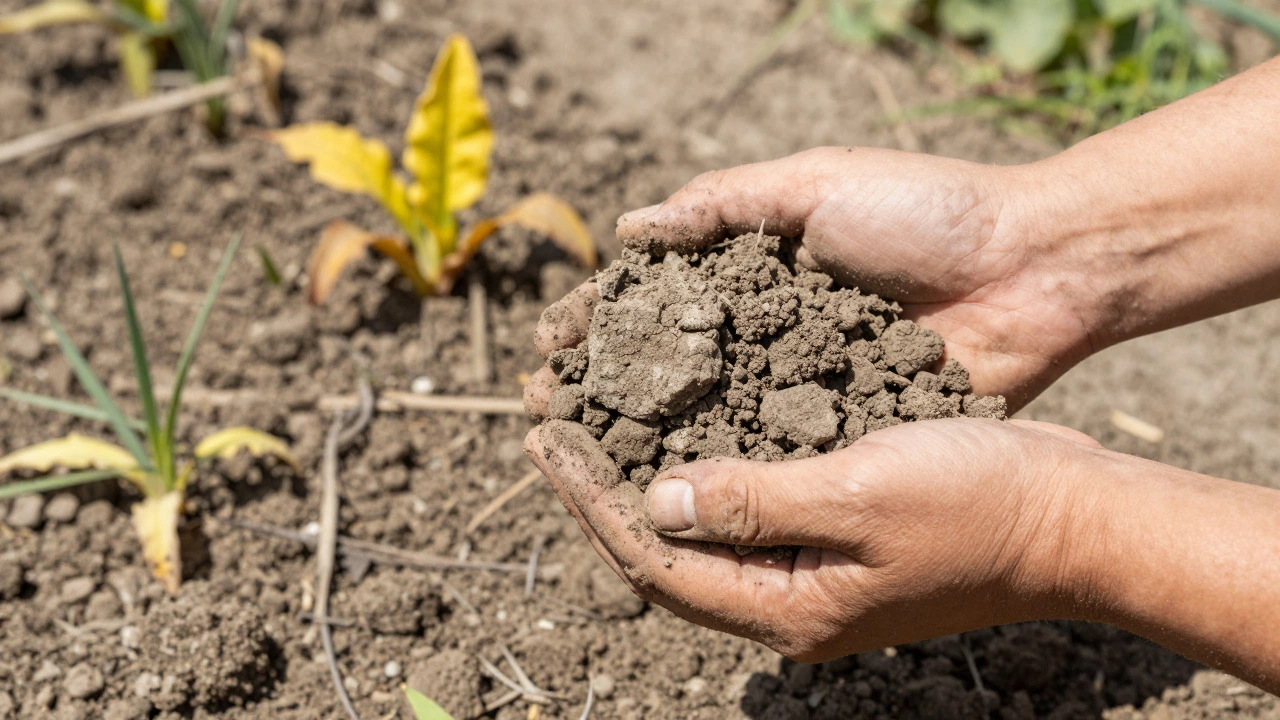
There is nothing more discouraging than staring at a patch of gray, compacted dirt that refuses to grow anything but weeds. You might have spent years planting flowers or vegetables in that spot, only to watch the plants struggle, yellow, and eventually die. The problem isn't usually your watering habits or the seeds you bought; it’s the soil itself. Over time, garden soil gets tired. It loses its structure, drains poorly, and runs out of nutrients. But here is the good news: you don’t need to dig it all up and start from scratch. With the right approach, you can restore old garden soil and turn it back into a thriving ecosystem for your plants.
Can I really fix soil that has been used for years?
Yes, absolutely. Soil is a living system. Even if it looks dead and compacted, adding organic matter and introducing beneficial microbes can wake it up within a single growing season.
Understanding Why Your Soil Is Tired
Before you throw bags of fertilizer at the problem, you need to understand what went wrong. Healthy soil is not just dirt; it is a complex web of minerals, organic matter, water, air, and billions of microorganisms. When we say soil is "old" or "tired," we usually mean it has suffered from one or more of these issues:
- Compaction: Heavy foot traffic, machinery, or rain on bare ground squeezes the air pockets out of the soil. Roots can’t penetrate dense earth, and water pools on the surface instead of soaking in.
- Nutrient Depletion: Plants eat nutrients as they grow. If you harvest vegetables or cut flowers without replacing those nutrients, the soil bank account goes empty.
- Loss of Organic Matter: Organic matter is the glue that holds soil particles together, creating crumbly aggregates. Without it, clay soils become hard bricks when dry and sticky mud when wet. Sandy soils lose their ability to hold water and nutrients entirely.
- pH Imbalance: Some soils become too acidic from acid rain or certain fertilizers, while others become alkaline. If the pH is off, nutrients are locked away and plants can’t access them, even if they are present in the soil.
Identifying which of these problems is dominant will help you choose the right restoration strategy. For example, if your soil turns into concrete after a drought, compaction and lack of organic matter are likely your main enemies.
The First Step: Test Before You Treat
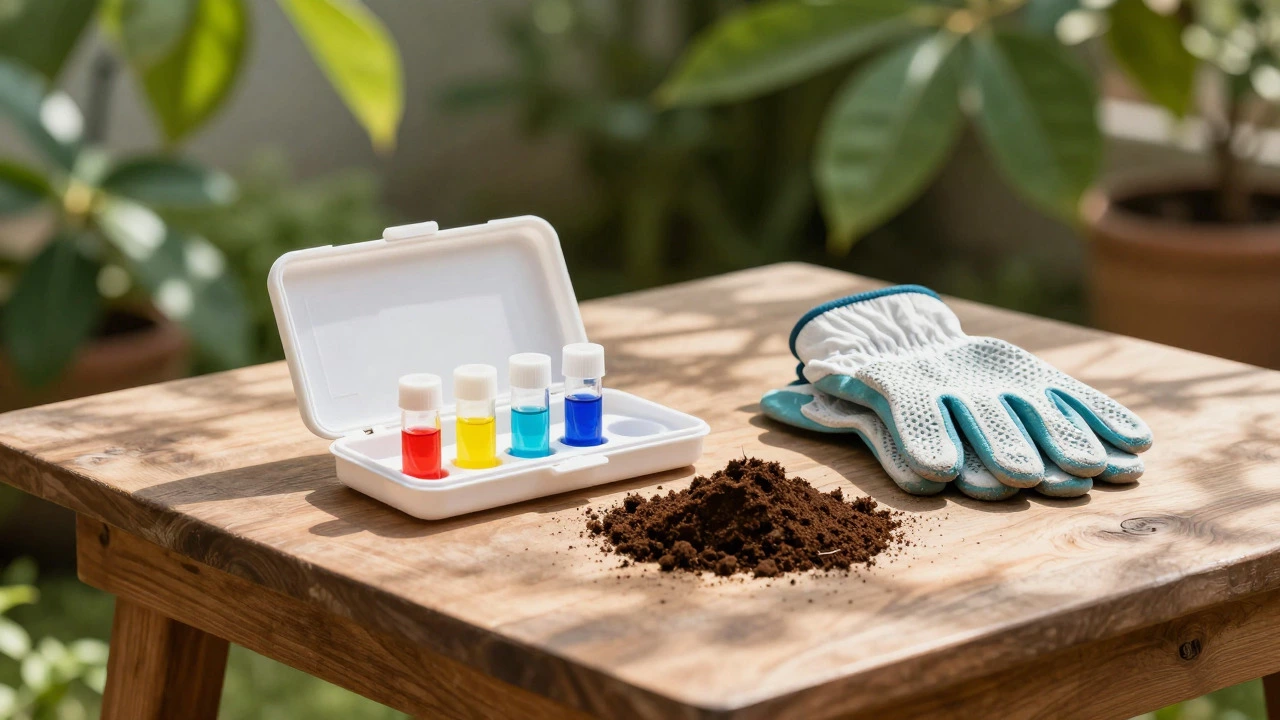
Guessing what your soil needs is like trying to cook without tasting the food. You might add salt when it actually needed sugar. A simple soil test kit is a tool that measures nutrient levels and pH balance in your garden soil can save you months of frustration and money wasted on the wrong amendments.
You can buy a basic DIY test kit at most garden centers, or send a sample to a local agricultural extension service for a detailed analysis. Look for these three key metrics:
- pH Level: Most garden plants prefer a slightly acidic to neutral pH between 6.0 and 7.0. If your pH is below 5.5, you’ll need lime to raise it. If it’s above 7.5, sulfur or acidic organic matter like pine needles can help lower it.
- Nitrogen (N), Phosphorus (P), and Potassium (K): These are the primary macronutrients. Nitrogen helps leaves grow, phosphorus supports roots and blooms, and potassium aids overall plant health and disease resistance. Your test will tell you if any of these are critically low.
- Organic Matter Content: While harder to measure with cheap kits, this is often inferred by how well your soil holds water and its color. Darker soil usually indicates higher organic matter. Aim for at least 5% organic matter for healthy vegetable gardens.
If your test shows high phosphorus but low nitrogen, buying a balanced 10-10-10 fertilizer would be a mistake. Instead, focus on nitrogen-rich amendments like blood meal or fresh grass clippings.
Adding Organic Matter: The Gold Standard
If there is one thing you should take away from this guide, let it be this: organic matter is the cure for almost every soil ailment. It improves drainage in clay, increases water retention in sand, feeds soil microbes, and slowly releases nutrients. Think of it as the foundation of healthy soil.
Here are the best sources of organic matter for restoring old soil:
- Compost: This is decomposed kitchen scraps, yard waste, and other organic materials. It is rich in microbes and nutrients. Spread a 2-3 inch layer over your garden bed and work it into the top 6 inches of soil. Compost is versatile and safe to use around almost any plant.
- Aged Manure: Cow, horse, or chicken manure is excellent for boosting nitrogen. Make sure it is aged or composted for at least six months to kill weed seeds and pathogens. Fresh manure can burn plant roots due to its high ammonia content.
- Coco Coir: Made from coconut husks, coco coir is great for improving soil structure without adding significant nutrients. It holds moisture well and is resistant to compaction. It is particularly useful in sandy soils.
- Leaf Mold: Simply shredded leaves that have decomposed over a year or two. Leaf mold is fantastic for increasing water retention and encouraging fungal networks in the soil, which are vital for many plants.
When adding organic matter, avoid tilling deeply if possible. Deep tillage can destroy soil structure and bring dormant weed seeds to the surface. Instead, try sheet mulching or top-dressing. Lay down your organic material on top and let worms and earthworms do the mixing for you over time.
Fixing Compaction Without Heavy Machinery
Compacted soil feels hard and resists penetration by a shovel or screwdriver. If you live in Auckland or anywhere with heavy clay soils, this is a common issue. Breaking up compaction doesn't require a tractor. Here are effective, low-tech methods:
- No-Dig Gardening: By avoiding digging altogether, you preserve the natural channels created by earthworms and plant roots. Add layers of compost and mulch on top. Over time, the weight of the layers and the activity of soil organisms will loosen the soil beneath.
- Aeration Spikes: For small areas, you can use a garden fork to gently pierce the soil at several angles. Don't lever the fork back and forth, as this inverts the soil layers. Just push it in and pull it straight out. This creates tiny air pockets that allow water and oxygen to reach deeper roots.
- Green Manures: Planting cover crops like buckwheat or daikon radish can physically break up compacted soil. Daikon radishes, in particular, have long taproots that drill deep into the ground, creating channels for air and water. When the plants die back, leave the roots in the ground to decompose.
Balancing pH Naturally
Once you’ve addressed structure and organic matter, check your pH again. If it’s still off, you can make adjustments using natural materials.
To raise pH (make soil less acidic), apply garden lime is a calcium carbonate product used to reduce soil acidity. Dolomitic lime also adds magnesium. Apply it in the fall so it has time to react with the soil before spring planting. Avoid applying lime and compost at the same time, as the acids in compost can neutralize the lime’s effect.
To lower pH (make soil more acidic), use elemental sulfur or acidic organic mulches like pine bark or oak leaves. Sulfur works slowly, so apply it according to package instructions based on your current pH and target pH. Blueberries, azaleas, and rhododendrons thrive in acidic soil, so if you’re growing these, aim for a pH between 4.5 and 5.5.
Feeding the Soil Microbes
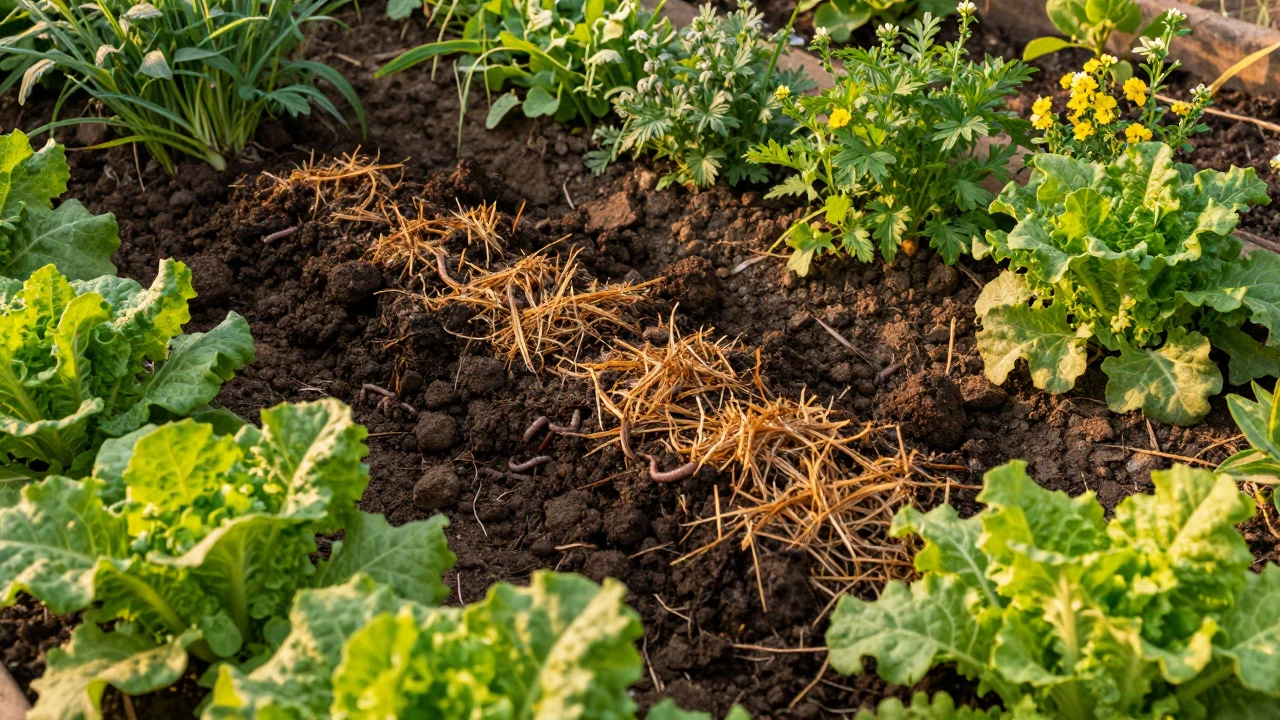
Healthy soil is alive. Billions of bacteria, fungi, protozoa, and nematodes work together to break down organic matter, cycle nutrients, and suppress diseases. When soil is degraded, this microbial community suffers. You can help rebuild it by:
- Reducing Chemical Fertilizers: Synthetic fertilizers provide quick nutrition but can harm soil microbes by altering pH and salinity. Switch to slow-release organic fertilizers like bone meal, kelp meal, or rock phosphate.
- Mulching: A thick layer of straw, wood chips, or leaf litter keeps the soil cool and moist, creating an ideal environment for microbes. Mulch also prevents erosion and reduces weed growth.
- Diverse Planting: Different plants support different microbes. Monocultures (growing only one type of plant) can lead to imbalances. Rotate your crops and include a variety of flowers, vegetables, and herbs to maintain a diverse soil food web.
Maintaining Soil Health Long-Term
Restoring old garden soil is not a one-time project; it’s an ongoing practice. To keep your soil healthy year after year, follow these guidelines:
- Test Annually: Soil conditions change. Testing once a year helps you catch problems early.
- Add Compost Every Season: Even if your soil seems fine, adding a thin layer of compost each spring replenishes nutrients and organic matter.
- Avoid Bare Soil: Always cover bare soil with mulch or cover crops. Exposed soil dries out, erodes, and loses its microbial life.
- Rotate Crops: Don’t plant the same family of vegetables in the same spot two years in a row. This prevents nutrient depletion and breaks pest and disease cycles.
By treating your soil as a living entity rather than just a medium for holding plants, you’ll see a dramatic improvement in plant health, yield, and resilience. The effort you put into restoring your soil today will pay dividends for years to come.
| Amendment | Best For | Key Benefit | Application Rate |
|---|---|---|---|
| Compost | All soil types | Improves structure, adds nutrients, boosts microbes | 2-3 inches per season |
| Aged Manure | Vegetable gardens | High nitrogen boost | 1-2 inches, worked into top 6 inches |
| Coco Coir | Sandy soils | Increases water retention | Mix 1 part coir to 3 parts soil |
| Garden Lime | Acidic soils | Raises pH, adds calcium | Follow test kit recommendations |
| Elemental Sulfur | Alkaline soils | Lowers pH | Follow test kit recommendations |
How long does it take to restore old garden soil?
You can see improvements in soil structure and plant growth within one growing season. However, fully restoring depleted soil to a rich, dark, crumbly state may take 2-3 years of consistent organic matter addition and care.
Can I mix new potting soil with my old garden soil?
It’s better to use potting soil for containers and garden soil for beds. Mixing them can create drainage issues. Instead, amend your garden soil with compost and organic matter to improve its quality naturally.
Is it okay to use chemical fertilizers to restore soil?
Chemical fertilizers can give plants a quick boost, but they don’t improve soil structure or microbial life. For long-term restoration, rely on organic amendments like compost and manure. Use chemicals sparingly and only when necessary.
What is the best way to aerate compacted soil?
For small areas, use a garden fork to gently pierce the soil. For larger areas, consider core aeration tools or planting deep-rooted cover crops like daikon radish to naturally break up compaction.
How often should I test my soil pH?
Test your soil pH annually, preferably in late autumn or early spring. This timing allows you to make adjustments before the next growing season begins.