Plant Hydration & Humidity Advisor
Plant Profile
Recommendation
Select your plant details and click "Analyze Care Needs" to get a personalized hydration plan.
You’ve probably seen it on social media: a serene video of someone misting their lush ferns with a fine spray bottle, creating a momentary fog around the leaves. It looks peaceful. It feels like you’re doing something good for your plants. But here is the hard truth that many gardeners learn the expensive way-misting is rarely the best way to hydrate your plants. In fact, for most common houseplants, it might be actively harming them.
The debate between misting and traditional watering isn't just about preference; it’s about biology. Plants drink through their roots, not their leaves. While some tropical species enjoy high humidity, simply spraying water on foliage doesn’t solve dry air problems and can introduce serious disease risks. To keep your indoor jungle thriving, you need to understand exactly how moisture interacts with different plant tissues and what actually keeps your soil healthy.
The Science of How Plants Drink
To figure out whether to mist or pour, we first need to look at where plants get their hydration. The vast majority of water uptake happens through the root system. Roots absorb water from the soil, which then travels up the stem via the xylem tissue to reach the leaves. This process, known as transpiration, also helps cool the plant down, similar to how sweating works in humans.
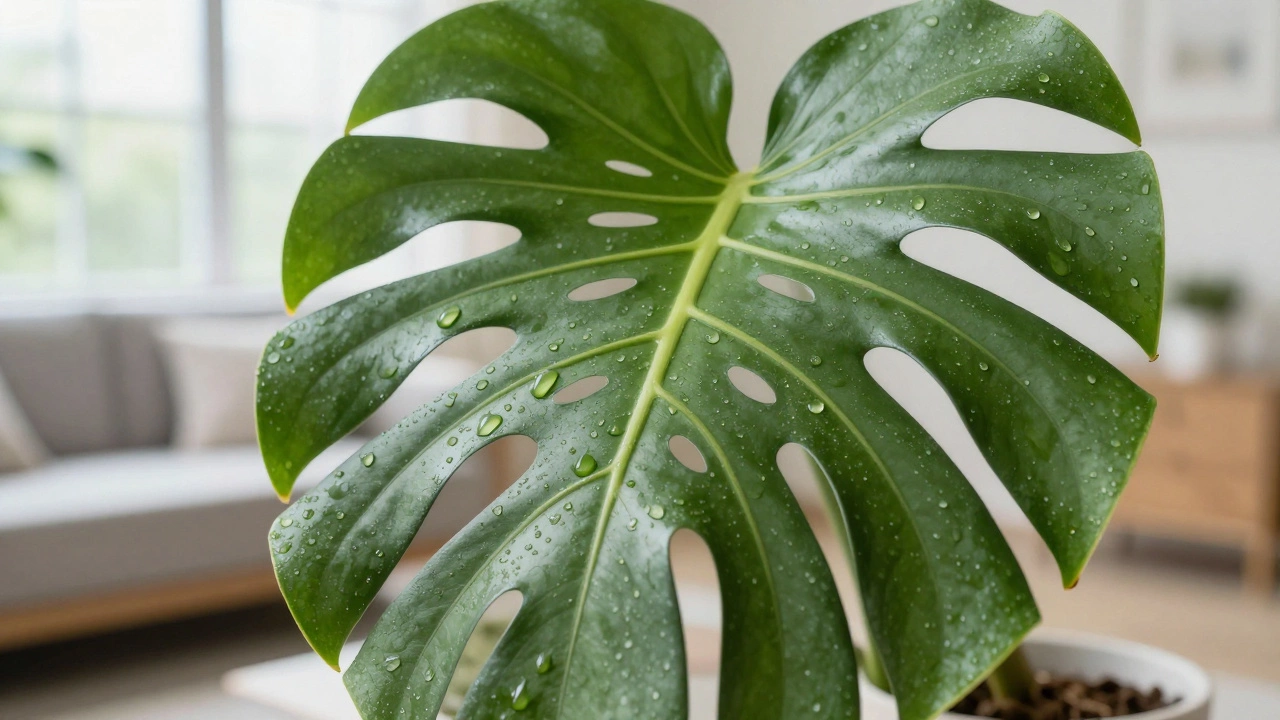
Leaves have a protective outer layer called the cuticle. This waxy coating prevents the plant from drying out too quickly in the sun. Because of this barrier, leaves are not designed to absorb significant amounts of water. There are exceptions, of course. Some plants, like certain orchids and African violets, have specialized structures or fuzzy hairs that allow them to take up tiny amounts of moisture through their leaves. But for the average Pothos, Snake Plant, or Monstera sitting on your coffee table, misting is essentially putting rain on a roof-it runs off, does little to quench thirst, and sits there until it evaporates.
If your plant is wilting because the soil is dry, misting the leaves will do nothing to fix the problem. The roots are still thirsty. You have to water the soil directly. Misting is a cosmetic gesture that addresses humidity, not hydration.
When Misting Actually Helps (And When It Hurts)
Misting isn’t useless, but its job is very specific: it temporarily raises the relative humidity in the immediate air around the plant. This can be beneficial for plants native to tropical rainforests, such as Calatheas, Marantas, and Ferns. These plants evolved in environments where the air was consistently moist, often above 60% humidity. In a typical home or office, especially during winter when heating systems run, indoor humidity can drop below 30%. For these sensitive species, low humidity causes crispy brown leaf edges.
However, misting provides only a fleeting boost. Studies show that the humidity increase from a quick mist lasts less than 15 minutes before evaporation takes over. After that short window, the water droplets left on the leaves begin to cause problems. If the water contains minerals (hard water), those minerals stay behind as the water evaporates, leaving white spots that block sunlight and can clog the stomata-the tiny pores plants use to breathe.
Worse yet, wet leaves create a perfect breeding ground for fungal spores. Botrytis blight and powdery mildew thrive in damp, stagnant conditions. If you mist your plants in the evening or in a room with poor airflow, you are practically inviting disease. Fungi love warmth and moisture, and a wet leaf surface overnight is an all-you-can-eat buffet for pathogens.
The Superior Alternatives to Misting
If your goal is to maintain higher humidity for tropical plants without the risks of fungal infection, there are far more effective methods than a spray bottle. Here is what actually works:
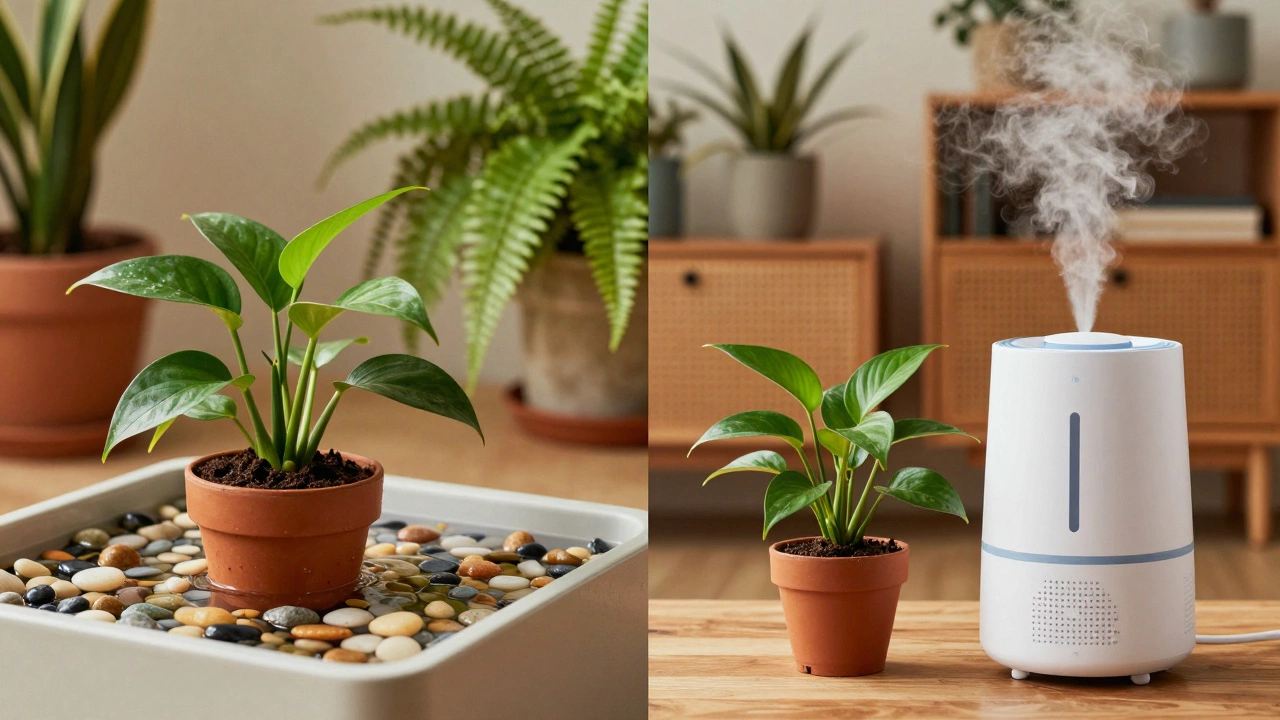
- Humidifiers: A cool-mist humidifier is the gold standard. It allows you to control the exact humidity level in the room, keeping it steady at 50-60%, which is ideal for most tropical houseplants. Unlike misting, it doesn’t leave water standing on leaves.
- Pebble Trays: Place a tray filled with pebbles and water under your plant pots. Make sure the bottom of the pot sits on the pebbles, not in the water, to avoid root rot. As the water evaporates from the large surface area of the pebbles, it creates a localized zone of higher humidity around the plant.
- Grouping Plants: Plants naturally raise the humidity around them through transpiration. Clumping several plants together creates a microclimate where the air stays moister longer than if they were isolated.
- Bathroom or Kitchen Placement: These rooms naturally have higher humidity due to showers and cooking. Many tropical plants thrive here, provided they get enough indirect light.
These methods provide consistent, long-lasting humidity without wetting the foliage unnecessarily. They address the root cause of dry air issues rather than applying a temporary band-aid.
Proper Watering Techniques for Root Health
Since roots are the primary source of hydration, how you water matters immensely. The most common mistake beginners make is frequent, shallow watering. This keeps only the top inch of soil moist while the deeper roots remain dry. Over time, this encourages roots to grow horizontally near the surface, making the plant unstable and prone to drought stress.
The best practice is deep, infrequent watering. Water slowly until you see excess water draining out of the bottom holes of the pot. This ensures the entire root ball gets saturated. Then, let the soil dry out partially before watering again. Most houseplants prefer to cycle between moist and slightly dry. Always check the soil moisture by sticking your finger about two inches into the dirt. If it feels dry, it’s time to water. If it’s still damp, wait.
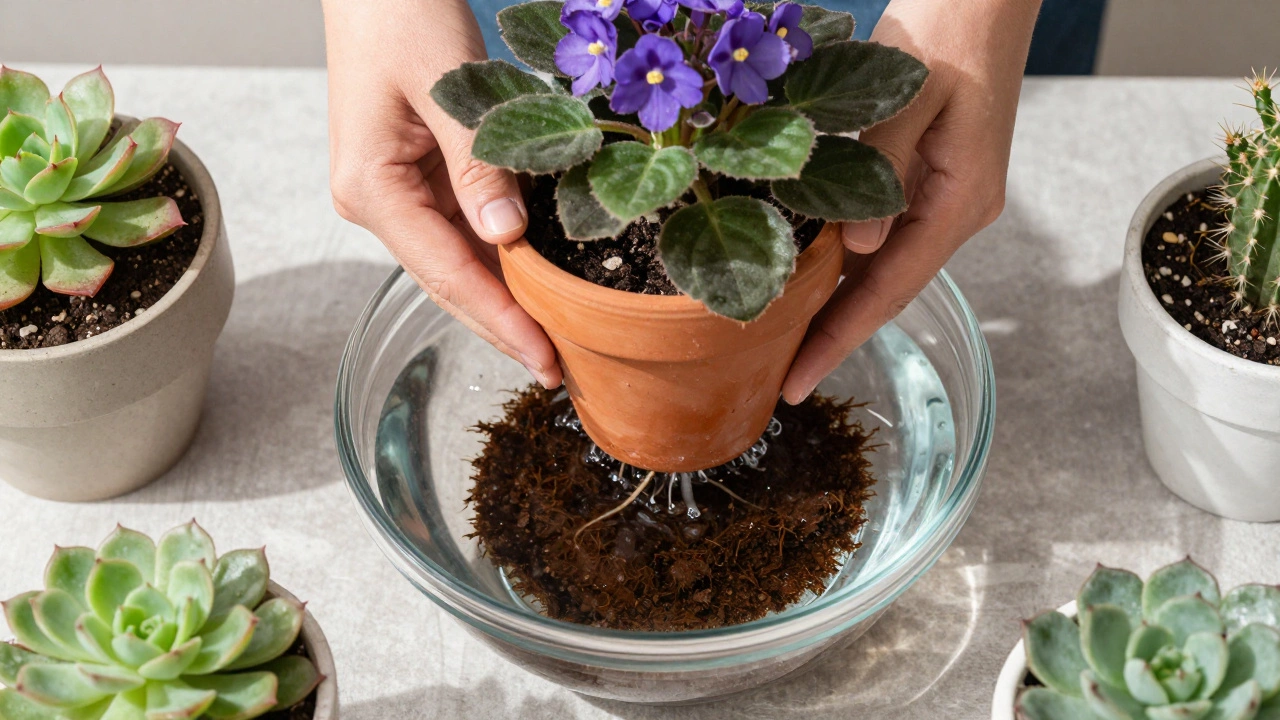
Bottom watering is another excellent technique, especially for plants sensitive to wet leaves like African Violets or Succulents. Place the pot in a bowl of water for 20-30 minutes, allowing the soil to wick up the moisture it needs. Remove the pot once the topsoil feels moist. This method guarantees even hydration and prevents salt buildup on the soil surface.
| Method | Primary Benefit | Risks | Best For |
|---|---|---|---|
| Misting | Temporary humidity boost | Fungal disease, mineral deposits, ineffective hydration | Ferns, Calatheas (short-term only) |
| Top Watering | Convenient, flushes salts | Compacted soil, uneven watering | Most general houseplants |
| Bottom Watering | Even saturation, no wet leaves | Salt buildup if never flushed | African Violets, Succulents, Seedlings |
| Humidifier | Consistent ambient humidity | Cost, maintenance cleaning | Tropical collections, dry climates |
Signs You Are Using the Wrong Method
Your plants will tell you if your moisture strategy is failing. If you see brown, crispy tips on broad-leafed plants like Peace Lilies or Dracaenas, it’s usually a sign of low humidity, not lack of water. However, if the lower leaves are yellowing and dropping, you might be overwatering. Yellowing leaves combined with soft, mushy stems indicate root rot, a direct result of soil staying too wet for too long.
On the other hand, if you see white powdery spots on leaves, you likely have powdery mildew, often caused by misting in low-light conditions. If you notice black or gray fuzzy mold growing on the soil surface or leaves, that’s botrytis, another fungal issue linked to excessive moisture on foliage.
Wilting is tricky. If the soil is dry and the plant wilts, it needs water in the soil. If the soil is wet and the plant wilts, the roots may be rotting and unable to take up water. In this case, stop watering immediately and consider repotting in fresh, well-draining mix.
Tailoring Care to Specific Plant Types
Not all plants are created equal. Understanding your plant’s native habitat is key to deciding how to handle moisture.
Succulents and Cacti are desert-dwelling plants adapted to store water in their leaves and stems. They hate humidity and wet leaves. Never mist them. Water deeply only when the soil is completely dry, and ensure excellent drainage.
Ferns are tropical understory plants that require high humidity and consistently moist soil. While they benefit from humidity, misting alone won’t save them if the soil dries out. Use a humidifier or pebble tray instead.
Orchids are epiphytic plants with velvety roots that absorb moisture from the air. Some growers mist orchid roots lightly, but it’s safer to water the roots directly and let them dry out between sessions to prevent rot.
Pothos and Philodendrons are hardy vining plants tolerant of average home humidity. They do not need misting. Water when the top inch of soil is dry. Misting them offers no benefit and increases disease risk.
Common Mistakes to Avoid
One major error is using tap water with high mineral content for misting. As mentioned, the water evaporates, but the calcium and magnesium remain, forming unsightly crusts on leaves. If you must mist, use distilled or rainwater. However, since misting is generally discouraged, this is mostly a moot point.
Another mistake is misting in direct sunlight. Water droplets can act like magnifying glasses, focusing sunlight onto the leaf surface and causing burn marks. Even if this effect is debated among botanists, the risk of overheating the leaf tissue is real. Always mist in the morning if you choose to do so, allowing leaves to dry before nightfall.
Finally, don’t ignore airflow. Stagnant air traps moisture against leaves, promoting mold. Use a small fan on low setting to keep air moving around your plants. This simple step reduces disease pressure significantly, regardless of your watering method.
Can I mist my succulents?
No, you should not mist succulents. Their leaves are adapted to store water and repel moisture. Wet leaves can lead to rot and fungal infections. Always water succulents at the soil level and allow the soil to dry completely between waterings.
How often should I mist my ferns?
While ferns love humidity, misting is not the best long-term solution. If you do mist, do it once or twice a day in the morning. However, using a humidifier or placing ferns on a pebble tray is far more effective and safer for preventing fungal diseases.
Why are my plant leaves turning brown after misting?
Brown spots after misting are often caused by fungal infections like botrytis or powdery mildew, which thrive in damp conditions. It could also be mineral burn from hard water. Stop misting, improve airflow, and treat any existing fungus with a fungicide if necessary.
Is bottom watering better than top watering?
Bottom watering is excellent for ensuring even soil saturation and avoiding wet leaves. It is particularly good for seedlings and plants prone to crown rot. However, you should occasionally top-water to flush out accumulated salts from fertilizers and tap water.
Do plants absorb water through their leaves?
Most plants absorb negligible amounts of water through their leaves due to the waxy cuticle layer. Exceptions include some epiphytes like orchids and plants with hairy leaves. For the vast majority of houseplants, roots are the primary source of water uptake.