Houseplant Soil Rescue Calculator
Overwatered? Don't panic. Select your situation below to estimate drying time and receive immediate action steps.
Estimated Drying Time
Recommended Actions:
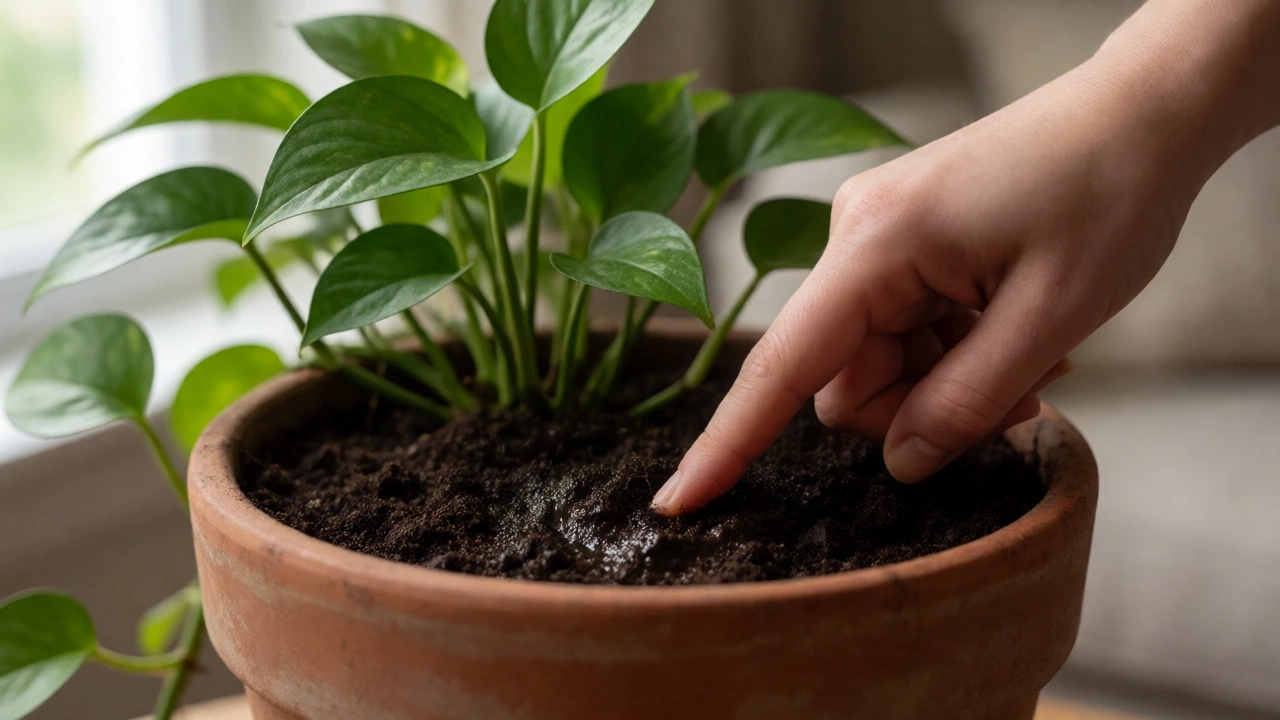
Pro Tip: Always check the soil with your finger before watering again. If it sticks to your skin, wait. If it's crumbly, water lightly.
You just checked your pothos or snake plant, and the soil feels like wet mud. Maybe you forgot it was raining outside for three days straight, or maybe you got carried away with the watering can. Either way, soggy soil is the number one killer of indoor plants. It suffocates roots, invites fungal infections, and turns healthy leaves yellow. The good news? You don’t need to toss that pot in the bin. You can save most plants if you act fast.
Drying out houseplant soil isn't about putting the pot in a microwave (please don't). It’s about understanding how water moves through soil and helping evaporation do its job. Whether you’re dealing with a minor mistake or a full-blown overwatering disaster, there are practical steps you can take right now. Let’s look at how to rescue your green friends before the roots start to smell.
Why Wet Soil Kills Plants Faster Than Dry Soil
Think of your plant’s roots like human lungs. They need oxygen to breathe. When soil stays saturated, water fills all the tiny air pockets between soil particles. Without air, roots can’t respire. This leads to root rot, a condition where roots turn brown, mushy, and black. Once rot sets in, it spreads quickly because fungi thrive in anaerobic (oxygen-poor) environments.
In Auckland, where humidity can linger indoors during winter, this problem gets worse. High ambient humidity slows down transpiration-the process where plants release water vapor through their leaves. If the air is already moist, the plant pulls less water up from the soil, leaving it sitting there longer than necessary. Knowing this helps you adjust your care routine based on your local climate rather than following generic internet advice.
The Quick Fix: Top-Dressing and Aeration
If the soil is only slightly damp, you might not need to repot immediately. Start with surface-level interventions. These methods work best when caught early, within 24-48 hours of realizing the mistake.
- Aerate the top layer: Use a chopstick or a fork to gently poke holes into the soil. Go deep-about 2-3 inches-but be careful not to slash major roots. These channels allow air to penetrate deeper into the root zone, accelerating drying.
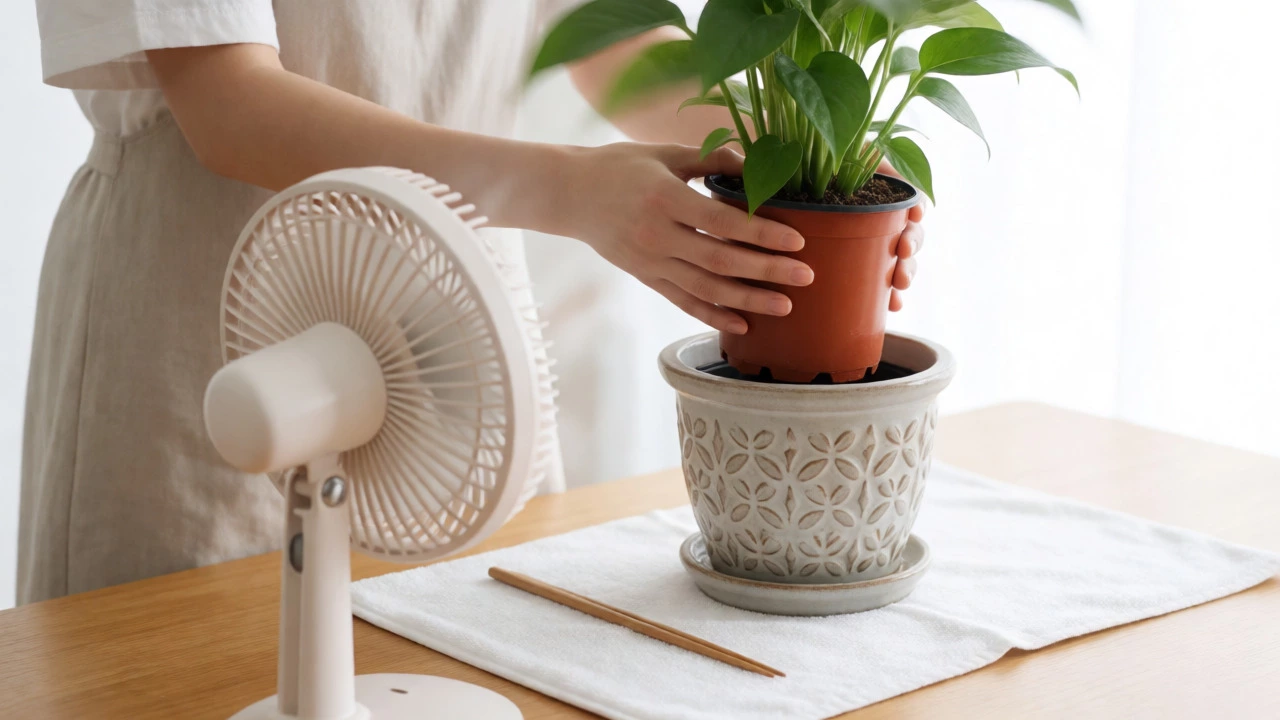
- Remove the saucer: Never leave a pot sitting in standing water. If your plant has a decorative cache pot without drainage holes, lift the inner plastic nursery pot out entirely. Let it drain freely on a sink rack or towel.
- Add absorbent top-dressing: Sprinkle a layer of dry perlite, coco coir, or even paper towels on the surface. These materials wick moisture upward via capillary action. Replace them once they become damp. This trick works surprisingly well for small pots.
This approach relies on physics, not magic. By increasing surface area exposure and removing barriers to evaporation, you help the soil shed excess water naturally.
When You Need to Repot Immediately
Sometimes, poking holes isn’t enough. If the soil smells sour, the stems feel soft, or leaves are dropping rapidly, you likely have advanced root rot. In these cases, time is critical. You need to physically remove the wet medium surrounding the roots.
Here’s how to handle an emergency repot:
- Gently remove the plant: Tip the pot sideways and ease the root ball out. Don’t yank the stem; support the base of the plant.
- Shake off old soil: Loosen the root ball by hand. Remove as much dark, wet soil as possible. If roots are tangled, tease them apart gently.
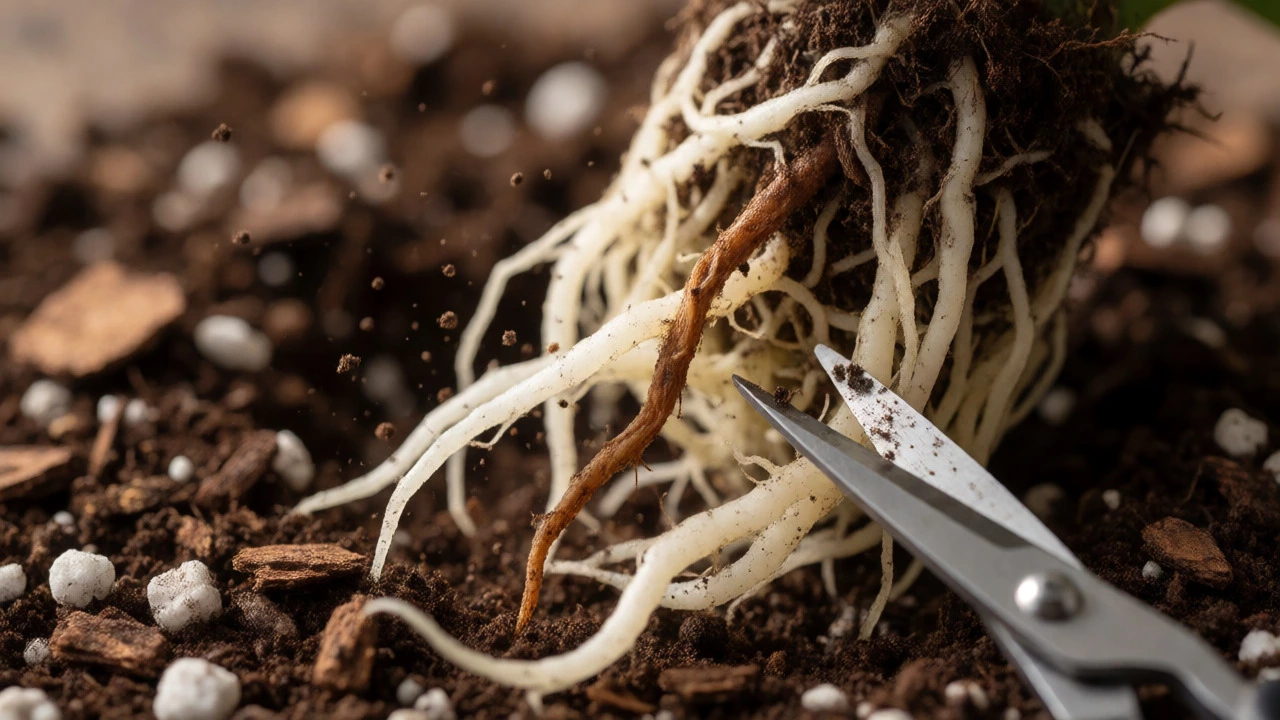
- Inspect and trim: Look for healthy white or light tan roots versus black, slimy ones. Trim away any dead or rotten roots with sterilized scissors. Cut back to healthy tissue.
- Repot in fresh mix: Use a well-draining potting mix. For tropicals like Monstera, mix standard potting soil with 50% perlite or orchid bark. This creates large air gaps that prevent future saturation.
After repotting, hold off on watering for at least 3-5 days. Check the moisture level with your finger before adding more water. Remember, stressed plants recover better in slightly drier conditions than in wet ones.
Using Fans and Airflow to Speed Up Drying
Stillness is the enemy of drying. Moving air carries away the humid boundary layer that forms just above the soil surface. This dramatically increases the rate of evaporation.
Set up a small desk fan pointed near-not directly at-the plant. Indirect airflow is key; blasting delicate leaves with high wind can cause desiccation stress. Aim for a gentle breeze that circulates around the foliage and soil surface. Run it for a few hours a day until the top inch of soil feels dry to the touch.
| Method | Small Pot (4") | Medium Pot (6-8") | Large Pot (10"+) |
|---|---|---|---|
| Natural Air Dry | 3-5 Days | 7-10 Days | 2 Weeks+ |
| With Fan/Airflow | 1-2 Days | 3-5 Days | 7-10 Days |
| Repotting + Fresh Mix | Immediate Relief | Immediate Relief | Immediate Relief |
Notice how larger pots take exponentially longer. That’s because the volume-to-surface-area ratio decreases as size increases. A massive ceramic pot holds gallons of water that can’t escape easily. For big plants, consider using terracotta pots instead of glazed ceramic or plastic. Terracotta is porous, allowing moisture to evaporate through the walls of the container itself.
Preventing Future Overwatering Mistakes
Drying out soil is a reaction. Preventing it requires proactive habits. Most overwatering happens because we water on a schedule rather than checking actual needs. Your fern doesn’t care that it’s Tuesday; it cares that its soil is dry.
Adopt these rules to keep your soil balanced:
- The Finger Test: Stick your index finger into the soil up to the second knuckle. If it feels cool and sticks to your skin, wait. If it feels crumbly and dry, water.
- Lift the Pot: Learn what your plant weighs when dry versus wet. Water is heavy. A noticeable drop in weight signals it’s time to hydrate.
- Adjust for Seasons: In winter, most indoor plants enter dormancy. Their growth slows, meaning they drink less. Reduce watering frequency by half compared to summer months.
- Check Drainage: Ensure every pot has a hole at the bottom. No exceptions. If you love a pot without holes, use it as a cover for a plastic nursery pot that does have drainage.
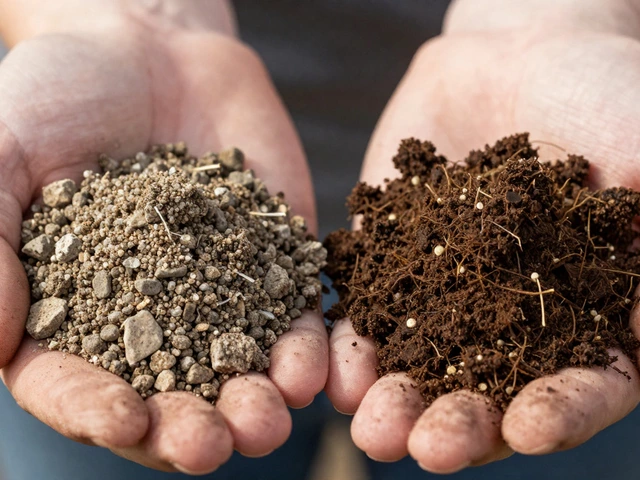
Also, consider the type of soil you use. Heavy garden soils compact easily and retain too much water for indoor containers. Always buy a mix labeled for "indoor plants" or "tropical houseplants," which usually contains peat, perlite, and bark for optimal structure.
Troubleshooting Specific Scenarios
Not all plants react the same way to wet feet. Succulents and cacti are particularly sensitive. If you’ve overwatered a succulent, stop watering completely for two weeks. Do not try to dry it out faster with heat sources like radiators, as sudden temperature changes can crack fleshy leaves.
For tropicals like Fiddle Leaf Figs, leaf drop often follows overwatering. Even after the soil dries, those leaves won’t come back. Focus on new growth. If the trunk feels firm and wrinkled bark smooths out, you’re on the right track.
What if you can’t move the plant? Say you have a large tree in a corner of your living room. You can’t exactly drag it outside. In this case, use a turkey baster or syringe to suck excess water out from the bottom tray if accessible. Alternatively, insert empty wine bottles upside down into the soil (neck first) to create vertical air shafts. This is a hack borrowed from bonsai enthusiasts to improve subsurface aeration without disturbing roots.
Frequently Asked Questions
Can I put my overwatered plant in direct sunlight to dry it out?
Be careful. While sunlight generates heat, intense direct sun combined with wet soil can cook the roots and scorch leaves. It’s better to place the plant in bright, indirect light with good airflow. Gentle warmth helps evaporation without stressing the plant further.
How long does it take for wet soil to dry naturally?
It depends on pot material, size, and humidity. A small terracotta pot in a dry room might dry in 2-3 days. A large plastic pot in a humid bathroom could take 2 weeks or more. Always check with your finger rather than guessing based on time.
Should I fertilize an overwatered plant?
No. Never fertilize a stressed plant. Roots damaged by rot cannot uptake nutrients efficiently, and fertilizer salts can burn weakened roots further. Wait until the plant shows signs of new growth before resuming feeding.
Is it safe to use rice to dry out plant soil?
Uncooked rice can absorb some moisture, but it’s messy and prone to molding if left in contact with damp organic matter. Perlite or dry sand is a cleaner, more effective alternative for absorbing surface moisture without introducing decay risks.
My plant still looks bad after drying the soil. What next?
If leaves remain yellow or wilted after the soil has dried for several days, check for pests like fungus gnats, which thrive in wet soil. Also, inspect roots again. If they are mostly black and mushy, the damage may be irreversible. Sometimes starting a cutting from a healthy branch is easier than saving the mother plant.