Indoor Plant Lifespan & Care Calculator
Results
DifficultyEstimated Lifespan
-- Years
Range: -- to --Care Rating
The Truth About Indoor Plant Lifespans
Not all plants are created equal when it comes to longevity. In the wild, plants have distinct life cycles. Some complete their life cycle in one season (annuals), while others grow year after year (perennials). Indoors, this distinction still matters, though artificial light and climate control can blur the lines slightly.
Most popular houseplants sold in stores are perennials. This means they have the potential to live indefinitely if cared for correctly. However, "indefinitely" doesn't mean "forever without effort." A neglected perennial will eventually succumb to root rot, pest infestation, or simply running out of nutrients. On the other hand, some plants are truly short-lived indoors, often treated as annuals because they decline rapidly after flowering or growing.
Long-Lived Champions: Plants That Outlive Us
If you want a plant that becomes a family heirloom, you need to choose species known for their resilience and slow growth. These plants thrive on consistency rather than dramatic changes.
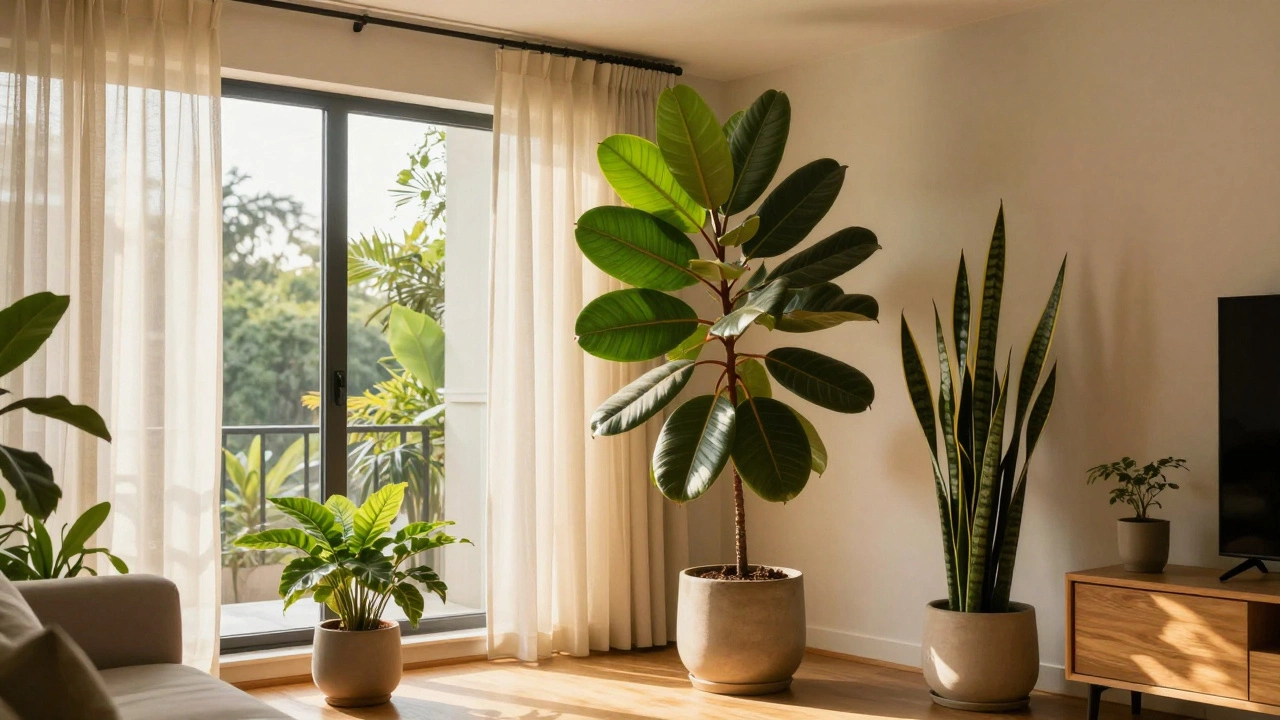
- Ficus elastica (Rubber Plant): With proper care, these can live 30-50 years. They grow slowly and handle indoor air well, provided they aren't moved constantly.
- Zamioculcas zamiifolia (ZZ Plant): Known for its toughness, ZZ plants can survive decades of neglect. Their rhizomes store water, allowing them to bounce back from droughts that would kill other plants.
- Sansevieria (Snake Plant): These are nearly indestructible. There are records of Snake Plants living over 100 years in optimal conditions. They require very little water and tolerate low light.
- Ficus benjamina (Weeping Fig): While sensitive to drafts, a stable Weeping Fig can live for decades and grow into a substantial tree.
- Pachira aquatica (Money Tree): Often seen in offices, these can live 10-15 years easily, with some reaching 20+ years if kept moist but not soggy.
Short-Term Residents: Annuals and Biennials
Some plants are beautiful but fleeting. These are often grown for their flowers or foliage burst, but they naturally decline after a season or two. It's important to know which ones these are so you don't waste energy trying to save a dying plant.
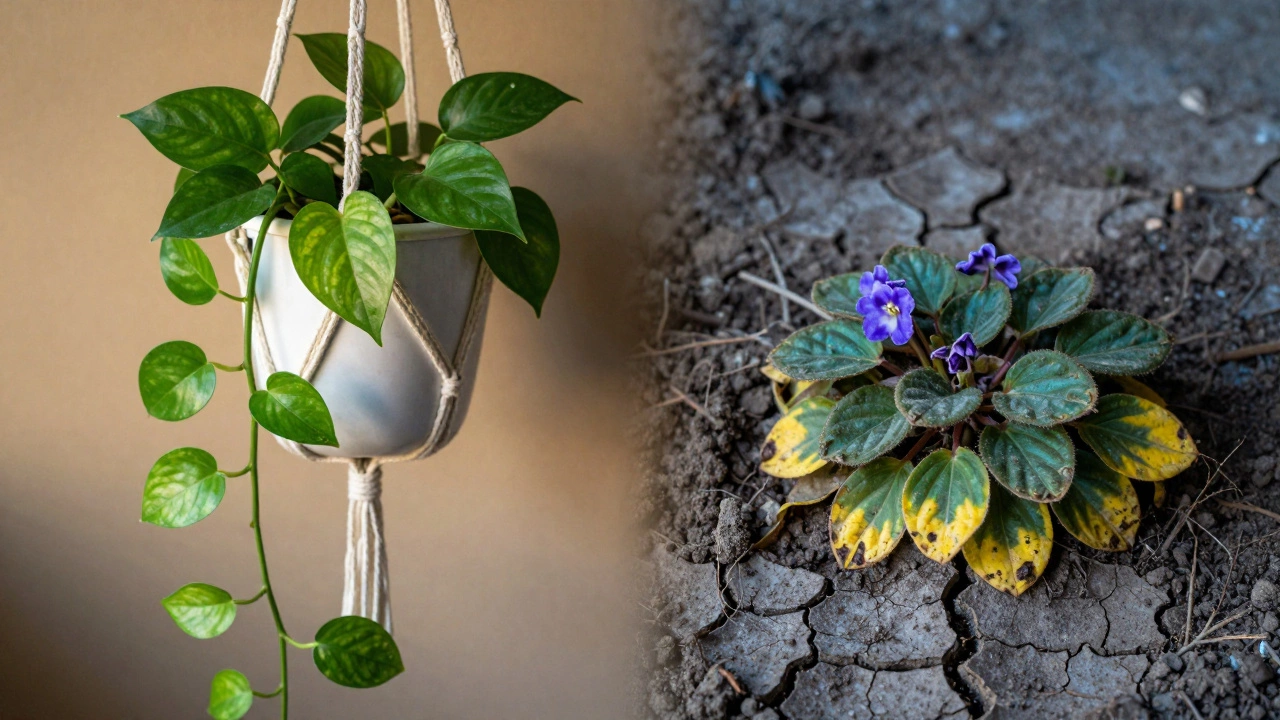
- African Violets: While technically perennials, many growers find them difficult to maintain long-term due to sensitivity to water quality and light fluctuations. They often last 2-5 years before declining significantly.
- Cyclamen: These are often sold as seasonal blooms. After flowering, they go dormant. Reviving them is possible but tricky; most people discard them after one bloom cycle.
- Begonia: Many Begonias are tender perennials treated as annuals indoors. They may last a year or two but rarely thrive beyond that without propagation.
- Christmas Cactus: These can actually live for decades! However, they are often stressed by holiday lighting and temperature swings, leading to premature decline. If kept consistent, they are long-lived.
Why Your Plants Die Early: Common Mistakes
Even long-lived plants won't survive if basic needs are ignored. Here are the top reasons indoor plants fail to reach their potential lifespan:
- Overwatering: This is the number one killer. Roots need oxygen. Sitting in wet soil leads to root rot, which kills the plant from the bottom up. Check soil moisture before watering.
- Underwatering: Conversely, letting plants dry out completely repeatedly stresses them. Most houseplants prefer evenly moist soil, not bone-dry dirt.
- Poor Light: Low light slows photosynthesis. Without enough energy, plants become weak, leggy, and susceptible to pests. Move plants closer to windows or use grow lights.
- Drafts and Temperature Swings: Placing plants near AC vents, heaters, or drafty doors causes stress. Consistency is key.
- Nutrient Depletion: Potting soil loses nutrients over time. Fertilize during the growing season (spring and summer) to support healthy growth.
Extending Plant Life: Pro Tips
You can significantly extend the life of your indoor plants with a few simple practices:
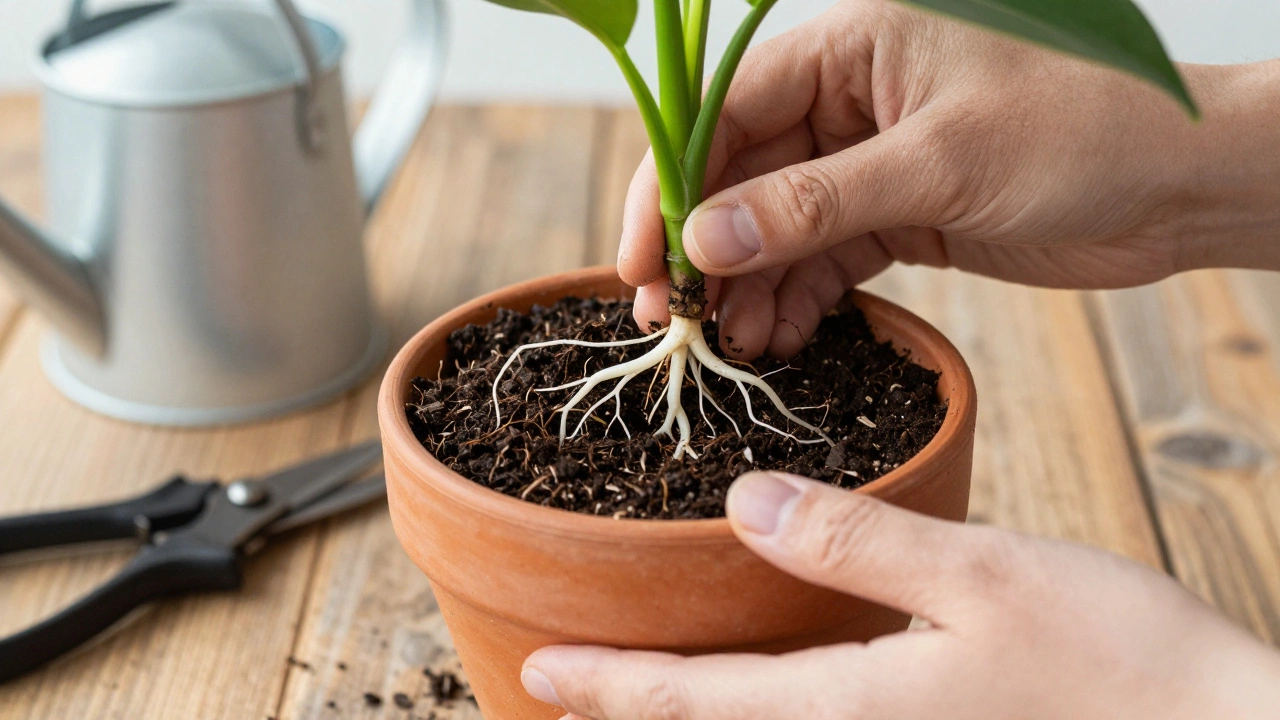
- Repot Regularly: Every 1-2 years, refresh the soil and move the plant to a slightly larger pot. This prevents root binding and replenishes nutrients.
- Prune Dead Growth: Remove yellow or brown leaves immediately. This directs energy to healthy parts of the plant and improves airflow.
- Monitor Humidity: Many tropical plants struggle in dry indoor air. Group plants together or use a humidifier to mimic their natural environment.
- Inspect for Pests: Check leaves regularly for spider mites, mealybugs, or aphids. Early detection makes treatment much easier.
- Rotate Pots: Turn pots a quarter turn every week to ensure even light exposure and prevent leaning.
| Plant Name | Typical Lifespan | Light Requirement | Watering Frequency | Difficulty Level |
|---|---|---|---|---|
| Snake Plant | 10-20+ years | Low to Bright Indirect | Every 2-6 weeks | Easy |
| ZZ Plant | 10-15+ years | Low to Medium | Every 3-4 weeks | Easy |
| Rubber Plant | 10-30+ years | Bright Indirect | Weekly | Moderate |
| Fiddle Leaf Fig | 10-20+ years | Bright Indirect | Weekly | Hard |
| African Violet | 2-5 years | Bright Indirect | When soil dries | Moderate |
| Pothos | 5-10+ years | Low to Bright | Weekly | Easy |
Signs Your Plant Is Aging vs. Dying
It's crucial to distinguish between natural aging and fatal decline. Older plants may grow slower, produce fewer new leaves, or develop woody stems. This is normal. However, sudden leaf drop, blackened roots, or mushy stems indicate disease or improper care, not age. If you see these signs, investigate the cause-likely overwatering or pests-rather than accepting defeat.
Can You Propagate to Extend Life?
Yes. Many plants can be propagated from cuttings, creating clones that carry on the genetic line of the original plant. While the parent plant might eventually decline, its offspring can continue the legacy. This is especially useful for trailing plants like Pothos or Spider Plants, which produce babies readily. Even slower growers like Rubber Plants can be propagated via stem cuttings, though it takes more patience.
How long does a typical houseplant live?
Most common houseplants like Snake Plants, ZZ Plants, and Pothos can live 5 to 15 years or more with proper care. Some, like Ficus trees, can live several decades. Short-lived plants like African Violets may only last 2-5 years.
What kills indoor plants fastest?
Overwatering is the fastest killer. It leads to root rot, which suffocates the roots and spreads disease quickly. Underwatering and lack of light also contribute to premature death but usually take longer.
Do indoor plants expire?
No, indoor plants do not have an expiration date. They are living organisms that can continue growing as long as their environmental needs are met. Decline is usually due to poor care, not natural expiration.
How do I know if my plant is old?
Older plants often have thicker, woody stems, slower growth rates, and may lose lower leaves as they grow taller. However, they should still produce new growth periodically. Sudden decline suggests health issues, not age.
Can I revive a dying indoor plant?
Often, yes. If the roots are still firm and white, trim away dead foliage and adjust watering/light conditions. If roots are black and mushy, repotting with fresh soil and pruning damaged roots may save it. Severe cases may require propagation.
About
Gardener Support India is your go-to online destination for expert advice on gardening and horticultural services in India. Whether you're a beginner or an experienced gardener, our platform offers extensive resources, tips, and support tailored to Indian climates and plant species. Explore a wide range of guides on plant care, sustainable gardening practices, and innovative gardening solutions. Connect with local experts to enhance your gardening experience and maintain a flourishing garden. Our dedicated services aim to empower Indian gardeners with the knowledge and tools needed for a successful gardening journey.
Categories
Latest Posts
Which is the Rarest Vegetable in India? A Gardener's Guide to Exotic Produce
By Alden Thorne May 21, 2026
What Is a Sprinkle Irrigation System? A Simple Guide for Home Gardeners
By Alden Thorne Dec 1, 2025
Top Shade-Loving Plants for Your Balcony Garden
By Alden Thorne Apr 13, 2025

Why is Carolina Gold Rice so good?
By Alden Thorne Feb 10, 2026