Irrigation Efficiency & Water Waste Calculator
Quick Tip:
To maximize efficiency, use organic mulch to reduce surface evaporation and pressure regulators to prevent leak-causing blowouts.
Comparison to other methods:
- Drip irrigation typically achieves 90% to 95% efficiency, meaning only 5% to 10% of water is lost.
- Primary losses occur through evaporation, leaks, and deep percolation.
- Compared to surface irrigation (which can lose 50% of water), drip is the gold standard for conservation.
- Efficiency depends heavily on system maintenance and soil type.
How Much Water Actually Goes to Waste?
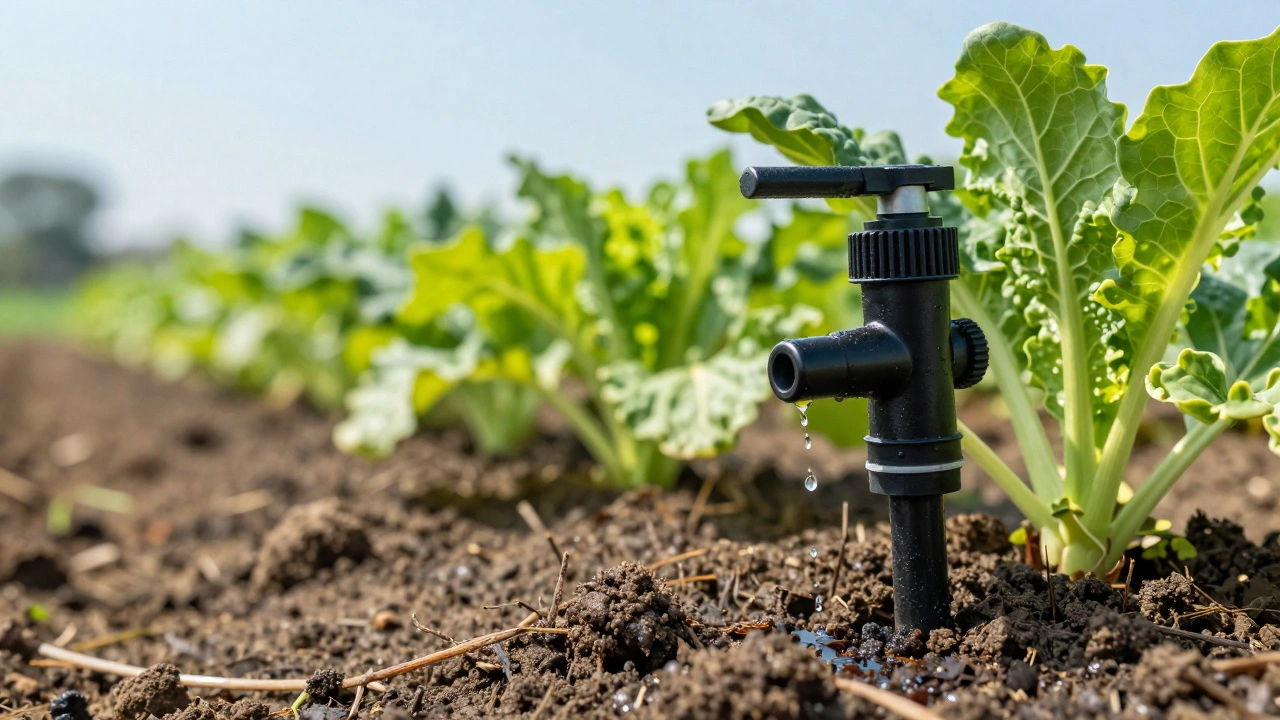
To understand the percentage of water lost, we first have to talk about efficiency. In the world of agriculture, efficiency is the ratio of water used by the plant to the total water applied. A perfectly efficient system would have 0% loss. In reality, drip irrigation usually hits a sweet spot of 90% to 95% efficiency. This means if you pump 1,000 gallons of water through your lines, about 900 to 950 gallons actually do the work of hydrating your crops. The remaining 50 to 100 gallons-the 5% to 10% loss-is where the "waste" happens. For a home gardener, this might seem negligible, but for a commercial farm using millions of gallons, that 5% gap represents a significant amount of resource management. Why is the loss so low? Because the water is delivered directly to the root zone. By bypassing the leaves and the open air, you eliminate the massive losses associated with wind drift and surface evaporation that plague sprinkler irrigation systems.Where Does the Water Go? The Main Culprits of Loss
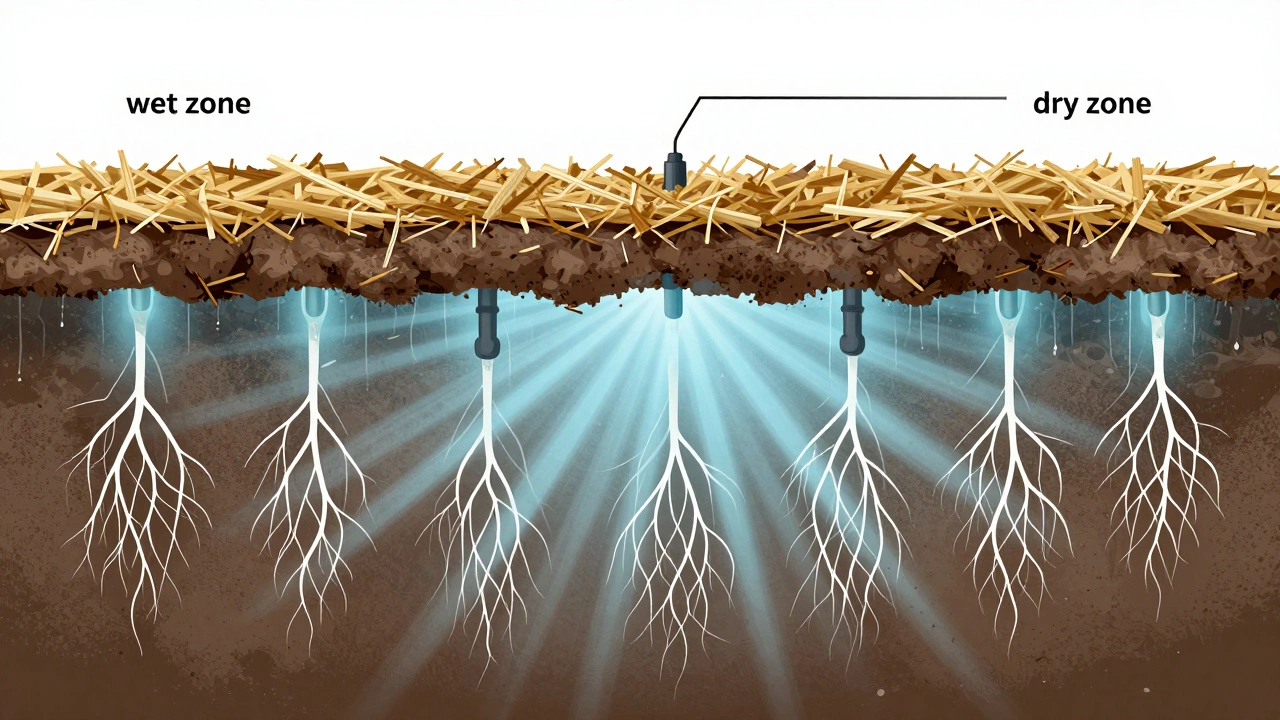
If the water isn't reaching the roots, where is it going? It doesn't just vanish; it follows the laws of physics. There are three primary ways water escapes a drip system. First, there is surface evaporation. Even though the water is applied at the soil level, some of it still evaporates from the top layer of dirt before it can sink in. This is especially true in hot, windy climates. If you leave your emitters on the surface, you'll lose more than if you use subsurface drip irrigation, where the lines are buried several inches underground. Second, we have deep percolation. This happens when you apply water faster than the soil can absorb it or more than the roots can reach. The water sinks deep into the earth, passing the root zone entirely and heading toward the water table. If you have sandy soil, this happens much faster because sand doesn't hold onto water as well as clay does. Lastly, there are system leaks. A tiny pinhole in a polyethylene tube might look like nothing, but over 24 hours, it can leak liters of water into the soil in a place where no plant exists. These "invisible" losses are often the biggest contributors to that 5-10% waste figure in older or poorly maintained systems.| Irrigation Method | Typical Efficiency | Average Water Loss % | Primary Loss Cause |
|---|---|---|---|
| Surface/Flood Irrigation | 50% - 60% | 40% - 50% | Runoff & Evaporation |
| Sprinklers | 70% - 85% | 15% - 30% | Wind Drift & Evaporation |
| Drip Irrigation | 90% - 95% | 5% - 10% | Leaks & Percolation |
The Role of Soil Texture in Water Waste
Not all soil handles water the same way, and this directly impacts your loss percentage. If you are working with sandy soil, water moves vertically very quickly. This can lead to high percolation loss, where the water essentially "falls" through the soil before the plant can grab it. To fight this, growers often use pulsed irrigation-watering for short bursts several times a day rather than one long soak. This keeps the water in the upper root zone longer. On the other hand, heavy clay soil holds water tightly. While this reduces deep percolation, it can lead to surface runoff if the emitter flow rate is too high. If the water pools on the surface, it begins to evaporate rapidly, increasing your loss percentage. The key to hitting that 95% efficiency mark is matching your emitter flow rate (measured in gallons per hour or liters per hour) to the infiltration rate of your specific soil.How to Spot and Stop Irrigation Leaks
Since system failure is a primary cause of water loss, you need a way to catch it. A system that was 95% efficient on day one can drop to 70% efficiency in three years if lines crack or emitters clog. One of the best ways to find leaks is to monitor your water meter. If you see the meter spinning while the system is supposed to be off, you have a leak. For a more visual approach, look for "wet spots" in the soil where there are no emitters. These are often signs of a subterranean leak in the main poly-pipe. Another common issue is the "clogged emitter." While a clog doesn't cause water loss in the sense of wasting water into the ground, it creates a distribution loss. The plant at the end of the line gets nothing, while the plant at the start gets too much. This inefficiency forces you to run the system longer to ensure the furthest plants are hydrated, which in turn increases the water loss for the rest of the garden.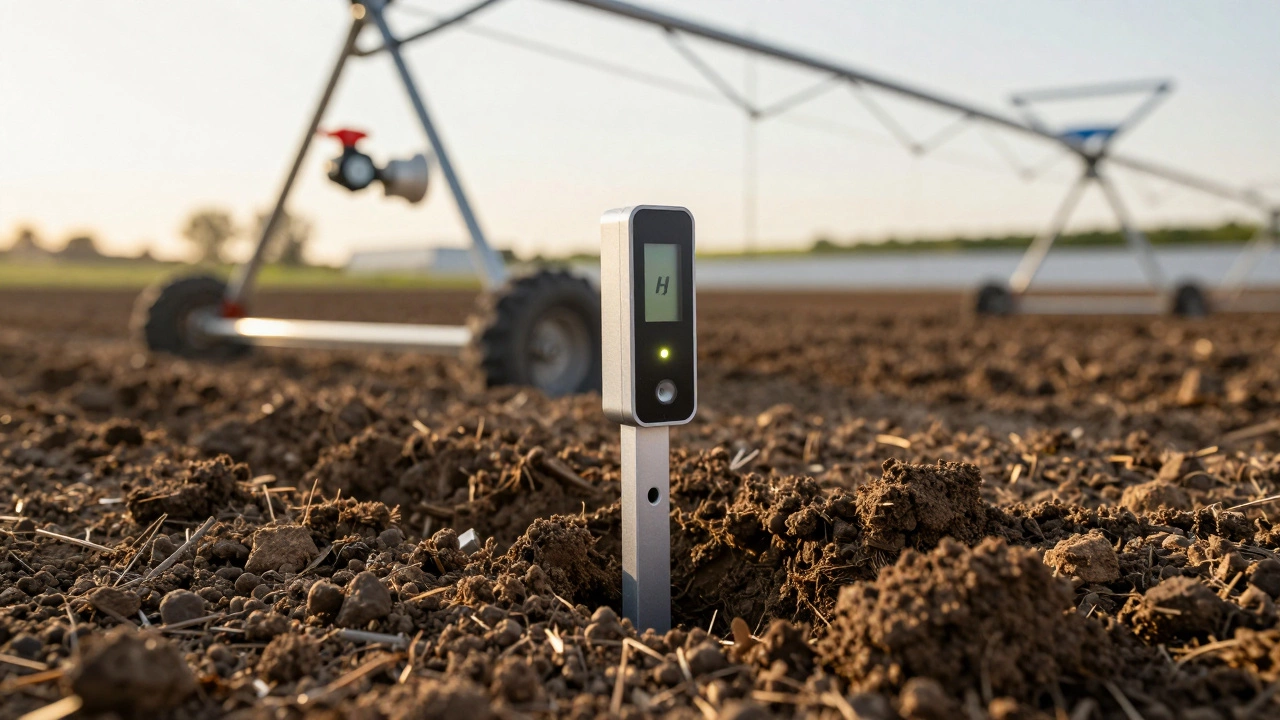
Advanced Strategies for Zero-Waste Goals
If you want to push your efficiency even higher, you can integrate soil moisture sensors. These devices measure the volumetric water content of the soil in real-time. Instead of watering on a timer (which doesn't account for rain or humidity), the sensors tell the system to turn on only when the soil reaches a specific dryness threshold. Adding a layer of organic mulch, like wood chips or straw, over your drip lines is another pro move. Mulch acts as a physical barrier that stops surface evaporation. In some trials, mulching a drip system has been shown to reduce the remaining 5-10% loss by nearly half, bringing the efficiency even closer to a perfect 100%. Combine this with pressure regulators. If your water pressure is too high, emitters can "mist" or leak at the joints. A regulator ensures the water enters the system at a steady, low pressure, preventing blowouts and ensuring every drop goes exactly where it is intended.Is drip irrigation always better than sprinklers?
In terms of water loss, yes. Sprinklers lose significant amounts of water to wind and evaporation before the water even hits the ground. Drip irrigation delivers water directly to the root zone, which is why it's far more efficient. However, sprinklers are still better for large lawns or very dense groundcovers where installing individual drip lines would be impractical.
Can I lose more than 10% of water in a drip system?
Absolutely. If your system has leaks, cracks, or incorrectly sized emitters for your soil type, your water loss can spike. Poorly maintained systems with clogged emitters or burst pipes can easily lose 20% to 30% of their water, erasing the benefits of the technology.
Does water type affect drip irrigation efficiency?
Yes. Hard water containing high levels of calcium or magnesium can cause mineral buildup inside the emitters. This leads to clogging, which disrupts the uniform delivery of water. This doesn't necessarily increase "lost" water, but it creates an efficiency gap where some plants are underwatered and others are overwatered.
How do I calculate my own water loss?
You can estimate it by comparing the total water used (from your meter) against the known needs of your plants. However, a more practical way is to check for surface runoff and deep percolation. If you see water pooling on the surface or if the soil is saturated 2 feet below the root zone, you are losing water to inefficiency.
Does subsurface drip irrigation reduce loss further?
Yes, it does. By burying the lines, you almost completely eliminate surface evaporation. This is the most efficient form of irrigation available, often pushing efficiency ratings above 95% because the water is delivered directly into the soil profile.