High-Demand Crop Profit Estimator
Configuration
Projected Analysis
Please select a crop and enter your details to see profitability estimates.
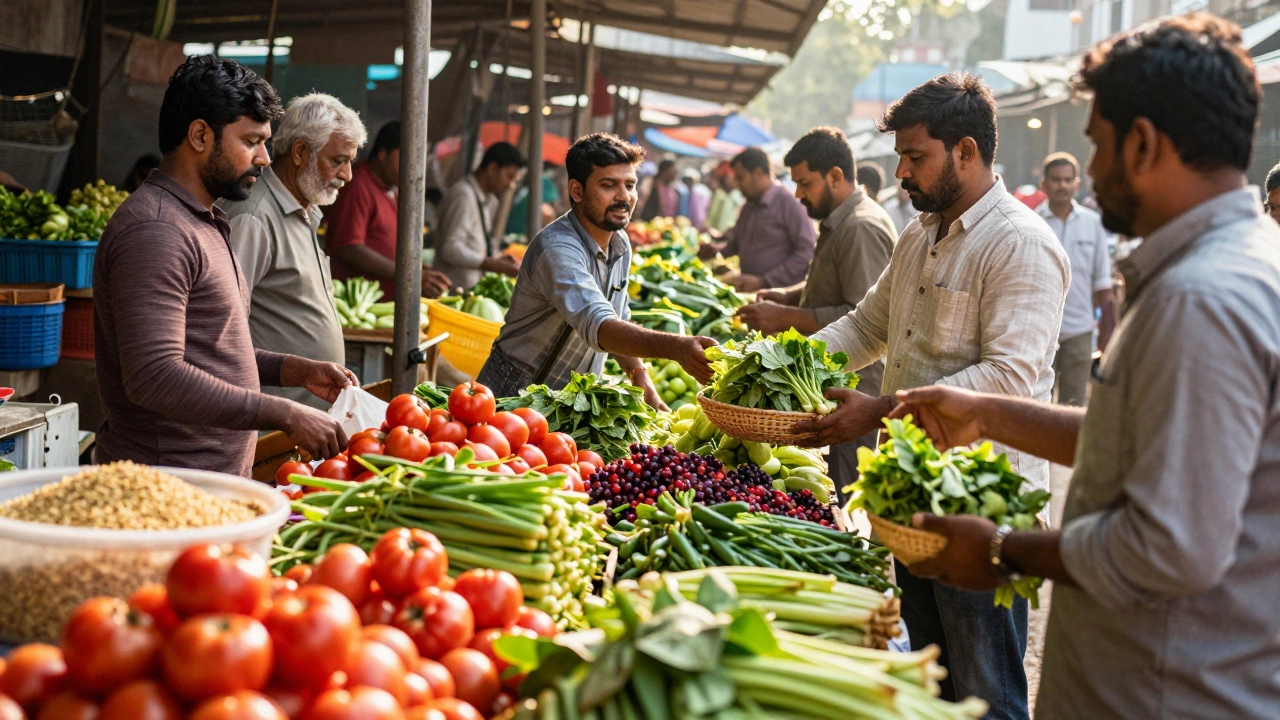
Walking through a bustling wholesale market in Nashik or Krishnagar, you notice something interesting. The stalls overflowing with fresh tomatoes, leafy greens, and exotic berries are often more crowded than those selling traditional grains. Why? Because while rice and wheat fill bellies, high-value vegetables fill wallets. For farmers and serious gardeners across the subcontinent, the question isn't just what grows best in your soil, but what sells fastest at the highest margin.
In 2026, the Indian agricultural landscape is shifting. Urbanization is shrinking farmland, but it is also creating a massive middle class that demands fresh, nutritious, and often organic produce year-round. If you are looking to plant seeds that pay off, you need to look beyond the staples. The real money lies in crops that bridge the gap between local availability and rising consumer health consciousness.
The Rise of Leafy Greens and Microgreens
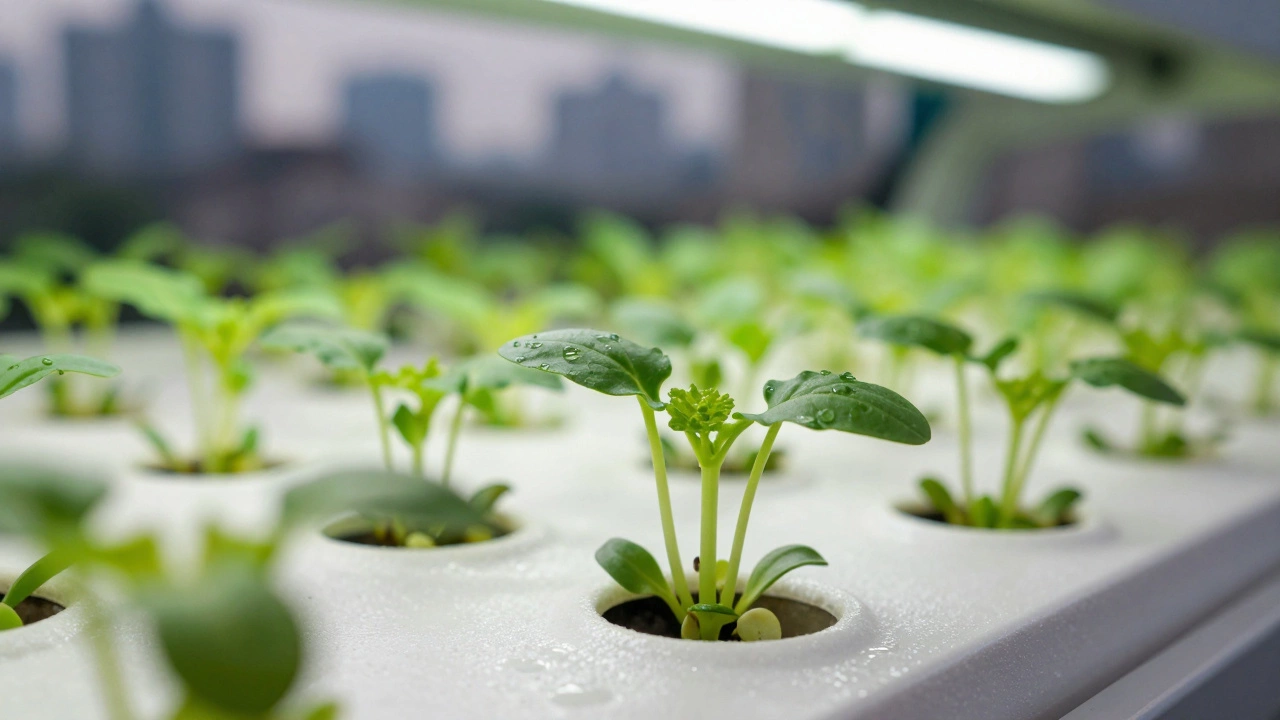
If there is one category exploding in demand right now, it is leafy greens. Methi (Fenugreek), a nutrient-dense herb used extensively in Indian cooking and medicine is no longer just a winter crop. With hydroponic techniques becoming accessible to smallholders, Methi can be harvested in as little as 15 days. This rapid turnaround means cash flow comes back quickly, unlike seasonal crops that take months to mature.
Alongside Methi, Palak (Spinach) and Amaranth are seeing steady growth. Consumers in metro cities like Mumbai, Bangalore, and Delhi are increasingly wary of pesticide residues. This fear has created a premium market for organic spinach. You don't need acres of land to grow this; even terrace gardens in urban apartments are turning into mini-farms supplying local neighborhoods. The key here is freshness. If you can deliver the greens within hours of harvest, you command a significantly higher price than the wilted bunches found in distant supermarkets.
| Crop | Growth Cycle | Water Requirement | Market Potential |
|---|---|---|---|
| Methi | 15-20 days | Low (Hydroponic) | Very High (Year-round) |
| Palak | 30-40 days | Medium | High (Organic Premium) |
| Amaranth | 25-35 days | Low | Medium (Niche Health Market) |
Exotic Vegetables: The New Status Symbol
As Indian palates evolve, so does the shopping list. Exotic vegetables are no longer reserved for five-star hotel kitchens. Home cooks are experimenting with Broccoli, a cruciferous vegetable rich in vitamins C and K, Cauliflower variants, and Baby Corn. These crops require specific climatic conditions, which limits supply and keeps prices attractive for growers who can manage them.
Consider broccoli. It thrives in cooler temperatures, making regions like Himachal Pradesh, Uttarakhand, and parts of Maharashtra ideal candidates. However, with controlled environment agriculture (greenhouses), you can grow broccoli in warmer zones too. The challenge is not growing it, but maintaining quality during transport. Broccoli bruises easily. Farmers who invest in basic cold chain logistics or sell directly to local restaurants find themselves with zero waste and maximum profit. Similarly, baby corn is a labor-intensive crop because each cob must be hand-picked at a precise stage of maturity. This labor barrier protects margins, ensuring that only dedicated growers enter this space.
The Berry Boom: Strawberries and Beyond
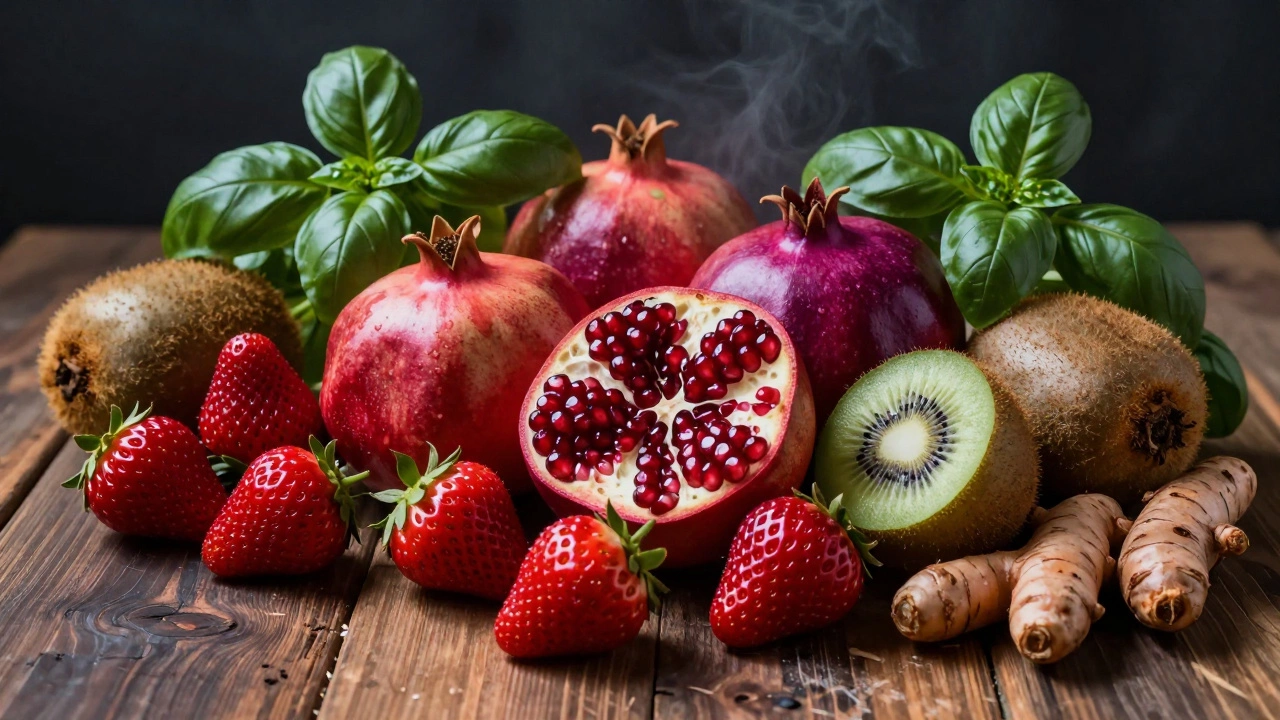
Fruits are taking center stage in the high-demand conversation. Strawberries, a sweet red fruit popular in desserts and juices have become a cultural phenomenon in states like Karnataka and Himachal Pradesh. But it's not just about eating them raw. The demand for strawberry-based products-jams, wines, and juices-is pushing farmers to expand cultivation areas. In 2026, we are seeing a shift towards hybrid varieties that resist fungal diseases, reducing the need for chemical fungicides.
Beyond strawberries, Pomegranate remains a king in arid regions. Its long shelf life and medicinal properties make it a safe bet for farmers dealing with erratic rainfall. Meanwhile, Kiwi is emerging as a surprise contender. Traditionally associated with New Zealand, kiwi orchards are now being established in the Himalayan foothills. The initial investment is high, and the trees take three years to bear fruit, but once established, they provide consistent yields for decades. For those willing to play the long game, kiwi offers stability in an otherwise volatile market.
Herbs and Medicinal Plants: Small Footprint, Big Returns
You don't always need bulk to make money. Herbs occupy minimal space but carry immense value per kilogram. Basil (Tulsi), a sacred plant in Hinduism known for its immune-boosting properties, Mint (Pudina), and Coriander (Dhania) are daily essentials in almost every Indian household. Their demand is inelastic; people buy them regardless of economic fluctuations.
However, the real opportunity lies in medicinal herbs. Ashwagandha and Turmeric (Haldi) are experiencing a global resurgence due to the wellness trend. Export markets in Europe and North America are paying premium prices for organic, certified turmeric with high curcumin content. If you live in a region with suitable soil-like Tamil Nadu or Kerala-you can tap into this export pipeline. The catch? Certification. Getting organic certification takes time and paperwork, but it unlocks doors to international buyers who pay triple the local rate.
Challenges and How to Overcome Them
It’s not all sunshine and harvests. Growing high-demand crops comes with risks. Pests love tender leaves. Aphids will decimate a broccoli field overnight if left unchecked. That’s why integrated pest management (IPM) is crucial. Instead of spraying chemicals blindly, use neem oil traps and encourage natural predators like ladybugs. This approach might seem slower, but it preserves soil health and allows you to label your produce as 'eco-friendly,' which adds value.
Another hurdle is market access. Many farmers grow great crops but lose money because middlemen dictate prices. Direct-to-consumer models are changing this. Platforms connecting farmers directly to urban consumers are gaining traction. By joining these networks or setting up your own WhatsApp group for regular deliveries, you cut out the middleman. You keep more profit, and the customer gets fresher food. It’s a win-win.
Future Trends: What’s Next?
Looking ahead, climate resilience will define success. Drought-resistant varieties of millets are being revived not just for nutrition but for their hardiness. As water scarcity becomes a pressing issue, crops that thrive on less water will become increasingly valuable. Additionally, vertical farming technology is trickling down from commercial enterprises to individual growers. Imagine stacking layers of lettuce in a garage using LED lights. This method uses 90% less water and eliminates weather dependency. While the setup cost is higher, the yield per square foot is unmatched.
The future belongs to those who adapt. Whether you are tending a backyard plot in Pune or managing a hectare in Punjab, understanding market dynamics is as important as understanding soil pH. Focus on quality, build direct relationships with buyers, and diversify your crops to spread risk. The ground is fertile for innovation-if you’re willing to dig deep.
Which vegetable is most profitable in India right now?
Currently, exotic vegetables like broccoli and baby corn, along with organic leafy greens such as methi and palak, offer the highest profit margins. Their short growth cycles and high demand in urban centers allow for quick turnover and premium pricing, especially when sold through direct-to-consumer channels.
Can I grow high-demand crops in a small backyard?
Absolutely. Herbs like mint, coriander, and basil, as well as microgreens and cherry tomatoes, are perfect for small spaces. Using container gardening or vertical trellises maximizes yield. These crops have high turnover rates and strong local demand, making them ideal for urban homesteaders.
Is organic farming worth the extra effort?
Yes, especially for high-value crops. Consumers are willing to pay a 20-50% premium for certified organic produce. While organic methods may require more manual labor for weed and pest control, the reduced input costs for fertilizers and pesticides, combined with higher selling prices, often result in better net profits over time.
How do I sell my crops without relying on middlemen?
Start by building a local network. Use social media platforms like WhatsApp and Instagram to showcase your fresh produce. Partner with local restaurants or community-supported agriculture (CSA) programs. Direct sales eliminate commission fees and ensure you retain the majority of the revenue.
What are the best crops for drought-prone areas in India?
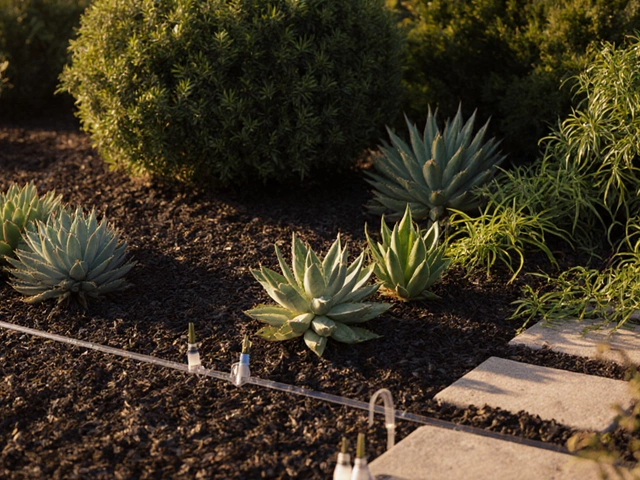
Millets, pomegranates, and certain varieties of guar gum are excellent choices for arid regions. These crops are naturally resilient to low water availability. Additionally, adopting drip irrigation systems can significantly reduce water usage for other crops, making them viable even in dry climates.