Soil Tilling Tool Selector
Tool Name
Description goes here.
Tip text goes here.
You’ve got a patch of earth that looks like concrete. It’s hard, clumpy, and probably full of weeds you didn’t ask for. You want to plant tomatoes or maybe just lay down some neat lawn grass, but first, you need to break that ground up. The question isn't just about getting the job done; it's about choosing the right tool so you don't end up with back pain or a broken machine by July. When people ask what tool do you use to till soil, they are usually looking for the balance between effort, cost, and how much ground they actually have to cover.
Before we get into the heavy machinery, let’s talk about why you’re even doing this. Tilling breaks up compacted soil, mixes in organic matter like compost, and buries weed seeds deep enough that they might not sprout. But here is the thing: you don’t always need a gas-powered beast to do it. In fact, for most home gardens, less power often means better results. I remember trying to use a massive industrial tiller on my small backyard plot a few years ago. It ate the top layer of good soil and left me with a mess. Sometimes, the simplest tool is the smartest one.
What is the best tool for tilling a small garden?
For small gardens under 50 square meters, a manual broadfork or a hand cultivator is often best. They break up compaction without destroying soil structure.
The Manual Approach: Hands-On and Gentle
If your plot is smaller than a tennis court, start here. Manual tools are cheap, quiet, and zero-emission. More importantly, they give you total control. You can feel when you hit a rock or a root, which prevents damage to your equipment and the soil ecosystem.
The Broadfork is a long-handled tool with several wide tines used to aerate soil without turning it over. Think of it as a giant pitchfork. You step on the crossbar, pushing the tines deep into the ground, then lean back to lever the soil upward. This doesn't mix the layers (which is actually good, as it keeps worms and nutrients where they belong), but it relieves compaction incredibly well. If you have clay-heavy soil, this is your best friend.
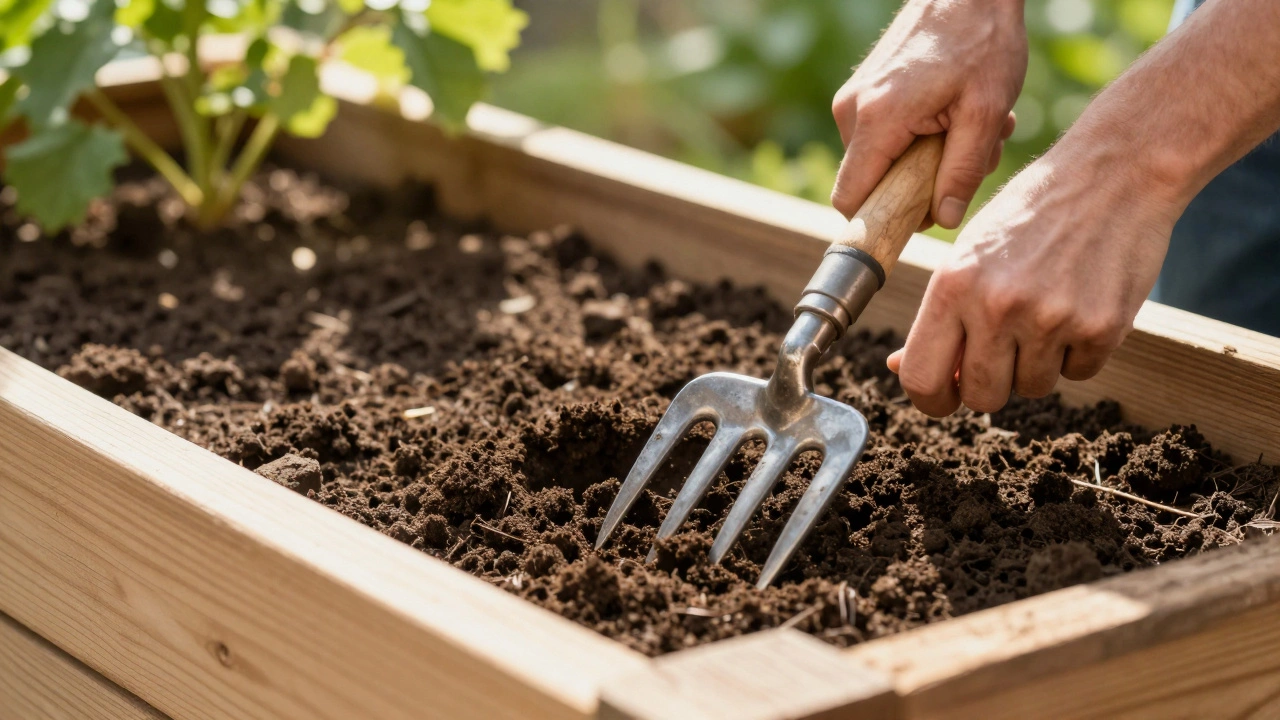
For breaking up surface crusts or mixing in fertilizer, a Garden Fork is a versatile hand tool with four tines used for digging and lifting soil. It’s the classic choice. Grab a sturdy fork with a wooden or fiberglass handle, dig in, and twist. It takes more sweat, but you’ll burn calories and get a workout. If you’re dealing with a raised bed, a Hand Cultivator is a three-pronged handheld tool for loosening topsoil and removing weeds. It’s perfect for quick touch-ups between rows of veggies.
- Pros: No fuel costs, no maintenance, preserves soil biology, cheap.
- Cons: Physically demanding, slow for large areas, difficult in rocky soil.
Electric Power: The Middle Ground
So, you have a bigger yard. Maybe 100 to 200 square meters. You don’t want to spend all weekend sweating with a fork, but you also don’t want the hassle of starting a gas engine every time you go out. Enter electric tillers. These machines have exploded in popularity because battery technology has finally caught up with gardening needs.
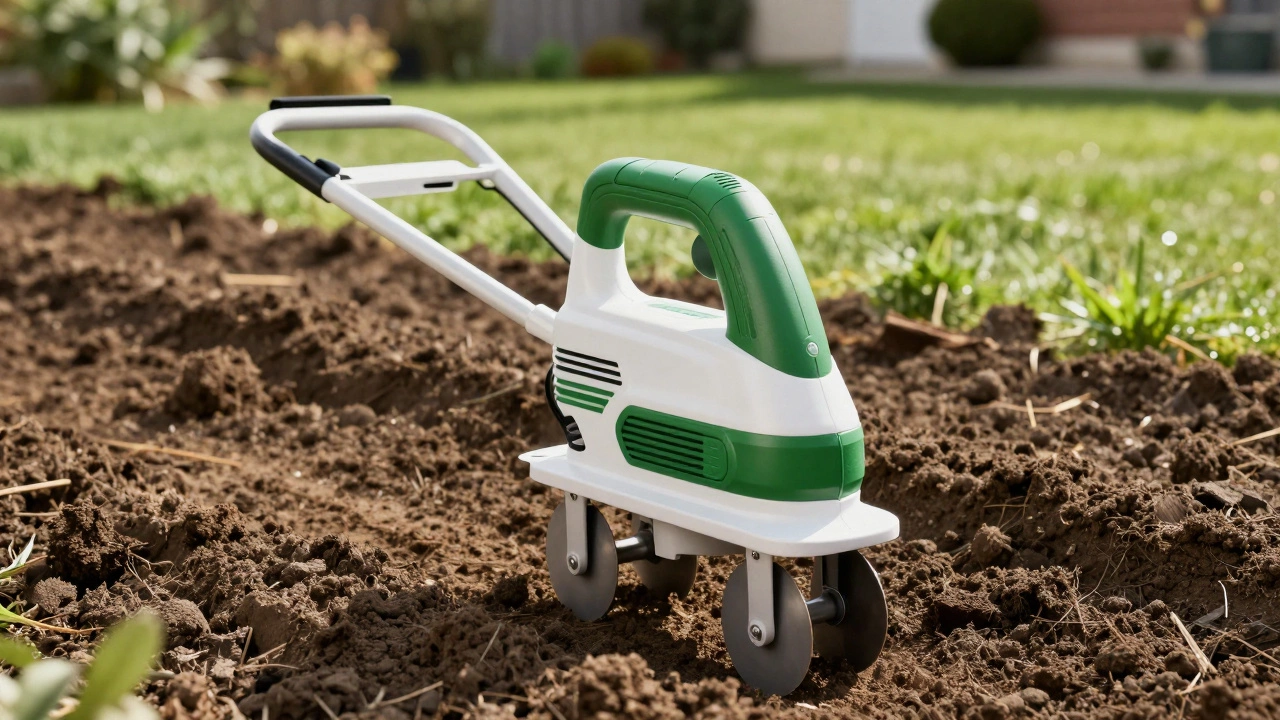
An Cordless Electric Tiller is a battery-powered garden tool that uses rotating tines to churn soil. Most modern models run on 40V or 60V batteries. They are lightweight-often under 20 kilograms-and surprisingly powerful for soft to medium soil. Brands like Greenworks and Ryobi make units that can handle established gardens if you prep the ground first (like using a broadfork to loosen it).
The beauty of electric tillers is the instant torque. You press the button, and the blades spin. There’s no pulling a cord until it coughs to life. Plus, they are silent compared to their gas cousins. Your neighbors will thank you. However, watch your battery life. If you have tough clay soil, you might drain a 40V battery in an hour. Keep a spare charged up.
One interesting side note on finding reliable information online: sometimes you stumble upon directories that seem completely unrelated to gardening. For instance, while researching local service providers in other regions, I came across this directory which lists verified profiles in Almaty. It’s a reminder that the internet is vast, but for our purposes, stick to reputable garden tool retailers to avoid scams.
- Pros: Lightweight, easy start, low noise, low vibration.
- Cons: Limited runtime, struggles with very hard or rocky soil, battery cost.
Gas-Powered Tillers: Heavy Duty Work
Now, if you are looking at breaking new ground-like converting a lawn into a vegetable patch or clearing a field-you need muscle. Gas-powered tillers are the workhorses of the garden world. They come in two main flavors: front-tine and rear-tine.
A Front-Tine Tiller is a lighter gas tiller where the tines are located in front of the engine. You push them forward, and the tines pull the machine along. They are cheaper and easier to maneuver in tight spaces. But here’s the catch: they can be jerky and hard to control. If you hit a rock, the whole machine might lurch toward you. They are good for maintaining existing beds, not necessarily for breaking virgin soil.
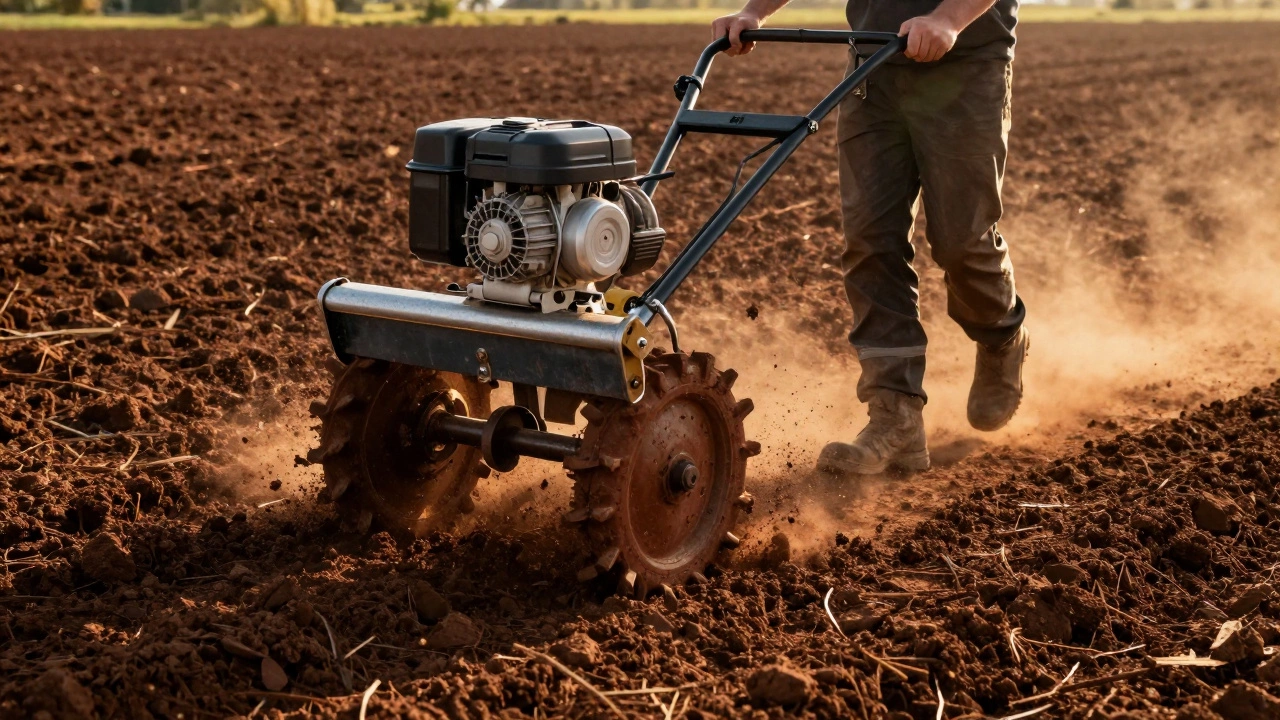
A Rear-Tine Tiller is a heavy-duty tiller with tines behind the engine, often featuring self-propelled wheels. This is the real deal. The wheels drive the machine forward, and the tines dig behind. Many rear-tine models have reversible tines, allowing you to reverse the rotation direction. This lets you pull the tiller backward, which gives you incredible control and prevents rocks from being flung at your shins. They are expensive, heavy, and require regular oil changes and spark plug swaps, but they will eat through clay like it’s cake.
| Feature | Manual Broadfork | Electric Tiller | Gas Rear-Tine Tiller |
|---|---|---|---|
| Best For | Small beds, aeration | Medium gardens, maintenance | New ground, large areas |
| Effort Level | High | Low | Low (machine does work) |
| Noise | Silent | Quiet | Loud |
| Cost | $ | $$ | $$$ |
How to Choose the Right Tool for Your Soil Type
Not all soil is created equal. The tool you pick depends heavily on what’s under your feet. If you live in Auckland, like I do, you might deal with volcanic ash soil, which is loose and easy to work. Others face dense red clay or sandy dunes. Here is how to match the tool to the terrain.
Sandy Soil: This is the easiest type to till. It drains well and doesn’t compact easily. A simple garden fork or a light electric tiller will suffice. You don’t need heavy horsepower here. Over-tilling sandy soil can actually cause it to blow away, so go gentle.
Clay Soil: Clay is sticky, heavy, and holds water. When dry, it’s like brick. When wet, it’s like glue. Never till clay when it’s wet-it will form massive clods that take weeks to dry out. Wait until the soil is moist but not muddy. Use a rear-tine gas tiller to break it up. Add plenty of compost before tilling to help improve the structure. If you only have a small area, a broadfork is essential to aerate it without creating clods.
Loam Soil: This is the gold standard. It’s a mix of sand, silt, and clay. It’s crumbly and dark. Almost any tool works here. An electric tiller is perfect for maintaining loam. It stays loose and productive with minimal effort.
Common Mistakes to Avoid
I’ve seen many gardeners ruin their soil by tilling incorrectly. Here are the biggest pitfalls.
- Tilling Wet Soil: This is the cardinal sin. Wet soil compresses further when worked, destroying its structure. Always check the moisture level. Squeeze a handful; if it sticks together in a ball, wait. If it crumbles, you’re good.
- Tilling Too Deep: Most garden plants have roots in the top 15-20 cm. Tilling deeper than that brings up subsoil, which is poor in nutrients and full of weed seeds. Stick to shallow passes unless you are planting trees.
- Ignoring Safety: Tillers throw rocks. Wear steel-toed boots and safety glasses. Keep children and pets far away. The tines are sharp and powerful.
- Over-Tilling: Every time you turn the soil, you kill beneficial fungi and bacteria. Try to till only once a year, or switch to no-dig methods after the initial preparation. Mulch instead of tilling in subsequent seasons.
Maintenance Tips for Longevity
Whether you buy a $50 fork or a $1,000 tiller, maintenance matters. For manual tools, keep the metal parts oiled to prevent rust. Sharpen the tines occasionally if they get dull. For electric and gas tillers, clean the tines after every use. Mud buildup adds weight and strains the motor. Check the oil levels in gas engines before each season. Store batteries in a cool, dry place, not fully discharged. A little care now saves hundreds in repairs later.
Can I use a rototiller on concrete?
No. Rototillers are designed for soil. Hitting concrete will break the tines and damage the gearbox instantly.
How often should I till my garden?
Ideally, only once a year in early spring or fall. Frequent tilling harms soil health. Consider no-dig methods after initial setup.
Is a cultivator different from a tiller?
Yes. Cultivators are lighter and shallower, meant for weeding and mixing. Tillers are heavier and deeper, meant for breaking new ground.
What depth should I till for vegetables?
Most vegetables need 15-20 cm of loose soil. Root crops like carrots may benefit from slightly deeper loosening.
Are electric tillers powerful enough?
For established gardens, yes. For breaking virgin clay soil, a gas rear-tine tiller is still superior.