Raised Bed Plant Suitability Checker
Recommendation:
There is nothing quite as satisfying as biting into a tomato you grew yourself. But if you are setting up a raised garden bed is a contained planting area built above ground level, often used for better soil control and drainage on your balcony or backyard, you might be tempted to plant anything that comes to mind. Stop right there. Not every plant thrives in confined spaces. In fact, planting the wrong crops can lead to stunted growth, wasted money, and a lot of frustration.
Many beginners make the mistake of treating raised beds like infinite ground space. They aren't. Raised beds have specific limitations regarding root depth, water retention, and structural weight. If you ignore these constraints, your harvest will suffer. So, before you dig in, let’s look at exactly what should stay out of your raised beds, especially if you are working with limited space like a balcony setup.
The Heavy Hitters: Trees and Large Shrubs
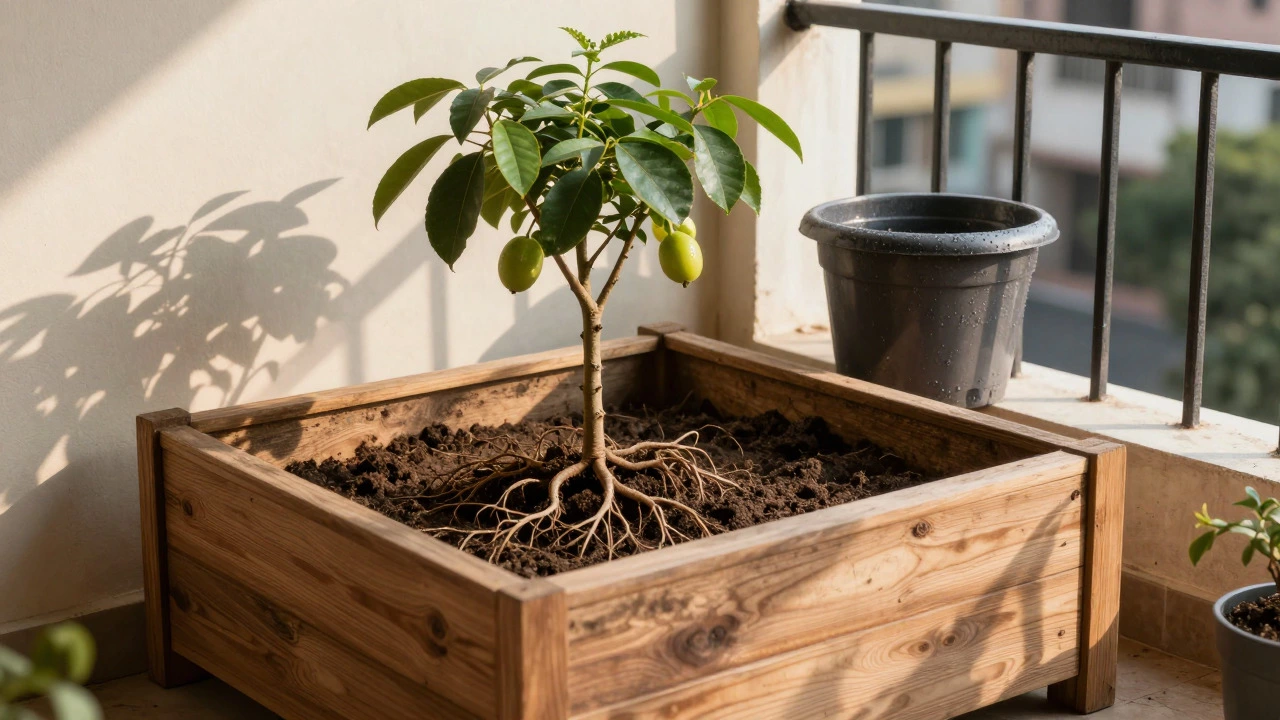
Your first rule of thumb is size matters. A standard raised bed is usually between 6 to 12 inches deep, sometimes up to 18 inches. This is plenty for carrots and lettuce, but it is a prison for trees. Do not try to grow fruit trees like apples, pears, or even dwarf citrus varieties in a standard box unless you are using specialized container systems designed specifically for them.
Trees need extensive root systems to anchor themselves against wind and to search for nutrients over a wide area. In a raised bed, roots hit the sides and bottom quickly, leading to girdling roots that strangle the tree. Plus, consider the weight. A mature shrub or small tree with wet soil can weigh hundreds of kilograms. If you are on a balcony, this poses a serious structural risk. Stick to herbs and annuals; leave the woody perennials for the ground or heavy-duty pots rated for that load.
Deep-Rooted Vegetables That Need Elbow Room
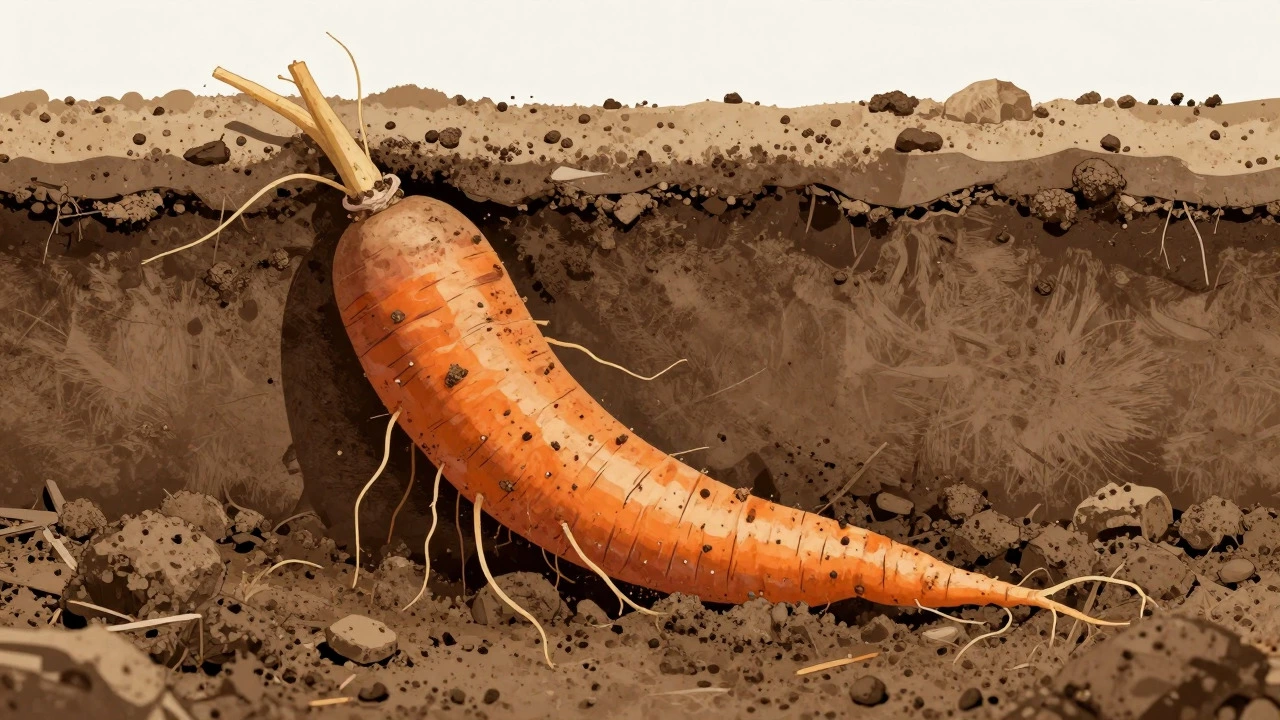
While many vegetables love raised beds, some require more vertical space than a typical box provides. If your bed is only 6 inches deep, forget about growing full-sized sweet potatoes or long-rooted carrot varieties like Nantes. These crops send taproots down several feet in native soil. In a shallow bed, they hit the bottom and deform, resulting in forked, tiny, or inedible produce.
You might think, "I'll just build a deeper bed." That works for one crop, but it makes companion planting difficult. Imagine trying to grow shallow-rooted radishes alongside deep-rooted parsnips in an 18-inch bed. The watering needs clash. The parsnips need consistent moisture deep down, while radishes rot if the surface stays too wet. It is better to dedicate separate containers or ground plots for these deep-feeders rather than cramming them into a mixed raised bed.
Crops That Spread Too Aggressively
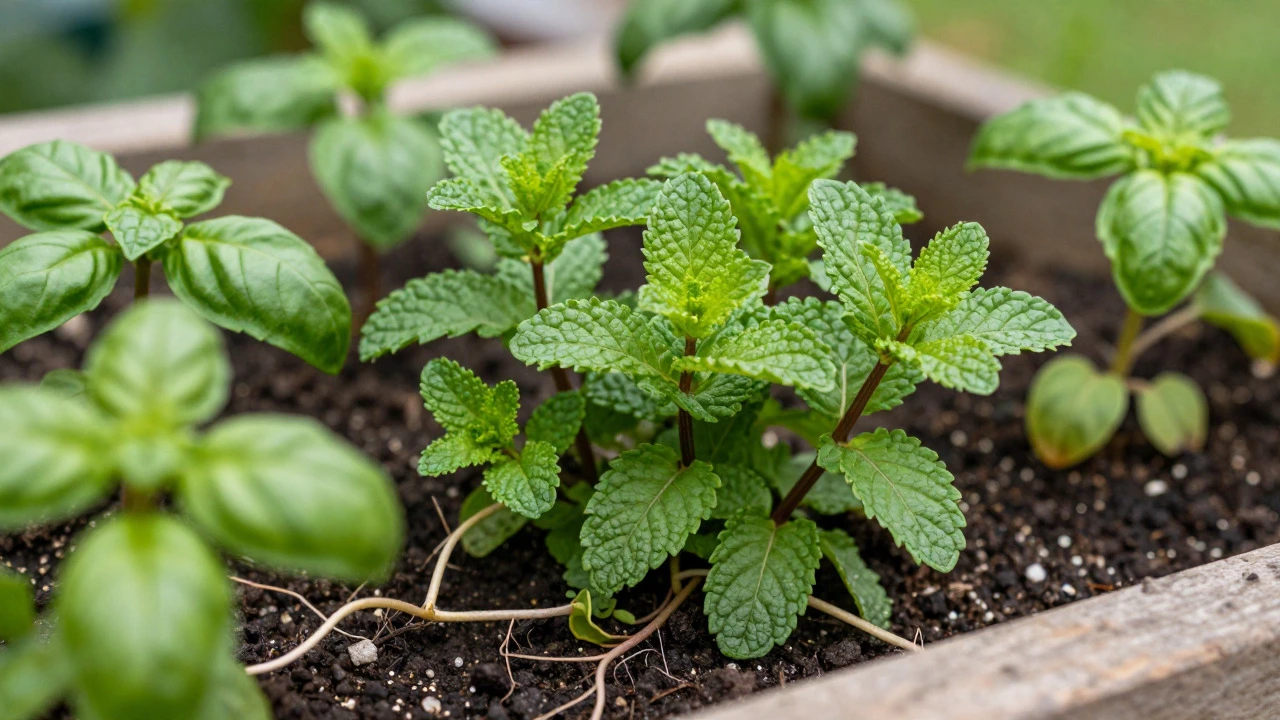
Raised beds are defined by their edges. This containment is great for organization but terrible for runners. Plants like strawberries (specifically June-bearing types), mint, and creeping thyme are notorious spreaders. In open ground, they colonize slowly. In a raised bed, they take over everything within weeks.
Mint is the classic example. If you plant mint in a shared raised bed, its rhizomes will shoot under the soil barriers and choke out your basil, tomatoes, and peppers. It becomes a monoculture nightmare. While you *can* grow these plants, they demand their own isolated containers or strict physical barriers within the bed. Otherwise, you spend more time weeding your own garden than enjoying it.
| Plant Type | Why Avoid in Standard Raised Beds? | Better Alternative |
|---|---|---|
| Fruit Trees | Root binding, structural weight, wind instability | Dwarf varieties in large, weighted pots |
| Sweet Potatoes | Requires 12+ inches of loose soil for tuber expansion | Garden ground or very deep troughs |
| Mint | Invasive rhizomes choke other plants | Isolated hanging baskets or individual pots |
| Grass Lawns | High maintenance, shallow roots dry out fast | Ground cover plants like clover |
| Large Squash | Vines spread 10+ feet, needing horizontal space | Vertical trellising with bush varieties |
Water-Thirsty Giants: Corn and Pumpkins
Think about how much water a corn stalk drinks. Corn is a heavy feeder and a thirsty drinker. It requires consistent, deep moisture to develop kernels. Raised beds drain faster than native soil because the air circulates around the sides of the structure. Keeping a raised bed moist enough for corn means daily, heavy watering. On a hot summer day in Auckland, that water evaporates rapidly.
Pumpkins and winter squash face a different issue: space. A single pumpkin vine can sprawl across 20 square meters. In a raised bed, the vines hang off the edges, looking messy and risking fruit rot if they touch damp soil below. While you can train them vertically, it requires robust trellising that most standard raised bed frames cannot support without modification. Bush varieties of beans or peas are much smarter choices for the same footprint.
Perennials That Don't Transplant Well
Raised beds are fantastic for annuals-plants that complete their life cycle in one season. However, many perennial flowers and herbs struggle when moved or confined. Asparagus, for instance, takes three years to establish. In a raised bed, the soil temperature fluctuates more wildly than in the ground. This stress can delay establishment further. Additionally, asparagus crowns need deep, undisturbed soil. Every time you refresh your raised bed soil (which you should do annually for optimal nutrition), you risk damaging those delicate roots.
Similarly, rhubarb is a massive plant with huge leaves and thick roots. It dominates any space it occupies. In a small balcony raised bed, one rhubarb plant will block sunlight from reaching everything else. Save these long-term investments for permanent garden beds where they won't compete with your quick-growing salad greens.
Why Soil Quality Changes Everything
The reason some plants fail in raised beds isn't just space; it's the soil composition. Native soil has layers of clay, sand, and organic matter that retain nutrients and water differently. Raised beds rely entirely on the mix you put in. If you use cheap potting mix without adequate compost, nutrient leaching happens fast due to increased drainage.
Plants like kale and broccoli are heavy feeders. They strip nitrogen from the soil quickly. In a small volume of soil, this depletion happens in weeks. Without frequent fertilization, they yellow and stall. Ground soil acts as a buffer; raised bed soil does not. This means you must monitor pH and nutrient levels more closely. If you aren't prepared to amend the soil regularly, avoid heavy-feeding brassicas in favor of lighter feeders like lettuce or spinach.
Wind Exposure and Balcony Constraints
If your raised bed is on a balcony, wind is your enemy. Tall, top-heavy plants like sunflowers or un-staked tomatoes will snap in strong gusts. Raised beds offer no protection from wind tunnels created by buildings. You need sturdy, low-profile plants. Even then, the soil dries out twice as fast in windy conditions. This creates a vicious cycle: the plant stresses from wind, loses leaves, transpires less, but the soil still dries, requiring even more careful watering management.
Choose compact varieties. Look for 'determinate' tomatoes that stop growing at a certain height, rather than 'indeterminate' types that climb indefinitely. Herbs like rosemary and thyme are tough and handle wind well. Delicate flowers like zinnias or tall dahlias will likely break unless heavily supported, which defeats the purpose of easy-care container gardening.
Can I grow corn in a raised garden bed?
Technically yes, but it is challenging. Corn requires deep soil (at least 12-18 inches) and constant moisture. Because raised beds dry out faster, you would need to water daily during hot weather. Also, corn pollination requires dense blocks of plants, which takes up significant horizontal space. For most balcony or small-space growers, bush beans or dwarf corn varieties are a better choice.
Why shouldn't I plant mint in a raised bed with other vegetables?
Mint spreads via underground runners called rhizomes. These runners grow aggressively and will invade the entire root zone of your raised bed, choking out other plants by competing for water and nutrients. It is nearly impossible to remove once established. Always grow mint in its own isolated pot or container.
What is the best depth for a raised bed to grow root vegetables?
For standard carrots and radishes, 6-8 inches is sufficient. However, for longer varieties like Daikon radish or full-sized carrots, you need at least 12 inches of loose, stone-free soil. Sweet potatoes require even more depth, ideally 14-18 inches, to allow tubers to expand properly without deforming.
Are raised beds suitable for growing fruit trees?
Generally, no. Standard raised beds are too shallow and lack the structural stability for trees. Roots become bound, and the tree may fall over in wind. If you want fruit on a balcony, use large, heavy-duty pots (20+ gallons) specifically designed for dwarf fruit trees, and ensure your balcony can support the weight of wet soil and mature wood.
How often should I refill soil in a raised garden bed?
You don't need to replace all the soil every year. Instead, add 2-3 inches of fresh compost or high-quality topsoil each spring. Over time, the soil settles and nutrients deplete. Turning the existing soil and mixing in new organic matter maintains fertility and structure without the cost and effort of a total replacement.