Terrace Maintenance Scheduler
Based on today's date in the Southern Hemisphere context (Auckland example).
Pro Tip from the Guide
Watering wisdom: Deep, infrequent watering encourages strong root systems better than daily sprinkles.
You finally built it. The perfect terrace garden is sitting on your roof or balcony, looking like a scene from a magazine. But here’s the cold hard truth: a terrace isn’t just a place where plants happen to grow. It’s a complex system involving weight loads, water drainage, and structural integrity that demands attention. If you ignore the maintenance, you don’t just get dead plants; you risk leaks, cracked tiles, and a heavy, muddy mess that ruins your home’s value.
Maintenance for a terrace is different from ground-level gardening. You’re dealing with exposure to harsher winds, intense sun reflection off concrete, and limited soil volume. This guide breaks down exactly what you need to do to keep your rooftop oasis healthy and safe, without turning your weekend into a chore marathon.
The Weekly Walk-Through: Catching Problems Early
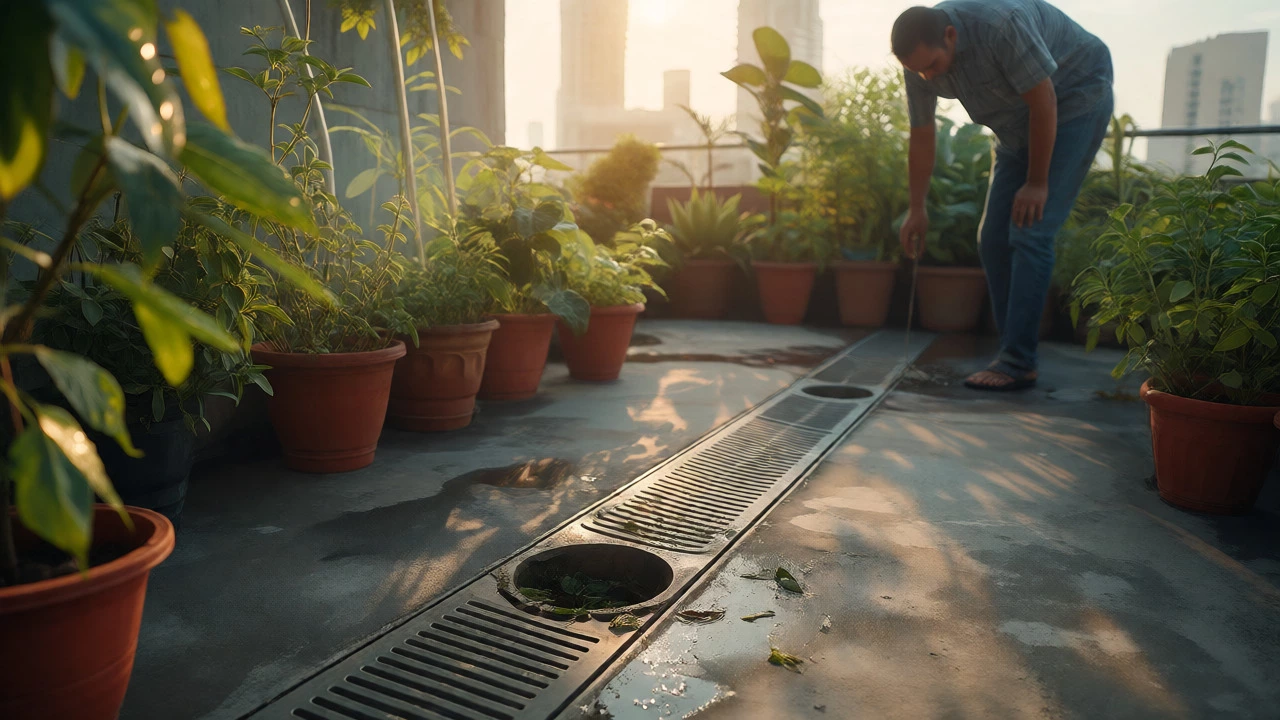
You don’t need a degree in botany to spot trouble, but you do need consistency. A quick five-minute walk-through once a week saves hours of panic later. Start by checking the drainage outlets. On a terrace, blocked drains are the number one cause of disaster. Water has nowhere to go if the scuppers or gullies are clogged with leaves and debris. In Auckland, where rain can be sudden and heavy, this is critical. If water pools on your surface, it adds massive weight load and accelerates waterproof membrane degradation.
Next, look at your plants. Are they wilting despite being watered? That might not mean they need more water; it could mean root rot from poor drainage. Check the undersides of leaves for pests like aphids or spider mites, which thrive in the dry, windy conditions often found on upper floors. Remove any yellowing or dead leaves immediately. They aren’t just ugly; they’re energy sinks for the plant and hiding spots for fungus.
Watering Wisdom: More Than Just Pouring
Watering a terrace is tricky because wind dries out pots faster than you think, but overwatering leads to runoff that stains your facade. The golden rule here is deep, infrequent watering rather than daily sprinkles. Daily sprinkles encourage shallow roots, making plants weak during heatwaves. Deep watering pushes moisture down, encouraging roots to anchor firmly.
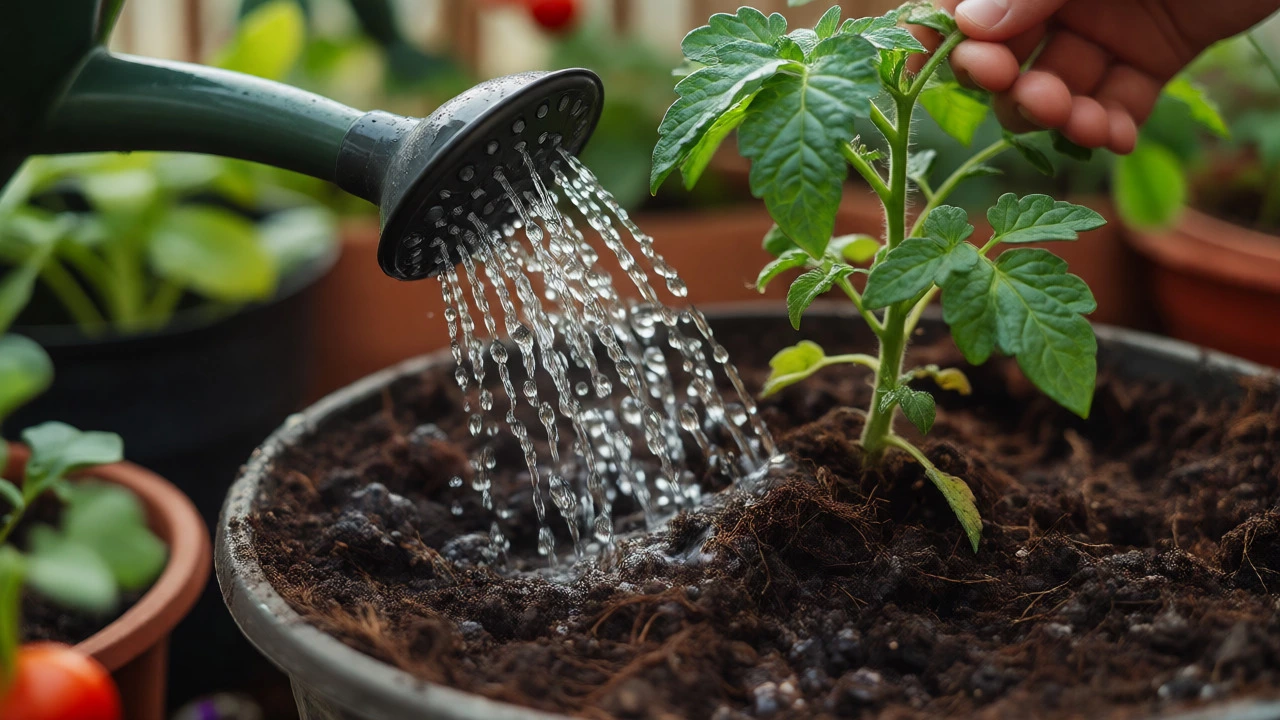
Consider installing a simple drip irrigation system. It’s cheap to set up and ensures every pot gets consistent moisture without you dragging a hose around. If you stick to manual watering, use a watering can with a rose head to break the force of the water. Direct streams wash away topsoil and compact the earth, suffocating roots. Also, always water early in the morning. Evening watering on a cool, humid night invites fungal diseases, while midday evaporation wastes half your water before it hits the soil.
Soil and Nutrition: Replenishing the Container
In-ground gardens have vast resources to draw from. Terrace pots are closed systems. The nutrients in your potting mix deplete quickly-usually within three to four months. If you don’t replenish them, your plants will starve, no matter how much you water them.
Top-dressing is the easiest way to maintain fertility. Every season, scrape off the top two inches of soil and replace it with fresh compost or worm castings. This reintroduces beneficial microbes and nutrients without disturbing the roots too much. For heavy feeders like tomatoes or roses, use a slow-release organic fertilizer granule mixed into the top layer. Avoid synthetic liquid feeds unless you’re sure about dilution rates; salt buildup in containers is a silent killer that burns roots and turns leaf tips brown.
| Season | Primary Focus | Key Actions |
|---|---|---|
| Spring (Sept-Nov) | Growth & Prep | Clean drains thoroughly, prune winter damage, refresh topsoil, start pest monitoring. |
| Summer (Dec-Feb) | Hydration & Shade | Increase watering frequency, apply mulch to retain moisture, check for heat stress. |
| Autumn (Mar-May) | Protection & Cleanup | Clear fallen leaves, reduce watering slightly, prepare tender plants for cooler nights. |
| Winter (Jun-Aug) | Structural Care | Inspect waterproofing, protect sensitive pots from frost/wind, plan next year’s layout. |
Structural Health: Waterproofing and Weight
This is the part most gardeners forget until it’s too late. Your terrace floor is likely covered by a waterproofing membrane. Over time, UV rays, foot traffic, and shifting furniture can crack or puncture this layer. Once water seeps through, it damages the concrete slab below and causes leaks inside your home.
Do a visual inspection twice a year. Look for cracks in the grout between tiles or blisters in the paint. Ensure that the slope of the floor still directs water toward the drains. If you notice standing water after rain, the slope might have settled, or the drain is partially blocked. Never drag heavy ceramic pots across the floor; lift them. Scratches in the protective coating lead to premature failure. If you use wooden decking, seal it annually to prevent rot and warping from constant moisture exposure.
Weight is another silent issue. Wet soil is significantly heavier than dry soil. A large pot filled with wet clay can weigh over 100kg. If you’re adding new features like stone benches or large trees, ensure your building’s structure can handle the extra load. When in doubt, consult a structural engineer. Don’t guess when it comes to what’s holding up your living space.
Pest Control: Small Space, Big Impact
Terraces are isolated ecosystems. Pests don’t wander in from neighboring yards as easily as they do in ground gardens, but once they arrive, they multiply fast. Wind spreads spores of powdery mildew and rust quickly across exposed plants. Aphids love the tender new growth that thrives in high-nutrient container mixes.
Prevention beats cure. Keep the area clean. Fallen fruit or rotting leaves attract ants and flies. Inspect new plants before bringing them onto the terrace; quarantine them for a week if possible. Use neem oil spray as a preventative measure every two weeks during growing seasons. It’s organic, safe for edible plants, and disrupts the life cycle of soft-bodied insects. If you see scale insects on woody stems, remove them manually with a cotton bud dipped in alcohol. Chemical sprays should be a last resort because they kill beneficial pollinators like bees and hoverflies, which are vital for your terrace ecosystem.
Wind Management: Protecting Your Assets
Auckland winds are notorious. On a terrace, wind doesn’t just blow; it buffets. It dries out soil rapidly, snaps brittle branches, and topples tall plants. If your terrace is on an upper floor, wind management is essential maintenance.
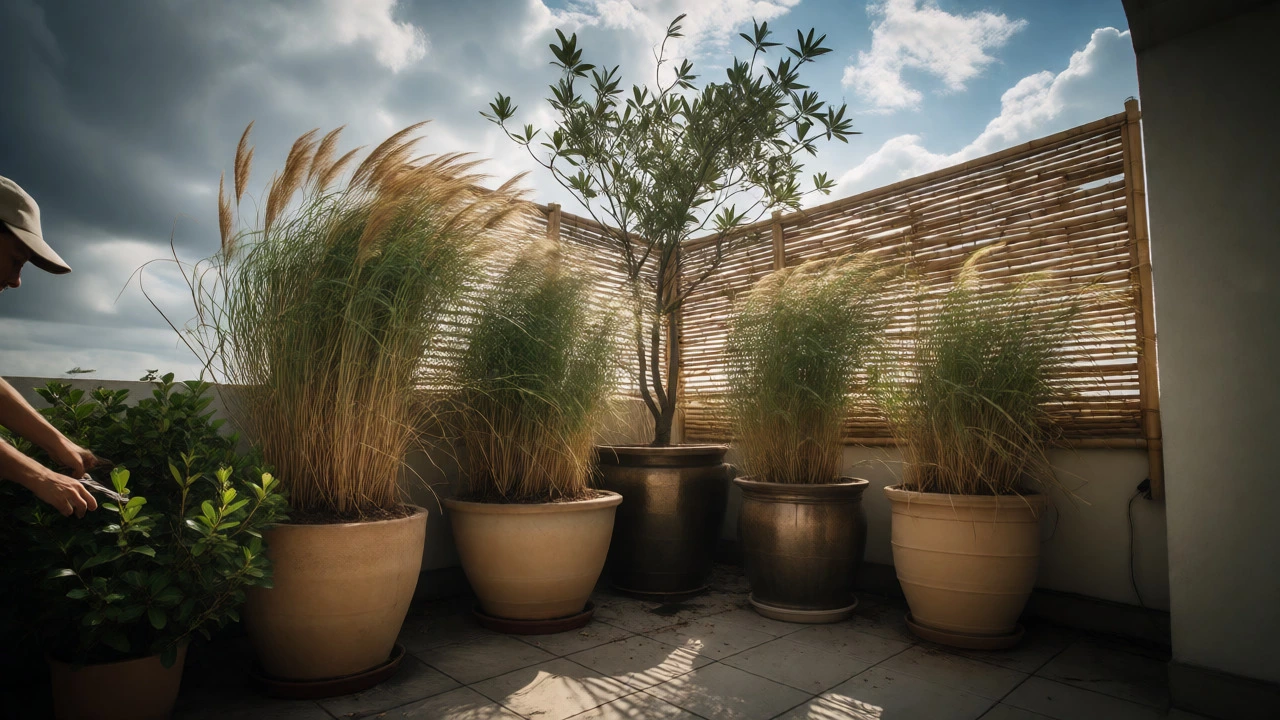
Group pots together. Plants clustered in corners or against walls create microclimates that shield each other. Use windbreaks like bamboo screens or trellises with climbing vines to filter strong gusts. Avoid planting tall, top-heavy species like palms or young citrus trees right on the edge. Anchor larger pots with weights or secure them to railings if necessary. Prune plants regularly to reduce their sail area. A bushy, unpruned shrub acts like a parachute in a storm, pulling itself out of its pot.
How often should I fertilize my terrace plants?
Because nutrients leach out of pots with every watering, you should fertilize more frequently than ground gardens. Apply a balanced, slow-release organic fertilizer every 6-8 weeks during the growing season (spring and summer). Reduce or stop feeding in autumn and winter when growth slows down. Always water the soil before applying fertilizer to prevent root burn.
What is the best way to prevent terrace leaks?
Regularly clear drainage holes of leaves and debris to prevent water pooling. Inspect the waterproofing membrane and tile grout twice a year for cracks or wear. Avoid dragging heavy objects across the floor, which can scratch the protective layers. If you notice damp patches on the ceiling below, investigate immediately-it’s cheaper to fix a small leak now than a major structural repair later.
Do I need special soil for terrace gardening?
Yes. Standard garden soil compacts too much in containers and becomes too heavy when wet. Use a lightweight potting mix specifically formulated for containers, containing perlite or vermiculite for aeration and drainage. Adding coconut coir helps retain moisture without becoming waterlogged. This mix reduces weight load on the structure and keeps roots healthy.
How do I handle weeds on a terrace?
Weeds on terraces usually come from wind-blown seeds landing in gaps between pavers or in the pots themselves. Pull them by hand when they are small to prevent them from going to seed. Mulching the top of your pots with bark chips or gravel suppresses weed growth by blocking light. For cracks in paving, use boiling water or a natural vinegar solution to kill stubborn weeds without damaging nearby plants.
Is it safe to leave pots outside during storms?
It depends on the size and weight. Small pots can become projectiles in high winds, so move them indoors or into a sheltered corner. Large, heavy pots are generally safe but should be checked for stability. If you live in a high-rise with significant wind exposure, consider anchoring valuable plants or using weighted planters. After a storm, check for broken branches or displaced soil.