Sprinkler Irrigation for Indian Gardens: How It Works and When to Use It
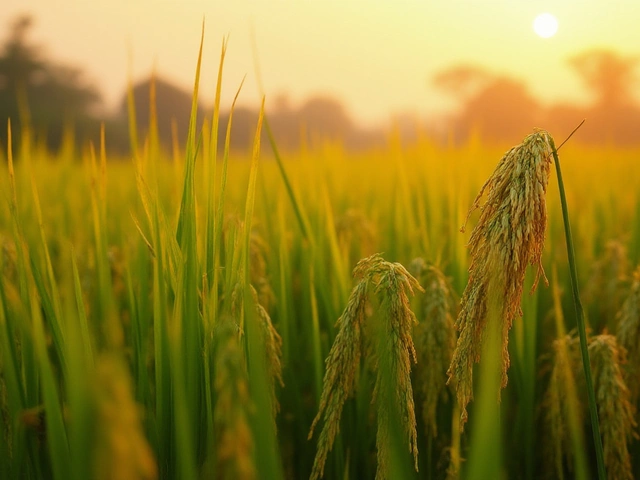
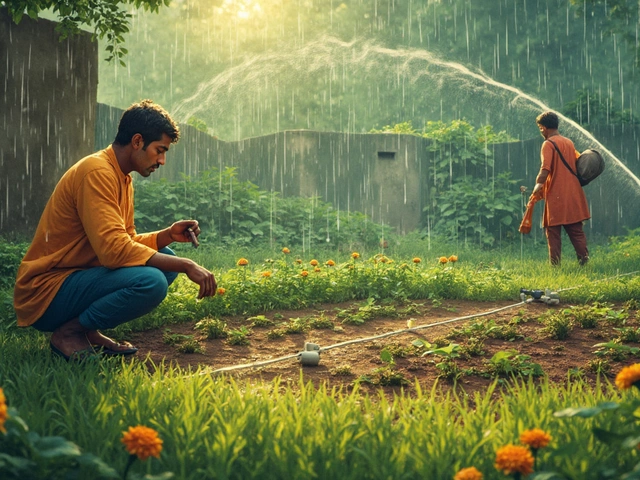
When you think of watering your garden in India, sprinkler irrigation, a system that sprays water over plants like artificial rain. Also known as overhead irrigation, it’s one of the most visible ways people water lawns and vegetable beds across cities and towns. But just because it’s common doesn’t mean it’s right for every garden. In places like Delhi, Bangalore, or Pune, where water is scarce and electricity costs add up, sprinklers can waste more than they save. They soak the leaves, not the roots, and in hot, dry winds, up to 40% of the water evaporates before it even hits the ground.
That’s why many smart gardeners in India are switching to drip irrigation, a system that delivers water drop by drop directly to plant roots. Also known as localized irrigation, it uses up to 60% less water than sprinklers and cuts down on weeds and diseases caused by wet leaves. If you’ve read about how drip irrigation beats soaker hoses or why tomato plants thrive with steady root moisture, you already know the power of targeted watering. Sprinklers, on the other hand, are best for large lawns, flower beds with shallow roots, or when you need to cool down plants during extreme heat. They’re not ideal for vegetable patches, potted plants, or rooftop gardens where every drop counts.
What about soil type? In hard, clay-heavy soil—common in many Indian suburbs—sprinklers can cause runoff before water soaks in. That’s why fixing your soil texture matters just as much as choosing the right system. And if you’re growing on a balcony or terrace, sprinklers are usually out of the question. Too much water, too much mess, too much risk to your building. The posts below show you exactly where sprinklers make sense, where they don’t, and what alternatives actually work better in Indian conditions. You’ll find real comparisons, cost breakdowns, and tips from gardeners who’ve tried it all—from sprinklers to solar-powered drip lines. No fluff. Just what helps your plants grow and your water bill shrink.
Gardening
0
Comments
What Is a Sprinkle Irrigation System? A Simple Guide for Home Gardeners
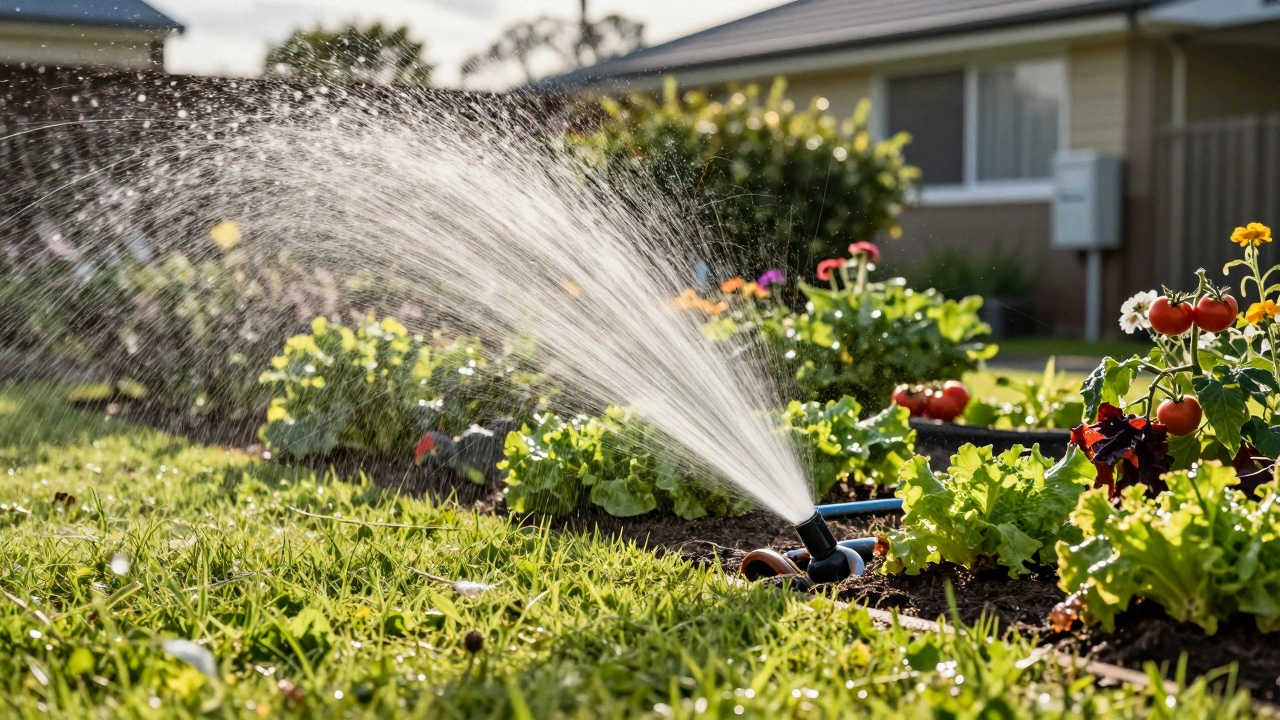
A sprinkle irrigation system sprays water like rain over lawns and gardens. Learn how it works, how it compares to drip irrigation, when to use it, and how to make it more efficient - especially in dry climates like Auckland.
About
Gardening
Latest Posts

Discovering Asia's Largest Flower Market in India
By Alden Thorne Feb 25, 2025
Planting Vegetables: Choosing Between Pots and Ground for Optimal Growth
By Alden Thorne Dec 5, 2024
Underground Sprinklers: Are They Really Worth the Investment?
By Alden Thorne May 4, 2025