Sprinkle Irrigation System: How It Works and When to Use It in Indian Gardens
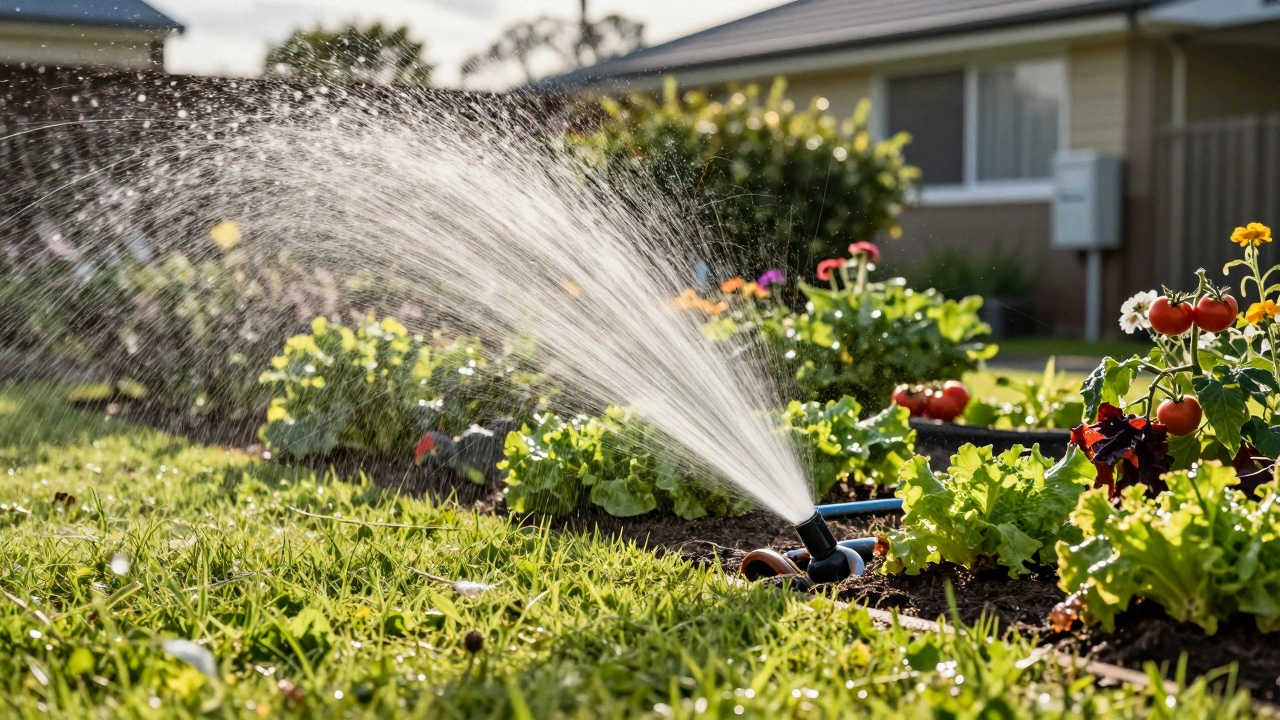
When you think of watering your garden, you might picture a hose or a drip line—but a sprinkle irrigation system, a network of pipes and sprinklers that mimic natural rainfall to distribute water across a garden or lawn. Also known as overhead irrigation, it’s one of the oldest and most common ways to water plants in India, especially in larger yards, farms, and public spaces. Unlike drip systems that target roots directly, sprinkle systems spray water into the air, letting it fall like rain. This makes it great for lawns, vegetable beds with dense planting, or areas where you need even coverage across a wide space.
But here’s the catch: in India’s hot, dry climate, a sprinkle system can waste a lot of water. Much of it evaporates before it hits the ground, especially during midday. Wind can blow spray onto driveways or walls instead of your plants. And wet leaves? They invite fungal diseases like powdery mildew, which is already a big problem in humid monsoon months. That’s why many gardeners switch to drip irrigation, a system that delivers water slowly and directly to the soil at the base of each plant. Also known as localized irrigation, it cuts water use by up to 60% compared to sprinklers. But drip isn’t always the answer. If you’re growing crops like cabbage, lettuce, or spinach in rows, or you have a big lawn, sprinklers still make sense. They’re also easier to install for beginners who don’t want to lay tubing under every plant.
So when should you use a sprinkle irrigation system? Use it for lawns, ground covers, or large vegetable plots where plants are spaced close together. Avoid it for tomatoes, peppers, or eggplants—their leaves stay wet too long, and that’s a recipe for rot. If you do use sprinklers, run them early in the morning, not in the afternoon. That gives the water time to soak in before the sun burns it off. And always check your water pressure—too high, and you’ll create mist instead of drops. Too low, and some spots stay dry.
You’ll also find that sprinklers work better in flat areas. On slopes, water runs downhill before it can soak in, leaving the top of the hill dry and the bottom soggy. That’s why many Indian farmers and home gardeners now combine sprinklers with mulch or contouring to slow runoff. Some even use timers to run short cycles multiple times a day—this helps water soak in without pooling.
The posts below cover real-world experiences with different watering methods across India—from using sprinklers on rooftop farms in Mumbai to switching from overhead systems to drip in Karnataka’s dry zones. You’ll see how water savings, plant health, and labor costs change when you choose the right system. Whether you’re managing a backyard, a balcony garden, or a small farm, these guides give you the facts—not the fluff—to make a smart, lasting choice.
Gardening
0
Comments
What Is a Sprinkle Irrigation System? A Simple Guide for Home Gardeners
A sprinkle irrigation system sprays water like rain over lawns and gardens. Learn how it works, how it compares to drip irrigation, when to use it, and how to make it more efficient - especially in dry climates like Auckland.
About
Gardening
Latest Posts
Which Country Is 100% Vegetarian? Real Answers for Plant Lovers
By Alden Thorne May 22, 2025
Lotus Lifespan: How Long Does a Lotus Really Live?
By Alden Thorne May 24, 2025

Why Wash Rice Before Cooking? The Real Reasons Revealed
By Alden Thorne Jun 20, 2025