Soil Tiller: What It Is and How It Helps Indian Gardens
When you're starting a garden in India, the soil often fights back—hard-packed, dry in summer, sticky in monsoon. A soil tiller, a mechanical or manual tool that breaks up and turns soil to prepare it for planting. Also known as a garden tiller, it’s the difference between struggling to dig with a spade and having loose, airy soil ready for seeds or seedlings. Many Indian gardeners still use hoes and spades, but a soil tiller saves hours, reduces back strain, and gets better results, especially in regions with heavy clay like Uttar Pradesh or Tamil Nadu.
Soil tillers work by spinning blades or tines that cut through the ground, lifting and mixing the top 6 to 12 inches. This isn’t just about digging—it’s about soil preparation. Tilling aerates the soil, breaks up clumps, mixes in compost or manure, and creates the perfect seedbed. In places where people grow vegetables on balconies or rooftops, even small hand-held tillers help loosen container soil. And if you’re planting tomatoes, cucumbers, or moringa—crops that need deep, loose roots—a tiller makes all the difference. It’s not magic, but it’s close. A good tiller turns hard earth into something that welcomes plants instead of resisting them.
Not all tillers are the same. Electric ones are quiet and great for small yards. Gas-powered models handle bigger plots, like those in rural homes or community gardens. Manual tillers—like the Indian-made, hand-cranked versions—are cheap, reliable, and perfect for terrace gardens or patches under 100 square feet. What matters most is matching the tool to your soil and space. If your soil is rocky or full of roots, you’ll need something stronger. If you’re just refreshing a flower bed, a light tiller does the job.
People who skip tilling often end up with poor growth, water pooling, or roots that can’t spread. In India, where monsoon rains turn soil to cement and summer sun bakes it into bricks, tilling isn’t optional—it’s essential. It’s also part of sustainable gardening. Tilled soil holds water better, reduces runoff, and lets organic matter break down faster. That means less fertilizer needed, fewer pests, and healthier plants. You’ll see the difference in your harvests, whether you’re growing leafy greens on a balcony or raising potatoes in your backyard.
What you’ll find below are real stories and practical guides from Indian gardeners who’ve used soil tillers to fix stubborn ground, save time, and grow more food. Some bought their first tiller after years of back pain. Others discovered how to use one on a rooftop without damaging the structure. There are tips on where to buy affordable models in India, how to maintain them, and even how to make your own simple version from scrap parts. This isn’t about fancy gear—it’s about making gardening work for you, no matter where you live or how much space you have.
Garden Tools
0
Comments
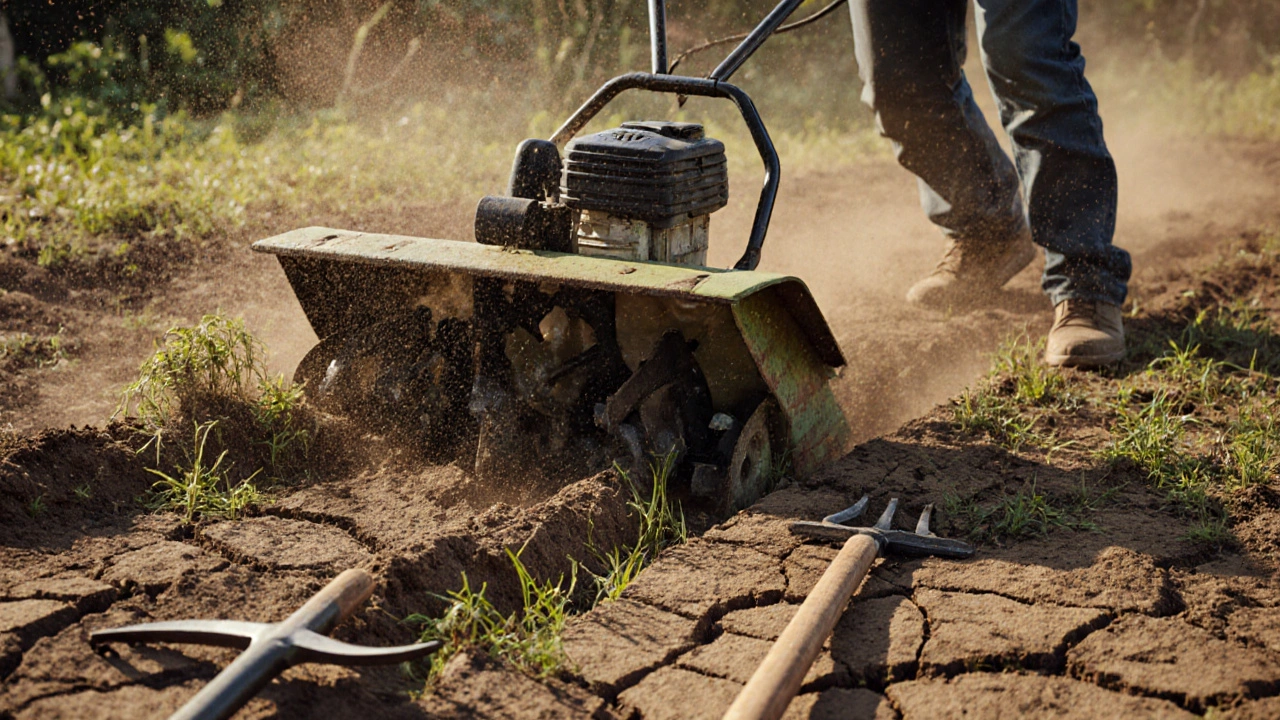
Will a Tiller Break Up Hard Soil? Here's What Actually Works
Will a tiller break up hard soil? It depends on the type of tiller, soil condition, and prep work. Learn what actually works to turn compacted earth into garden-ready soil.
About
Garden Tools
Latest Posts


Will Rabbits Eat Zinnias in Your Garden?
By Alden Thorne Feb 25, 2025
Reviving Indoor Plants: Expert Tips for Lush Greenery
By Alden Thorne Dec 14, 2024

Rice Consumption in the US: Spotlight on Leading States
By Alden Thorne Jan 25, 2025