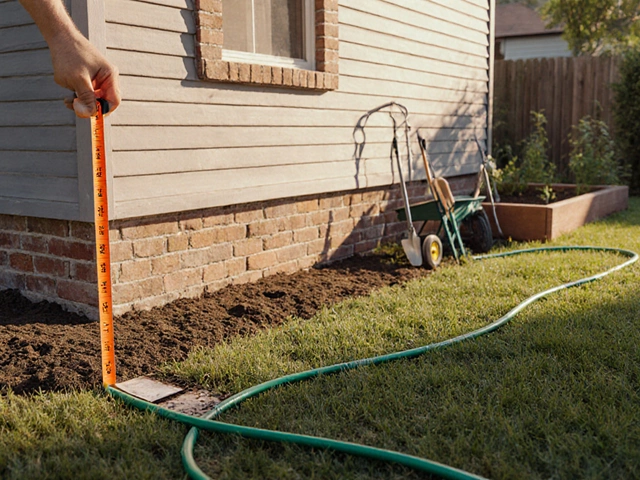
Rooftop Planting Depth: What Every Urban Gardener Should Know
When planning a roof garden, understanding Rooftop Planting Depth, the measured distance from the roof deck to the top of the soil or substrate used for growing plants, is crucial. Also called roof garden soil depth, this factor decides how much water the medium can hold, which roots can thrive, and how much weight the roof must support. Green Roofs, systems that combine vegetation with building roofs to improve insulation and biodiversity rely on proper planting depth to balance moisture and plant health. Likewise, Drip Irrigation, a low‑flow watering method that delivers water directly to plant roots works best when the soil depth matches the emitter spacing, ensuring even distribution. Finally, the Structural Load, the total weight a roof can safely carry, including soil, water, and plants sets the upper limit for how deep you can go without costly reinforcements.
Why Depth Matters More Than You Think
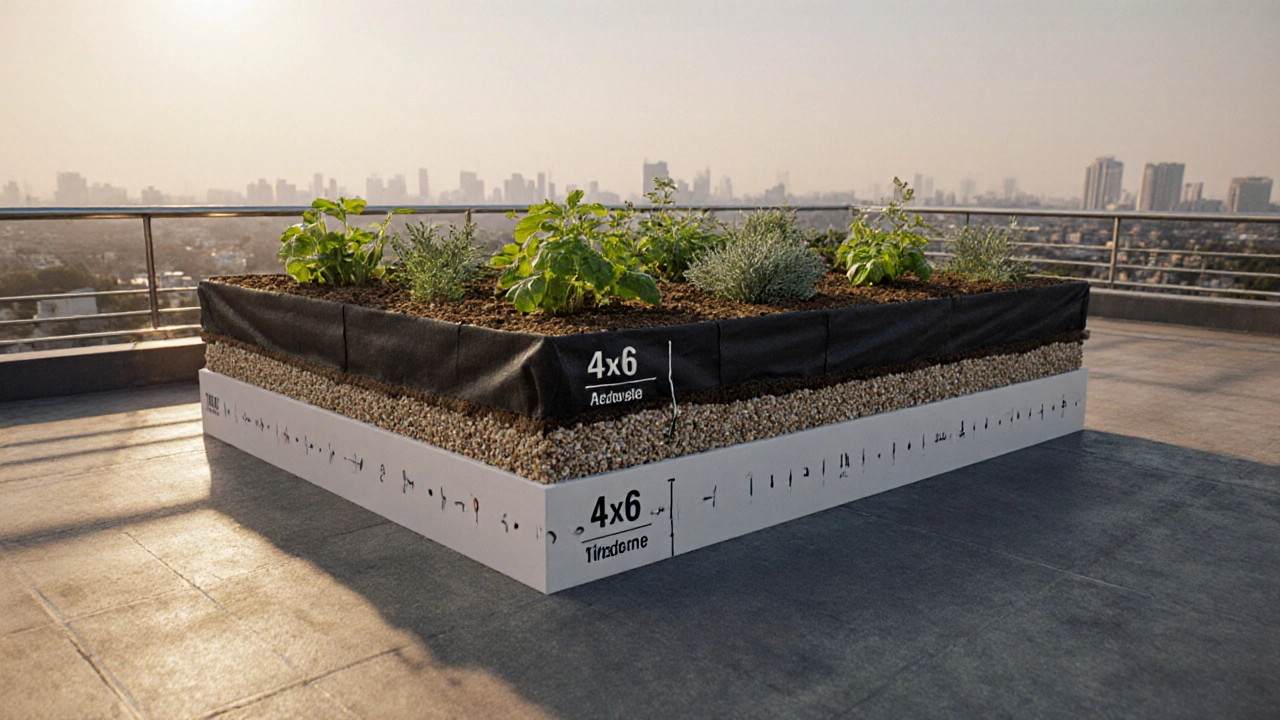
Depth isn’t just a number; it shapes three core aspects of a roof garden. First, water retention: a deeper medium stores more moisture, reducing irrigation frequency—especially important where drip irrigation depth is limited by emitter pressure. Second, root development: many vegetables and shrubs need at least 15‑20 cm of substrate to spread roots, while succulents can manage with less. Third, load distribution: each extra centimeter of soil adds roughly 10 kg/m², so adding depth without checking structural capacity can lead to roof sagging or leaks. In practice, you’ll find that a 10‑cm layer works for herbs and flowers, whereas a 20‑cm layer is needed for deeper‑rooted veggies like tomatoes.
Another hidden factor is micro‑climate. Roofs heat up faster than ground level, so shallow soil dries out quicker, demanding more frequent watering or evaporative cooling. By combining an appropriate planting depth with reflective roof coatings or shade nets, you can moderate temperature swings and keep plants productive. This relationship shows that rooftop planting depth influences both plant health and building performance, a classic example of a semantic triple.
When you pair the right depth with a well‑designed drip irrigation system, you get a feedback loop: the irrigation depth guides substrate choice, and the substrate depth optimizes water use. For example, burying drip lines 5‑7 cm below the surface works well for a 10‑cm soil layer, while a 20‑cm layer may need lines placed deeper to reach the root zone. This connection—drip irrigation depth requires appropriate soil depth—helps avoid waterlogging or dry spots.
Don’t forget the structural side. Before you load a roof with a thick soil mix, consult a structural engineer or reference local building codes. Many Indian apartment buildings have a live load limit of 150 kg/m², which typically supports a 12‑cm soil layer with lightweight aggregates. Adding heavy clay or extra water raises the load quickly, so many rooftop gardeners switch to lightweight expanded shale or perlite mixes to stay within safe limits. This demonstrates the triple: structural load dictates feasible rooftop planting depth.
Beyond the technicalities, choosing the right depth also ties into sustainability goals. Shallow beds use less soil, meaning fewer resources and lower transport emissions. Yet they may need more frequent irrigation, offsetting water savings. By balancing depth, irrigation, and load, you create a garden that respects both the environment and the building’s integrity—a core principle behind successful Rooftop Farming, the practice of growing food on commercial or residential rooftops.
In the articles below you’ll find practical advice on measuring and setting the right planting depth, selecting lightweight soil mixes, designing drip irrigation layouts, and checking structural limits. Whether you’re a hobbyist setting up a balcony‑size roof garden or a developer planning a community green roof, the insights will help you decide how deep to go, how to water efficiently, and how to keep the building safe. Dive in to discover the step‑by‑step guides, common pitfalls, and expert tips that turn your rooftop into a thriving garden.
Terrace Gardening
0
Comments
Optimal Soil Depth for Rooftop Gardens - How Deep Should It Be?
Learn the right rooftop garden soil depth for herbs, veggies, and fruiting plants, balancing plant health with roof load limits and lightweight media.
About
Terrace Gardening
Latest Posts
Best Low‑Maintenance Garden Ideas for Sustainable Living
By Alden Thorne Oct 21, 2025

Discovering the Corpse Flower: Nature's Bizarre Marvel
By Alden Thorne Mar 19, 2025

Richest Plant in India: What's Worth Growing?
By Alden Thorne May 14, 2025