Rice Farming Soil: How to Grow Strong, Productive Paddy Fields
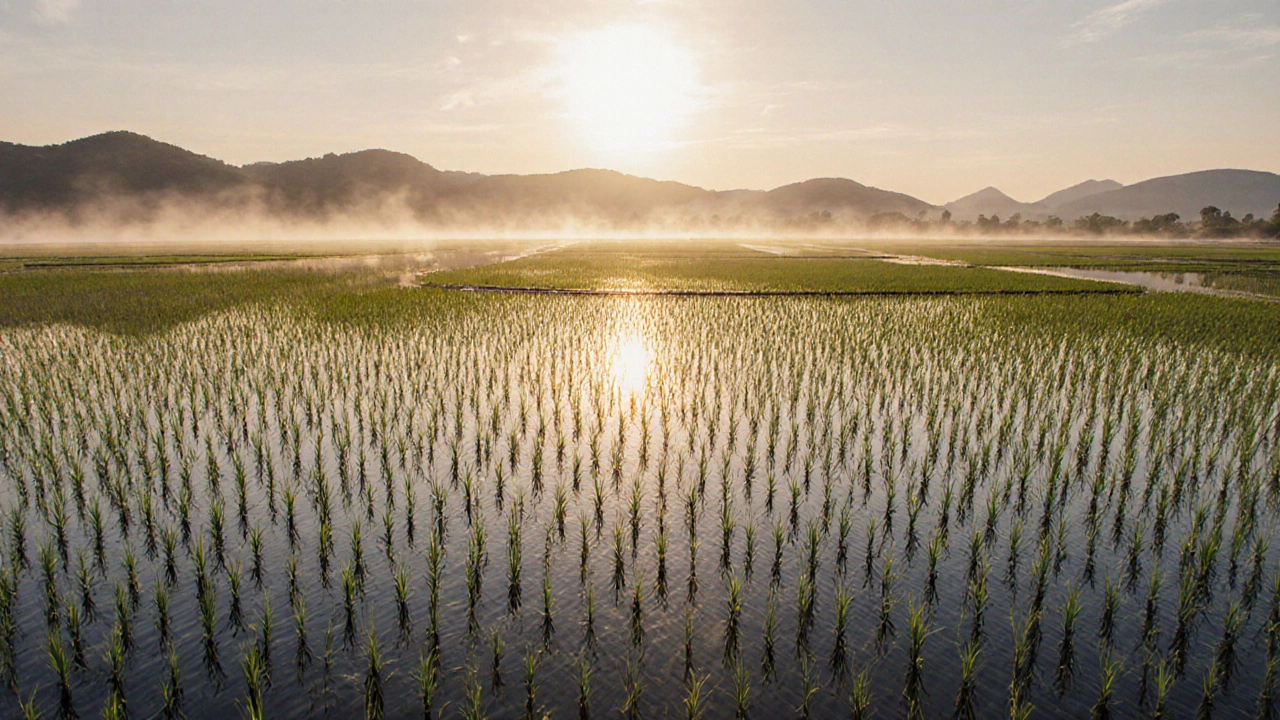
When working with rice farming soil, the earth that supports paddy cultivation, usually a loamy‑clay mix that can hold water yet drain enough to avoid root rot. Also known as paddy soil, it plays a vital role in determining crop health, water use, and farmer profit. Understanding its unique needs helps you avoid common pitfalls like waterlogging or nutrient lockout.
Key Factors That Shape Ideal Rice Farming Soil
The first factor to watch is soil texture, the proportion of sand, silt, and clay that decides how well water is retained and how easily roots can penetrate. A balanced texture—often a 30% sand, 40% silt, 30% clay blend—keeps the field flooded without becoming a mud pit. Next comes soil pH, the acidity level that governs nutrient availability for rice plants. Rice thrives in slightly acidic conditions, typically a pH between 5.5 and 6.5; staying in this range ensures phosphorus and potassium stay accessible. Organic matter, decomposed plant and animal material that improves structure, boosts microbial activity, and supplies slow‑release nutrients is another game‑changer. Adding 2‑4% organic matter by weight can raise water‑holding capacity and reduce compaction, which directly supports stronger root systems. Finally, water management, the practice of controlling flooding depth and duration throughout the rice growth cycle ties all these elements together; proper timing of irrigation and drainage influences oxygen levels, weed control, and disease pressure.
Putting these pieces together creates a solid foundation for any rice farm. For example, a field with good texture but a pH of 7.2 will struggle to absorb key nutrients, leading to stunted shoots. Likewise, neglecting organic matter can cause surface crusting, making it hard for seedlings to emerge. When you match the right texture, maintain optimal pH, enrich the soil with organic inputs, and manage water precisely, you set up a self‑reinforcing system where each element supports the others. Below you’ll find articles that dive deeper into each of these topics—practical guides on adjusting pH, choosing amendments, designing drainage, and more—so you can start fine‑tuning your rice farming soil right away.
Rice Cultivation
0
Comments
Ideal Land for Growing Rice: Best Soil Types & Conditions
Learn which soil types and land conditions give rice the best chance to thrive, with practical steps for soil testing, amendment, and water management.
About
Rice Cultivation
Latest Posts
Best Gardening Tool for Preparing a Vertical Garden
By Alden Thorne Mar 6, 2026
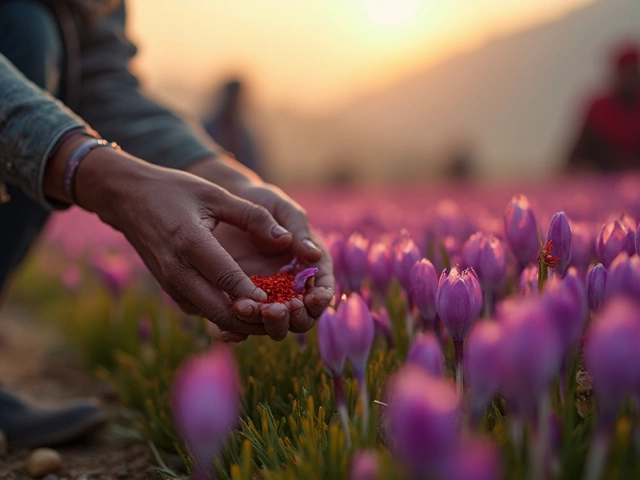
Most Expensive Flower in India: Saffron Magic and Mystique
By Alden Thorne May 5, 2025

How to Maximize a Small Balcony: Layouts, Vertical Garden, Storage & Seating Ideas
By Alden Thorne Sep 16, 2025