Paddy Field Soil: Essential Guide for Rice Growers
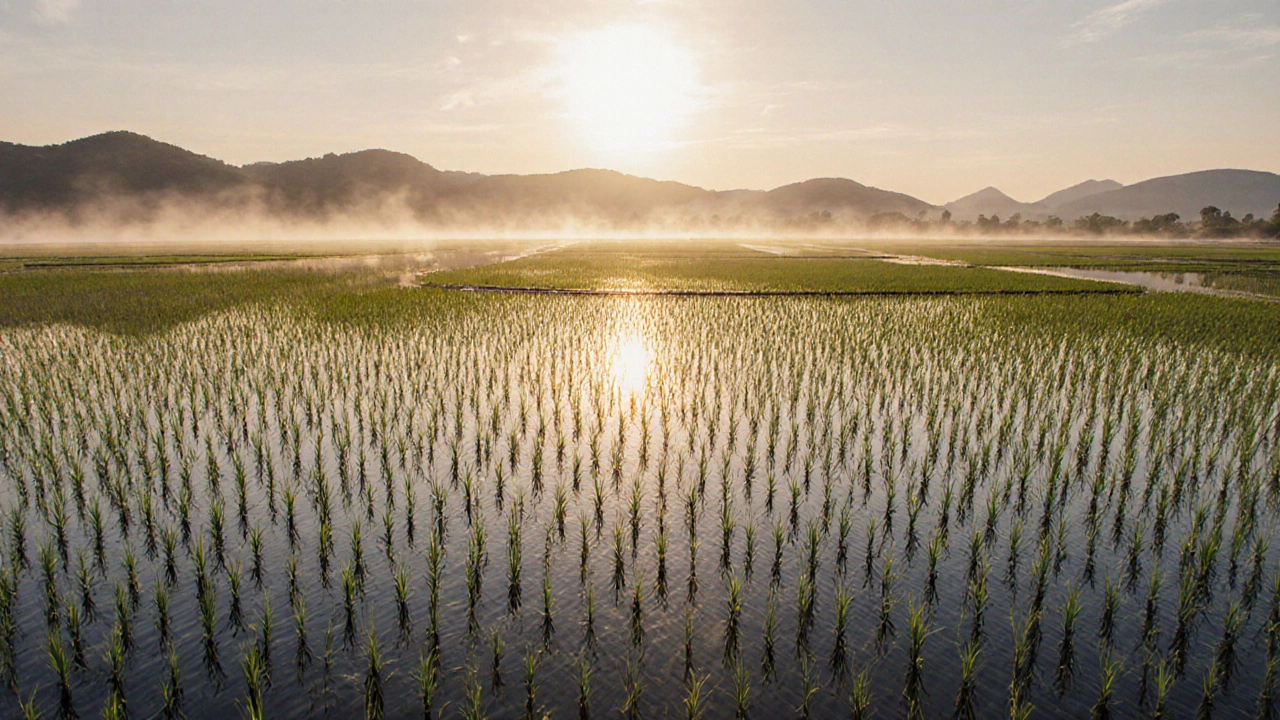
When working with Paddy field soil, the specific type of soil used for growing rice in flooded conditions. Also known as wetland soil, it plays a crucial role in water management, nutrient availability, and root health for rice plants. Understanding its properties helps you avoid common pitfalls and boost yields.
Soil fertility, the ability of soil to supply essential nutrients to crops is the first factor you should test. Fertile paddy fields typically contain high levels of nitrogen, phosphorus, and potassium, but excessive salts can choke rice roots. Drainage, the soil’s capacity to remove excess water while keeping enough moisture for rice is the second pillar; poor drainage leads to waterlogging, which reduces oxygen and slows growth. Finally, Organic matter, decomposed plant and animal material that improves soil structure and nutrient holding enriches paddy fields by increasing water‑holding capacity and supporting beneficial microbes. These three entities form a tight trio: soil fertility influences organic matter breakdown, organic matter boosts drainage, and proper drainage protects fertility. Together they create the environment rice needs to thrive.
Beyond the basics, you’ll also encounter related concepts like soil texture, which determines how easily water moves through the field, and pH levels that affect nutrient solubility. In Indian climates, choosing the right rice variety for your local soil type can make a big difference—some varieties tolerate slightly acidic soils, while others need neutral conditions. If you’re planning a new field, start with a soil test, add compost or well‑rotted manure to raise organic matter, and adjust water levels to achieve a slow, steady flood. These steps set the stage for healthy root development and strong stalks.
Below you’ll find a collection of articles that dive deeper into each of these topics. From practical tips on loosening heavy paddy soil to strategies for managing water efficiently, the posts cover everything a farmer or hobbyist might need. Browse the list to discover actionable advice you can apply this season and build a more productive rice paddock.
Rice Cultivation
0
Comments
Ideal Land for Growing Rice: Best Soil Types & Conditions
Learn which soil types and land conditions give rice the best chance to thrive, with practical steps for soil testing, amendment, and water management.
About
Rice Cultivation
Latest Posts
Understanding the Differences Between Sprinkle and Drip Irrigation
By Alden Thorne Mar 22, 2025
What Is the Difference Between Emitter and Dripper in Drip Irrigation?
By Alden Thorne Jan 13, 2026
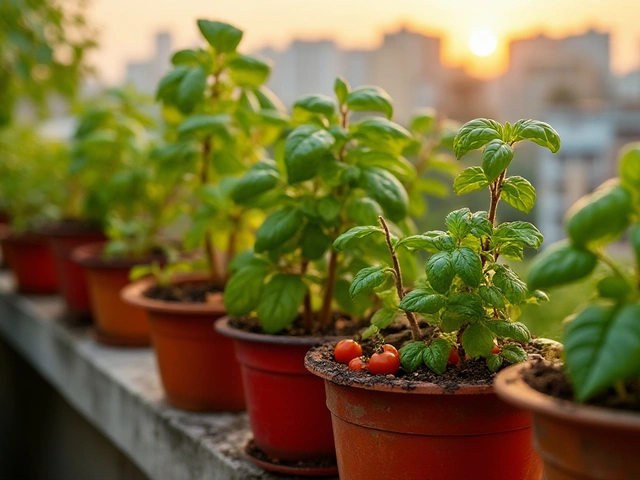
Best Vegetables to Cultivate in Pots for Your Balcony Garden
By Alden Thorne Dec 22, 2024