National Flower of India: Why the Lotus Matters in Indian Gardens
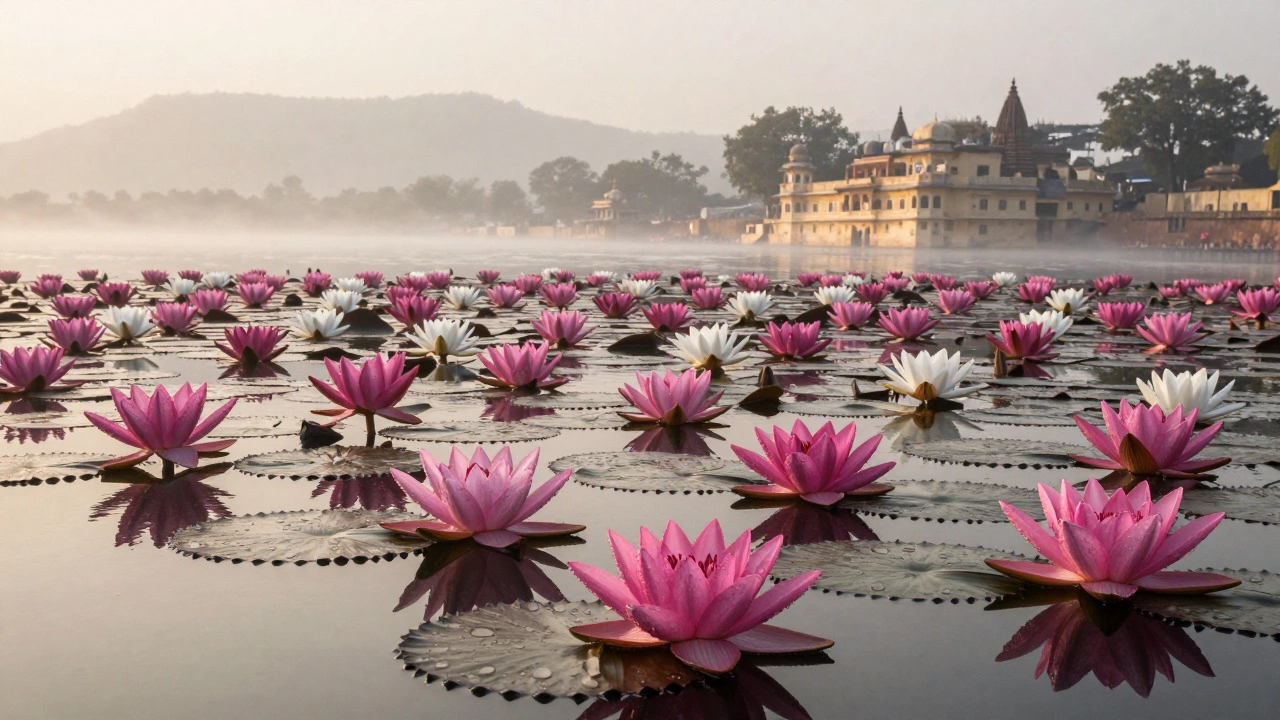
When you think of the national flower of India, a sacred aquatic plant deeply woven into India’s culture, religion, and ecology. Also known as sacred lotus, it’s not just a pretty bloom—it’s a living emblem that appears on ancient coins, temple carvings, and even the Indian national emblem. Unlike imported ornamentals, the lotus thrives naturally across India’s ponds, lakes, and wetlands, from the Himalayan foothills to the southern deltas. It doesn’t need fancy care, doesn’t demand perfect soil, and survives droughts and floods alike. That’s why it’s not just chosen as a symbol—it’s earned it.
The sacred lotus, a water plant with large floating leaves and vibrant pink or white blossoms. Also known as Nelumbo nucifera, it’s the same species grown in religious ceremonies, festivals, and home gardens across the country. Its roots anchor in muddy soil, yet its petals stay spotless—a metaphor for spiritual purity that resonates in Hinduism, Buddhism, and Jainism. You’ll see it in temple offerings, wedding decorations, and even in the designs of Indian currency. But beyond symbolism, it’s a practical plant for Indian gardeners. It grows well in shallow ponds, large containers, and even backyard water features. You don’t need a huge space—just a few feet of water and full sun.
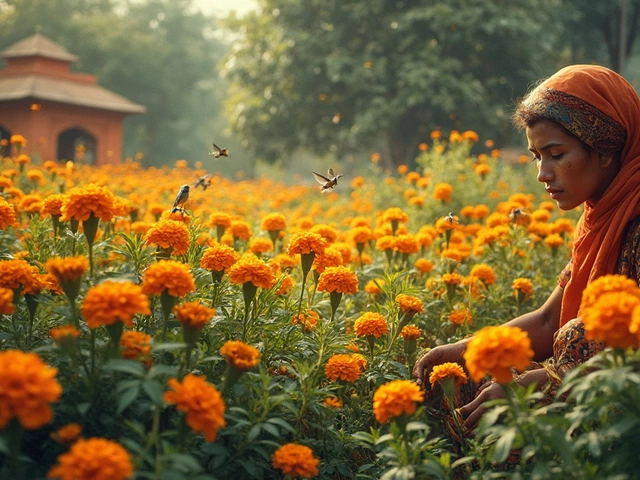
Related to the lotus are other culturally significant Indian flowers, blooms that hold deep meaning in daily life, from marigolds in temple garlands to jasmine in hair ornaments. But none match the lotus’s combination of beauty, resilience, and spiritual weight. While marigolds are the most grown flower in India by volume, the lotus is the one that defines national identity. It’s also a key part of India’s aquatic ecosystems, supporting fish, insects, and birds. Even its seeds can survive for decades and still sprout—something no other national flower can claim.
If you’ve ever seen a lotus blooming in a village pond at sunrise, you know why it’s the national flower. It doesn’t shout. It doesn’t need fertilizer. It rises from the mud, clean and calm, day after day. That’s the kind of strength Indian gardeners admire. Whether you’re growing it in a clay pot on your balcony or restoring a pond in your backyard, the lotus doesn’t just look good—it teaches patience, adaptability, and quiet endurance. And that’s why, in a country with thousands of flowering plants, only one holds this title.
Below, you’ll find real guides from Indian gardeners who’ve grown lotus successfully, fixed water issues in their ponds, paired it with other native plants, and even turned it into a small income source. No theory. No fluff. Just what works.
Flower Gardening
0
Comments
What Is the King of Flowers in India? The Sacred Lotus and Its Cultural Significance
The lotus is India's national flower and true king of flowers, symbolizing purity, spirituality, and resilience. Learn why it's revered across cultures, how to grow it, and where to see it in full bloom.
About
Flower Gardening
Latest Posts
Which Ethnicity Consumes the Most Rice Daily?
By Alden Thorne Mar 16, 2025
Discover India's All-Season Wonder: The Marigold
By Alden Thorne Mar 23, 2025
Most Sustainable Plant in the World: A Real Game-Changer for Your Garden
By Alden Thorne Apr 23, 2025