Misting Indoor Plants: Boost Humidity and Keep Your Houseplants Thriving
When you misting indoor plants, the act of lightly spraying water droplets onto plant leaves to raise surrounding humidity. Also known as foliar spraying, it’s a simple trick many use to mimic tropical rainforest conditions. But here’s the truth: misting isn’t a cure-all. It helps some plants, does nothing for others, and can even cause problems if done wrong. The key isn’t just spraying water—it’s understanding which plants need it, why they need it, and what else they really need to thrive.
Plants like tropical houseplants, species native to warm, moist environments like ferns, calatheas, and monstera were never meant to live in dry living rooms with AC running all day. Their natural habitat has humidity levels above 60%. In most Indian homes, especially in cities, indoor humidity drops below 30% in winter. That’s like asking a fish to live in the desert. Misting gives them a quick moisture boost—but it’s temporary. The real fix? Grouping plants together, using a pebble tray, a shallow dish filled with water and stones under the plant pot to create localized humidity as water evaporates, or running a small humidifier. Misting works best as a short-term helper, not a long-term solution.
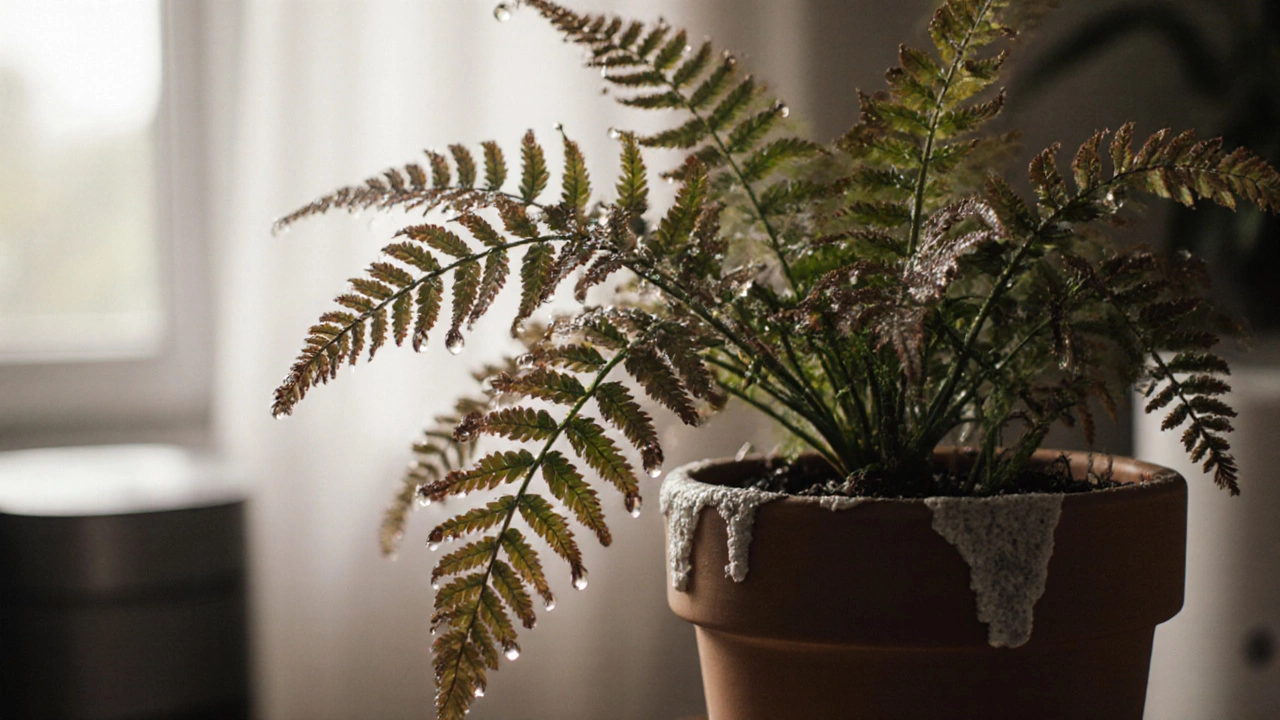
Not every plant likes water on its leaves. Succulents, cacti, and plants with fuzzy leaves like African violets can develop rot or fungal spots if misted regularly. Even plants that enjoy humidity can suffer if misted late in the day—water sitting on leaves overnight invites pests and disease. The best time to mist? Early morning. That gives leaves time to dry before nightfall. And don’t overdo it. Spraying once a day, lightly, is enough. Too much water on leaves doesn’t mean more health—it means more problems.
Look at the posts below. You’ll find real advice from gardeners who’ve tried misting, failed, and figured out what actually works. One post explains why a pebble tray beats misting for consistent humidity. Another tells you exactly which plants benefit most—and which ones should never get sprayed. There’s even a guide on the best water to use for houseplants, because tap water in many Indian cities contains chlorine and minerals that can build up on leaves over time. You won’t find fluff here. Just clear, tested tips from people who’ve been there.
Indoor Plant Care
0
Comments
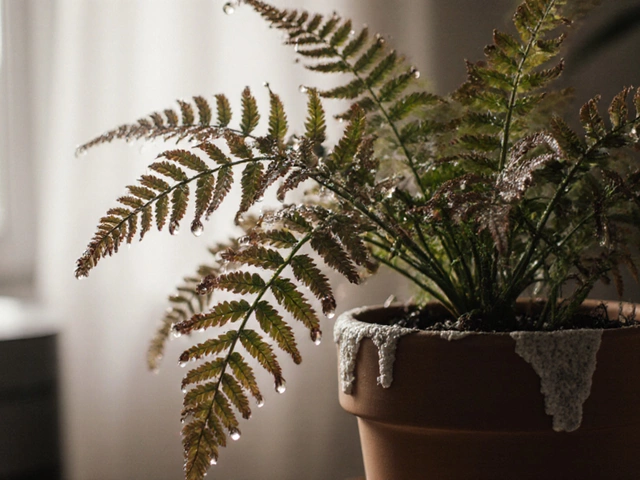
Can You Use Tap Water to Mist Indoor Plants?
Tap water may seem harmless for misting indoor plants, but chlorine and minerals can damage sensitive species. Learn which plants are at risk and what water to use instead for healthier growth.
About
Indoor Plant Care
Latest Posts


Disadvantages of Having a Balcony Garden
By Alden Thorne Mar 10, 2025
Can You Use Tap Water to Mist Indoor Plants?
By Alden Thorne Nov 21, 2025

Why Do Rice Farmers Flood Their Fields?
By Alden Thorne Mar 4, 2025