Life Expectancy of Garden Plants: What to Expect and How to Boost It
Ever wonder why some plants disappear after a season while others stay for years? The answer lies in their life expectancy – the average time a plant can stay healthy and productive. Knowing the typical lifespan helps you plan your garden, avoid disappointment, and keep your space looking vibrant.
Plants fall into three main groups: annuals, biennials, and perennials. Annuals complete their whole life cycle in one growing season. Think of marigolds or petunias – they sprout, bloom, set seed, and die in a few months. Biennials need two years; they grow leaves the first year, flower the second, then finish. Examples include carrots and foxglove. Perennials live three years or more, often returning year after year. Roses, lavender, and many native grasses belong here.
Factors That Shape Plant Life Expectancy
Climate plays a big role. Too much heat or a sudden frost can shorten a plant’s active years. Soil quality matters too – compacted or nutrient‑poor soil stresses roots, leading to early decline. Watering habits are another big factor; over‑watering drowns roots, while under‑watering dries them out.
Pests and diseases also chip away at a plant’s health. A persistent fungal infection can kill a shrub faster than normal. Finally, pruning practices affect longevity. Bad cuts create entry points for disease, while proper pruning encourages new growth and extends life.
Simple Ways to Extend Plant Longevity
Start with good soil. Mix compost or well‑rotted manure to improve structure and feed microbes. This creates a friendly environment for roots and helps plants grab water and nutrients.
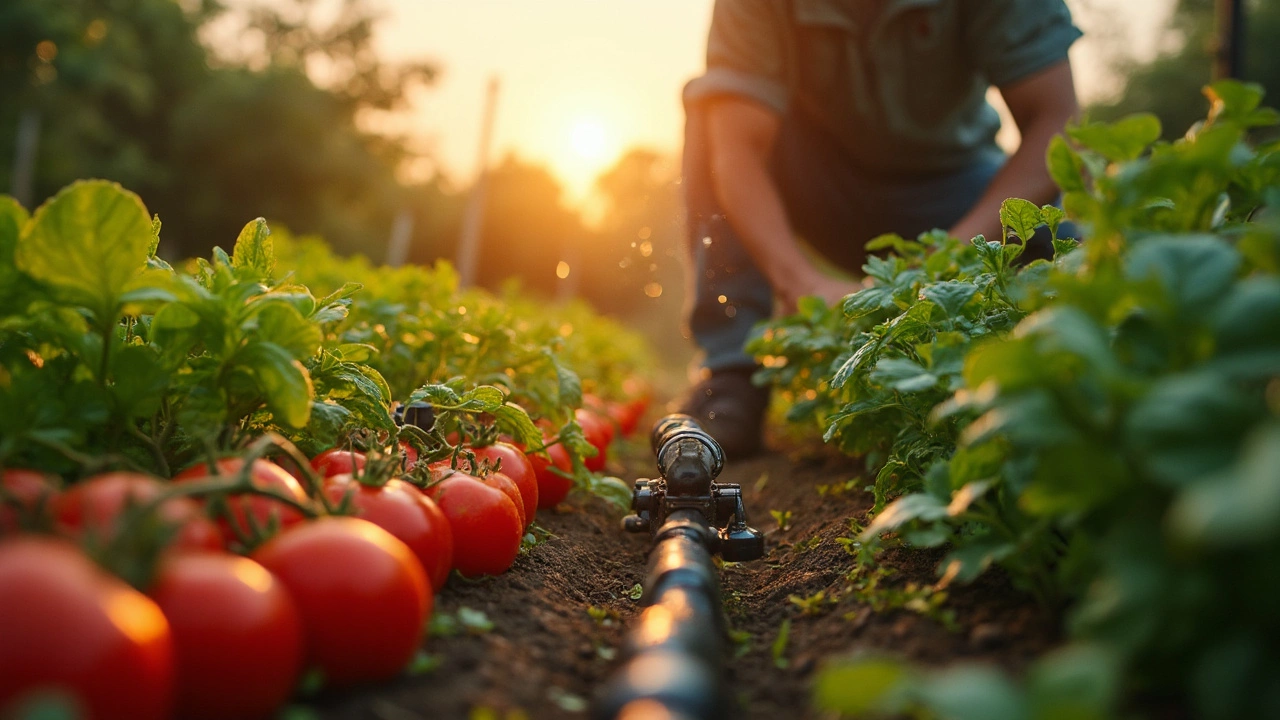
Water wisely. Early morning watering lets foliage dry before night, reducing fungal risk. Use a drip system or soaker hose to deliver water directly to the root zone and avoid waste.
Mulch the beds. A 2‑3 cm layer of straw, wood chips, or leaf mold keeps soil temperature stable, reduces evaporation, and suppresses weeds that compete for nutrients.
Keep an eye on pests. Spot‑check leaves weekly for insects or spots. If you see a problem, act fast with neem oil, soap spray, or beneficial insects instead of waiting for heavy damage.
Prune at the right time. Remove dead or diseased wood in late winter, and shape flowering shrubs after they bloom. This encourages fresh growth and keeps the plant’s energy focused on healthy parts.
Rotate crops in vegetable beds. Growing the same family in the same spot year after year exhausts soil nutrients and builds up specific pests. A simple 2‑year rotation can refresh the soil and keep yields high.
Lastly, choose the right plant for the right place. A shade‑loving fern will struggle in full sun, shortening its life. Check your zone, sunlight, and water availability before buying.
By understanding life expectancy and taking a few practical steps, you can enjoy a garden that stays lively for many seasons. Whether you grow annual bursts of color or long‑living perennials, the right care makes all the difference.
Drip Irrigation
0
Comments
Drip Irrigation System Life Expectancy: What to Really Expect
Curious how long a drip irrigation system lasts? This article breaks down the real-life lifespan of drip systems, the factors that stretch or cut short their life, and the simple habits that keep them running for years. You’ll get insights on what to inspect, what actually fails first, and practical tips to avoid common setbacks. Ideal for homeowners, gardeners, or anyone planning a new setup. Get the honest facts before you invest or upgrade.
About
Drip Irrigation
Latest Posts

Tips to Firm Up Loose Garden Soil: Expert Techniques
By Alden Thorne Dec 9, 2024

Flower Blooming Seasons in India: Best Months for a Colorful Garden
By Alden Thorne Jul 13, 2025

Do Plants Really Purify the Air? The Truth About Houseplants and Indoor Air Quality
By Alden Thorne Jun 14, 2025