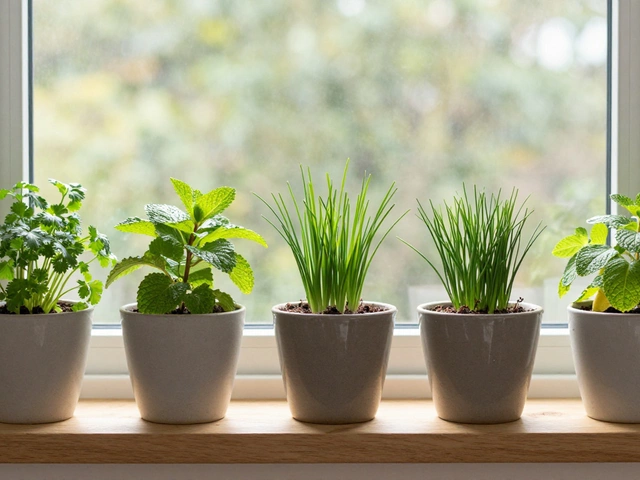
Leafy Greens: Best Types to Grow in India and How to Care for Them
When you think of leafy greens, edible plants with nutrient-rich, green leaves used in salads, curries, and stir-fries. Also known as vegetable greens, they’re the backbone of healthy Indian meals and surprisingly easy to grow at home. You don’t need a big plot—just a balcony, a few pots, and a little sunlight. In India, where heat and monsoons shape what grows, not all leafy greens survive. But some? They thrive. Spinach, amaranth, fenugreek, and lettuce aren’t just common—they’re built for Indian soil and weather.
Why do these greens do so well here? Because they’re not picky. Spinach, a fast-growing, cool-season green packed with iron and vitamins loves the mild winters across North India and even grows in partial shade. Amaranth, a native Indian leafy vegetable often called chaulai, laughs at heat and drought. It’s been grown here for centuries and needs almost no care. Even fenugreek, a bitter green used in curries and pickles, sprouts in under two weeks from seed and can be harvested multiple times. These aren’t exotic imports—they’re local champions.
What kills leafy greens in Indian gardens? Overwatering, poor drainage, and planting them in full sun during peak summer. Most leafy greens prefer morning sun and afternoon shade. They don’t like soggy roots, so raised beds or containers with loose soil work better than heavy clay. You also don’t need fancy fertilizer—compost from your kitchen scraps is enough. And here’s the secret: harvest often. Pinch off the outer leaves, and the plant keeps growing. No need to wait for a full head. That’s how you get fresh greens every week without replanting.
You’ll find posts here that explain why tomato prices spike every year—but you won’t need to wait for market chaos to eat fresh greens. Grow your own. One pot of spinach gives you more than a supermarket bundle, and it tastes better. The same goes for lettuce grown on your balcony or kale that survives the summer heat with a little shade. These aren’t just plants. They’re insurance against high prices, poor quality, and long supply chains.
What you’ll find below are real, tested guides from Indian gardeners who’ve figured out how to grow these greens without greenhouses or expensive gear. From soil tricks that work in Delhi’s clay to pest solutions that don’t need chemicals, every post here answers a question you’ve probably asked yourself: Why won’t my greens grow? Or Why did they bolt so fast? Or Can I grow these in monsoon? The answers are here. No fluff. Just what works.
Vegetable Gardening
0
Comments
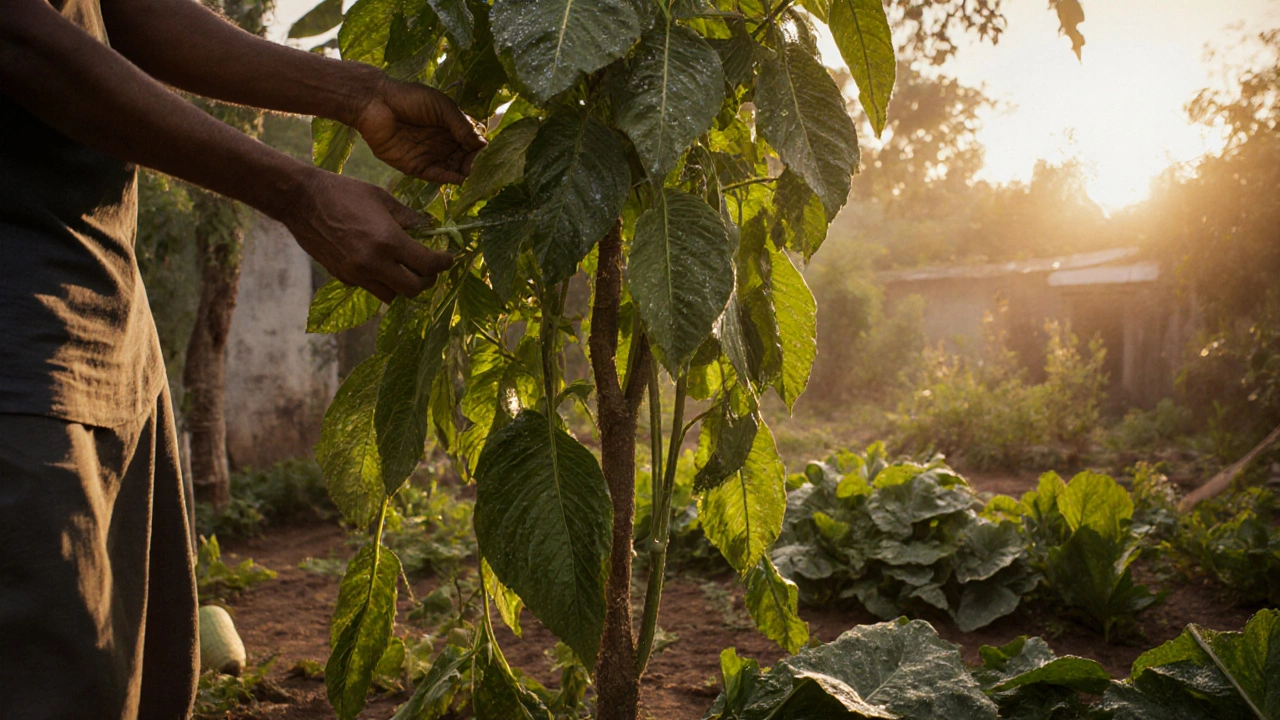
Which Vegetable Is Truly the Healthiest? Science Says It’s Not What You Think
No single vegetable is the healthiest-moringa stands out for its unmatched nutrient density, drought resistance, and suitability for Indian gardens. Learn why it beats kale and spinach in real-world nutrition and how to grow it yourself.
About
Vegetable Gardening
Latest Posts

Global Demand for Rice: Exploring the Hotspots
By Alden Thorne Jan 7, 2025

Zero-Waste Fruits: Edible Fruits with No Waste and How to Use Every Part
By Alden Thorne Aug 5, 2025

Which Is the Luckiest Flower in India? Discover Spiritual and Cultural Wonders
By Alden Thorne Aug 2, 2025