Balcony Vegetable Gardening: Grow Fresh Produce in Tiny Spaces
When working with Balcony Vegetable Gardening, the practice of cultivating edible plants on a balcony using limited space and containers. Also known as balcony gardening, it lets city dwellers harvest veggies right outside their doors.
Container Gardening, growing plants in pots, boxes, or other portable vessels is the backbone of balcony vegetable gardening because every plant needs a root‑holding space. Choose containers that match the plant’s root depth and weight limits of your balcony rail. Good drainage holes prevent waterlogging, while a lightweight potting mix keeps the overall load low. You’ll notice that the right container size directly affects growth speed, so start small and upgrade as the plant matures.
Vertical Gardening, using trellises, hanging baskets, or wall‑mounted pockets to grow upward turns a flat balcony into a multi‑layered garden. Vertical systems let you stack leafy greens, beans, and herbs, maximizing sunlight exposure while freeing up floor space. A simple DIY trellis made from bamboo or old pallets can support cucumbers, peas, and even dwarf tomatoes. The vertical approach also improves air circulation, which reduces fungal issues—a common problem in cramped spaces.
Any balcony garden thrives on Companion Planting, the strategic placement of compatible plants to boost growth and deter pests. Pairing basil with tomatoes, for example, can improve flavor and repel whiteflies. Marigolds act as natural pest barriers for most leafy greens. By planning these relationships, you cut down on chemical sprays and keep the ecosystem balanced, which is especially important when soil volume is limited.
Sunlight is the most critical factor: most vegetables need at least 4–6 hours of direct sun daily. Observe your balcony’s orientation—south‑facing spaces receive the most light, while east‑west spots get morning or evening sun. If shade is unavoidable, opt for shade‑tolerant varieties like lettuce, spinach, and radishes. Adjust planting depth and spacing based on light levels; deeper shade calls for thinner, quicker‑growing crops.
Water management on a balcony differs from a ground garden. Because containers dry out faster, a consistent watering schedule is vital. Use a saucer under each pot to catch excess water and avoid damage to the balcony floor. Mulching with coconut coir or shredded leaves helps retain moisture and keeps roots cool during hot Indian summers.
Soil mix matters more than you might think. A blend of garden loam, compost, and coarse sand (or perlite) provides the right balance of nutrients and drainage. Avoid heavy garden soil alone; it retains too much water and can become compacted in a pot, choking roots. Adding a handful of organic fertilizer every month supplies the steady feed that fast‑growing veggies love.
Practical Tips to Get Started Today
Start by inventorying your balcony’s dimensions, weight limits, and sunlight pattern. Choose a handful of easy‑to‑grow crops—chillies, okra, and bush beans work well in Indian climates. Set up a simple vertical rack, fill containers with a light, well‑draining mix, and plant your seeds or seedlings. Water lightly until roots establish, then switch to a regular schedule. Finally, keep a garden journal to track growth, watering, and any pest sightings; this quick habit speeds up learning and leads to bigger harvests.
Armed with these basics, you’re ready to explore the full range of articles below. From soil recipes to pest‑free tricks, the collection covers everything you need to turn a modest balcony into a thriving vegetable haven.
Balcony Gardening
0
Comments
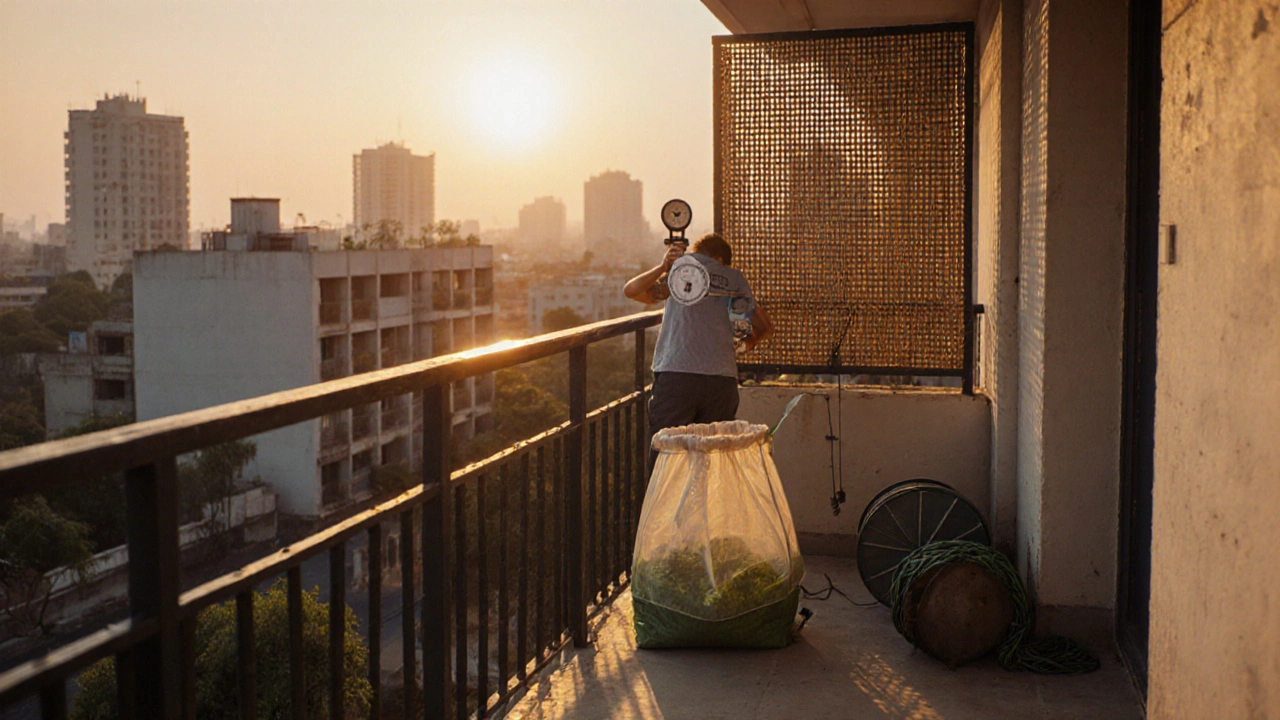
How to Grow Vegetables on a Balcony: A Practical Guide
Learn how to grow vegetables on a balcony with step‑by‑step setup, container choices, soil mixes, watering, and pest control for fresh home‑grown produce.
About
Balcony Gardening
Latest Posts
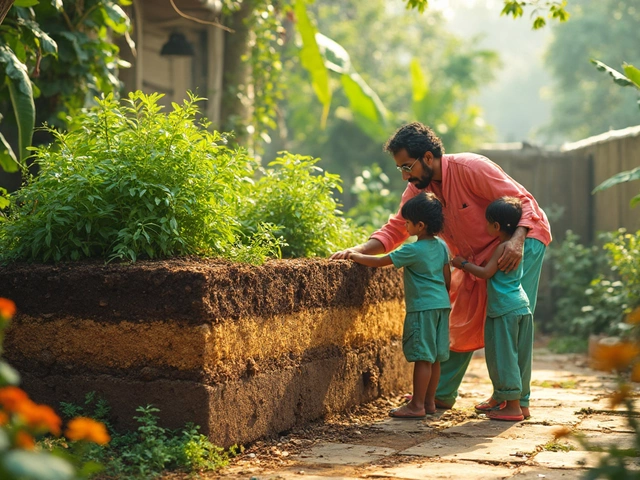
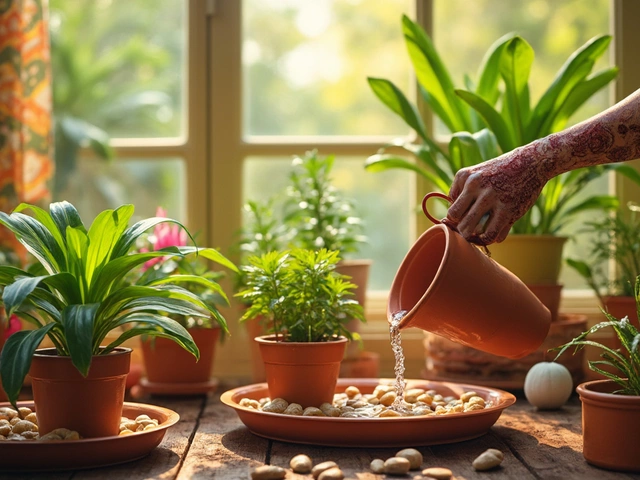
Pebble Tray Care: How Often Do You Need to Fill It?
By Alden Thorne May 20, 2025
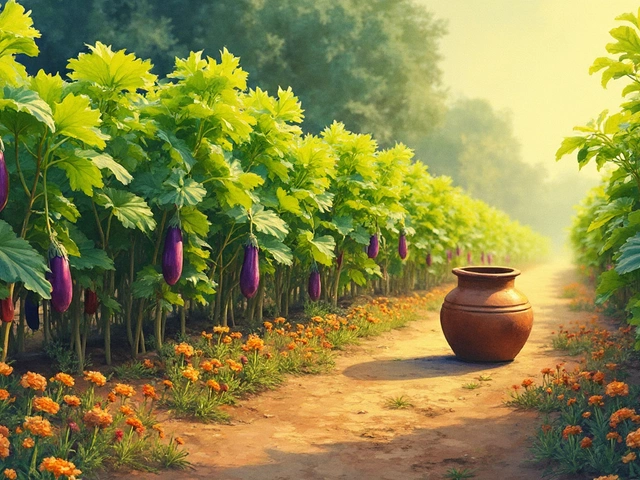
Discovering the Queen of Vegetables in India: Brinjal
By Alden Thorne Feb 5, 2025
Can You Do Regenerative Agriculture Without Animals? Straight Talk for Gardeners
By Alden Thorne Apr 17, 2025